

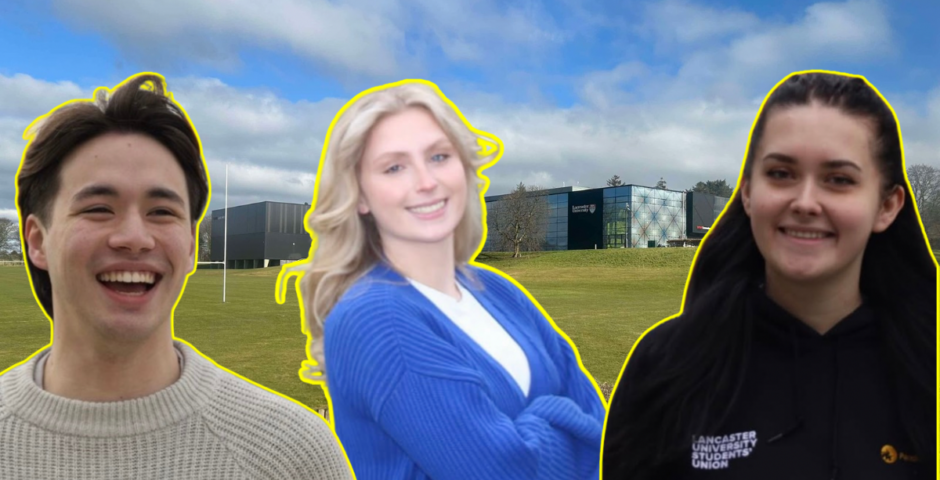
We asked each activities and wellbeing candidate the same question, here is what they said
Your students’ union needs you… to vote in this upcoming election

If you have seen the state of Alex square with the chalk, banners, and posters, you’ll know its election season.
Are you in a society or sports club? Or do you like being well?
You’re probably going to want to give this a read.
Question one: Can you summarise your main campaign goals for us, and the reasons for them?

Emily Houston-Woods (activities): “I’m running for re-election because I genuinely care about this role and the difference it can make. This year has shown me how much impact the Activities Officer can have when you know how the system works and you’re willing to put the work in. As the only candidate with direct experience in the role, I already understand the committees, the negotiations and how to turn student feedback into action.
“Over the past year I’ve secured over £150,000 for activities access, supporting more than 150 students to participate this year alone. I’ve strengthened student leader training, added dedicated LGBTQ+ athlete seats to Sports Committee, improved representation on Societies Committee and made the Roses Committee majority Women+. I’ve also worked nationally with BUCS to improve inclusion for neurodivergent athletes, which matters a lot to me personally as an autistic student. When I was a student, I struggled financially to stay involved in sport.
Anna Muchardt (activities): “My campaign centres around three priorities: putting students first, accessible participation, and women’s+ inclusion across both sport and societies. I want students prioritised in facility bookings and greater transparency around space allocation, because university spaces should serve student activity first and foremost. I also want to review parking access for sports teams and societies, as travel and hidden costs can quickly become barriers to participation.
“I’m campaigning to protect and expand the Sports Access Fund and introduce a Societies Access Fund. While sport has individual support in place, societies currently do not. Rising costs are pushing students out of both clubs and societies and that needs addressing.
“Finally, I want to strengthen women’s+ participation by introducing more women’s+ only turn up and play and development sessions. I know how daunting it can be trying a new sport especially spaces that are traditionally male dominated, and creating safe environments where women feel confident to train and develop is essential to making activity genuinely inclusive.”
David Grice (wellbeing): “I am running on 3 main policy points, affordability of rent, safety in town, and welfare accessibility for execs. Rent prices have increased by 13.8 per cent since my first year (2023), and are going to increase by “1.5 per cent on top of inflation” every academic year. I want to ensure that students are able to afford to stay at uni by lobbying the university and UPP (external accommodation provider) so that students can afford to enjoy themselves alongside paying for necessities. For safety in town, I want to focus on bars and how students feel unsafe in them.
“I will request that bars in town are trained on welfare provisions for students, along with protecting students from hate crime/speech. This also lends to wanting to provide execs with welfare accessibility as I want students to be able to have a streamlined way of being able to report welfare concerns, specifically catered to different concerns that might be brought to them.
“A lot of execs have complained about UniSafe and its lack of responses so I want to ensure that societies and JCRs have clear ways to report.”
Question two: What is one specific change students would clearly notice by the end of your term?



Emily Houston-Woods (activities): “I think students would notice that activities feel easier to access and more representative of who we actually are as a student body. This year alone, more than 150 students were supported to participate through improved financial access. Alongside that, I’ve worked to diversify committee structures and create clearer pathways into leadership. By the end of a second term, I want it to feel simpler to get involved, more affordable to stay involved and more reflective of the community it serves.”
Anna Muchardt (activities): “Students would notice clearer and more transparent space allocation, with student prioritisation embedded in booking decisions. People should be able to understand how spaces are allocated and feel confident that student activity comes first. Alongside that, I would push for progress towards establishing a Societies Access Fund creating a fairer support structure so individuals in societies can access funding in the same way students in sport currently do.”
David Grice (wellbeing): “By the end of my term in LUSU, I would like bars in town to start providing anti-spiking provisions so that students feel safer. This is something that I want to work on as soon as I get elected, even before I contractually begin my job, so that JCRs, while organising freshers week, or societies, while planning socials, will know which bars are ‘safer’ to go to. As a former JCR Wellbeing Officer, I don’t want the new JCRs to go through the same concerns that I had last year.”
Question three: How would you challenge the university when needed while maintaining a productive relationship?

Emily Houston-Woods (activities): “Having already done this job for a year, I know that challenging the University is about being prepared and persistent rather than confrontational. Securing funding for activities and improving representation structures required strong relationships, clear evidence and consistent follow up.
“I’m confident in speaking up when students’ interests aren’t being prioritised, but I also understand how to work constructively to get results. You can hold the University to account while still building productive working relationships. I’ve demonstrated that balance this year and I would continue to do so if re-elected.”
Anna Muchardt (activities): “Sport and societies are central to students’ wellbeing and sense of belonging. Because of that, I would take any decision that negatively impacts them seriously. Having sat on Sports Committee and communicated directly with senior leadership, including the Vice-Chancellor, I’ve seen how important it is to bring a clear and unified student voice into those spaces. If something isn’t working, I would raise it confidently, backed by student feedback and real examples of impact.
“At the same time, I believe you can challenge decisions without damaging relationships. I would be respectful but firm, focused on practical solutions, and consistent in putting students first.”
David Grice (wellbeing): “With the new Vice Chancellor and CTP, the university is going through a challenging time in which they will be making difficult decisions, but I want to ensure that I am involved throughout the process to ensure that those difficult decisions are made for the sake of students, not disregarding them.
“I have already had difficult, but productive, conversations with the university regarding its policies on sexual misconduct, and I will continue to do this, alongside working on policies that are brought to me by students throughout my tenure.”
For more of the latest news, guides, gossip and memes, follow the Lancaster Tab on Instagram, TikTok, and Facebook.
Featured image via Instagram @emily4lusuactivities, @david.sj.grice, @anna4activities26
Latest
First week back at uni? Here’s everything you need to pack in your bag

Mary Poppins is quaking in her boots…
London university releases statement after professor sentenced for a child sexual offence

Barry Langford was a Professor of Film Studies at Royal Holloway

Young father-of-two died on day he was due to start at University of Glasgow

Young father tragically passes away at 24 years old after suffering a brain aneurysm
Bella Ramsey’s specific acting career gives them ‘an edge’ on Celebrity Traitors (they hope)
Their past roles have prepped them for Missions
12 of The Celebrity Traitors season two cast asked to be Traitors, and six to be Faithfuls
Three celebs couldn’t make up their minds
Maya Jama’s game plan for Celebrity Traitors is to avoid trying ‘too hard’ or ‘overthinking’
This is really devious tbh
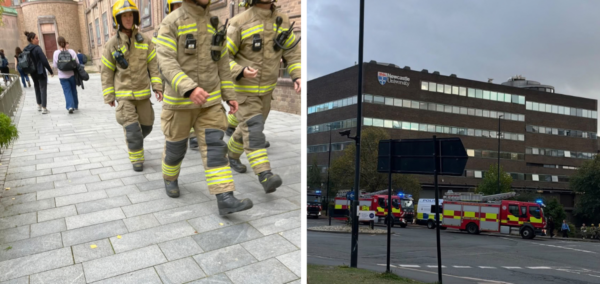
Newcastle University buildings evacuated after ‘suspicious item’ found on campus

Police, fire crews, and fire engines arrived at the scene

12 things every Fresher gets wrong in their first few weeks at uni

From wearing your lanyard everywhere to leaving your washing-up until it grows its own ecosystem
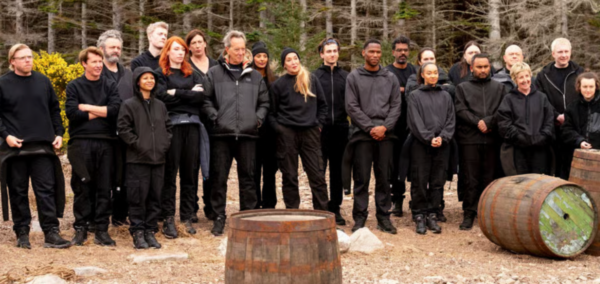
Our Celebrity Traitors predictions include Maya Jama turning on her fellow Traitors

Here’s what we think will happen

I’ve just realised that three cast members from Celebrity Traitors were in Game of Thrones

Having flashbacks to Bella Ramsey being crushed by a giant



23 to 70: The ages of the Celebrity Traitors 2026 cast, from youngest to oldest

There’s a huge age range this year
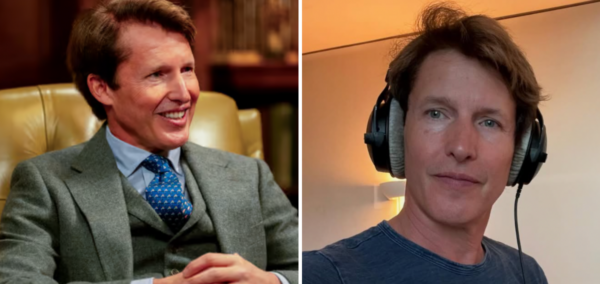
James Blunt was a British Army captain before becoming a singer and joining Celebrity Traitors
He mentioned it on the show

Monster director finally admits why they forced Aileen Wuornos in a show about Lizzie Borden
Despite the name, Lizzie Borden is not the focus of the story
Shows and films you can watch about Aileen Wuornos, where she isn’t thrown into another story

Others tell her entire case, unlike Monster on Netflix
This viral tool lets you customise your Apple Pay cards, and here’s how to do it
You can personalise the entire design
James Acaster could be the Celebrity Traitors’ recruit, as filming reportedly paused for him
It’s not much of a cliffhanger

The ridiculous fortunes of The Celebrity Traitors: Their net worths, from £500K to £50 million
One of them could legit buy the castle three times over