


We asked each LUSU president candidate the same question, here is what they said
It’s banner and poster season – you better know who you are actually voting for

Unless you’ve been living under a rock, you will have seen the mass amounts of banners and posters on campus, and also had your instagram feed spanned with endorsements of hopeful candidates for numerous positions.
That’s right, it’s the Lancaster University Students’ Union FTO election season, and nine students are running to hopefully get their chosen full time officer position.
But who is who and what do they stand for?
Don’t worry, we asked every single FTO candidate (across the positions of President, Activities, Education, and Welfare) the same question so you can decide for yourself who gets your vote.
Here are the candidates for LUSU’s first-amongst-equals, a position more commonly known as president.
Question one: Can you summarise your main campaign goals for us, and the reasons for them?

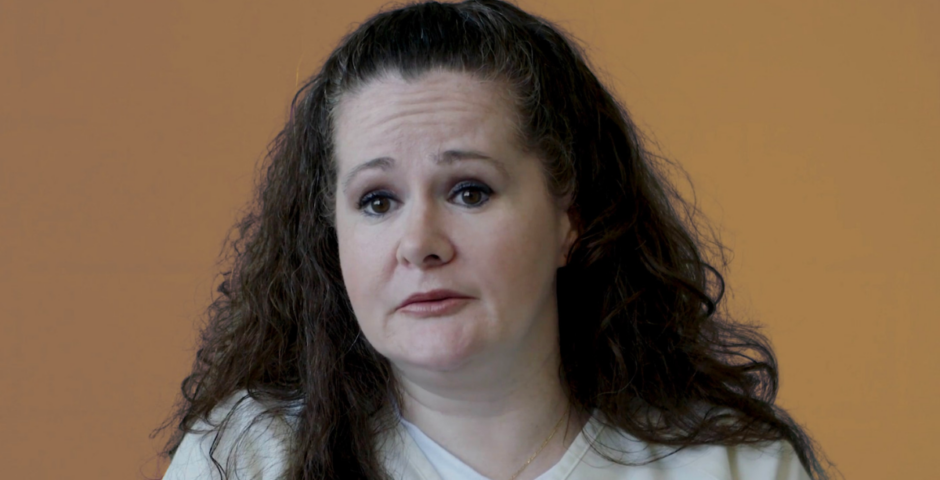


Christina Mallinson: “My key points are to: 1. Improve women’s+ safety from an ‘informing and educating’ perspective; 2. Ensure students lead decision-making processes; and 3. Introduce a travel access fund to enable students to travel to campus, without the stress of financial burdens.
“My main goals are to ensure all students can relate to and feel included by some aspect of my campaign. I want to draw attention to what matters most in today’s climate- women’s safety, affordability for students and student involvement and consultation.”
Kate Bracewell: “I’m running on four key manifesto points, student safety, make your degree feel worth it through CTP, recognition for exec members, and better transport and campus accessibility. Student safety is a big talking point this year, after experiencing incidents involving bars in town this Freshers’ Week it’s more important than ever to make sure safety resources are correctly signposted and strong initiatives are put in place.
“You come to university to feel employable and to leave with confidence that your degree will get you there, students are feeling less and less like this is the case. CTP and a new vice-chancellor are a great opportunity to change that. Student-led, student-planned, and student-facing initiatives are the reason people stay at university. So much could be done to empower them and give execs the proper support they need to avoid burnout.
Sam Burgess: “I am running to speak up on the issues that I know students care about, but which are not being sufficiently addressed by LUSU or LU. I care strongly about my six manifesto points and I am dedicated to bringing positive change. This is something that I already do through setting up and being a member of campaign groups, such as Students Support the Strikes, and through my role in the LUSU Voice Team supporting student leaders to build strong communities and campaign on issues impacting them.
“Secondly, I want students to see that there is an alternative to electing officers who have been members of JCRs and are part of the ‘LUSU bubble’. I find that most students are unengaged with LUSU and don’t feel represented or supported by it. I’ve had to work hard to get the support I’ve needed from LUSU as a student leader and campaigner, and I am running to ensure it is a lot easier for all students to access LUSU and feel part of their union.”
Usul Kaboosle: “My main campaign goals are to exponentially increase the quality of the university through my own personal biases.”
Question two: What is one specific change students would clearly notice by the end of your term?

Christina Mallinson:”A specific change students would see by the end of my term, would be increased transparency, resources and accessibility. I mean this in regard to a variety of things- resources for travel arrangements, raised awareness of women’s+ safety and how to stop the problem, as well as increased transparency for students as they will be integral to decision-making bodies within the university.”
Kate Bracewell: “By the end of my first term, you will see more clear and timely support channels in place to assist exec members and a greater appreciation for the work done by student volunteers. I intend to have clear guidelines and easily accessible help via LUSU for anyone who needs it. You won’t be finding yourself lost in email chains or feedback loops!”
Sam Burgess: “Students would clearly notice that LUSU is understands their concerns and is on their side. On the issue of affordability, one specific change would be the creation of an SU-run food hatch which provides cheap, hot meals, similar to the Cheap Eats which used to be available at Pendle Brew and were very popular.”
Usul Kaboosle: “Students would notice how much happier they feel on campus (apart from Tuesdays) due to my amazing ideas and leadership regime.”
Question three: How would you challenge the university when needed while maintaining a productive relationship?

Christina Mallinson: “Throughout my nearly three years of working within LUSU, I have never had any issues when it comes to voicing opinion and standing my ground. My key vice has always and will always be diplomacy. I have proved that i can maintain productive relationships, whilst also fighting for what students desire and need.”
Kate Bracewell: “Having sat on the student experience committee I know what it’s like to try and talk to a room full of university higher-ups and feel like they just don’t get it. Pushing for change from the university is a slow-moving and hard task but it’s not one I am unfamiliar with, I fought to keep Lonsdale bar open, and I fought for student voices to be heard when retail was going ahead with events that students did not want. I intend to keep pushing back on decisions that students disagree with by providing them the platforms to communicate with the university directly.”
Sam Burgess: “I am currently involved in several campaign groups which work with different parts of university management to negotiate changes in line with student demands. I have found that staff mostly welcome the student perspective and are very willing to listed to us and take our views on board, even when we are constructively critical of what the university is doing. I ensure that I’m respectful and cooperative, and this means I have established good working relationships with many members of staff.
“I am also prepared to speak out when I think the university is underperforming and challenge decisions that are not made in the student interest. The university is dependent on LUSU and student volunteers, who organise the majority of events, sports and societies that are so important in the university’s publicity. Therefore, there is room for us to be bolder in pushing for change in certain areas.”
Usul Kaboosle: “I would challenge the university by causing chaos until I get what I want. A productive relationship is not important.”
Featured image via Instagram @christianamallinsonn, @sam_burgess5, @lonsdalecollege, @usultheclown on Instagram
Latest

Love Is Blind’s Cam didn’t ‘do great’ when Aneha critiqued his looks at their engagement

He thought, ‘Wow, does she hate me?’
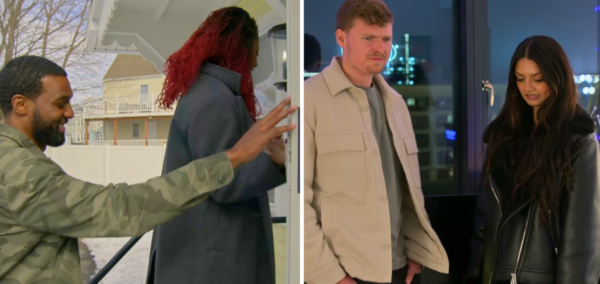
Lots of the Love Is Blind S11 cast aren’t from Boston – here’s how far apart the couples live
Blake and Erika live in different states

Miranda Hart’s painful reality with illness as Celebrity Traitors marks her iconic return to TV

For years, she was told it was just stress
Interview: Alexander Newman, outgoing Editor-in-Chief

From an unpublished study of Italian seduction to the top of the masthead in record time: the outgoing Editor-in-Chief on manifestation, media barons and why first years should be kept well away from microphones
The flatmate red flags Leeds students need to watch out for (and how to avoid them)

Don’t trust your flatmate? Here’s how to fix that

Newcastle food hot spots worth spending your maintenance loan on
If you’re going to splurge, splurge at these spots x

Top tips for securing the perfect student house in Birmingham

It’s like Escape to the Country, except we’re in Selly and there’s not a blade of grass in sight x
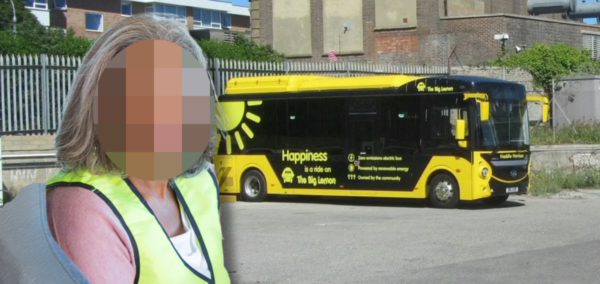
‘Everyone needs to fart’: Bristol bus driver loses tribunal claim after ‘significant flatulence’ incident

A Bristol bus driver has lost her tribunal claim after being dismissed on probation, with the judge ruling there was no discrimination or harassment


Traitor Maya Jama outed herself at breakfast, and we (and the Faithfuls) didn’t catch it
Gotta love a classic Freudian slip
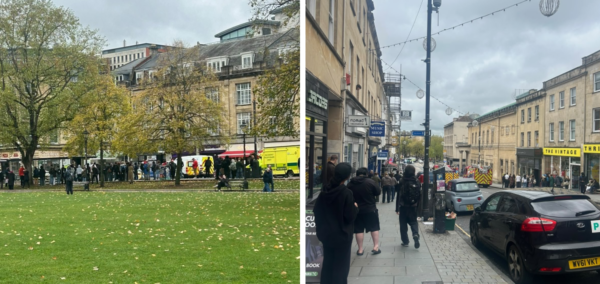
Bristol road closed off after bomb squad called to neutralise suspicious item

Bomb experts have been called to Park Street after a suspicious package was left unattended
Stew’s workplace shares hilarious videos poking fun at his time on Love Is Blind

Posted on the actual work account

Here are all the famous people you didn’t know went to university in Leeds

All five major Leeds universities have some pretty famous alumni

Want to live your Strictly dreams? Here are the best places to dance in Cardiff

Cardiff, its time to get your dancing shoes on and cha-cha-cha your way into the night

Ed Gamble has defended Celebrity Traitors’ James Acaster, after he ‘sabotaged’ challenge

‘He just wants everyone to be okay’
What Does Your Favourite Pres Game Say About You?

Your go-to pres game is basically a personality test…

H3 Podcast crew shares statement as Ethan Klein’s wife publicly accuses him of ‘nightmare’ affair
His own crew has cut ties with him

James Acaster is being called out for his bizarre behaviour during Celebrity Traitors mission
He’s taking the phrase ‘playing it safe’ too literally

Christa Pike’s team say IV site might have ‘blown’ during failed lethal injection in detailed update
They have finally explained exactly what happened
Second clip of comedian’s rape ‘joke’ resurfaces from five months before his apology
‘There are some clips coming out from that that could be a problem’