
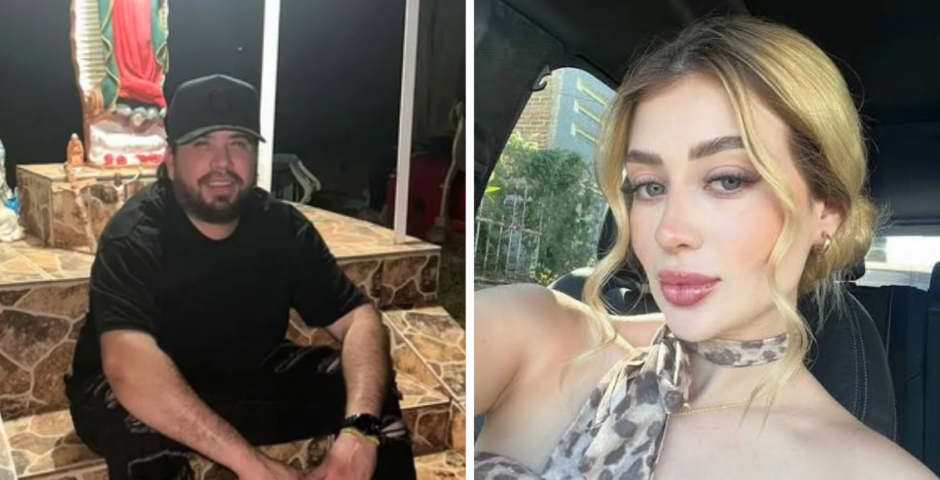
Officials detail potential reasons for alarming trend as 20th influencer is graphically killed
‘It served as a message’
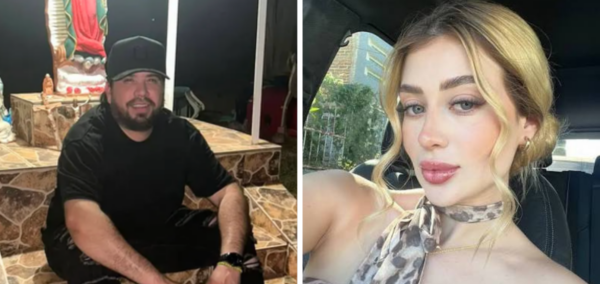
Another influencer, Jose Luis Esparza, has been killed in Mexico, with officials speculating about potential links to organised crime groups in the area.
Jose was a content creator on Instagram and TikTok under the alias El Putirrí, and he predominantly made wholesome content about his daily life. Last week, he was working in his family’s taquería in Ciudad Obregón, Mexico, when a single man walked in and opened fire. The gunman then fled the scene with an accomplice on a motorbike. Jose died after being rushed to the hospital.
Already, authorities have questioned possible links to local cartels.
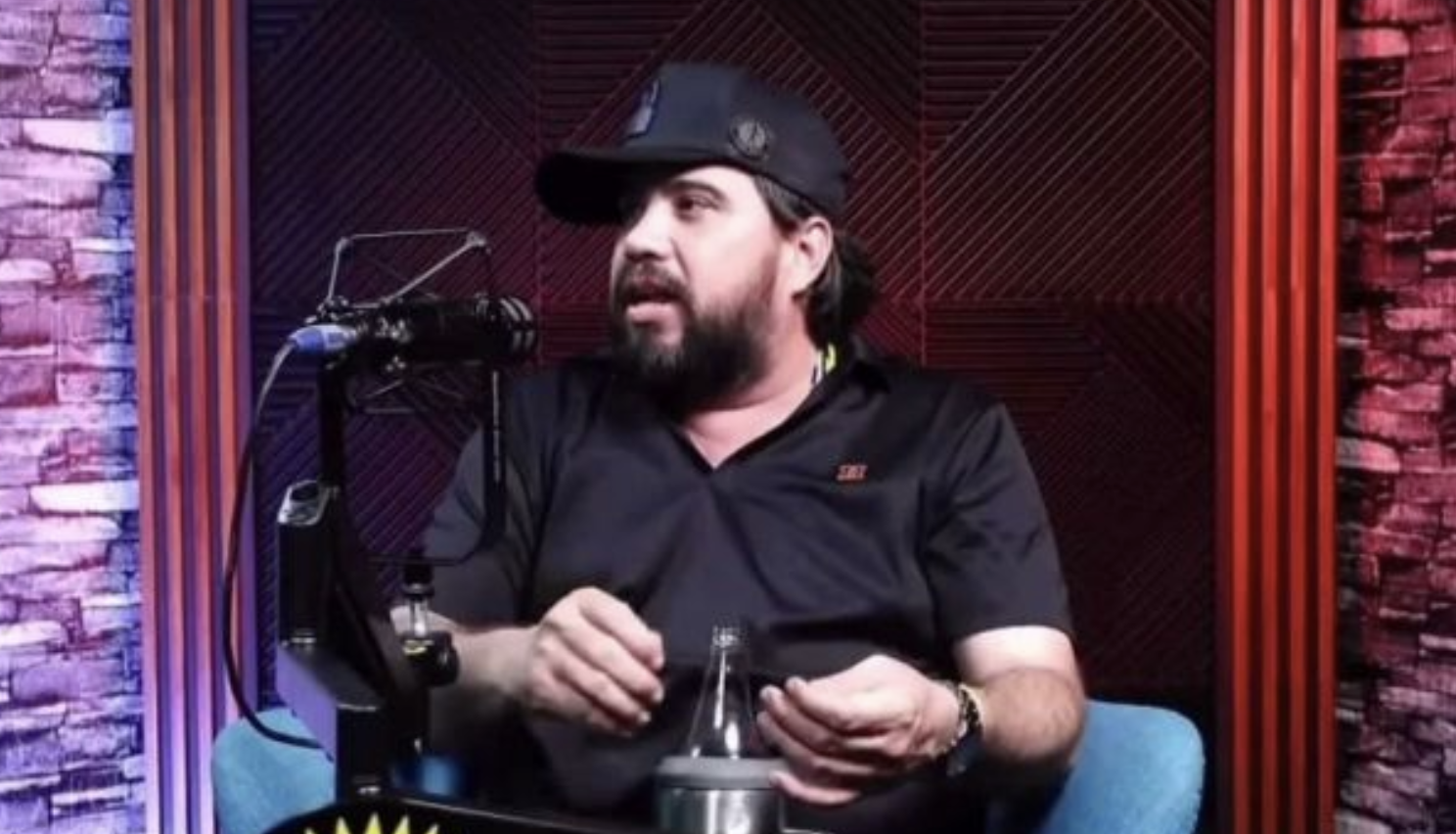
Credit: YouTube
Mexican security communications consultant Iván Moile told The New York Post that Jose might have been a “collateral target” because he was allegedly “related to someone deeply involved” in that world.
“It served as a message,” the expert said.
Perhaps more alarmingly, Jose Luis Esparza was the latest fatality in a concerning trend emerging in Mexico.
Why are so many influencers being killed in Mexico?
As reported by The New York Post, over two years, there have been at least 20 influencers killed in increasingly awful ways.
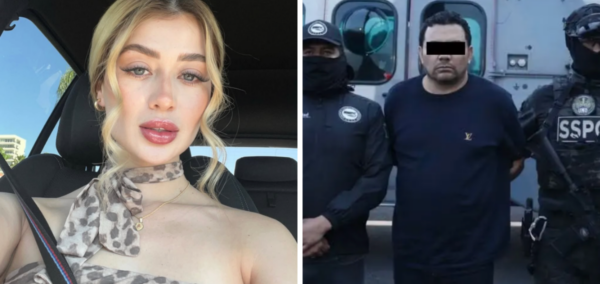
The most famous was undoubtedly Valeria Márquez, an influencer who was shot during a livestream at her job. The now-viral video, which was filmed in 2025, captured pretty much everything. Her ex-father-in-law, Ramón Ángel Álvarez Ayala, was arrested earlier this year in connection with both Valeria’s death and the cartel hit on Mayor Carlos Manzo.
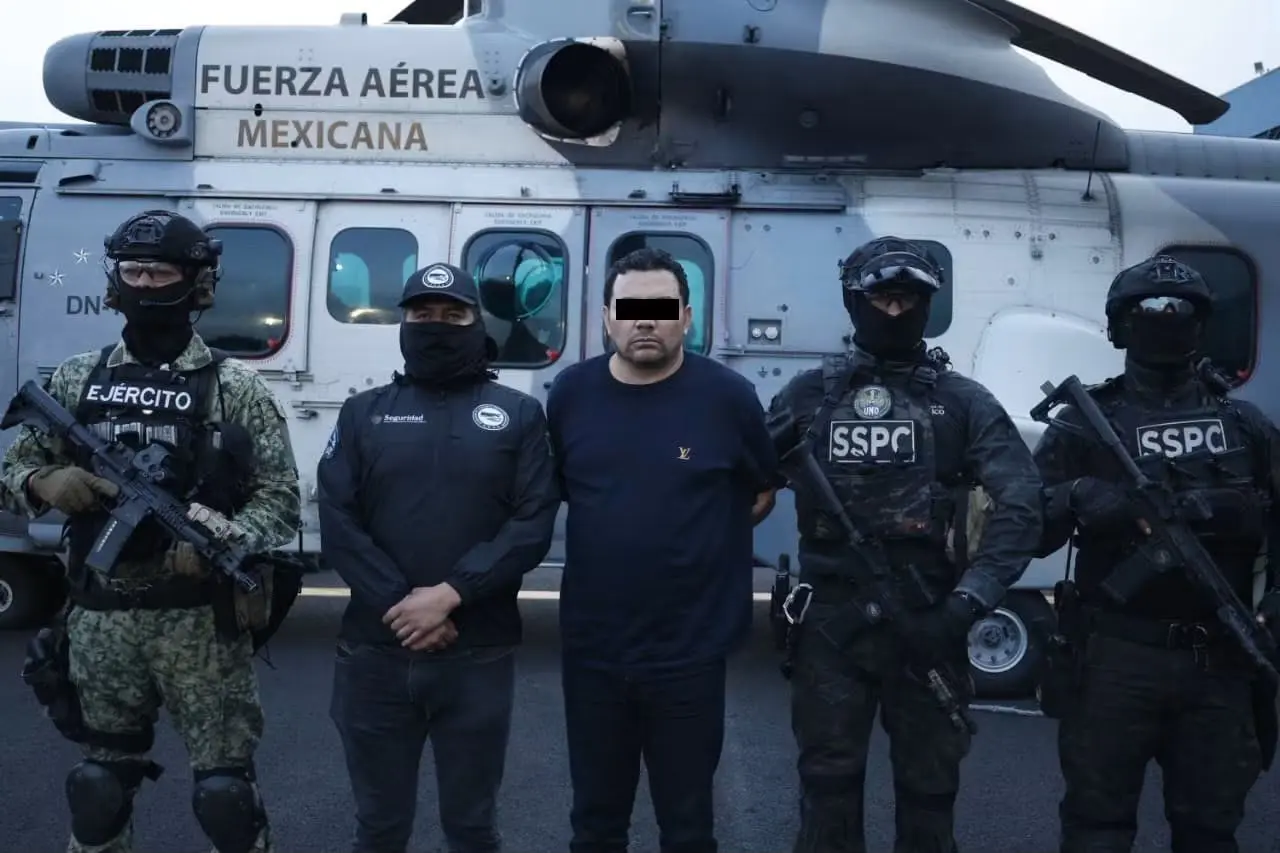
Credit: SSPC


Another influencer with 600k followers, César Gastélum, was gunned down last month whilst livestreaming outside of a KFC. Similarly, in 2024, Rafael Lazcano Rosales was shot outside of a car dealership.
Outlets counted at least 20 different killings across two years, with Mexico’s security analyst, David Saucedo, theorising some potential reasons.
“Drug trafficking groups have set their sights on influencers for several reasons,” he said. “Some influencers form organic ties with drug traffickers for various activities, such as money laundering or acting as front men… when a rival group discovers that an influencer is acting as a front man or laundering money for the opposition, an attack is automatically triggered.”
View this post on Instagram
But there’s another reason as well.
“In some cases, although influencers are not journalists, they do disseminate information and report on events in their home states or municipalities,” he added. “Drug trafficking groups are keen to control the editorial narrative—specifically, what is said about them, their rivals, or the authorities.”
María Fernanda Arocha, from ACLED, also questioned whether there’s a social media aspect to the trend. The lavish lives of the influencers, especially those in close proximity to gangs, could help those cartels recruit new members, she told CNN.
The situation is ongoing.
For more like this, like The Tab on Facebook.
Featured image credit: Instagram
Latest
Officials detail potential reasons for alarming trend as 20th influencer is graphically killed

‘It served as a message’

The best (and worst) Russell Group universities for 2027 revealed in the Guardian’s ranking

Two Russell Group universities fell down eight places in the ranking
Lily Phillips and boyfriend give graphic details of their s*x life, and how her group work impacts it

If she’s filmed one specific thing at work in the day, she doesn’t want to do anything at home
Here’s how to do that viral Celebrity Look-alike trend from TikTok with Star By Face

Finding out I look like Zac Efron and Jennifer Aniston is a major flex

Ouch, Julia unfollows Lorenzo as he FINALLY speaks out in a lengthy statement after breakup
He did not address his dad’s awful comments

Despite backlash, Bonnie Blue vows to ‘make money’ from her newborn baby unveiling new stunt
She just doesn’t know when to stop
Attention! The Glasgow Tab needs new writers, and we want you

We’re meeting at JMS on Wednesday and you’re invited
Broke in Leeds: How to save back those pennies

Freshers’ Week, Otley Runs and a hole in your jeans pocket. Here’s some money-saving tips to stay on budget in Leeds

The do’s and don’ts for Cardiff Freshers’ 2026

Don’t fear, your 2026 Cardiff Freshers’ guide is here

It’s official: The Leeds Tab is looking for new writers and content creators!

We will be hosting our open meeting at Dry Dock on Monday 28th September at 6pm

Former Leeds Beckett employee ordered to pay £20,000 after parking row
Amanda Barrow must pay Leeds Beckett £20,000 after taking them to an employment tribunal

A deep dive into how rich Eddie Horniman really is in season two of Netflix’s The Gentlemen
Er, he has half a million pounds of watches

I attended Lily Phillips ‘gloryh*le’ stunt with my husband, but only after considering the kids
Robyn Quinn and her hubby have a WILD life, but family always comes first

Six hours straight: Lily Phillips shares absolutely everything that went down at gloryh*le event
I’m clutching my pearls

Church leader shares ‘deep regret’ as he steps down and retires after video with Lily Phillips
His 20 year tenure has come to an end after a controversial video

Former showrunner Dan Schneider loses defamation lawsuit over Nickelodeon abuse documentary
He claimed the documentary portrayed him as responsible for child s*x abuse

Oh god, Lorenzo’s dad weighs in with ruthless post about Julia crying for attention in interviews
He claims she’s trying to make Lorenzo look bad

15 guaranteed signs in a university student’s room that he’s a total f***boy
4. A guitar with which he only plays Wonderwall

It’s been a messy week, so here are the latest relationship statuses of the Love Island 2026 couples
There have been splits, going official and first dates