
Builder of collapsed Bristol Pero’s Bridge says he warned council and offered to help
The bridge malfunctioned further after initially collapsing on Saturday

The builder of a Bristol bridge which collapsed over the weekend said he offered to help secure the structure before it malfunctioned.
David Abels, who built the Bristol’s Pero’s Bridge, has said he warned the council that the structure could slip further and offered to help secure it before its latest collapse.
He explained he emailed Bristol City Council offering to assist with repairs and warning of further damage if nothing was done, the BBC reports.
The council confirmed it received the email and passed it to its engineering team.
via SWNS
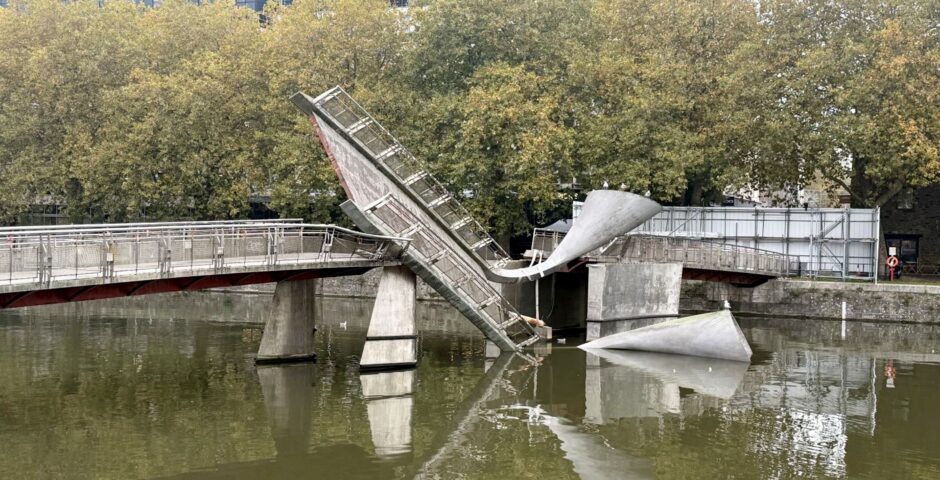
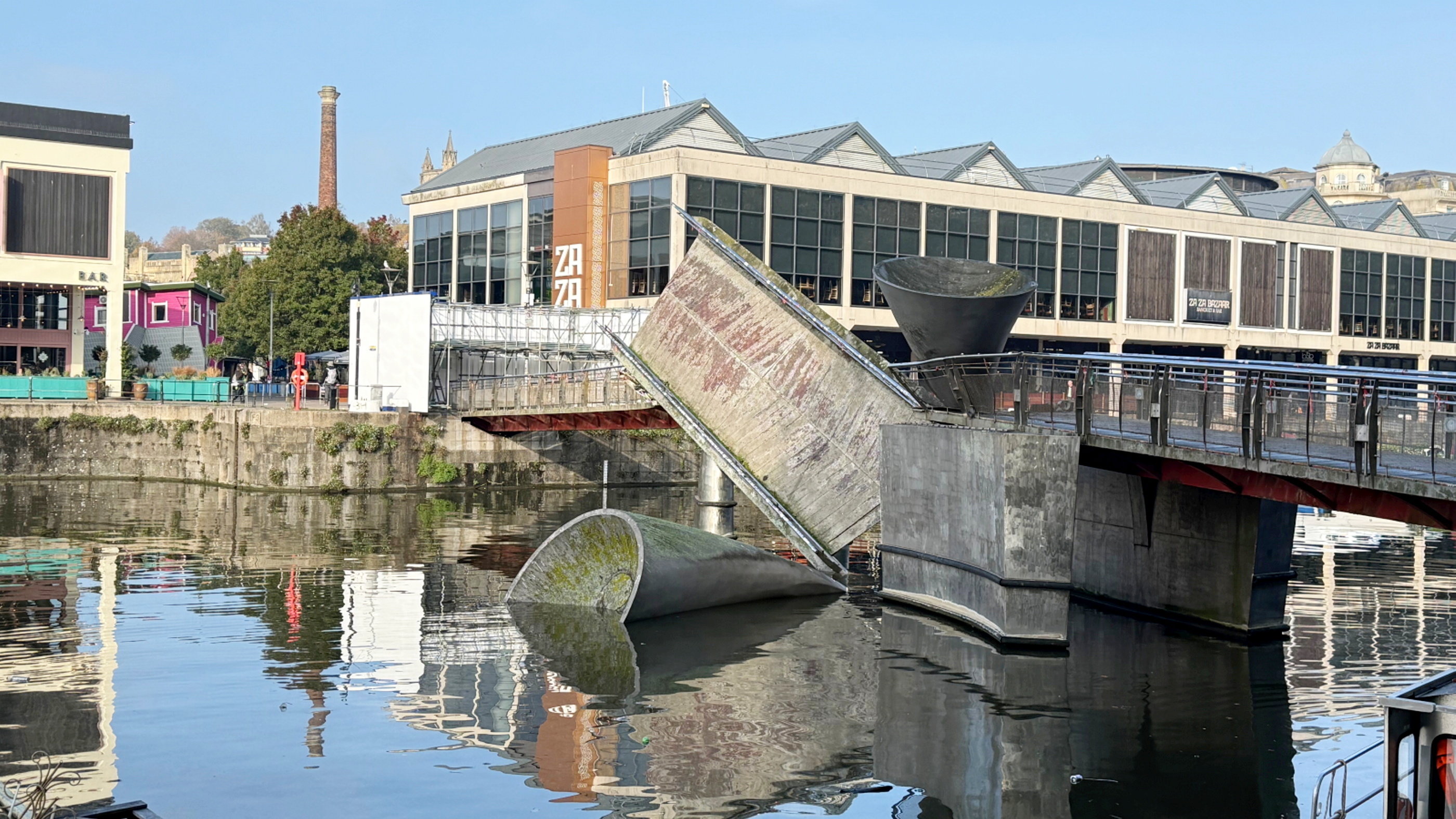
The centre span of the bridge slipped from its previous position shortly before 11pm, damaging its hydraulic ram, a mechanical component designed to help lift, move and stabilise the structure.
One of the bridge’s horns is now partially underwater, while the central section has tilted downwards. The second horn appears to have struck the remaining section of the bridge that is still afloat, preventing the entire structure from falling into the water.
Bristol City Council has confirmed that no one was injured during the incident. Environmental specialists are working alongside council teams to clear the leaked oil from the harbour near the Arnolfini.
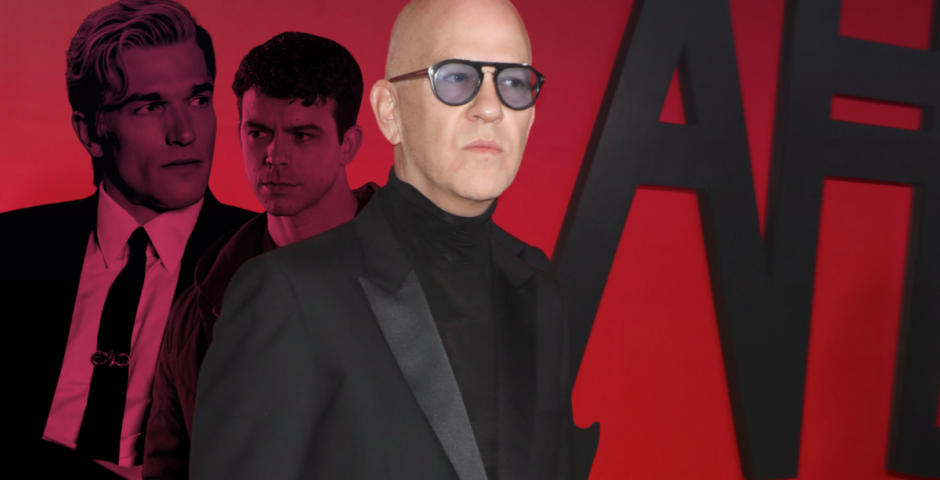
Engineers are also assessing the damage and reviewing plans to lift the bridge, which is now being considered for next week.
The bridge, which connects Canon’s Way and Narrow Quay, originally broke during a test lift in August and has remained closed ever since.
A specialist marine salvage contractor had been expected to remove the bridge and transport it to Albion Dock, where repair and refurbishment work could take place. However, by late October, the specialist equipment required to carry out the removal had still not arrived.
In a statement, councillor and chair of the harbour committee Andrew Brown said there was currently no confirmed impact on the maintenance and refurbishment programme, although this remains under review while engineers assess the damage and approve revised plans.
Opened in 1999, the bridge takes its name from Pero Jones, an African man who was enslaved in Bristol during the 18th century.
The latest collapse is another setback for the long-closed landmark, with its future repair and reopening now dependent on further engineering assessments.
Featured image via SWNS

Latest
Meet the students fighting for a plant-based Leeds University

‘We want to show that the university shouldn’t be afraid to make these changes because they do have student support.’

Missing Stars Hollow? These Manchester spots are giving serious Gilmore Girls energy

Here’s where to go for your Luke’s Diner and Kim’s Antiques needs
Mourning being a fresher? Here’s our tips for second year at the University of Birmingham

Adjusting from the Vale to Smelly Oak can feel pretty rough, but our guide will help you settle right in
Are art students stuffed? The most employable university subjects, ranked by graduate data

Only 72 per cent of grads find full-time employment or education
Finalist Kenny outlines what he’d love to change about Traitors, and I think we all agree

‘It makes the game much more fun’
I came for The Celebrity Traitors. I stayed for Hannah Fry – the kind of role model we need more of

I want to go for a pint with her
Completed £1.5m Lancaster scheme will boost water quality in River Lune
The completed project has ‘recycled redundant assets to create 92,000 litres of stormwater storage’
Idaho murders roommate files motion requesting face be blurred in new footage after harassment
The city of Moscow was sued to release the unseen records
Richest gay men in the world as billionaire, 83, gets back with much younger ex after divorce
Sadly, the richest is as wealthy as he is horrible
A brief history of cash-strapped UK universities merging – and which could be next
King’s College London will merge with Cranfield University
Leigh-Anne reveals her final Celebrity Traitors words were cut from the BBC broadcast

She made a cheeky comment
These are men you’re guaranteed to encounter at university in Leeds

From the underground DJs to the weekly Warehouse attendees, here are all the men you’ll meet
Man arrested following death of passenger in car crash near Lancaster University

The collision on Saturday 31st October resulted in the death of 88-year-old Alan Williamson
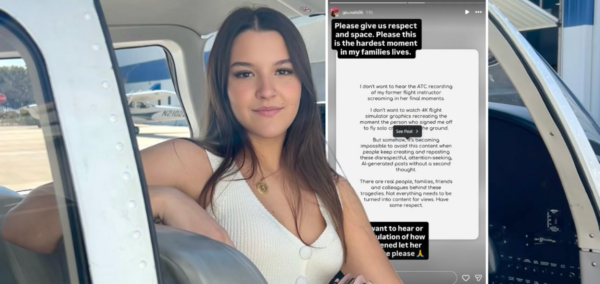
Sister of 20-year-old pilot in private jet crash speaks out and condemns ‘disrespectful’ posts
‘Please, this is the hardest moment’
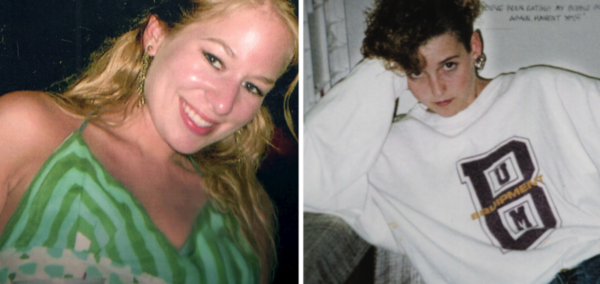
Netflix series examines case of 18-year-old missing girl, with links to Amy Bradley

The three-part documentary is out now

James Blunt reveals Romesh Ranganathan donated to his charity after banishing him on Traitors
They’re both so wholesome
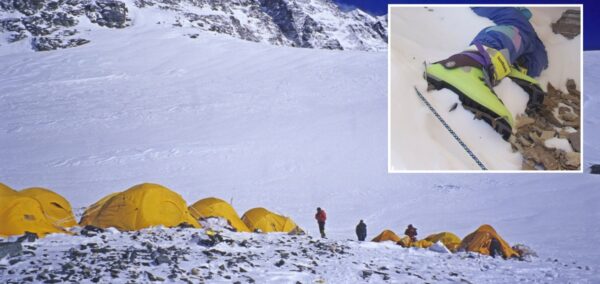
Why Green Boots still hasn’t been recovered from Everest months after deadline passed
The gruelling repatriation mission was supposed to take place this summer
Keep quiet to absolutely nothing: Celebrity Traitors stars reveal what they’d do differently
Hannah Fry is fully ready to renounce her PhD
Gary has addressed his ‘unfair’ Bake Off exit, after people insisted he deserved to stay
Gary, we ride at dawn