
Are art students stuffed? The most employable university subjects, ranked by graduate data
Only 72 per cent of grads find full-time employment or education
Data on graduate outcomes reveals which university degrees are the most employable in 2026, and which subjects are the worst for getting a grad job.
Overall, 72 per cent of students who graduated from UK universities in 2024 found a full-time job, or a place on a full-time further education course (or managed to work and study) within 15 months. The stats do differ between STEM students and arts students. 75 per cent of grads from science courses got jobs or further study places, while only 69 per cent of non-science students did.
The absolute worst subject to study at university if you want to get a job afterwards is design, and creative and performing arts. Only 53 per cent of these grads were in full-time employment or further study within 15 months. The most employable university degrees are in medicine and dentistry. 86 per cent of those students are working or studying after 15 months.
Grads who hopefully have found something to do
This data all comes from the Higher Education Statistics Agency (HESA). The figures refer to the proportion of students who left uni in 2024, then were in full-time employment, full-time further education, or employment and education 15 months later.
For context, human geography comes under “geographical and environmental studies (social sciences)”. Physical geography falls within “geography, earth and environmental studies (natural sciences)”. “Subjects allied to medicine” includes midwifery, nursing, physiotherapy and pharmacy. HESA categorises English literature under “language and area studies”, however Classics counts as “historical, philosophical and religious studies”.
Here university subjects ranked by employability, based on how many grads find full-time work or study:
1. Medicine and dentistry – 86 per cent
2. Veterinary sciences – 85 per cent
3. Engineering and technology – 80 per cent
4. Education and teaching – 78 per cent
=5. Architecture, building and planning – 78 per cent

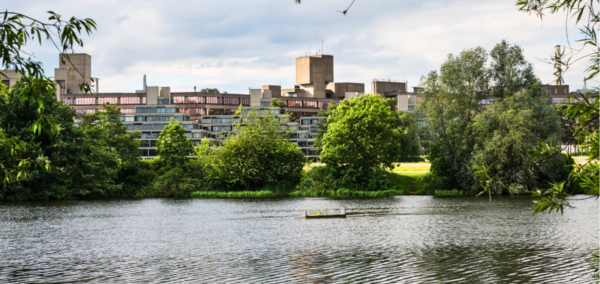
A Lancaster University student admiring the architecture
=5. Physical sciences – 78 per cent
=7. Mathematical sciences – 77 per cent
=7. Law – 77 per cent


=9. Subjects allied to medicine – 75 per cent
=9. Geography, earth and environmental studies (natural sciences) – 75 per cent
=11. Social sciences – 73 per cent
=11. Geography, earth and environmental studies (social sciences) – 73 per cent
13. Business and management – 71 per cent
=14. Psychology – 70 per cent
=14. Biological and sport sciences – 70 per cent
University of Bristol students working very very hard on their degrees
=14. Computing – 70 per cent
17. Agriculture, food and related studies – 69 per cent
=18. Historical, philosophical and religious studies – 64 per cent
=18. Language and area studies – 64 per cent
20. Media, journalism and communications – 63 per cent
21. Combined and general studies – 62 per cent
22. Design, and creative and performing arts – 53 per cent
For more like this, follow The Tab on Instagram.

Latest
Mourning being a fresher? Here’s our tips for second year at the University of Birmingham

Adjusting from the Vale to Smelly Oak can feel pretty rough, but our guide will help you settle right in
Are art students stuffed? The most employable university subjects, ranked by graduate data

Only 72 per cent of grads find full-time employment or education

Finalist Kenny outlines what he’d love to change about Traitors, and I think we all agree

‘It makes the game much more fun’

I came for The Celebrity Traitors. I stayed for Hannah Fry – the kind of role model we need more of

I want to go for a pint with her
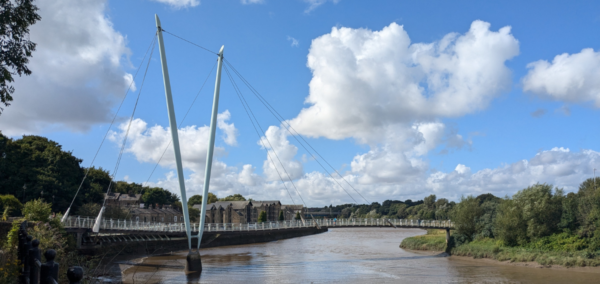
Completed £1.5m Lancaster scheme will boost water quality in River Lune

The completed project has ‘recycled redundant assets to create 92,000 litres of stormwater storage’

Idaho murders roommate files motion requesting face be blurred in new footage after harassment
The city of Moscow was sued to release the unseen records

Richest gay men in the world as billionaire, 83, gets back with much younger ex after divorce
Sadly, the richest is as wealthy as he is horrible
A brief history of cash-strapped UK universities merging – and which could be next
King’s College London will merge with Cranfield University

Leigh-Anne reveals her final Celebrity Traitors words were cut from the BBC broadcast

She made a cheeky comment

These are men you’re guaranteed to encounter at university in Leeds

From the underground DJs to the weekly Warehouse attendees, here are all the men you’ll meet
Man arrested following death of passenger in car crash near Lancaster University

The collision on Saturday 31st October resulted in the death of 88-year-old Alan Williamson

Sister of 20-year-old pilot in private jet crash speaks out and condemns ‘disrespectful’ posts
‘Please, this is the hardest moment’

Netflix series examines case of 18-year-old missing girl, with links to Amy Bradley

The three-part documentary is out now

James Blunt reveals Romesh Ranganathan donated to his charity after banishing him on Traitors
They’re both so wholesome

Why Green Boots still hasn’t been recovered from Everest months after deadline passed
The gruelling repatriation mission was supposed to take place this summer

Keep quiet to absolutely nothing: Celebrity Traitors stars reveal what they’d do differently
Hannah Fry is fully ready to renounce her PhD

Gary has addressed his ‘unfair’ Bake Off exit, after people insisted he deserved to stay
Gary, we ride at dawn
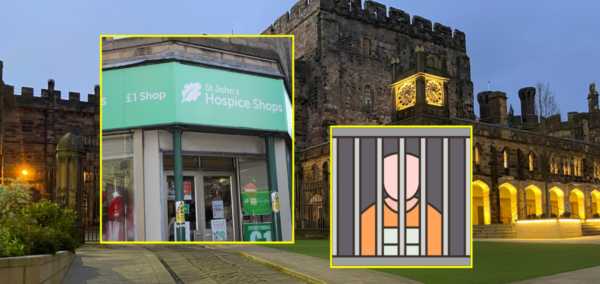
Lancaster locals go behind bars to raise money for charity

Jail and Bail 2026 sees locals jailed in Lancaster Castle to raise money for St John’s Hospice

20-year-old Learjet co-pilot posted videos flying same plane months before Florida crash
Her TikTok handle is ‘@learjet_girl’

Paris Jackson demands $600million from Michael’s estate and claims executor is withholding inheritance
The estate has clapped back