

‘It raises serious questions’: KCL academics condemn proposed Cranfield University merger
Some academics said they felt ‘blindsided’ by the decision

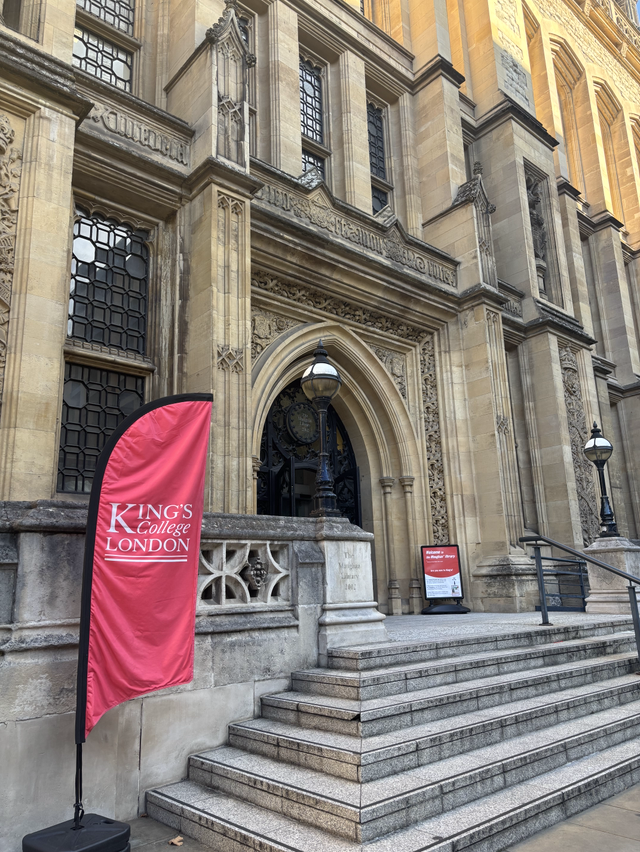
King’s College London academics have condemned the institution’s proposed merger with Cranfield University.
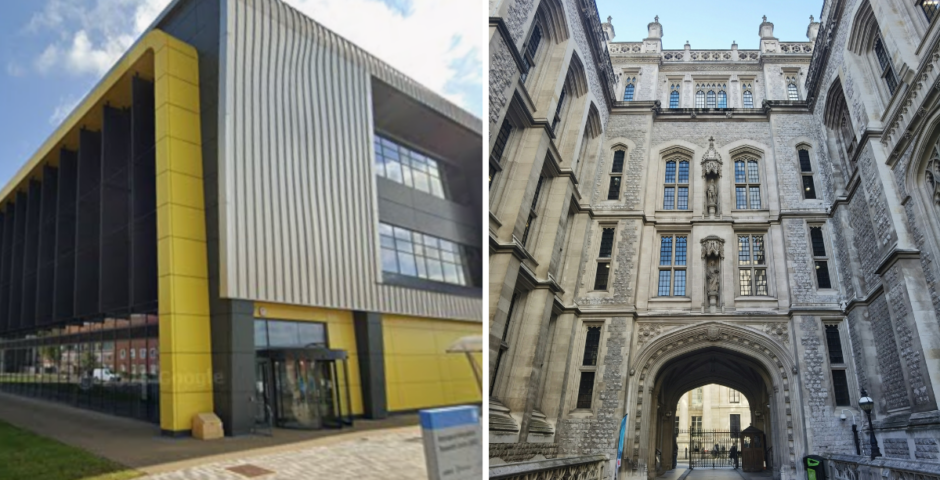
The university announced its plans to merge with Cranfield, which is a specialist post-graduate university known for its strengths in technology.
Following the announcement last month, KCL academics say they feel “blindsided,” pointing out the university seemed to have the funds for expansion, but not for better pay or more secure contracts for staff.
Academics also expressed concerns about the university’s growing focus on defence, arguing that funding from military-related research would link the university to conflict.
A statement provided by the King’s branch of the University and College Union (UCU), which represents academics, said: “The merger with an institution with close links to the military and arms industry is controversial among many university workers. It raises serious questions about changing departments and faculties research agendas to align with the military.”
It added: “Existing staff have expressed concerns about what this will mean for their research, as well as about their ability to conscientiously object to participating in some activities. This should have been a key part of the consultation over large-scale changes in the university.”
A member of the Faculty of Natural, Mathematical and Engineering Sciences also said the merger was a “ploy to generate income from the war effort.”
They added: “Having the capacity to build deadly drones [hence the focus on robotics and engineering] is a lot more lucrative than policy advice and analysis on their deployment. This will turn King’s College London into one of the most militarised universities in the UK.
“It will endanger academic freedom by aligning the university closely with an area where command and control trump curiosity and openness.”
A senior lecturer in digital economy, also raised concerns about the lack of consultation, claiming that staff and unions were not properly consulted before the merger was announced, whilst adding that KCL was in “robust” financial health while Cranfield was in deficit.


King’s College London
Despite these concerns, the vice-chancellors from both universities claim merging will open up opportunities for students, who will be able to benefit from access to world-leading facilities and capabilities in areas such as advanced manufacturing and bio renewables.
A spokesperson for King’s College London said: “The proposed merger with Cranfield University is driven by academic opportunity and would create a distinctive institution equipped to address some of the most significant challenges facing society and the UK. Security, defence and resilience are major societal challenges and for decades King’s has been a world-leading centre supporting the UK’s safety and prosperity.
“The proposed merger with Cranfield University would add to this, creating new opportunities for students, staff, research, and innovation, while strengthening the UK’s capabilities in areas including engineering, technology, energy and resources, and defence. We have always carried out this work within legal and ethical frameworks, and will continue to do so.
“We are following established processes and carrying out robust due diligence to ensure the proposal is financially, legally, academically and reputationally sound, and aligned with the strategic objectives of both universities. We informed our staff, union partners and students of the proposition as soon as we were able, and have already begun engagement across our communities, including town halls, leadership briefings and opportunities for questions and discussion. Those conversations will continue throughout this process.
“A proposed merger would generate unique opportunities for the sustainable future of both organisations. King’s already devotes the highest proportion of income to staff pay of all Russell Group universities in London, and the proposition is designed to drive more growth, innovation, and resilience.”
Cranfield University has been contacted for comment.
For more of the latest news, guides, gossip, and memes, follow The King’s Tab on Instagram, TikTok, and Facebook.
Featured image via Google Maps and Unsplash
Latest

Love Is Blind’s Stew addresses relationship with Jax now, as people spot clue they’re back together

This is all over the place

Five free things to in Liverpool this autumn

When the student finance is running low these activities will keep you occupied x

Just how rich Stew from Love Is Blind really is, with his swanky job and claims of family money
He bragged of splitting his childhood over two homes

Work improvement on railway means no York to Leeds trains

There will be no trains running the key route between York to Leeds due to rail upgrades
Two Traitors and one Faithful ‘struggled’ while filming The Celebrity Traitors season two

Maya Jama, Rob Beckett and James Acaster found different parts of the experience difficult

The most popular 2026 Halloween costumes are here, but the Obsession one is majorly icky

I’m sorry, how does one go about dressing as a NeeDoh cube?

Russell Group universities criticised by Amnesty over how they handled pro-Gaza protests
Amnesty investigated how unis disciplined students
Friend claims Romesh is ‘nothing like’ how he seems on Celebrity Traitors and has one main aim
‘He’s a competitive person’

Former Traitors stars break the illusion of what they eat, and breakfast will never be the same
I didn’t realise they can basically order anything at the hotel

UWE student jailed for life for murdering his housemate in Filton

Zach Coughlan, 23, must serve at least 28 years for murdering Jamie Collins, 21
‘Superficial, no romance’: Everything Love Is Blind’s Jax has admitted she didn’t like about Stew
She has listed off his ‘red flags’
One more reason to love Celebrity Traitors’ Michael Sheen: How he spends his fortune
Celebrities, take note

An analysis of Bake Off icon Mo’s baking experience, since he shunned bread and biscuits
His former teacher clarified what he actually does bake

James Acaster and Romesh Ranganathan have a long history beyond Celebrity Traitors ‘feud’

‘You’re a mate and I’m a fan’

Celebrity Traitor James Acaster addressed Rob Beckett relationship weeks before ‘teasing’ claims
Rob and Romesh were described as ‘very different people’ away from the cameras
‘Most people think we’re mad’: Nottingham student plans row across the Atlantic
Notts student James and his friend Noah will be one of the youngest teams to take on the race

Sheffield MP calls for abandoned university buildings to be sold

Abtisam Mohamed has called on Sheffield Hallam University to include affordable and social housing within its redevelopment

Bake Off’s Paul, Alison and Noel detail what Nigella Lawson is like to work with
Noel Fielding compared her to Cleopatra


Bake Off’s vibey Clara has big plans after the show, including a huge move to America
She’s one of the last two women in the tent