

20-year-old wins $3m lawsuit against Meta and Google after getting addicted to Insta and YouTube
Sooo, where’s my money?
A 20-year-old has won a historic lawsuit against Meta and Google, after claiming she became addicted to Instagram and YouTube as a child. The woman claimed her addiction exacerbated her depression, and won the $3million case.
“Kaley” sued YouTube, TikTok, Snap and Meta, the owner of Instagram and Facebook, in 2023. She accused them of making their apps addictive, which she said caused significant harm to her mental health. The Los Angeles jury decided the companies were liable as they were negligent in the designs of Instagram and YouTube, and failed to warn users sufficiently.
Matthew Bergman, one of the woman’s attorneys, said in a statement: “By finding Meta and Google responsible, the jury has affirmed what parents, educators, and mental health professionals have been warning for years: The design of social media platforms poses a clear and present danger to America’s children, and the companies behind them must answer for the consequences.”

via Canva
A significant part of the lawsuit came from Victoria Burke, a licensed therapist who diagnosed Kaley with social phobia and body dysmorphic disorder when she was 13. She testified during the trial that she believed the woman’s social media experience was a “contributing factor” to her mental health.


The 20-year-old was awarded $3million in compensatory damages, and the companies were ordered to pay a further $3million in punitive damages. To break down those costs, Meta will pay 70 per cent ($2.1million), and Google 30 per cent ($900k). Meta and Google have both said they plan to appeal the verdict.
The lawsuit is historic because it is the first of its kind, and could set a trend. There are currently numerous similar suits pending around the US.
A Meta statement read: “We respectfully disagree with the verdict and will appeal. Teen mental health is profoundly complex and cannot be linked to a single app. We will continue to defend ourselves vigorously as every case is different, and we remain confident in our record of protecting teens online.”
A spokesperson for Google added: “This case misunderstands YouTube, which is a responsibly built streaming platform, not a social media site.”
For more like this, like The Tab on Facebook.

Latest

London university releases statement after professor sentenced for a child sexual offence

Barry Langford was a Professor of Film Studies at Royal Holloway


Young father-of-two died on day he was due to start at University of Glasgow

Young father tragically passes away at 24 years old after suffering a brain aneurysm
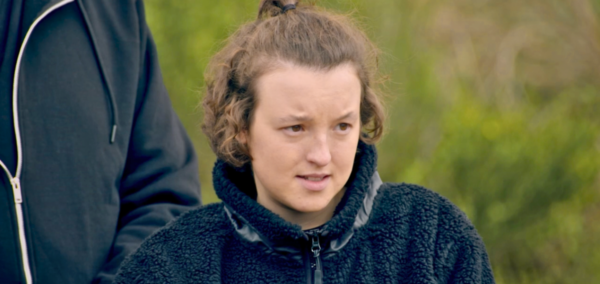
Bella Ramsey’s specific acting career gives them ‘an edge’ on Celebrity Traitors (they hope)
Their past roles have prepped them for Missions
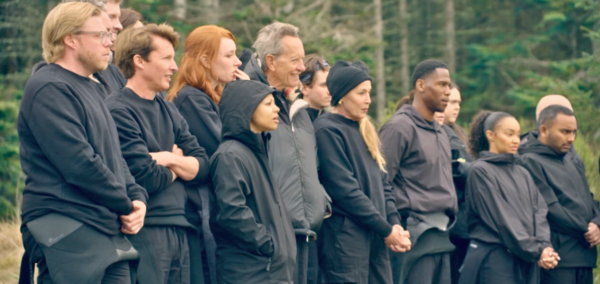
12 of The Celebrity Traitors season two cast asked to be Traitors, and six to be Faithfuls
Three celebs couldn’t make up their minds
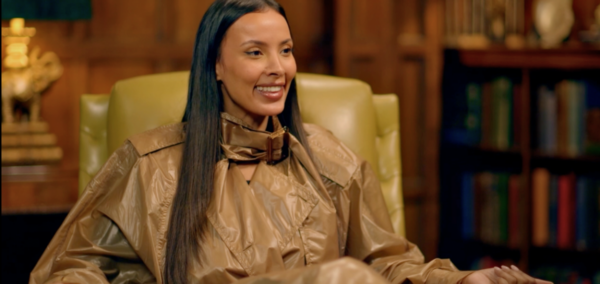
Maya Jama’s game plan for Celebrity Traitors is to avoid trying ‘too hard’ or ‘overthinking’
This is really devious tbh

Newcastle University buildings evacuated after ‘suspicious item’ found on campus

Police, fire crews, and fire engines arrived at the scene

12 things every Fresher gets wrong in their first few weeks at uni

From wearing your lanyard everywhere to leaving your washing-up until it grows its own ecosystem

Our Celebrity Traitors predictions include Maya Jama turning on her fellow Traitors

Here’s what we think will happen

I’ve just realised that three cast members from Celebrity Traitors were in Game of Thrones

Having flashbacks to Bella Ramsey being crushed by a giant
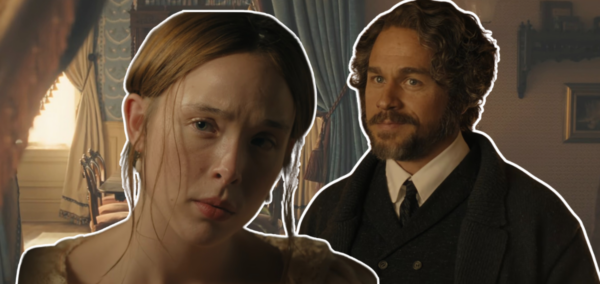


23 to 70: The ages of the Celebrity Traitors 2026 cast, from youngest to oldest

There’s a huge age range this year

James Blunt was a British Army captain before becoming a singer and joining Celebrity Traitors
He mentioned it on the show

Monster director finally admits why they forced Aileen Wuornos in a show about Lizzie Borden
Despite the name, Lizzie Borden is not the focus of the story
Shows and films you can watch about Aileen Wuornos, where she isn’t thrown into another story

Others tell her entire case, unlike Monster on Netflix
This viral tool lets you customise your Apple Pay cards, and here’s how to do it
You can personalise the entire design

James Acaster could be the Celebrity Traitors’ recruit, as filming reportedly paused for him
It’s not much of a cliffhanger
The ridiculous fortunes of The Celebrity Traitors: Their net worths, from £500K to £50 million
One of them could legit buy the castle three times over

The Celebrity Traitors rules explained, as Richard E Grant immediately let slip he’s a Traitor
There’s actually a slightly confusing loophole