

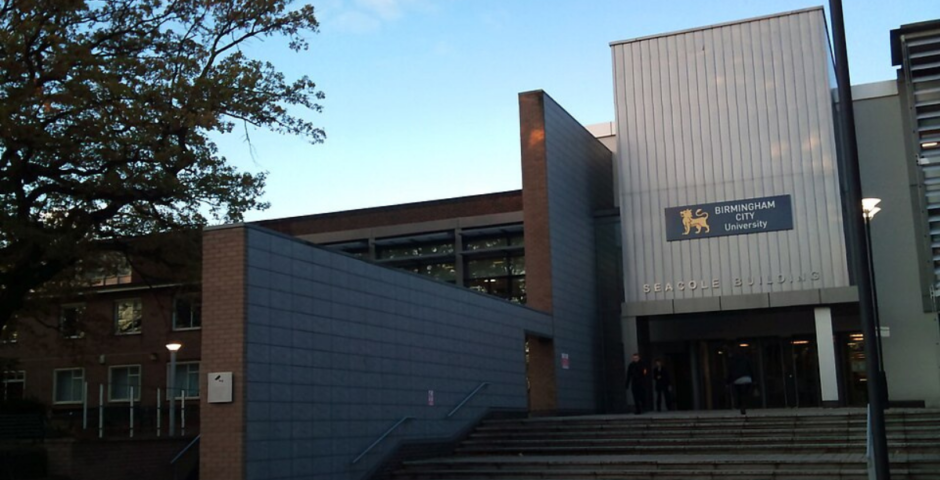
Birmingham City University faces backlash over plans to close black studies course
More than 100 academics and campaigners have urged the university to reverse its decision

Birmingham City University is facing criticism over plans to close its MA in black studies and global justice, with academics warning the move risks further marginalising black intellectual scholarship.
More than 100 academics, campaigners and writers have signed an open letter calling on the university to reverse the decision, arguing that the programme — launched only this academic year — should be protected rather than cut during a period of financial strain across the sector.
The proposed closure could also lead to the redundancy of five black academics, including Professor Kehinde Andrews, who is widely regarded as Britain’s first professor of black studies and who helped establish the university’s pioneering black studies programme.
In a letter addressed to the university’s board, Professor Andrews said the decision reflected a broader failure to support black intellectual life in Britain.
“In the US there is an attack on Black intellectual thought, in the UK there is so little of it on offer in higher education that the bigger problem is neglect,” he wrote. “When we do manage to offer such courses they should be nurtured, not stamped out at the earliest opportunity.”

University managers cited low recruitment and financial pressures as reasons for the proposed closure. Eight students are currently enrolled on the MA course. Birmingham City University confirmed students already registered will be able to complete their degrees while consultations with staff continue.
Supporters of the programme, however, say the issue goes beyond economics. They argue Black Studies remains structurally vulnerable within UK universities, where subjects focused on race, colonialism and African diasporic history are often treated as peripheral rather than central to academic life.
Among the signatories to the letter is Professor Kalwant Bhopal, director of the Centre for Research in Race and Education at Birmingham University, who said the closure represented a wider ideological retreat within higher education.


Critics have pointed to the closure of Birmingham City University’s undergraduate black studies degree in 2024 as evidence of a longer-term withdrawal from the field.
The dispute comes at a time of deep financial uncertainty for UK universities, with institutions grappling with falling numbers of international students, rising operating costs and concerns over long-term funding. Universities across the country have announced course closures, departmental restructurings and staff redundancies over the past year.
But campaigners argue that programmes centred on race and inequality are disproportionately vulnerable during periods of austerity, particularly when they attract smaller cohorts despite broader cultural significance.
For supporters of the programme, the fight over the MA has become symbolic of a larger debate about the future direction of British universities — and whether commitments to diversity and inclusion will survive mounting economic pressures.
A BCU spokesperson said: “Following a review of Birmingham City University’s postgraduate portfolio, a small number of courses will be withdrawn from September due to low demand for master’s level study in the respective subject areas. This includes MA black studies and global justice. The university is exploring opportunities for alternative provision in each case.
“A consultation process is underway with affected staff to discuss the impact of the course closures and explore reasonable options to minimise roles at risk. Any proposals are part of this ongoing consultation, no final decisions on staffing have been taken, so it would not be appropriate to comment on potential outcomes at this time.”
For more of the latest news, guides, gossip, and memes, follow The Birmingham Tab on Instagram, TikTok, and Facebook.
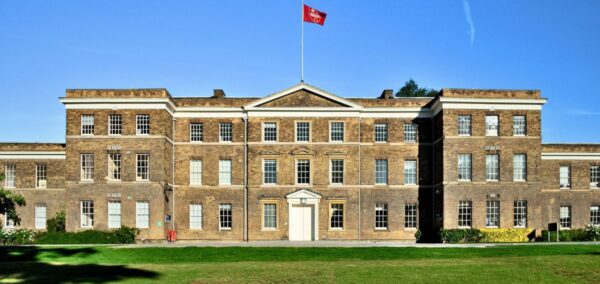
Featured image via Geograph Britain and Ireland under Creative Commons Attribution-Share Alike 2.0
Latest
The reason Netflix’s Lizzie Borden series has jarring modern music, according to the showrunner

Not a single song is from the 1800s

Lizzie Borden was acquitted, so who do people think actually killed her parents?

There are many other suspects

95 per cent oppose Turnitin plans to train AI on student work, poll by The Lancaster Tab finds

Of over 700 respondents, almost all decided they would not be happy to have their assignments train AI tools

Why Joey Essex has called off a romance with Priya after Love Island 2026

Yes, there really was something going on between them
Are you a fresher? Here’s my advice as a recently graduated student
What I wish I knew when I started

How to do the Hotel Lobby AI trend from TikTok that puts people into Quavo and Takeoff video

It’s gone viral this week
The iconic stars we won’t see in American Horror Story 13, and the ‘absurd’ reason for the snub
I’m going to write a very angry letter to Ryan Murphy
Ed Sheeran’s cousin shares his theory on Macklemore’s exit, as rapper announces new tour
‘I’ve witnessed him being a coward’

The actress who plays Lizzie Borden has shared her take on if she was guilty or not
It’s the big question

Ed Sheeran’s tour survived the Macklemore row, but now two shows have been cancelled
The stage was almost built

Raves, trips and becoming a godfather: Lorenzo Alessi on his single era after Love Island
He’s living his best life
How Aileen Wuornos spent her last day on death row, and how Monster changed it
She didn’t actually have a last meal
Welcome to Durham: Everything you need to know about starting out

The best ways to start your first term at Durham
Aileen Wuornos’ death row letters, from sharing a keg with Jesus to calling her girlfriend ‘ugly’
There are hundreds of letters over a 10 year period
Timeline of real-life Lizzie Borden photos shows what she looked like over the years
Monster doesn’t get her quite right

Age differences between The Lizzie Borden Story cast and the real people make it inaccurate
Andrew and Abby were so much older when they died

Monster gave Lizzie Borden and Bridget a happy ending, but did it actually happen?
The creators have explained their decision
In her own words: Aileen Wuornos’ girlfriend on why she didn’t go to police sooner
Aileen came home and told her what she’d done

Explained: This is what the chino-chanting video actually was

Take your guesses: Which intramural team do you think this will be about?