
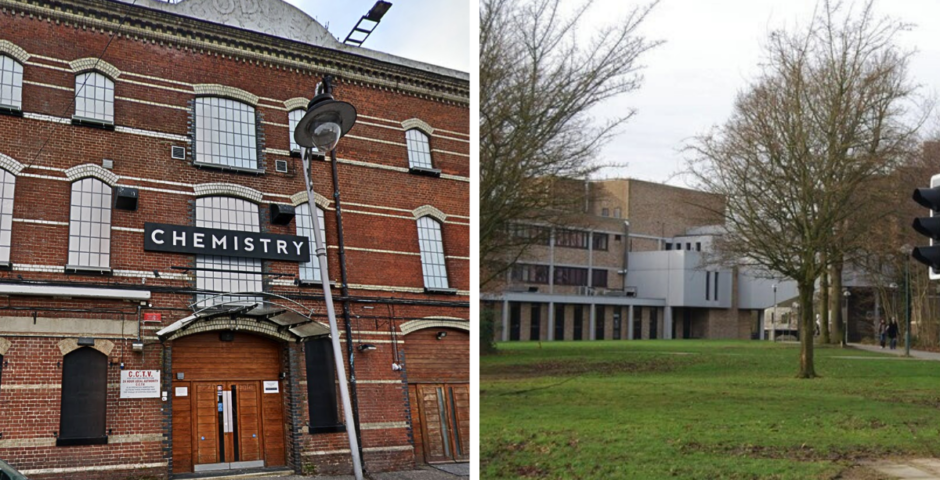
Popular nightclub could be linked to deadly meningitis outbreak at University of Kent
Two students have died and several others have been hospitalised

A popular Canterbury nightclub has released a statement following potential links to an outbreak of meningitis that has tragically killed two people, including a student at the University of Kent.
The two deaths were confirmed as a student of the University of Kent, and a secondary school pupil at Queen Elizabeth’s Grammar School in Faversham.
Several other young people have been reported as hospitalised, with many understood to be university students in the area.
Urgent action is being taken to treat anyone presenting symptoms or who may have come into contact with someone infected.
Whilst a specific strain is yet to be identified, the UK Health Security Agency is contacting more than 30,000 students, staff and their families within the Canterbury area.
Popular student spot Club Chemistry in Canterbury has been linked to the meningitis cases, with management releasing a statement to the club’s instagram page.
View this post on Instagram
“Some people who may have attended Club Chemistry could have been affected by the current outbreak”, the statement read.
“We are awaiting further information from the Health Security Agency, which we will share with you as soon as we have it. Please look after each other, our thoughts are with everyone affected by this.”
The post advises students or staff who work in Keynes College Block Q, Tyler Court Block C or anyone who may have been a close contact to any cases to attend the Senate building for antibiotics.
Club Chemistry released the statement following reports to the Daily Mail that two people battling the infection, with one currently in a coma, began exhibiting symptoms following a night out to the venue on Friday 6th March.
The UKHSA says it was notified of 13 cases of meningitis and septicaemia between Friday and Sunday. Antibiotics are being organised for those affected.
All in-person exams have been cancelled at the University of Kent, though the campus remains open.


In a statement, a spokesperson confirmed the death of a student in Canterbury.
”Our thoughts are with the student’s family, friends and the wider university community at this extremely difficult time,” the university said.
”The safety of our students and staff remains our highest priority. We are working closely with public health teams and are in touch with staff and students to ensure they get the advice and support they need.
“We will continue to monitor the situation and keep our community informed.”
Meningitis is an infection of the protective membranes that surround the brain and spinal cord, and requires immediate treatment. It can cause sepsis, which can be fatal, and result in permanent brain or nerve damage.
The NHS lists the following symptoms of meningitis and sepsis:
- A high temperature
- Cold hands and feet
- Vomiting
- Confusion
- Breathing quickly
- Muscle and joint pain
- Pale, mottled or blotchy skin
- Spots or a rash
- Headache
- A stiff neck
- A dislike of bright lights
- Being very sleepy or difficult to wake
- Fits (seizures)
The UKHSA regional deputy director for the South East, Trish Mannes, said students can be at risk of missing symptoms due to confusing them with “other illnesses such as a bad cold, flu or even a hangover”.
“Students and staff will understandably be feeling worried about the risk of further cases; however, we would like to reassure them that close contacts of cases have been given antibiotics as a precautionary measure,” she added.
Anyone becoming unwell with symptoms is urged to go to their closest A&E department or call 999.
If you have been affected by the content of this article, you can contact the Samaritans at any time by calling 116 123. Alternatively, you can contact Shout, a 24/7 text messaging service, by texting the word “Shout” to 85258.
Club Chemistry has been contacted for comment.
Featured image via Google Maps and Wikimedia Commons



Latest

Rafe Coleman Chadwick becomes the youngest person to run the UK AND complete the three peaks

Rafe completed the 3 Peaks Challenge in 22 hours and 40 minutes.

The reason Netflix’s Lizzie Borden series has jarring modern music, according to the showrunner

Not a single song is from the 1800s


Lizzie Borden was acquitted, so who do people think actually killed her parents?

There are many other suspects

95 per cent oppose Turnitin plans to train AI on student work, poll by The Lancaster Tab finds

Of over 700 respondents, almost all decided they would not be happy to have their assignments train AI tools

Why Joey Essex has called off a romance with Priya after Love Island 2026

Yes, there really was something going on between them

Are you a fresher? Here’s my advice as a recently graduated student

What I wish I knew when I started

How to do the Hotel Lobby AI trend from TikTok that puts people into Quavo and Takeoff video

It’s gone viral this week

The iconic stars we won’t see in American Horror Story 13, and the ‘absurd’ reason for the snub
I’m going to write a very angry letter to Ryan Murphy

Ed Sheeran’s cousin shares his theory on Macklemore’s exit, as rapper announces new tour
‘I’ve witnessed him being a coward’

The actress who plays Lizzie Borden has shared her take on if she was guilty or not
It’s the big question

Ed Sheeran’s tour survived the Macklemore row, but now two shows have been cancelled
The stage was almost built

Raves, trips and becoming a godfather: Lorenzo Alessi on his single era after Love Island
He’s living his best life

How Aileen Wuornos spent her last day on death row, and how Monster changed it
She didn’t actually have a last meal

Welcome to Durham: Everything you need to know about starting out

The best ways to start your first term at Durham

Aileen Wuornos’ death row letters, from sharing a keg with Jesus to calling her girlfriend ‘ugly’
There are hundreds of letters over a 10 year period

Timeline of real-life Lizzie Borden photos shows what she looked like over the years
Monster doesn’t get her quite right

Age differences between The Lizzie Borden Story cast and the real people make it inaccurate
Andrew and Abby were so much older when they died

Monster gave Lizzie Borden and Bridget a happy ending, but did it actually happen?
The creators have explained their decision

In her own words: Aileen Wuornos’ girlfriend on why she didn’t go to police sooner
Aileen came home and told her what she’d done