How Netflix production changed the real life story for New Stanford Prison Experiment reality show
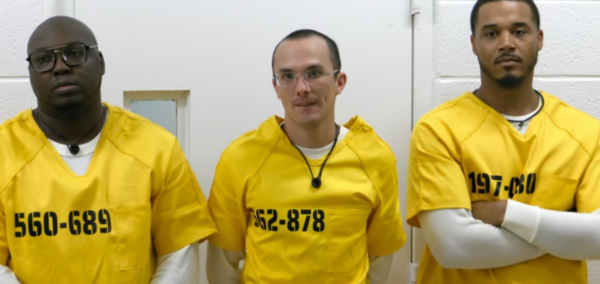
Robocams were in the prison filming the cast
Netflix has just released The New Stanford Prison Experiment, a reality TV adaptation to recreate the story of the original experiment. The Stanford Prison Experiment was a 1971 psychological study led by professor Philip Zimbardo. It tested how ordinary people responded to roles of authority and powerlessness in a simulated prison environment.
Zimbardo had 24 male college students locked in a mock prison, in the basement of the Stanford Psychology Department. The psychological test saw them paid $15 per day for their participation.
The participants were blindfolded, and a coin was flipped to determine if they would end up being a prisoner, or a guard. There were 12 of each. Prisoners had to remain silent, and were only allocated five minutes to use the bathroom. Breaches of the many rules would mean punishment. The punishment was time in “The Hole” which was a tiny room with just enough room to stand.
The experiment was set up to last two weeks, but it ended up being called off after six days. The dynamic between prisoners and guards turned violent, and there were multiple rebellions. Zimbardo’s conclusion was that power can change the human psyche.
50 years later, Netflix is recreating the test as a reality show. However, parts of it have been adapted. “If we were simply recreating the original experiment, that would be unconscionable. But this is a different time, with different participants, different safeguards and, ultimately, a very different journey,” executive producer Jane Lipsitz told Tudum.
So, what was changed for the show? Here are all the production secrets behind The New Stanford Prison Experiment on Netflix, and the differences between the series and the original.
via Netflix
The people talking part are very different
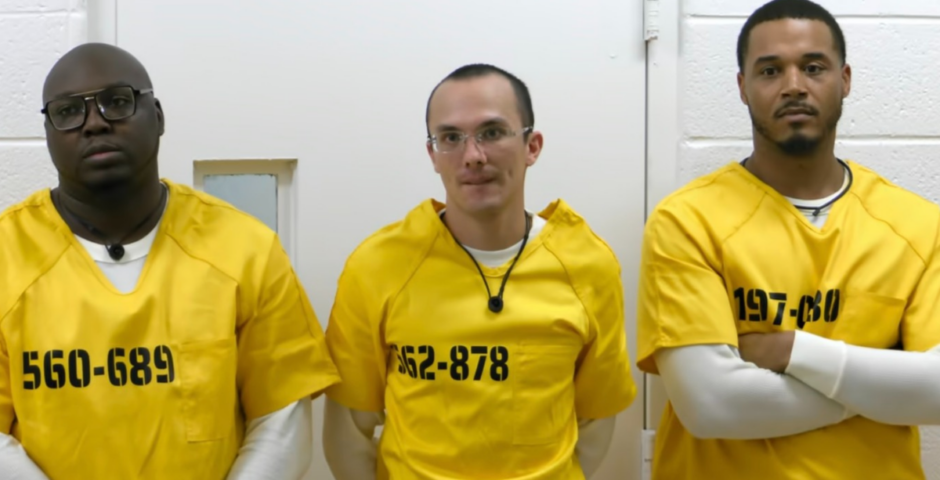
The first main difference is the number of people taking part. For the Netflix show, it was explained that “30 willing participants will enter a real prison and will be assigned as either guards or prisoners.” In the real story, 24 male college students took part.
Men and women took part in the Netflix version, with producers saying they wanted the cast to be more reflective of modern society.
Screenings took place before casting, and safety measures were put in
During the original experiment, the lack of psychological screening beforehand was one of its biggest criticisms. There was also no way of escaping.
As per Tudum, Netflix production put several boundaries in place to protect participants throughout the experiment, including psychological screenings before they entered.
“The participants all made informed decisions when signing up, and they all underwent psychological screenings prior to entering the experiment,” Lipsitz said. “Everyone had a safe word they could use to opt out at any time, and psychologists were available 24/7 for support.” Psychologists also continuously monitored the experiment, in case they were needed at any time.
The New Stanford Prison Experiment took place in a real prison
via Netflix
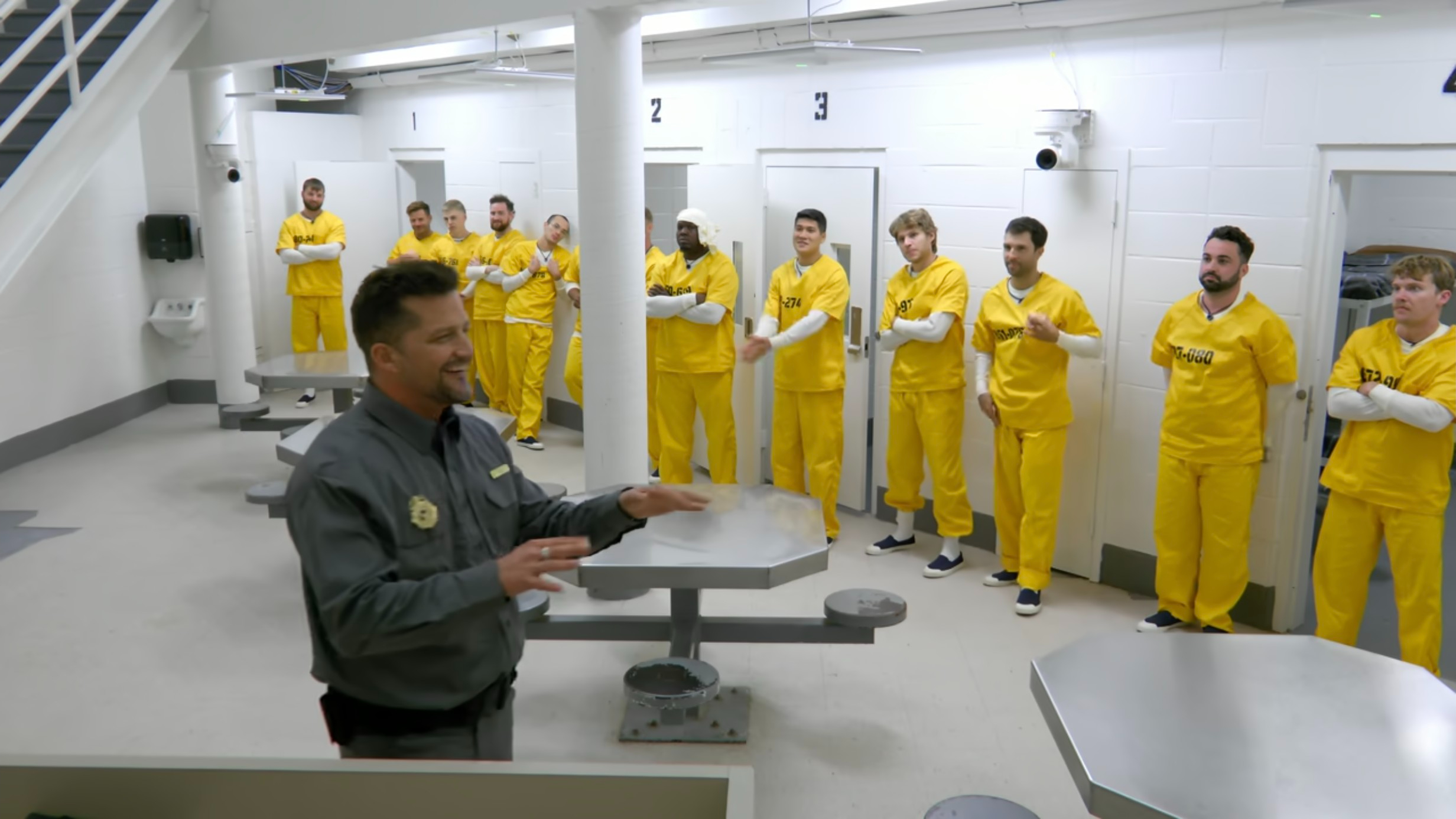
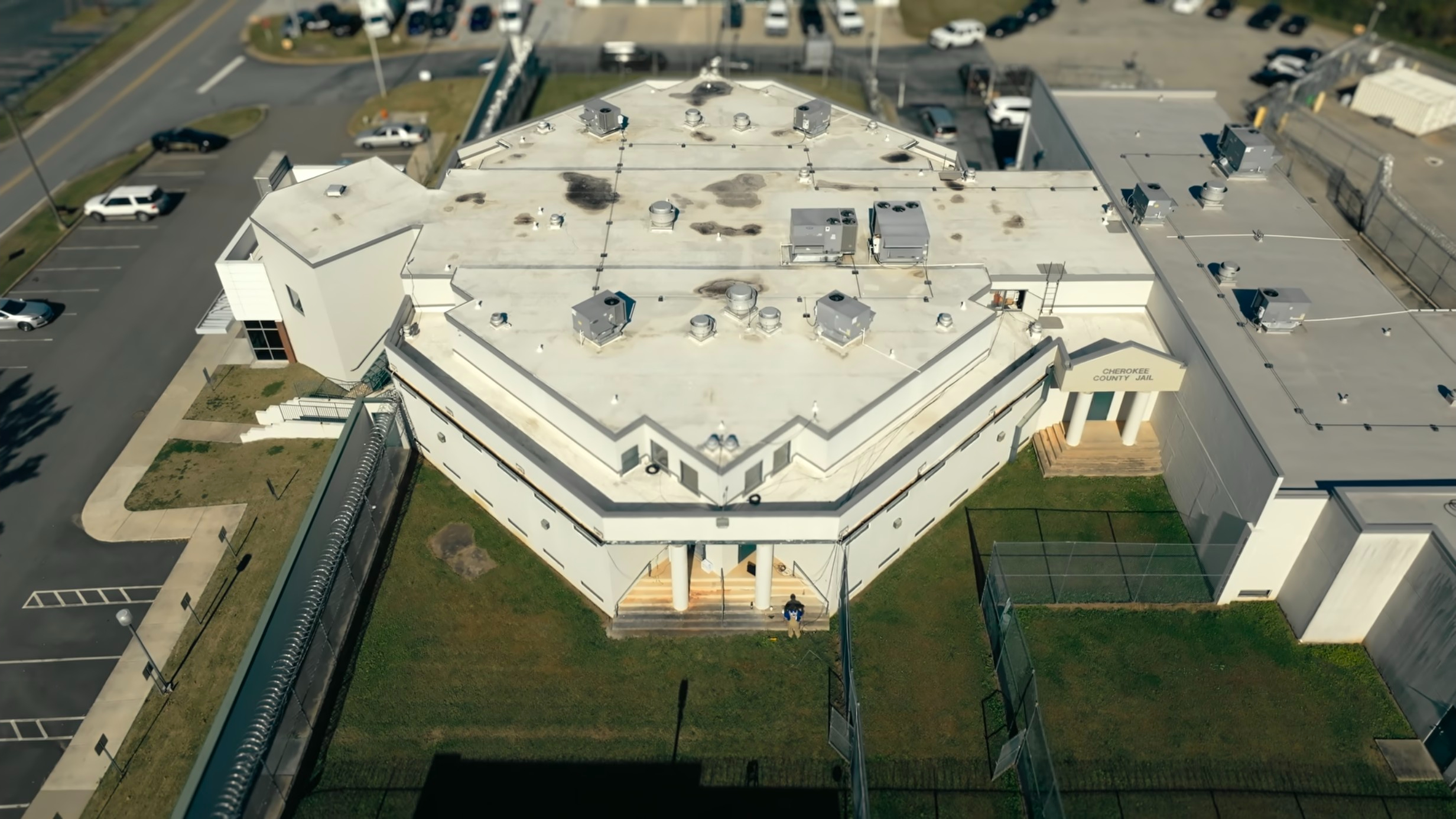
The first experiment took part in a mock prison, however Netflix has recreated it in a real one. “We felt that if we were going to revisit this experiment, we needed to make the environment feel as real as possible,” Lipsitz said.
“A real prison carries a history, an energy and a sense of confinement that you simply can’t recreate on a set. And having actual inmates there added another layer of intensity and perspective — a constant reminder that, outside the experiment, these roles and power dynamics have very real consequences.”
Robocams were used
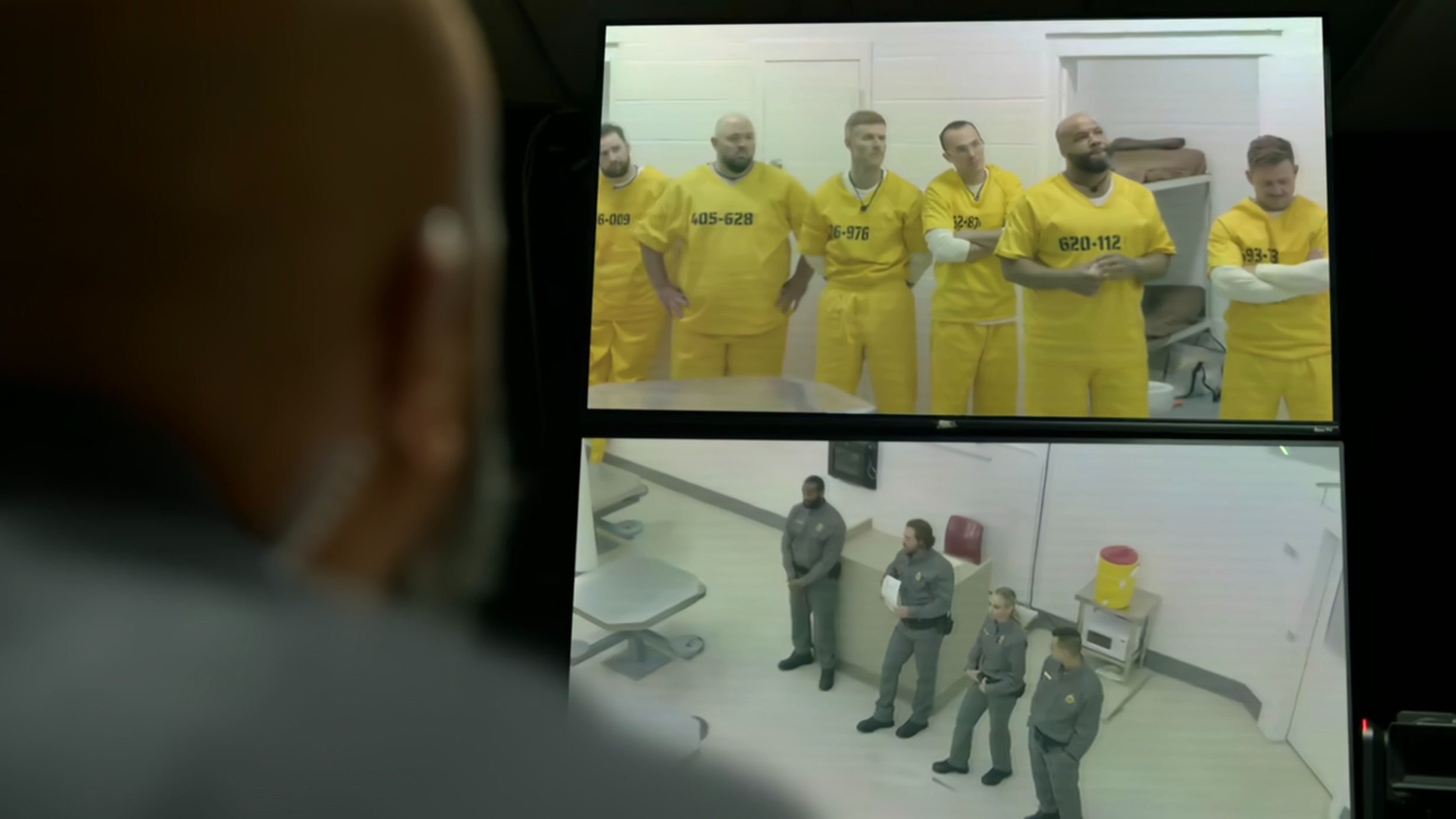
Technology has obviously moved on a lot since the ’70s, and Netflix wanted to keep production input to a minimum, so had robocams in the prison, filming the cast members. Filming was 24-hours a day, seven days a week. Interviews were also conducted in a way so that participants couldn’t see the interviewer.
via Netflix
The first experiment was real… the Netflix one has been called out as not being so
Of course, the first experiment was very, very real. However, reviews of the Netflix version have called it out as appearing to be very fake, reality TV fodder.
“Surely no one believes this insulting TV show is real?,” The Guardian said in its review of the series. “This rehash of the notorious study in which volunteers role-play as prisoners and guards pretends to be science. It isn’t – it’s patronising reality television.
“None of it is real, and nobody thinks it is. The show doesn’t create any moments where the contestants suspend their disbelief… There is no game to win, no goal to work towards and, apart from the unspoken potential reward of a media career in every reality show, no prize. There’s nothing incentivising anyone to continue. More than one participant realises this and simply walks off the show.”
Ouch.
The New Stanford Prison Experiment is available on Netflix now. For all the latest Netflix news and drops, like The Holy Church of Netflix on Facebook.
Latest
A closer look at John’s job, since he was stressing over it on Love Is Blind season 11

Sarah did not like him shouting down the phone
How Netflix production changed the real life story for New Stanford Prison Experiment reality show

Robocams were in the prison filming the cast
Three compelling clues Michaella and Rob broke up after Love Is Blind season 11
Exhibit B: Michaella’s Substack
Love Is Blind’s Aneha and Cam break down what they actually like about each other
‘He just looked completely different from what I was thinking’
A Love Is Blind participant who quit early found love with someone from the pods afterwards
Sahar and Tucker are still together now
What the Love Is Blind season 11 cast really do in their day jobs, as per their LinkedIns
It’s not hard to guess who has LinkedIn premium

The way Celebrity Traitors’ Jerry Hall decided to go all in on modelling is bizarrely iconic

Only Jerry Hall could make a painful moment a lifelong career
Traitors’ Sebastian Croft seemingly addresses secret relationship with co-star in new music
Following in Taylor Swift’s footsteps, the breakup pushed him to release his music
The huge cash payout Jerry Hall reportedly got in settlement when she divorced her billionaire ex
She also got a number of properties
Sense and Sensibility characters as different types of Newcastle students

Stay wary of any incarnation of a rugger
Lancaster University political societies release statement following alleged physical assault

The victim was reportedly taken to hospital with a shoulder dislocation
Rugby boys, soggy Greggs, and social martyrs: Things scarier than Halloween in the Toon

The looksmaxxers are probably dressed as Patrick Bateman
A message to the Leeds freshers finding university life hard

Uni is said to be the best years of your life, but it doesn’t always feel that way
Tired of the vampire fangs? Here are 10 new Halloween costume ideas for Cardiff students

Let’s actually be creative for once
Hannah Fry’s Celebrity Traitors spreadsheet updated to reveal who looks most suspicious

It shows which Faithfuls are safest

Top Selly Oak food spots for Birmingham uni students to visit while hungover

Here are the top spots to eat for those days when cooking is the last thing on your mind, and your hangover needs an instant cure
Sorry TikTok: Celebrity Traitors’ James Acaster has a secret girlfriend, and they have four cats
You know its serious when felines are involved
Halloween without the hangover: A guide to sober Halloween in Bristol

Not a fan of sticky dance floors and overpriced drinks? Bristol has plenty of ways to celebrate Halloween without stepping foot in a club.

Let Liverpool cure your autumn blues this October

5pm finishes might leave you feeling gloomy this semester, but Liverpool has everything students need to make the most of this autumn season
King Kenny sparks Celebrity Traitors winner theories after revealing alliance is ‘unstoppable’
He seemed very confident