
My experience at Durham University as an autistic woman

Autism can feel like everyone else got a manual for life – and you didn’t. University was no different. This is my Durham experience
Before we start, I want to be honest: This isn’t one of those articles in which I pretend that autism hasn’t fundamentally shaped and changed my experience, nor is it a story where everything turned out perfectly, because it hasn’t.

University has been one of the hardest experiences of my life, pushing me in ways I never imagined. It’s an experience that will stay with me for years to come. Yet, despite the struggles, university has also been a place where I’ve discovered new possibilities, formed lasting friendships, and learned that even in the most stressful times, I am not alone.

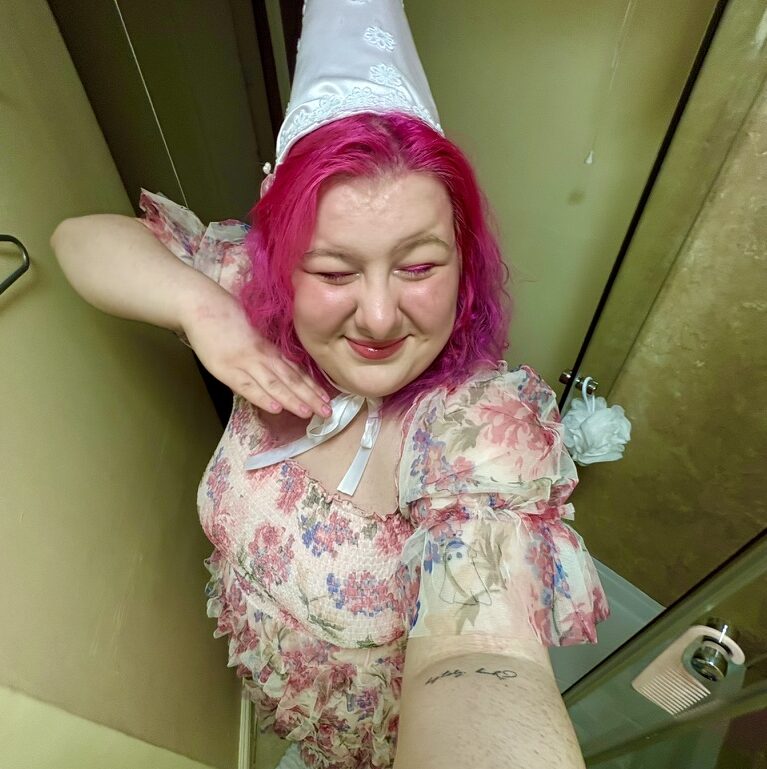
Before diving into my university experience, I think it’s important that you know a bit about me. My name is Katy, and I was diagnosed with autism at age 13. Even before my diagnosis, I always sensed that I was different. Growing up autistic often felt like everyone else had been given an instruction manual for life that I somehow missed out on, leaving me feeling out of step.
This sense of difference was reinforced throughout my childhood – whether it was adults saying, “Katy’s just being Katy,” or feeling overwhelmed at birthday parties that seemed too loud when everyone else was having fun. Moments with too much noise, too many lights, and too much happening at once left me feeling isolated.

Living with autism can be lonely. For as long as I can remember, I’ve been aware that, for lack of a better phrase, something about me seemed “wrong,” and I spent years trying to fix or hide it. But it’s not something I can change, no matter how hard I try. Autism is a spectrum, and my experience isn’t universal – even among autistic people. For me, it’s also meant living with depression, OCD, and anxiety, challenges I’m still learning to understand and manage, and will likely be learning about for the rest of my life.

Living with autism at Durham University
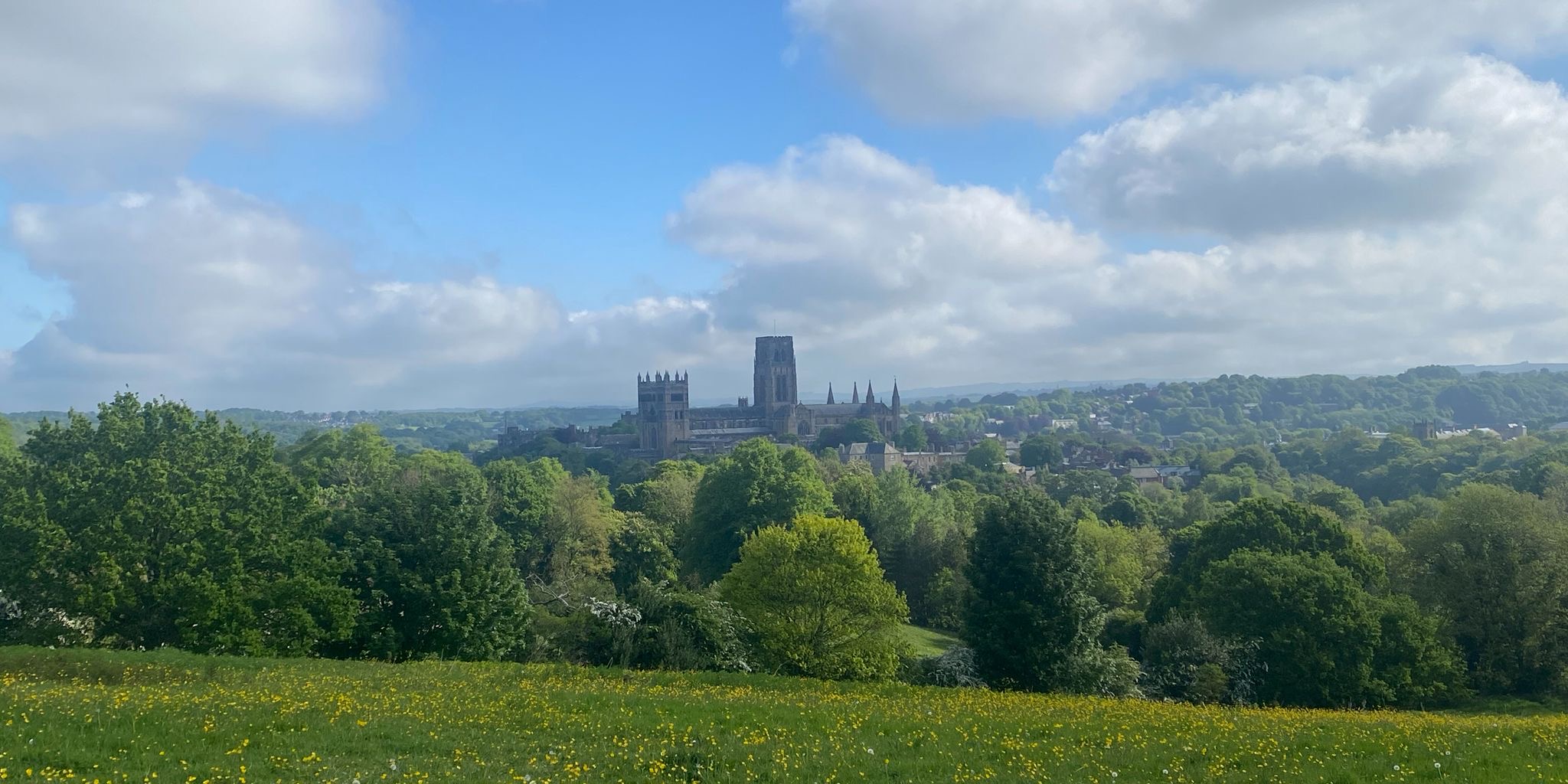
To say that education has always been difficult for me is an understatement. I never imagined I would go to university – let alone end up at Durham. Throughout my school years, my abilities were constantly questioned. I was often placed in the bottom sets because of my “difference” (as my year seven head of year put it), and I was frequently told or made to feel that I simply wasn’t good enough. I rarely felt smart; the only thing I truly knew was that I loved history. Studying it brought me comfort and happiness. For me, history was a way to search for understanding in a world that rarely made sense.
So, it was a huge shock when my college progress tutor approached me and said I was good enough not just for university, but for a Russell Group university. I knew I didn’t want to go down south because, as a Northerner, I worried I wouldn’t fit in (and, yes, I see the irony in that statement). In the end, Durham seemed like the obvious choice – and that’s how I ended up here.
My first term at Durham was a whirlwind of excitement and fear. I arrived hoping to find myself, but reality quickly became overwhelming. When my parents left, gown in hand, I felt utterly alone – my mind racing with doubts and the urge to call my mum and go home. Making friends was daunting; in the quad, I felt invisible, my northern accent and state school background making me question if I belonged. My first formal only reinforced that feeling when I was met with an eye roll and a conversation about Eton.
Those first weeks blurred together in anxiety, exhaustion, and pretending to be fine – I missed home deeply but kept it hidden, calling my mum and telling her everything was okay. Even as I made a few friends and started to feel better, homesickness and burnout lingered.

A bittersweet becoming

But university wasn’t just Freshers’ Week; there were moments of real joy – dancing at college balls, late-night conversations with my friends in the JCR, and slowly building friendships that made Durham feel like home. There was one friendship that, at times, saved me, and I now look back on it with complex feelings: This friendship wasn’t the one that saved me; it wasn’t the friend I have been looking for my whole life. It would be the friendship that would break me, but that is jumping ahead in the story. By the end of my first term, I was tired but genuinely happy for the first time in a long while, having found my place with people who truly cared about me.
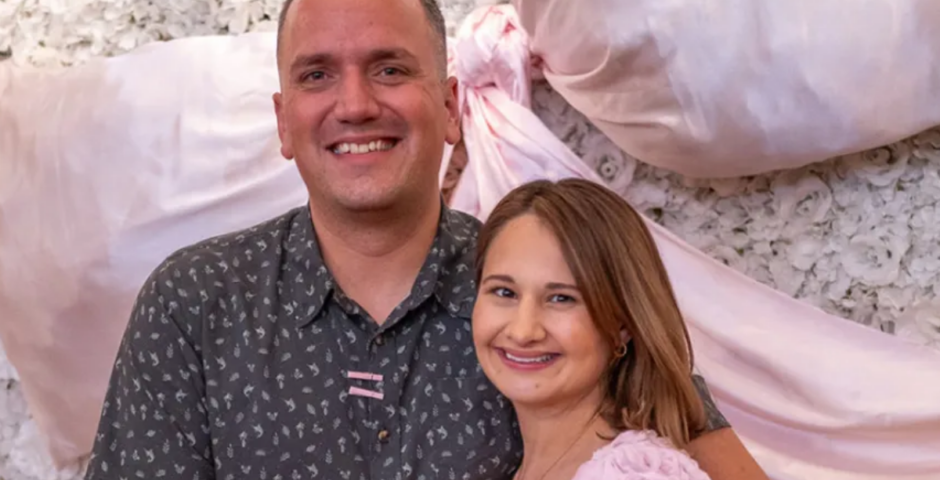
Going home for the first time was unexpectedly hard – I’d spent 10 weeks longing for home, only to return and feel out of place, suddenly too “posh” for my small village after feeling too “poor” for Durham.
When it was finally time to head back up the Bailey, I was excited, but Epiphany term hit me like a wall. I realised I hated my degree, felt lost and scared of letting everyone down, and instead of asking for help, I retreated inward – skipping lectures, ignoring assignments, and feeling like my life was falling apart.
One night, overwhelmed, I broke down to my mum, who, with my dad, dropped everything and drove three hours to be there for me, as they always have. Their quiet, unshakeable support reminded me just how much I rely on them, even when I try to act independent. They are always there, fighting for me, supporting and accepting me (even when I couldn’t accept myself), and, most importantly, catching me when I fall, which has happened many times.
With their encouragement, I finally reached out to my college support officer, who told me – honestly and kindly – that I wasn’t happy, and that it was okay to change direction. For the first time, I considered switching to history, the subject I really loved. By the end of the term, I had a plan, new roles on college committees, and, despite ongoing friendship struggles, a sense of hope and acceptance I hadn’t felt before.
The break between Epiphany and Easter term was a time of uncertainty and transition: My application to switch from archaeology and anthropology to history was in motion, and thanks to my college support officer, I didn’t have to sit exams. Still, returning to Durham with nothing to do felt isolating – I was lonely, cut off from people, and stung by comments about how “lucky” I was to skip exams when, in reality, I felt like a failure finishing my first year with nothing to show for it academically. I was also dealing with the judgment of others, people who thought they understood what I’d been through, and the strange prospect of coming back to Durham as a first year again and being one of the only people in my friendship group to live in college for a second year.
Despite this, when I look back, I see that I pushed myself in ways I never thought possible: moving away from home, learning to ask for help, not staying in a degree just because it was expected of me, and throwing myself into college life and friendships. Leaving Durham at the end of the year felt bittersweet – I had so much love for the university and a sense that I’d finally found myself, even though I still struggled with feeling like it wasn’t enough, and maybe never would be.
When second year arrived and I became a history student, I felt genuinely hopeful for the first time in a while. I started the year as a Frep and college photographer, but the pressure was intense – I was painfully aware that this year group I was currently frepping would be the year group I graduated with, after all my friends left, and that scared me. Frepping was exhausting, with days running from 7am to 2am, and I was desperate to make a good impression while feeling a bit like a lost child again.
Yet, some of the freshers I met became close friends, people who now make me smile in the hallways and check in when I’m struggling. Living in college when most friends lived out was hard, but it also meant growing closer to Emma, a friend who has genuinely saved me during dark times. Emma is the friend I always hoped to find, and I know I’ll be grateful for her for the rest of my life. By the end of that first term of second year, I finally felt like I belonged at Durham and was living the university experience I’d always dreamed of.

Epiphanies in Epiphany term

And then, like the devil she is, Epiphany term arrived and marked the darkest chapter of my life. Everything I’d worked so hard to build over the past year didn’t slowly crumble and then collapse all at once, triggered by a single night out – one of those moments where you don’t even fully understand what happened, but it changes everything. I learned the hard way that other people’s choices can shape and sometimes break you, and the aftermath shattered not only my university experience but also my relationship with others and myself. Suddenly, I felt completely alone, as if I were drowning while everyone else looked on from the safety of a lifeboat.
There was one friend who became my only light in those darkest moments – someone I don’t thank enough, but whose presence truly kept me afloat. The loss of a friendship I thought would last forever. As if that wasn’t enough, I ran (unsuccessfully) for college JCR exec and felt even more rejected, losing the sense of identity I’d built and feeling cast out from college. My depression deepened to a level I’d never experienced – life felt hollow, like it was happening to me, not something I was living. Academic struggles piled on as I received the worst feedback I’d ever had, making me question if the subject I’d loved since childhood was even right for me. There are whole stretches of that term I can’t remember and never want to – just a blur of pain, exhaustion, and trying to piece myself back together while my family worried on the sidelines. What I do remember is how deeply hard and impossible everything felt.
I wish I could say returning for Easter term made everything beautiful again, but that’s not how life works. I was still lying to myself – and everyone else – about how unwell I was, dodging questions and hiding the reality that my grades were suffering, my summatives done in a blur of depression. I convinced myself a 2:2 wasn’t good enough, so I pushed even harder, developing unhealthy coping mechanisms like severe insomnia, all for the sake of passing.
Deep down, I felt like if I didn’t pass, it was all over – and maybe, in some ways, I wanted it to be. Then, just before my stretch of three consecutive 24-hour exams, my dog died – Lilly, who had been my only friend at times. My parents, as always, dropped everything to come support me, and honestly, they deserve to share my degree for getting me through. I don’t say it enough, but thank you. Those exams, with grief weighing on me, left me feeling empty and isolated.
I finished my first year while technically in my second, with only one friend left and feeling hated and alone in college. The friends who had disappeared because of someone else’s actions, and sitting at the summer ball with them was a special kind of pain. After a few too many glasses of wine, I finally asked, “Why didn’t anyone check in on me?” – and got told: “We didn’t think it was that deep. You seemed fine.” That was the moment I realised these were friends of convenience, and that hurt in ways I didn’t know how to handle. I carried on, numb and messy, until results day, when my dad came to help pack my things. At 11am, I logged in and saw I’d not only passed but done well – ending up with a 2:1. I burst into tears, unsure if it was relief or dread about returning to Durham.
My college principal surprised me with unexpected kindness. When I broke down to her, ashamed and terrified, she told me it was okay to struggle, that things would be okay – and for the first time in ages, I believed it. After that, there were hard conversations with college and department, and there was a real possibility I wouldn’t come back. I remember leaving for summer, half-hating myself for being happy to get away.
Honestly, I spent the summer grieving the university experience I thought I’d have, stumbling through a bit of self-discovery – including a regrettable decision to dye my hair blue. That time was about finding small ways to heal, leaning on my family for comfort, especially my mum, who was always there when I needed to talk at 1am or just escape for a while. My days became filled with laughter and, for the first time in ages, genuine happiness.
Visiting Emma over the holidays made me realise I didn’t need a thousand friends – gossiping with her in her childhood bedroom meant more than any big crowd. Over the summer, I was finally diagnosed with ADHD after waiting so long, and suddenly, things started to make sense. I’m still learning what that means for me, but it brought a sense of relief and hope that maybe things would be okay. When September came, and my department needed a decision about returning, it took more tough conversations with my parents, but I chose to come back – and I am so grateful I did.

Coming back this year, I was terrified but determined to push myself beyond the familiar boundaries of college life – and I’m so glad I did, or you wouldn’t be reading this now. Attending The Durham Tab open meeting on the very first day was daunting to me and when I was about to leave I somehow got dragged into a conversation with Josie about whether I was northern, followed by meeting Fin and Seamus, and the making of a group chat in the Jimmy’s smoking area, led me to the people who make me feel safe, loved, and truly accepted.

Joining groups like The Tab gave me not only healing friendships but also a new passion for writing I never expected to find. There are still many wonderful, kind people in college – I might send too many heated rivalry edits, or act like a mother to the freshers – but I’ve always felt college was a complex place for me, somewhere I loved more than it loved me back.

Taking the risk to build a life outside that world has been genuinely life-saving, giving me the community and sense of belonging I’d been searching for. College is a place I’ll always love and be grateful for, but it’s also full of painful reminders – a place where I often feel like an outsider looking in. No matter how hard I try, or how kind people are (and many truly are), I can’t shake the feeling that I don’t quite belong and maybe never will. It’s difficult to be surrounded by memories of those who broke me, seeing people I was once closest to go out of their way to leave me out, yet still pretend everything is fine. College is complicated: Both a source of growth and joy, and a place that has made me feel invisible and unworthy at times.

It’s not perfect, but it’s home

Michaelmas was a healing term, filled with both new friendships and a renewed appreciation for the old connections I care about deeply. Epiphany term has brought its own challenges, including a medical scare or two, but now I’m surrounded by friendships that support me, not silence or shame me – people who genuinely hold me up, sometimes in ways they don’t even realise.
Living with autism and attending a place like Durham has been one of the most challenging and heartbreaking experiences of my life, but it’s taught me – often painfully – that I need to stop searching for acceptance in places I’ll never truly find it. There are still days I feel like that fresher who arrived in 2023, full of hope and uncertainty, and sometimes I wish I could tell her to trust her instincts, or simply hug her and say that, yes, it’s going to be hard, but there will be people who make you feel deeply loved and accepted. Even though there will be pain, you will be okay. It’s not perfect, but it’s home.

For more of the latest news, guides, gossip, and memes, follow The Durham Tab on InstagramTikTok, and Facebook.