

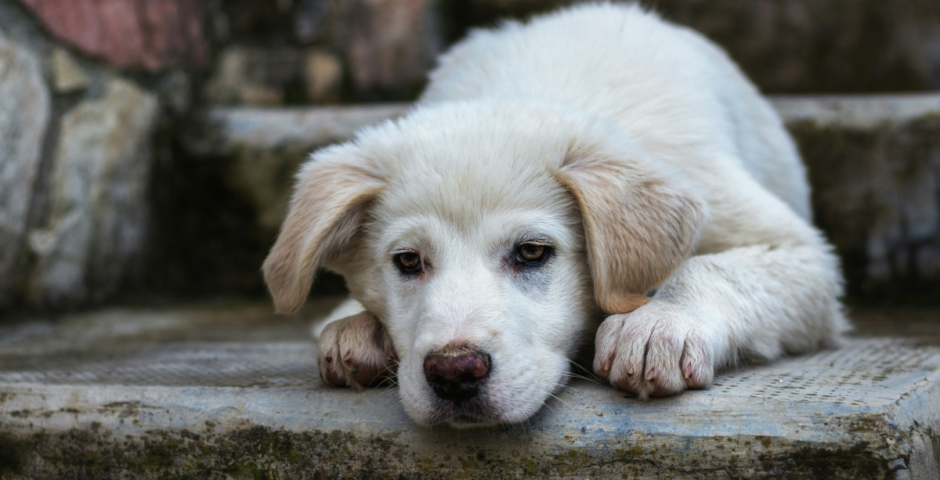
Nottingham Trent study suggests dog owners are missing these signs their pet is in pain
Here are the clues you never knew you had to look out for

Nottingham Trent University has conducted a study to test whether dog owners could easily identify signs of pain in their pets.
The results revealed that many were unable to spot the more subtle signs with participants able to recognise basic animal emotions, such as happiness and fear. However, they struggled to identity more complex emotions like anxiety and frustration.
Jacqueline Boyd, Senior Lecturer of Animal Science at Nottingham Trent, said: “It is easy to assume that an animal in pain will make some noise about it and show obvious physical sings. This might be the case if they are in acute pain as the result of sever injury for example. However, animals often disguise pain as a survival mechanism, and many signs of pain show only as subtle changes in behaviour”
She explained people are able to recognise basic animal emotional states like anger or fear through facial and body expressions, but struggle to link the questions to more complex emotional states.
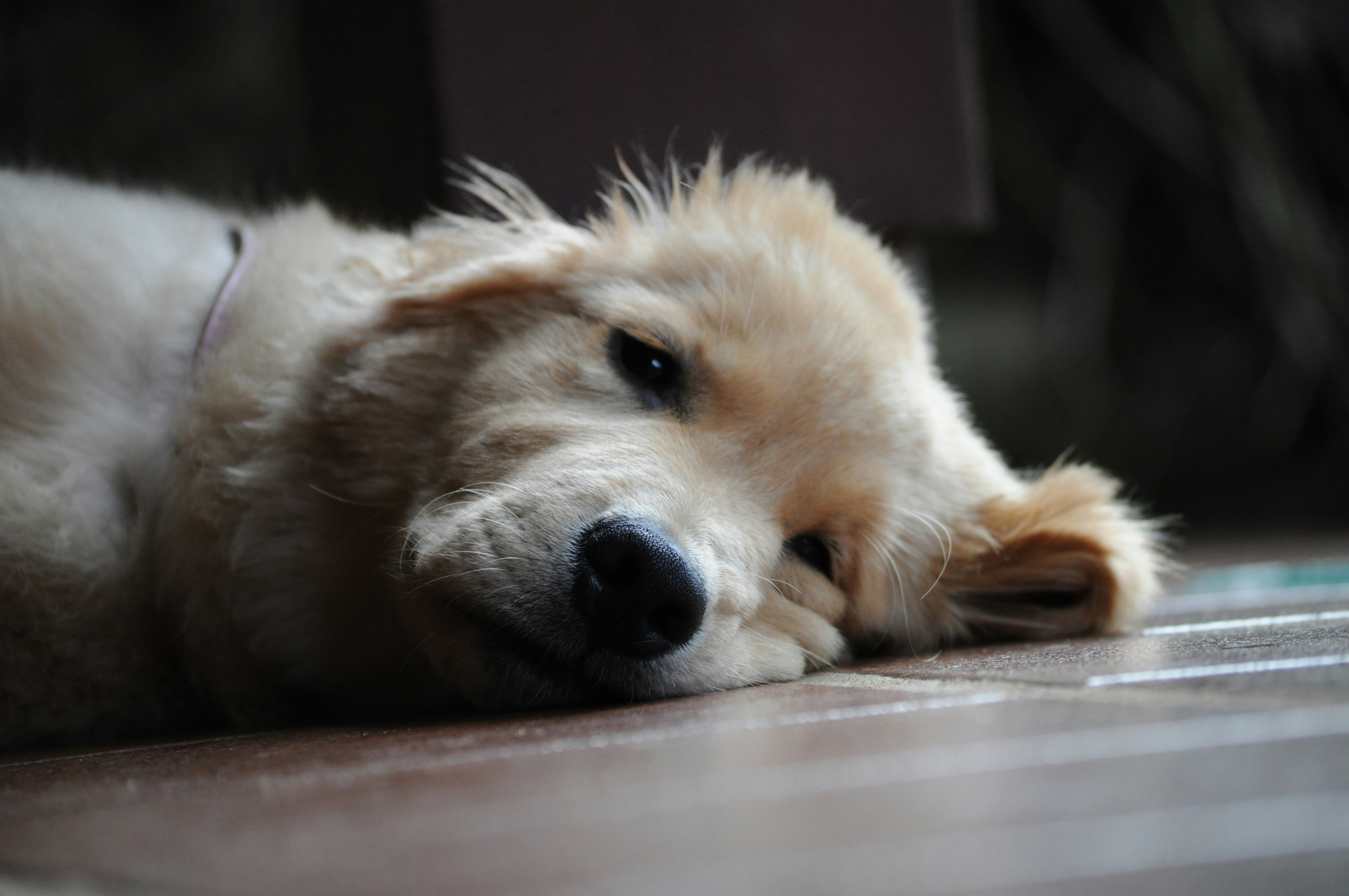
via Unsplash
During the study, participants completed two tasks. For one, they were asked to rank 17 types of dog behaviour on how likely it was that they indicate pain. Unknown to participants, all 17 indicated pain.
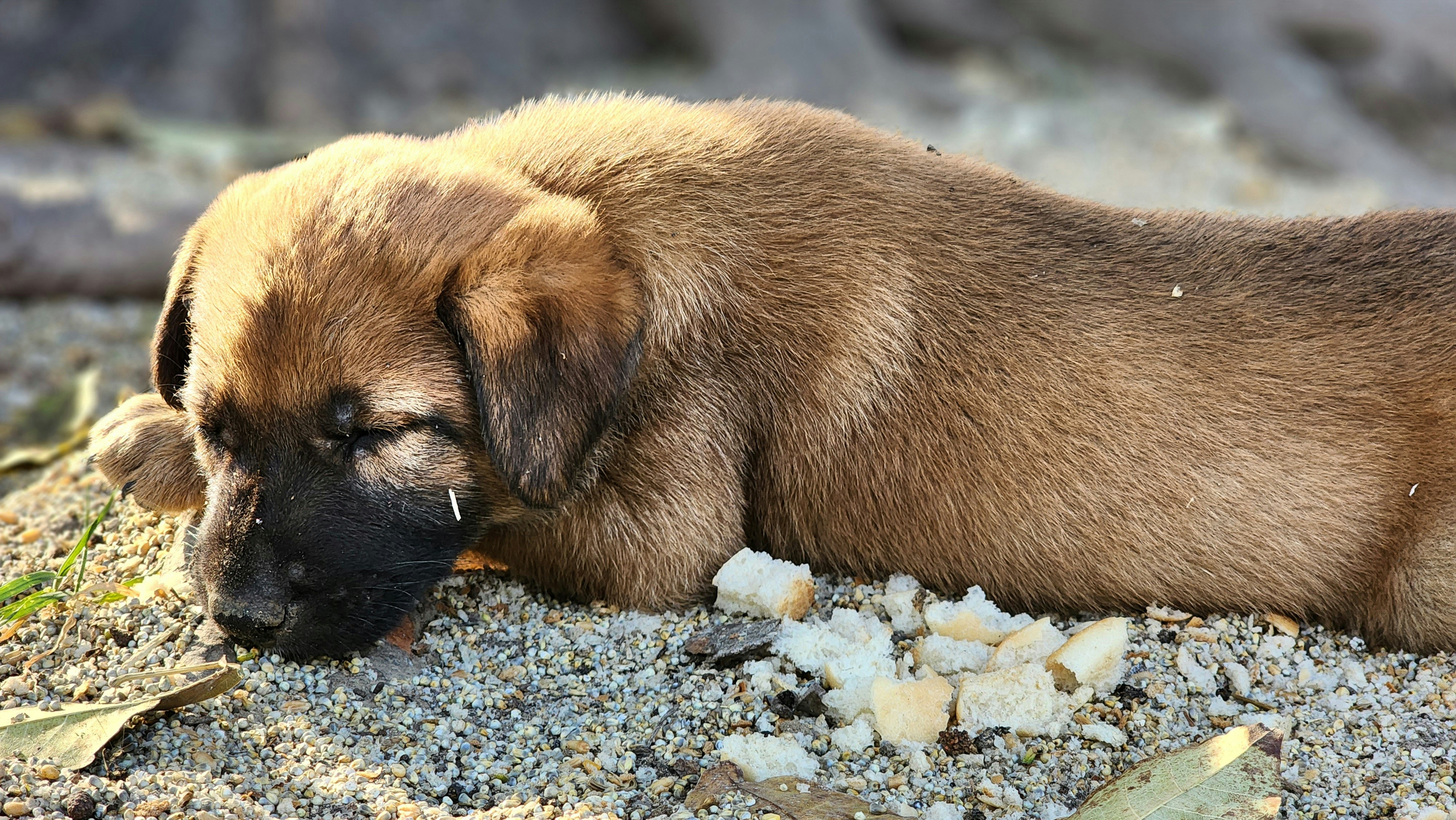
The more obvious changes in behaviour were spotted, such as paw lifting, but the less obvious ones went unnoticed. Significantly, those without dogs better at spotting lesser known signs.
Jacqueline said, “Participants were good at recognising these prominent behaviour changes were linked with pain. However, they didn’t realise more subtle indicators such as yawning, lip and nose licking and changes in facial expression including looking away and increased blinking. These are all warning that a dog may be suffering.
“Notably, participants without dogs were actually more likely to recognise that freezing or turning the head or body away are associate with pain than dog owners. This suggests that dog owners may become complacent in their observations of their dog’s behaviour.”
via Unsplash
Participants were also asked to access the relevance of pain in three written canine behaviour tests, but were not told that two were suffering from painful conditions, one obvious, the other more subtle. The third case was not linked to a painful condition.
In April, PLOS One identified 17 signs that your pup is in pain, so owners can be on the lookout. This included 14 subtle signs such as changes in personality, fluctuating mood and reduced play, and more obvious signs, such as hesitant paw lifting and changes in movement.
For more of the latest news, guides, gossip and memes, follow The Nottingham Tab on Instagram, TikTok and Facebook.
Featured image via Unsplash



Latest
Lancaster city centre record store and coffee shop announces its closure

The business owners are ‘passionate about the local music scene’

The Celebrity Traitors rich list: The most loaded celebs to appear on the show, across both series

Some of them probs live in castles already

Yes Celebrity Traitor Richard E Grant is kooky, but the range of his roles already proved that

Turns out I’ve been watching Richard for years and didn’t realise it
The chunky net worths of the Celebrity Traitors’ actors, ranked from not bad to obscenely rich
I will happily accept their appearance fees
Richard E Grant doesn’t drink on Celebrity Traitors, because his body can’t process alcohol

It’s such a rogue fact

A psychologist breaks down how celebrity Traitors could win by exploiting ‘cognitive biases’

Traitors could use confirmation bias to their advantage

We gave Liverpool uni accommodations dating profiles and they’re painfully accurate

Ride the 699 for me?
Infamous Secret Traitor Fiona warns of how the Celebrity Traitors may take each other down
Fiona believes Maya Jama ‘needs to be careful’
Chris Watts’ parents share letter he wrote to his wife and kids that he wants read at their graves
‘There’s so much I wish I could say, and make up for what I did to our family’

Goodbye tan lines, hello deadlines: why the next few months feel so overwhelming

From a very happy (but very stressed) third year

Lancaster and Lancashire universities briefed weapons manufacturer on student protests

An investigation headed by Liberty Investigates and Al Jazeera has uncovered ‘troubling patterns’ of correspondence between BAE systems and 13 UK universities

11 arrests made as student pro-Palestine march clashes with counter-protestors near UCL

The Met had urged the activists to move their march to another date
The ultimate Newcastle burnout guide: 10 spots to find absolute peace

A night out in Bigg Market is probably not the solution

James Blunt confirms odd Celebrity Traitors plan is the reason he said Hannah was a Traitor
Some have argued his confirmation breaks the rules
University of Worcester student who murdered 24-year-old ‘tried to blame’ her for her death
Benjamin William Day then pled guilty to killing her in an Airbnb

£800k appeal launched to save historic Lancaster Cathedral spire from collapse
The Save Our Spire campaign has been launched after serious deterioration has been identified in the 240 ft spire

Jasmine has just done her first brand deal after Love Island, and it’s divided people
‘The demand just isn’t there’
Ah, the backlash involving Celebrity Traitors’ Sebastian Croft and JK Rowling has resurfaced
He posted a lengthy response at the time

Texas carries out lethal injection despite legal concerns being raised after Christa Pike’s case
His legal team argued that it should be delayed

‘This week has been a blur’: The family of Christa Pike have spoken out for the first time
They say she ‘completed’ her execution and should now be spared