

Birmingham is officially the worst UK city for ‘dodgy shops’ covering organised crime
In some areas, half of all convenience and vape stores are thought to have illegal ties

A new report has named Birmingham as the worst-affected city in Britain for the spread of so-called “dodgy shops” acting as fronts for organised crime.
The findings, compiled by the Chartered Trading Standards Institute (CTSI), place Birmingham firmly at the top of a national “heat map” of concern. This is a stark illustration, campaigners say, of how unchecked illicit activity is embedding itself in working communities.
Trading standards chiefs warned the scale of the issue now constitutes a “national threat to our economy and society,” pointing to criminal networks operating behind seemingly legitimate shopfronts.
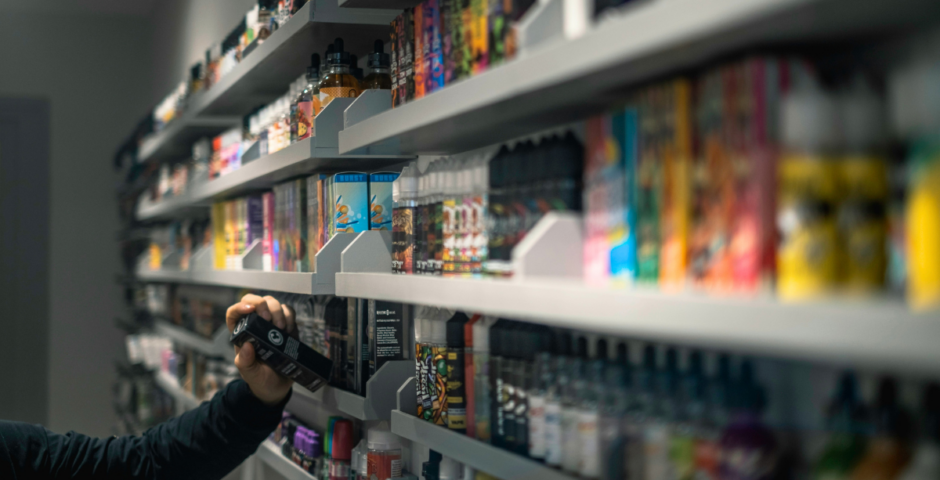
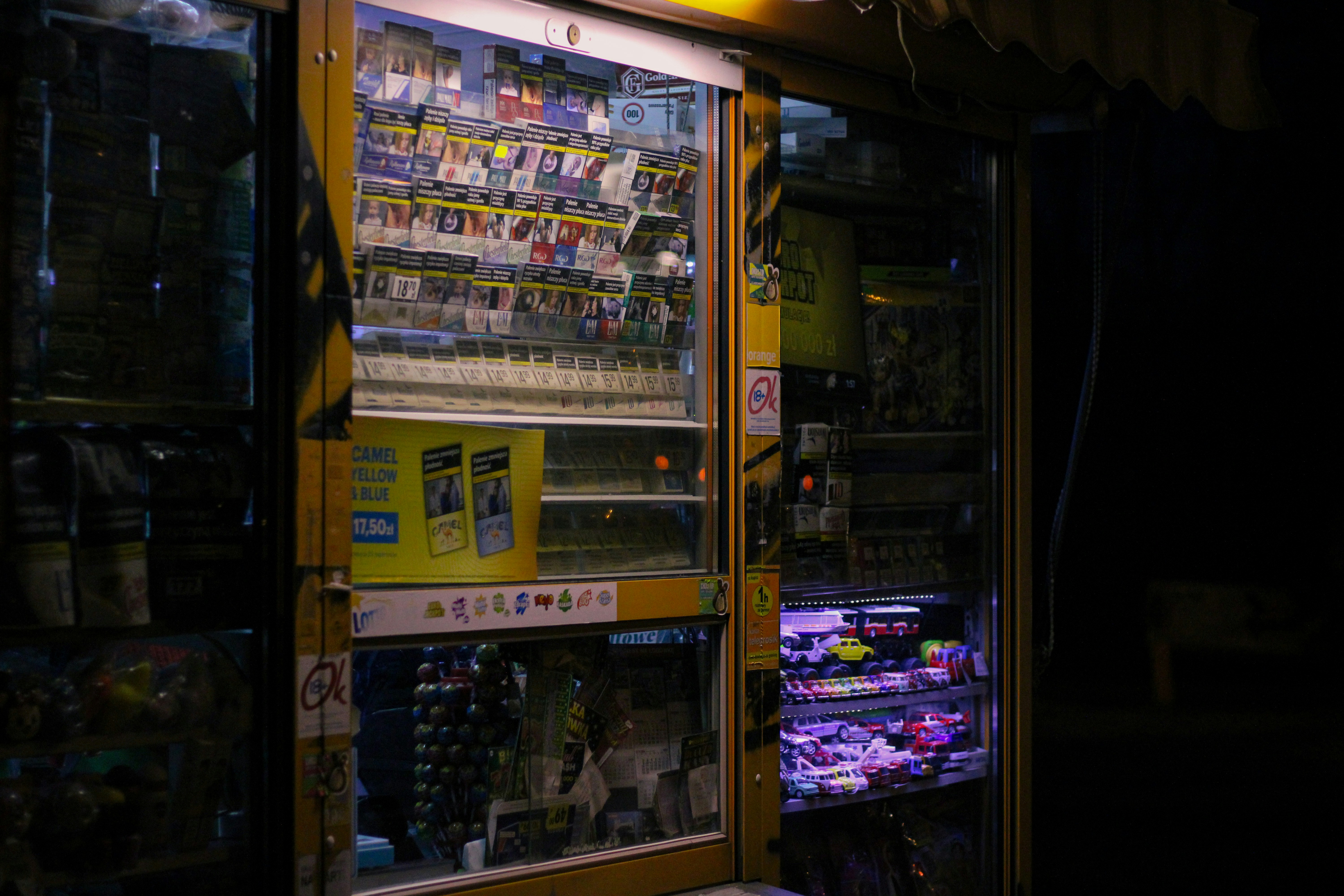
In some areas, as many as half of all convenience stores and vape retailers were estimated to have links with organised crime. Up to a third of American candy stores and one in four fast food takeaways in specific areas were suspected of being a front for criminal activity, the organisation’s Hidden In Plain Sight report said.
via Unsplash
A football analysis-style “heat map” drawn from frontline intelligence provided by trading standards officers recorded 81 separate references to Birmingham last year alone.
The CTSI said the city centre was by far the worst area, although there were also repeated concerns flagged in surrounding communities, including Aston and Edgbaston, as well as nearby Black Country areas such as Smethwick and Cradley Heath.
For those tasked with confronting the problem, the risks are not abstract. Almost three-quarters (72 per cent) of trading standards professionals reported experiencing intimidatory behaviour or had been threatened with violence in the course of their duties, a reflection of the dangerous forces operating behind these businesses.
Trading Standards warned budget cuts coupled with resource “challenges” for other key enforcement agencies including police had coincided with the rapid spread of dodgy shops across the UK, as well as complex criminal networks that underpinned them.
Dodgy shops had a “profound impact” on the safety of the public and the viability of the legitimate businesses around them, while putting the health of consumers, including children, at risk.
These shops often brought with them associated crime including anti-social behaviour, theft and violent crime, drug supply, modern slavery, and child sexual exploitation, a web of exploitation that campaigners say cannot be tackled without serious public investment.

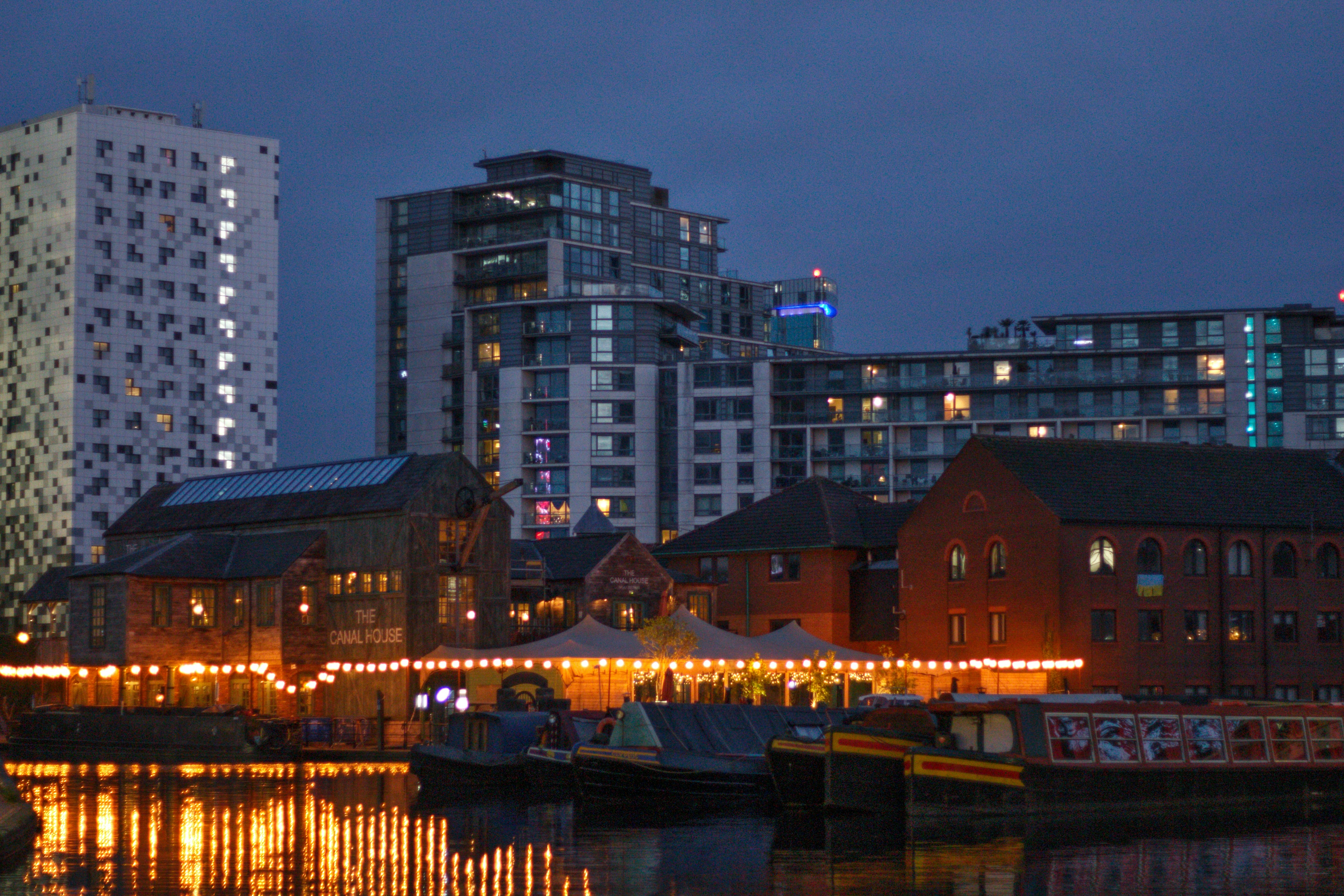
Birmingham, via Unsplash
John Herriman, Chief Executive of the CTSI, said: “It is clear from this research that serious and organised crime is endemic across the UK, and the threat posed by illegitimate high street businesses is having a significant impact on the work of Trading Standards, and our ability to protect consumers and maintain the level playing field for legitimate business.”
Echoing these concerns, the Association of Convenience Stores warned that legitimate retailers are being undercut and undermined.
Association of Convenience Stores Chief Executive, Ed Woodall, said: “Responsible convenience retailers are extremely frustrated with rogue traders operating with impunity in their local area.
“We have consistently called for trading standards to be given the resources they need to tackle the dangerous and growing illicit market blighting communities across the UK.
“Tens of millions of pounds need to be invested in local enforcement capacity to shut down these rogue traders and support the responsible retailers that are suffering as a result.”
As a whole, the report underscores a growing crisis on Britain’s high streets, one that, without decisive intervention, risks further entrenching organised crime in everyday community life.
Birmingham City Council has been contacted for comment.
For more of the latest news, guides, gossip, and memes, follow The Birmingham Tab on Instagram, TikTok, and Facebook.
Featured image via Unsplash

Latest

More than two tonnes of plastic pellets may remain in the Tyne, researchers warn

A collision in July released around 17 tonnes of nurdles

Jax speaks out after toe-curling Love Is Blind reveal, and shares why she *really* ghosted Stew

She claims it had nothing to do with his appearance

A full record of how The Celebrity Traitors S2 cast voted at each Round Table session

Yup, we’re keeping track of all the stats

The Celebrity Traitors comedians whose fortunes are no laughing matter, from £1m to £6.5m

The fact Miranda isn’t the highest is criminal

Celebrity Traitors’ King Kenny was arrested after filming a prank on his university campus

He has a wild backstory from his YouTube career
Is this the downfall of Turnitin? Here’s what you need to know

Turnitin’s system is changing and students’ data could be used to train tools which use Artificial Intelligence

Fewer apps, more life: My experience at the launch of the social SuperApp ZYMIX

Inside the launch of the SuperApp that wants to clear out your home screen
The question we’re all thinking about: What exactly is happening with the library?

Everything you need to know about the JB Morrell Library refurbishment
Plans submitted to council for new research facility at York University

University of York’s Campus West could see a new research building after plans submitted to York Council

Wait, why was Barack Obama in Manchester city centre?

The former US President was spotted outside a hotel before speaking at Co-op Live

The Celebrity Traitors producers are already eyeing up big names for season three’s cast
Stephen Lambert wants Tom Cruise and ‘a big sports star’

Hannah Fry has crunched the numbers, and spotted a suspicious Celebrity Traitors voting pattern
It could be bad news for the Traitors

Former Lancaster University professor John Whitehead dies aged 76

John was a lecturer of mathematics and statistics
How to avoid the struggles that come with a part-time job at a Bristol university

After all, we do live in on of the most expensive cities in the UK.

All the public scandals The Celebrity Traitors cast have been in, from arrests to racist tweets
They’re not as wholesome as people think
Newcastle and Northumbria universities join forces for new Student Health Hub

Students of both unis can access the mental health service on Friday mornings

The net worths of the American Horror Story 13 cast prove who desperately needed that pay cheque
A $50 million net worth with two minutes of screentime? Nice

Three UK universities announced language course closures in 2026 – including Edinburgh
The University of Edinburgh is scrapping 90 programmes

‘She is phenomenal’: Traitor Hannah Fry has realised that she’s related to her co-star
‘I cannot tell you how much I admire her’

From Crawford to Turing: the stories behind UoM’s building names

You’ve walked past them loads, but how many names do you truly know?