


Aston University drives action to protect women from online abuse
It’s helping to expose hidden abuse in the darkest corners of the internet

The dark web is a concealed part of the internet which has become a growing space where women face targeted abuse. The number of people using it daily is more than you can imagine- with over 3 million people accessing it at the end of March 2025.
There has never been a more important time to combat abuse online than now. The study that helped kick this project into action showed there were nearly 70,000 incidents of abuse facilitated by technology between 2021 and 2024. Although men are also affected by online abuse, women aged 16 to 34 are the most targeted group. Shockingly many under 16s are also being affected.
With the scale of dark web use continuing to rise, Aston University has stepped in with tech company, Forensic Pathways, to create the CyberDiva (Dark Web Investigation of Violence and Abuse).
Among the tools created is one to help adults decode emojis. This will show adults how emojis can be used to hide abusive and inappropriate messages behind humour. These tools have been developed using the Forensic Pathways’ database of dark web intelligence to identify emerging threats and patterns of abuse.

via Unsplash
Leader of the project, Dr Anithan Chinnaswamy, said: “We wanted to develop resources that would help not only young women and girls, but parents with confidence to help their child navigate the world.”
She added, at the heart of it is “listening to the experiences of those affected by these issues”.
The fact that under-16s are affected by online abuse proves that, while children need to learn how to use the internet safely, adults must also be educated to recognise and address abuse early.
The tools in CyberDiva will help adults navigate an increasingly complex and dangerous digital world.

It gained support from two specific individuals who have experienced online abuse, including Aston University alum and broadcaster, Harkirat Kaur Assi.
Harkirat was targeted alongside others by her own cousin in 2009. The harassment she endured included coercive control, catfishing, identity theft, and other forms of abuse.
Researcher Nina Jane Patel, also from Aston University, supports the project.
She explained that, while playing on a virtual reality game, she was “sexually harassed” “in a verbal sense” and then “surrounded by three to four male-sounding and male representing avatars” who “sexually assaulted (her) avatar”.
But Patel quoted – “it’s not just a game.”
Online abuse extends outside the internet. Dr Anithan Chinnaswamy said: “It pours over into your physical world, into emotional and sentimental spaces. Into how you look at yourself and how you are in society.”
As efforts like this one led by Aston University continue to evolve, they offer a vital step towards creating safer online spaces for women everywhere.
For more of the latest news, guides, gossip, and memes, follow The Birmingham Tab on Instagram, TikTok, and Facebook.
Featured image via Google Maps



Latest

Love Is Blind’s Cam didn’t ‘do great’ when Aneha critiqued his looks at their engagement

He thought, ‘Wow, does she hate me?’
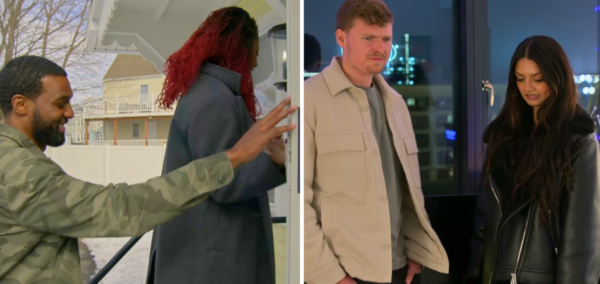
Lots of the Love Is Blind S11 cast aren’t from Boston – here’s how far apart the couples live
Blake and Erika live in different states

Miranda Hart’s painful reality with illness as Celebrity Traitors marks her iconic return to TV

For years, she was told it was just stress
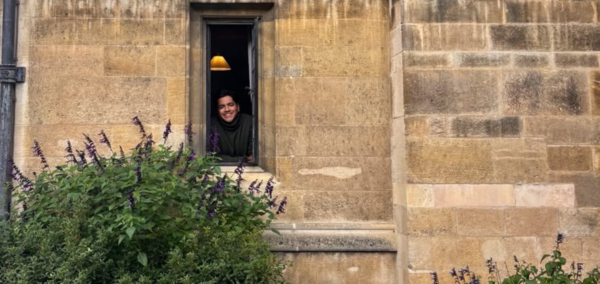
Interview: Alexander Newman, outgoing Editor-in-Chief

From an unpublished study of Italian seduction to the top of the masthead in record time: the outgoing Editor-in-Chief on manifestation, media barons and why first years should be kept well away from microphones

The flatmate red flags Leeds students need to watch out for (and how to avoid them)

Don’t trust your flatmate? Here’s how to fix that

Newcastle food hot spots worth spending your maintenance loan on

If you’re going to splurge, splurge at these spots x

Top tips for securing the perfect student house in Birmingham

It’s like Escape to the Country, except we’re in Selly and there’s not a blade of grass in sight x

‘Everyone needs to fart’: Bristol bus driver loses tribunal claim after ‘significant flatulence’ incident

A Bristol bus driver has lost her tribunal claim after being dismissed on probation, with the judge ruling there was no discrimination or harassment


Traitor Maya Jama outed herself at breakfast, and we (and the Faithfuls) didn’t catch it
Gotta love a classic Freudian slip

Bristol road closed off after bomb squad called to neutralise suspicious item

Bomb experts have been called to Park Street after a suspicious package was left unattended

Stew’s workplace shares hilarious videos poking fun at his time on Love Is Blind

Posted on the actual work account

Here are all the famous people you didn’t know went to university in Leeds

All five major Leeds universities have some pretty famous alumni

Want to live your Strictly dreams? Here are the best places to dance in Cardiff

Cardiff, its time to get your dancing shoes on and cha-cha-cha your way into the night

Ed Gamble has defended Celebrity Traitors’ James Acaster, after he ‘sabotaged’ challenge

‘He just wants everyone to be okay’

What Does Your Favourite Pres Game Say About You?

Your go-to pres game is basically a personality test…
H3 Podcast crew shares statement as Ethan Klein’s wife publicly accuses him of ‘nightmare’ affair
His own crew has cut ties with him

James Acaster is being called out for his bizarre behaviour during Celebrity Traitors mission
He’s taking the phrase ‘playing it safe’ too literally

Christa Pike’s team say IV site might have ‘blown’ during failed lethal injection in detailed update
They have finally explained exactly what happened
Second clip of comedian’s rape ‘joke’ resurfaces from five months before his apology
‘There are some clips coming out from that that could be a problem’