Here’s what Louis Theroux’s doc failed to show about the manosphere, as per uni academics
Experts complained the influencers seemed too glamorous
The new Netflix documentary Louis Theroux: Inside the Manosphere has been a ratings hit. However, some university academics who specialise in the manosphere have called out parts of the doc. Here are the biggest things the Louis Theroux doc failed to teach us about the manosphere, according to uni academics.
The influencers seemed to glamorous, according to one expert
A lecturer at Anglia Ruskin University called out Louis Theroux‘s documentary for making the manosphere influencers seem too glamorous.
Annabel Hoare, a PhD Candidate in Gender-Based Political Violence wrote Louis Theroux’s doc was a “superficial spectacle”.
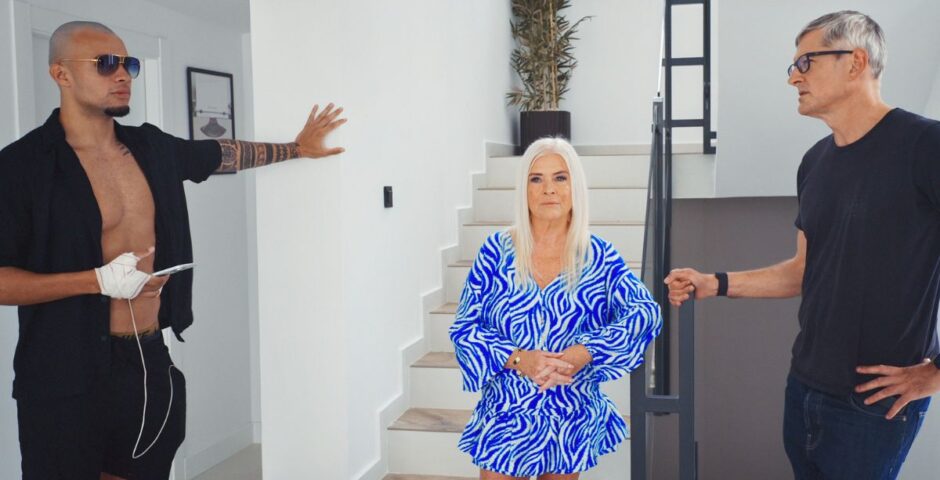
She argued: “Despite moments of scrutiny, this documentary’s glamorisation of its subjects (epitomised by a slow motion shot of one subject stepping out of a sports car) renders the interrogation superficial. In other words, the show presents performative, profit-driven masculinity through the same aspirational lens that fuels these figures online appeal.”

Justin Waller in a car in the documentary
(Image via Netflix)
She complained this “simplifies the vast range of misogynistic and male-supremacist attitudes, beliefs and identities circulating online and downplays the sheer scale of the harm caused by it”.
Academics from Birmingham wanted the doc to show the causes of the manosphere
Dr Sophie King-Hill from the University of Birmingham and Emma Poutney from Birmingham City University also wrote about the documentary. Although they praised some aspect, they complained the doc “gives relatively little attention to exploring the cultural changes which have left young men feeling abandoned and without guidance in modern society.”
Most Read


They argued: “Often, young men are enticed by this content through humorous and supportive videos which do not display overt misogyny, instead encouraging self-mastery and clear-cut identity guidance, which resonates with many young men today.
“The parasocial mentor relationship that forms then allows for gradual acceptance of more overt ideas when they are later amplified by the algorithm, often perceived by young audiences as entertainment through banter, whilst they are slowly desensitised to the harmful ideas portrayed.”
Louis Theroux’s documentary could have showed more of streamers’ opinions on women
They also called out the documentary for not exposing more of the streamers’ (and particularly Myron Gaines’) idealogical views on women. They wrote the doc “does little to focus on how influencers build narratives of female cruelty and male victimisation”.
Apparently, “this seemingly allows influencers to maintain their legitimacy by denying their misogyny and being able to reframe their ideas as mentorship and honesty, even whilst their broader messaging encourages resentment towards women”.
They worried that Netflix viewers who didn’t have as much prior knowledge of the manosphere might not understand the extent of the streamers’ views.
For all the latest Netflix news and drops, like The Holy Church of Netflix on Facebook.
Featured images via Netflix.


Latest

Missing 13-year-old found in Manchester city centre after eight day search

Police have confirmed the teenager is safe and well
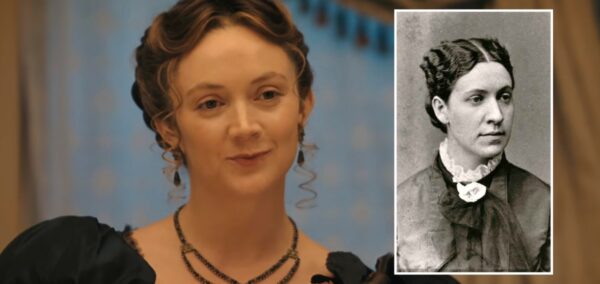
Who Lizzie Borden’s sister Emma was and if they were close, because Monster gets it all wrong

She never got married for a start
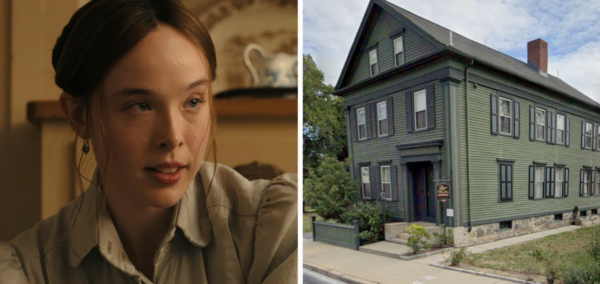
The real life Lizzie Borden house is still standing today, so here’s what it’s used for

It’s one of the most visited true crime landmarks
What Lizzie Borden was actually like in real life, according to the people who knew her
Monster keeps describing her as ‘plain’
Was Lizzie Borden in love with her maid Bridget? The real life theory around her sexuality
People dug up notes and have tried to prove the theory for decades
Calling all aspiring journalists! How to join The Bristol Tab

Come to our open meeting on the 28th of September at 8pm at The Beckford (In Senate House)
Stop what you’re doing: The King’s Tab is looking for new writers AND content creators

Come to our open meeting on Thursday 1st October, 5pm at The Vault!
Channelling your broke uni student lifestyle

Not everything needs to be accompanied by a £5 iced latte, here’s how to be more mindful
The York Tab is recruiting new writers and we want YOU!

Open meeting Monday 28th September, 6pm in SLB/004!
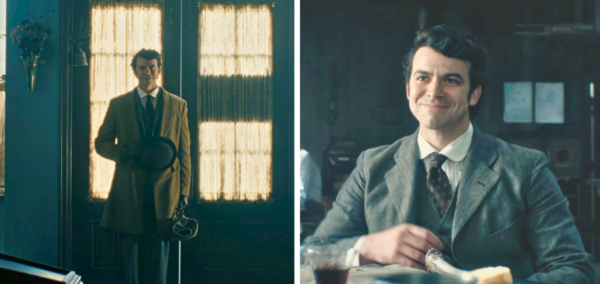
Here’s who the uncle in Monster: The Lizzie Borden Story was, and what Netflix makes up

John Morse really did stay in the Bordens’ house
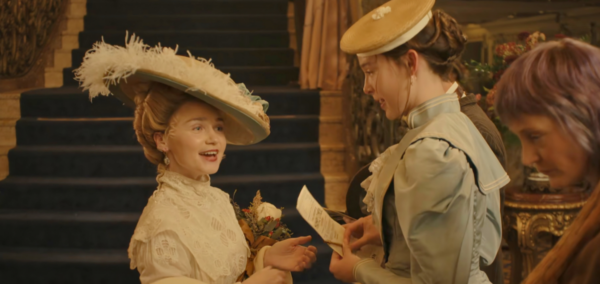
Er, Lizzie Borden’s meeting with the actor Nance O’Neil was nothing like Netflix’s Monster
Their paths didn’t actually cross for another 14 years
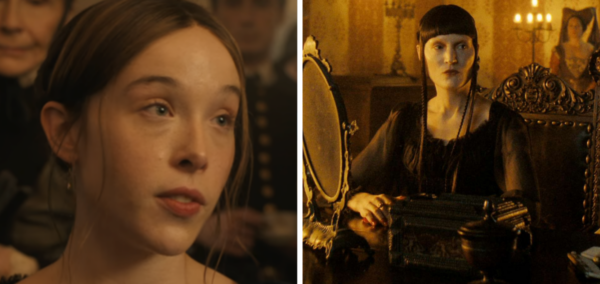
With 600 alleged killings, this minor character in Lizzie Borden should have been the Monster

HUGE missed opportunity
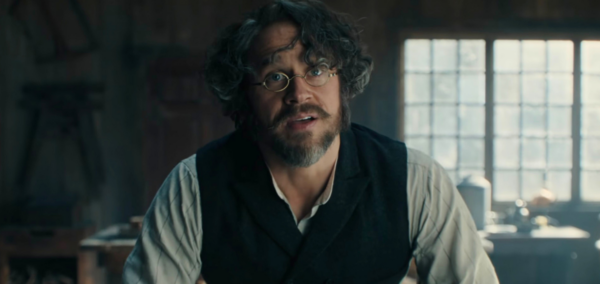
Did Andrew Borden have a stutter? Charlie Hunnam breaks down accent and voice in Netflix show
The actor has fully explained it
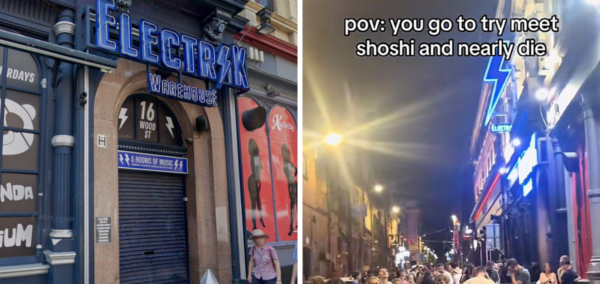
Elektrik Warehouse responds to alleged ‘crowd crush’ concerns at Shoshi event

‘It was just lucky nothing insanely bad happened’
Uni of Edinburgh confirms 25 days of strike action over five weeks, affecting Welcome Week

Am email sent to Edinburgh University students read ‘staff are not obliged to tell us if they plan to take part, which means we cannot tell you who is or is not’

There’s a really smart way to hack your Spotify Wrapped results for 2026 – before it’s too late
The cut-off for data tracking is very soon!

Meet OnlyFans’ gay ‘golden boy’ Ashton, and the thirsty clip that’s earned him 33 MILLION views
The clip is seconds long, but it leaves an impression
Real-life significance of Lizzie Borden’s period and if she suffered from menstrual problems
It’s a big part of Monster: The Lizzie Borden Story

My straight boyfriend does gay OnlyFans, but I’m scared he’ll leave over one thing he keeps saying
He replied, ‘It’s always been my rule since day one: If the cameras are on, it’s not gay’