

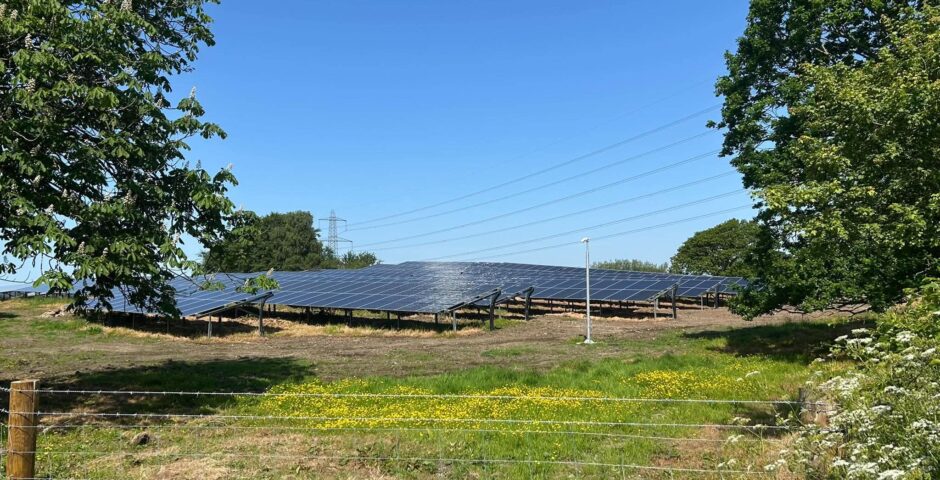
Work completed at new solar energy farm in Lancaster
The farm situated near Lancaster University is predicted to generate around 3,735 MWh of renewable energy each year

Work has been completed at a new solar energy farm in Bailrigg, Lancaster, generating renewable energy to help fund the city’s vital council services.
Burrow Beck Solar Farm, which is set across two adjoining sites north of Bailrigg Lane by Lancaster University’s campus, is expected to generate around 3,735 MWh of renewable energy each year – the equivalent annual electricity use of around 1,500 three-bedroom homes.
Planning permission for the farm was granted in September 2024, despite objections from local residents. This came after Lancaster City Council declared a climate emergency in 2019 and subsequently set targets to reduce carbon emissions within the district.
The ground-mounted solar farm has been fully energised since July 2026, with the electricity currently sold to the National Grid to create a new source of income to support council services.
Lancaster City Council said that the completion of Burrow Beck Solar Farm marks a major step forward for renewable energy generation in the area, whilst also creating a long-term programme of habitat creation and nature recovery.
Together with the council’s solar installations at Salt Ayre Leisure Centre and Gateway, Burrow Beck will contribute to the generation of more than 5GWh of renewable electricity each year, more than the council’s estate typically imports from the grid.
Based on current forecasts and energy prices, the installations combined is expected to bring in around £550,000 per year and help insulate the council from rising energy costs.


As well as generating clean, renewable energy, the agricultural land on the farm’s site will be transformed into the area’s first habitat bank, subject to registration. Native wildflower seed has been sown across four hectares, together with new hedgerow, tree and aquatic planting, to establish rich ecological habitats where wildlife can thrive.
Ecologists predict that the project will deliver an increase in biodiversity in the farm of approximately 90 per cent, along with 19 additional biodiversity units, which could support future council projects or be sold locally to meet off-site development Biodiversity Net Gain obligations.
Councillor Sam Riches, cabinet member with responsibility for climate action, said: “Burrow Beck is an excellent example of how council-owned land can deliver clean energy, income and substantial long-term benefits for nature at the same time.
“By investing in clean energy, we are helping to reduce carbon emissions that contribute to climate change and creating opportunities for future innovation that will support our communities.
“It also reflects the council’s wider commitment to protect and enhance the district’s unique ecology for decades to come and I’m excited to see the difference this project will make as the habitats mature.”
The habitats will take several years to fully develop, and will be managed and monitored under the newly approved Habitat Management and Monitoring Plan for at least 30 years.
For more of the latest news, guides, gossip, and memes, follow The Lancaster Tab on Instagram, TikTok, and Facebook.


Latest

H3 Podcast crew shares statement as Ethan Klein’s wife publicly accuses him of ‘nightmare’ affair

His own crew has cut ties with him

James Acaster is being called out for his bizarre behaviour during Celebrity Traitors mission

He’s taking the phrase ‘playing it safe’ too literally
Christa Pike’s team say IV site might have ‘blown’ during failed lethal injection in detailed update

They have finally explained exactly what happened
Second clip of comedian’s rape ‘joke’ resurfaces from five months before his apology
‘There are some clips coming out from that that could be a problem’

Mind-boggling flaw makes it ‘obvious’ who the Celebrity Traitors final three will be
It’s staring us in the face

Love Is Blind’s Aneha feels viewers ‘misunderstood’ her family’s response to Cam

‘My family and I have always been incredibly accepting’

Ross Kemp explains the mindset that left him suspicious of everyone on Celebrity Traitors
‘I was really sensitive’
Spoiler: Kenny’s handwriting on Celebrity Traitors ‘gives away’ who gets murdered next
There would be a national period of mourning

MAFS Australia production in another scandal as police investigate report of inappropriate content
New South Wales Police says the matter will be referred to Western Australia Police

How to write your diss without losing your mind: A third year survival guide

Five ways to survive third year without losing yourself in the process

A closer look at John’s job, since he was stressing over it on Love Is Blind season 11
Sarah did not like him shouting down the phone

How Netflix production changed the real life story for New Stanford Prison Experiment reality show
Robocams were in the prison filming the cast
Three compelling clues Michaella and Rob broke up after Love Is Blind season 11
Exhibit B: Michaella’s Substack

Love Is Blind’s Aneha and Cam break down what they actually like about each other
‘He just looked completely different from what I was thinking’

A Love Is Blind participant who quit early found love with someone from the pods afterwards
Sahar and Tucker are still together now

What the Love Is Blind season 11 cast really do in their day jobs, as per their LinkedIns
It’s not hard to guess who has LinkedIn premium
The way Celebrity Traitors’ Jerry Hall decided to go all in on modelling is bizarrely iconic
Only Jerry Hall could make a painful moment a lifelong career

Traitors’ Sebastian Croft seemingly addresses secret relationship with co-star in new music
Following in Taylor Swift’s footsteps, the breakup pushed him to release his music
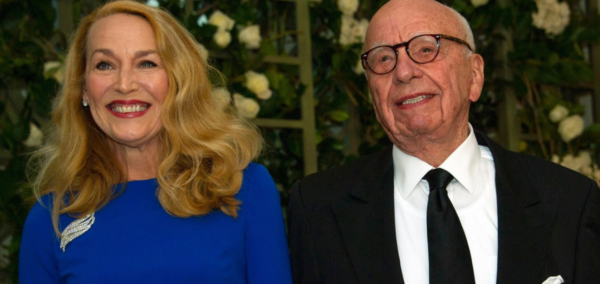
The huge cash payout Jerry Hall reportedly got in settlement when she divorced her billionaire ex
She also got a number of properties
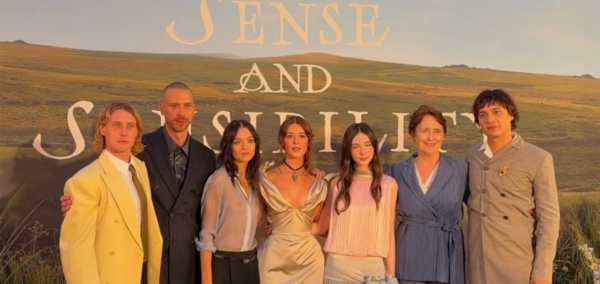
Sense and Sensibility characters as different types of Newcastle students

Stay wary of any incarnation of a rugger