

Why Doxbridge is an actual thing: And yes, it is here to stay
Consider this a survival guide for the “Oxbridge reject” phase of grief
As of 2007, the portmanteau “Doxbridge”, which groups together Durham, Oxford, and Cambridge universities as the most prestigious academic institutions in the UK, was formally added to the Urban Dictionary. The website claims that the term was coined by “Durham rah students” for the sole purpose of “inflating their sense of worth by associating themselves with and embarrassing the two ancient, far superior universities”.
While meant most likely as a humorous slight (it is, after all, the Urban Dictionary), it’s insulting how far away from the truth this definition is. The idea that Oxbridge are “far superior” to Durham is up for contention. At the end of the day, while it is true that Durham being comparable to Oxbridge has been rooted in craving shallow validation in the past, Durham University’s excellence and many acquired accolades lend undeniable credibility to the reality of “Doxbridge” as a concept which exists in its own right, beyond the mere desires of the “rah” population.
Seeing some of the online discourse on this topic, I feel the need to clarify that the point is not that Durham is as good as or better than Oxbridge. It is simply that we are among the best universities in the country (if not THE best, but I may be biased), and it makes total sense to place Durham alongside Oxford and Cambridge when speaking of leading academic institutions of the world. And anyway, an ego boost here and there never hurt anyone! As such, below are some reasons why “Doxbridge” is here to stay.
1. Top-tier academics and rankings
At the risk of sounding obvious, Durham has been sweeping the league tables and both national and world rankings recently. We’ve been named University of the Year 2026 by both The Times and The Sunday Times, and ranked 85th in the world in the recent QS World Rankings 2027, rising up by nine spots from last year.
These rankings are used as a touchstone of defining an institution’s prestige on both national and global scales, and Durham’s exponential success and improvement with regards to them points to its top-tier academics, student satisfaction, research, and employment prospects.
2. The collegiate lifestyle

When discussing “Doxbridge”, the collegiate system is bound to come up. Durham’s 17 colleges offer tight-knit communities with a plethora of thriving college formals and unique traditions and history. The Durham college experience provides exceptional social and sport opportunities, all while upholding historical renown.
Our collegiate system significantly differs from Oxbridge in that the colleges function mostly as residential and social hubs rather than independent academic establishments, but are similar in that they serve as localised hubs for student life including accommodation, welfare, pastoral care, formals, and extracurriculars, which significantly improves the student experience.
3. Amazing graduate employability



Employability warrants its own category separate from other rankings due to quite how telling it is. Durham University ranks 49th globally for employer reputation in the QS World University Rankings 2027. We boast a brilliant Careers and Enterprise team which organises occasional careers fairs, and assists students and alumni alike with placements, job applications, etc,. Durham’s numerous societies and groups, spanning across performing arts, sports, research, journalism, leadership related roles, education, culture, other hobbies etc, offer all students an opportunity to gain a range of valuable experiences and skills to build a strong CV.
4. Historical legacy and city charm
Founded in 1832, Durham describes itself as England’s third-oldest university, having awarded degrees since 1837, despite similar claims having been made by UCL and King’s College London.
It was the first new university to open in England after Oxford and Cambridge for more than 600 years, giving it a historical position unlike any other institution. While Durham’s collegiate structure was inspired by Oxbridge, it also developed its own distinct identity, perhaps explaining why the university has spent almost two centuries being compared with the country’s oldest academic heavyweights.
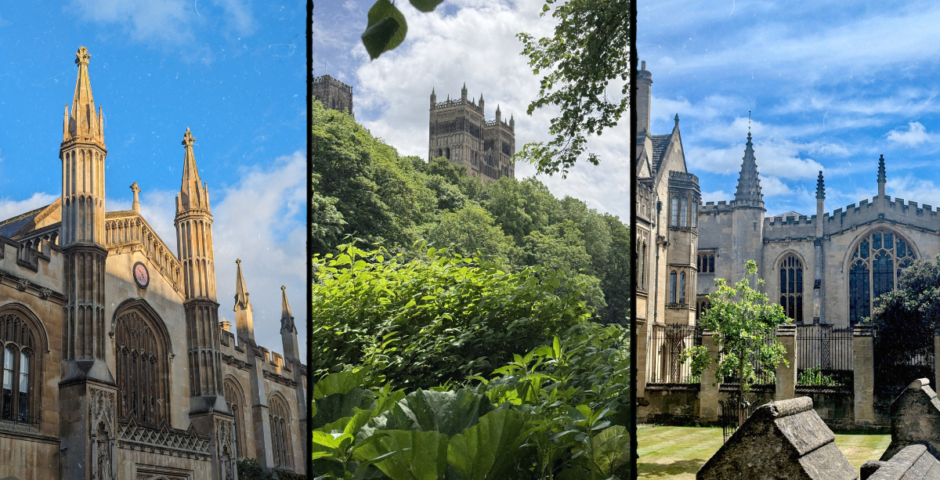
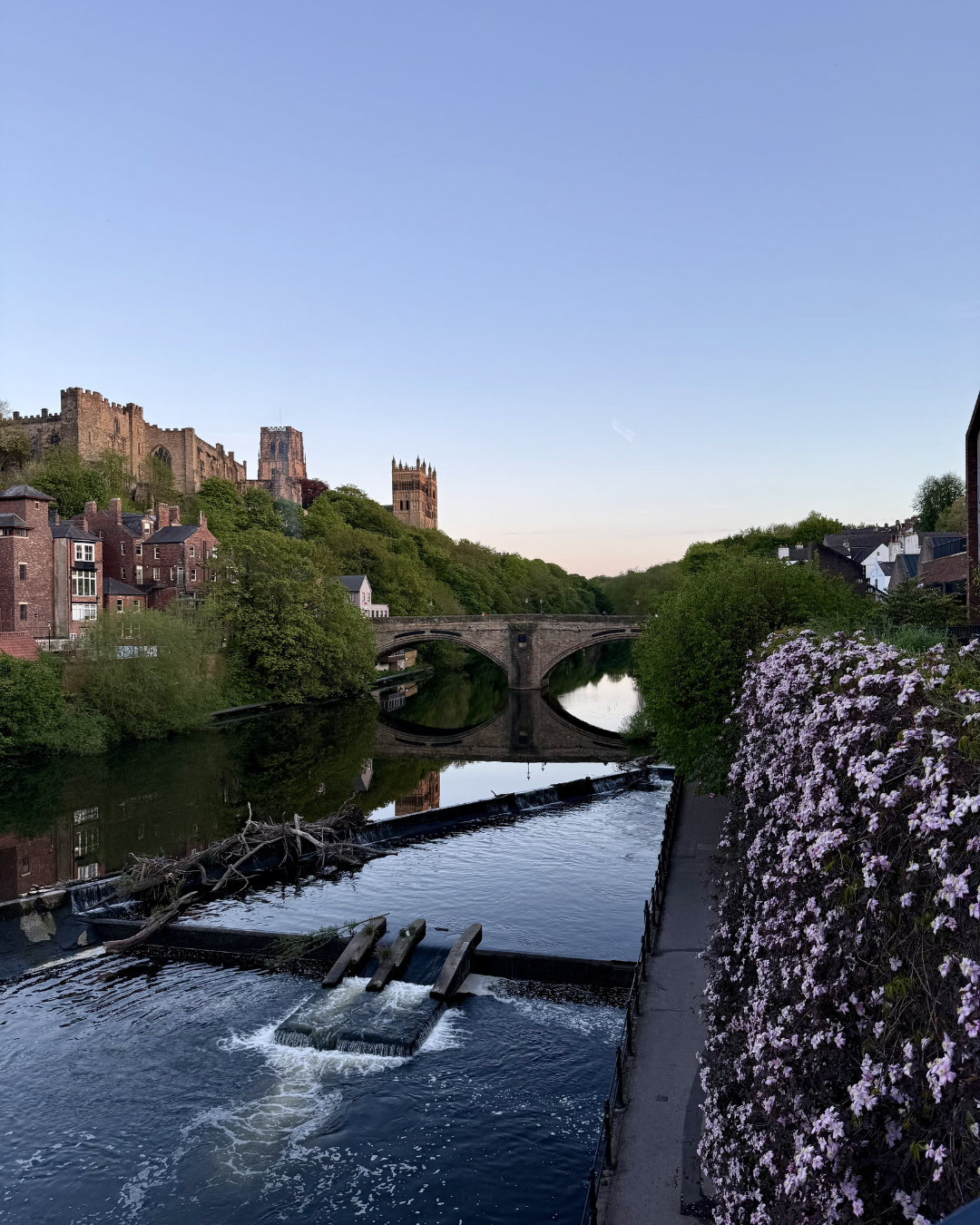
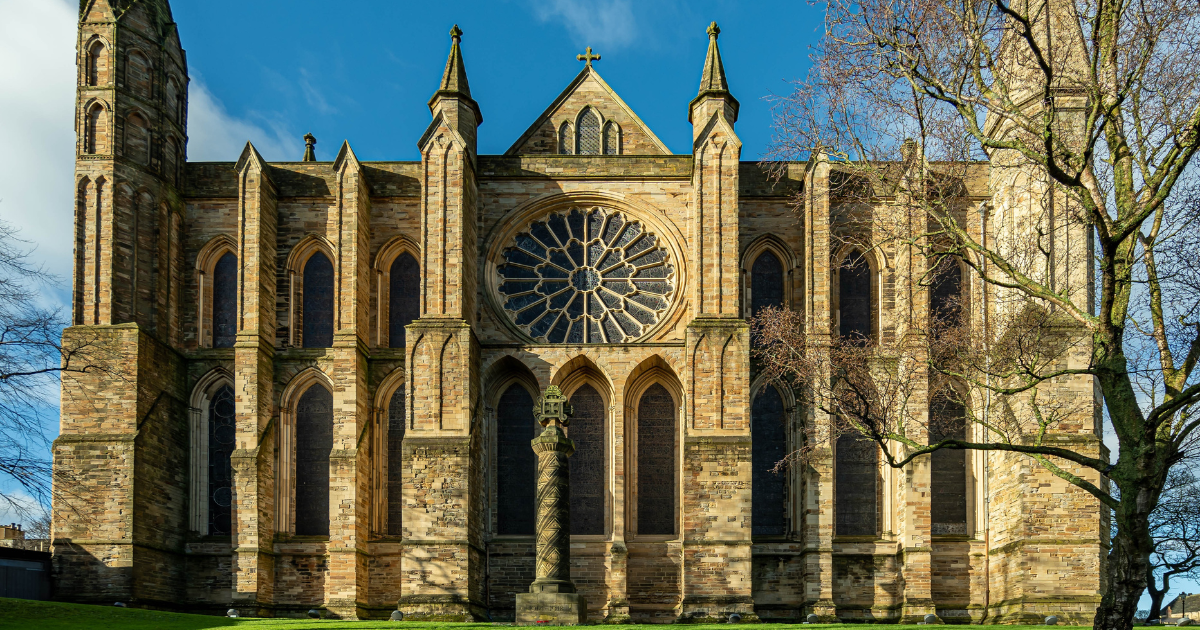
A grand cathedral, an exquisite castle, named a UNESCO world heritage site, cobblestones under the sunset’s fading light, bridges overlooking the rowers on the Wear, charming small shops and an independent market; nobody can deny that Durham is a stunner. And to live there by virtue of going to a city-based university? It is truly Hogwarts come to life.
Durham’s timeless legacy is preserved in every nook and cranny of the city, much like Oxford and Cambridge. Coupled with some Northern charm, Durham University establishes itself amongst the top, most eminent academic establishments of the UK. And, what’s more, is that if our track record is anything to go by, Durham’s excellence will only continue to peak.
5. Durham: The home of ‘Oxbridge rejects’
Via Canva
Then there is the stereotype. Durham has long carried the reputation of attracting so-called “Oxbridge rejects”: Students who dreamed of Oxford or Cambridge but ultimately found themselves in the North East instead. Whether entirely deserved or wildly exaggerated, the label has become part of Durham folklore. Freshers arrive joking about pooled applications, failed interviews and near misses, only to realise that, after a few weeks, they probably wouldn’t have chosen anywhere else.
Perhaps that shared reputation is part of what keeps the idea of “Doxbridge” alive. Historically, culturally and colloquially, Durham continues to occupy a space much closer to Oxford and Cambridge than most other universities, though of course this remains subjective. Whether that makes “Doxbridge” a genuine academic grouping or simply an enduring student myth is another question entirely.
For more of the latest news, guides, gossip, and memes, follow The Durham Tab on Instagram, TikTok, and Facebook.



Latest

Attention! The Glasgow Tab needs new writers, and we want you

We’re meeting at JMS on Wednesday and you’re invited

Broke in Leeds: How to save back those pennies

Freshers’ Week, Otley Runs and a hole in your jeans pocket. Here’s some money-saving tips to stay on budget in Leeds

The do’s and don’ts for Cardiff Freshers’ 2026

Don’t fear, your 2026 Cardiff Freshers’ guide is here

It’s official: The Leeds Tab is looking for new writers and content creators!

We will be hosting our open meeting at Dry Dock on Monday 28th September at 6pm
Former Leeds Beckett employee ordered to pay £20,000 after parking row
Amanda Barrow must pay Leeds Beckett £20,000 after taking them to an employment tribunal

A deep dive into how rich Eddie Horniman really is in season two of Netflix’s The Gentlemen

Er, he has half a million pounds of watches

I attended Lily Phillips ‘gloryh*le’ stunt with my husband, but only after considering the kids

Robyn Quinn and her hubby have a WILD life, but family always comes first

Six hours straight: Lily Phillips shares absolutely everything that went down at gloryh*le event

I’m clutching my pearls

Church leader shares ‘deep regret’ as he steps down and retires after video with Lily Phillips
His 20 year tenure has come to an end after a controversial video

Former showrunner Dan Schneider loses defamation lawsuit over Nickelodeon abuse documentary
He claimed the documentary portrayed him as responsible for child s*x abuse

Oh god, Lorenzo’s dad weighs in with ruthless post about Julia crying for attention in interviews
He claims she’s trying to make Lorenzo look bad

15 guaranteed signs in a university student’s room that he’s a total f***boy
4. A guitar with which he only plays Wonderwall

It’s been a messy week, so here are the latest relationship statuses of the Love Island 2026 couples
There have been splits, going official and first dates

The surprising 180 of ‘Thomas’, who starred in the most notorious gay p*rn film of all time
His story is whispered about in the dark corners of the internet to this day

Newest sad update on Perez Hilton, who just faced difficult decision that cost him $350k
He’s still in the hospital

25 years on, Pete Davidson reflects on losing his firefighter dad during 9/11
He spoke of having to explain the tragedy to his daughter now

Distressing final phone call 9/11 flight attendant made to husband moments before fatal crash
The hero ended the call with ‘I love you’ before attacking the hijackers with boiling water

‘My heart is broken’: Julia breaks down in tears as she talks about the last week with Lorenzo
The Love Island couple had been struggling for a while

‘Seek the truth courageously’: Here’s the Pope’s advice to Oxford students

Apparently your tutor isn’t the only person with thoughts on how you should approach your Oxford degree

D4vd case explained: The latest updates and allegations one year after Celeste’s body was found

A lot has happened recently