


Over 144,000 stolen university usernames have been discovered on the dark web
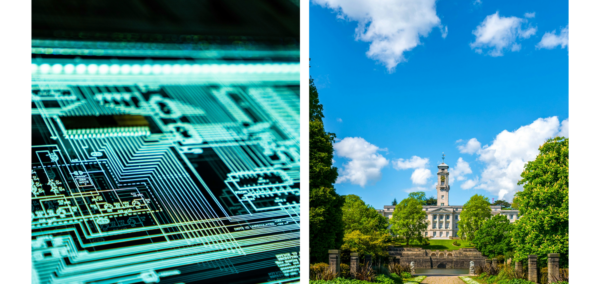
Earlier this year, students at the University of Nottingham had their data compromised in a cyber attack

The data of thousands of university accounts have been discovered on the dark web.
More than 144,000 stolen username and password combinations of people in higher education and research in the UK were found on the dark web in the year leading up to June, according to digital services organisation Jisc.
The findings were uncovered during Jisc’s regular monitoring of “compromised credentials” under its Janet Network service, built to support higher educational institutions.
It is believed the details ended up online after “dumps” of stolen identities by hacking groups and those responsible for ransomware attacks.
Figures from 2025-2026 reveal a rising trend in the number of vulnerable passwords and accounts, with an increase from 10,000 to 15,000 uncovered compromised identities in the past year.
These figures follow the recent University of Nottingham cyber attack, which lead to hundreds of thousands of student and alumni data being seized by hackers after its Campus Solutions system was accessed in May 2026. The hackers gained information to students personal, financial and university-related data.
Since 2020, eight Russell Group universities have received direct attacks, including the University of Oxford and the University of Cambridge.

via Unsplash



David Batho, head of cybersecurity at Jisc, said the organisation expects “threat actors, with access to ‘hacking-as-a-service’ and AI tools, to increase their attacks on UK education and research.”
He explained that the Janet Network blocked more than 61 million queries to malicious sites in the last year, illustrating “the sale of cybersecurity issues faced by our members.”
Nicole Stewart, Jisc’s head of security intelligence and capability, told Times Higher Education (THE): “There’s been this steady increase over the years of ‘infostealers’, a kind of malware that secretly scans a computer for personally identifiable information. When a victim has an infostealer on their laptop, that’s obviously just collecting all their credentials.
“The difficulty with the education sector is the way that it’s set up, with the fact that a lot of students bring their own devices that [universities] don’t have management over, so any malware that’s on these devices which could be stealing credentials [institutions] don’t have that visibility and control over.”
Nicole said the sector to be “very aware of the risks” but urged institutions to stay up to date with Jisc’s alerts for individual organisations regarding potentially compromised accounts.
She said: “Ransomware is one of the major threats for the sector. It’s not something were being declining (…) it’s a really important threat.”
For more of the latest news, guides, gossip and memes, follow The Nottingham Tab on Instagram, TikTok and Facebook.
Featured image via Unsplash


Latest

HYROX apologises and changes rules after athlete wins despite soiling herself during competition

‘We did not handle the situation like we should have’

TikTok’s freaking out about this guy kayaking down the Congo Basin, so here’s why he’s doing it

The kayak is inflatable
The Tab is hiring a Social Video Producer to join our team

We’re looking for someone who lives on TikTok and is full of ideas to make daily videos for our rapidly growing channels
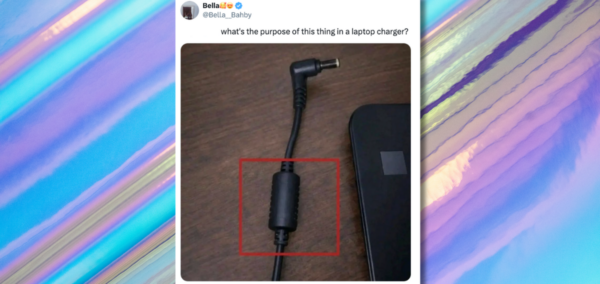
Wait, it’s just been brought to my attention that this part of a laptop charger is actually useful?!
I kinda just thought it was… there
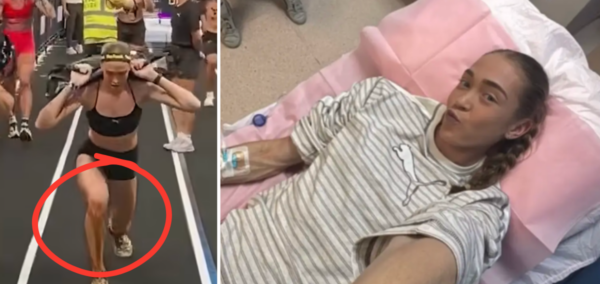
HYROX athlete posts (then deletes) witty response after choosing to poo herself rather than quit

A bathroom break mid-competition was out of the question… and she did win tbf
University shares statement as x-rated Bonnie Blue 1,000 men in a day videos appear on its site
‘Full footage for your eyes only!’

Your official guide to Freshers’ Week nightlife in Liverpool

From £1 shots to sweaty tech-house basements, Liverpool’s nightlife scene hits differently.
Everything you need to know about UoL’s and LJMU’s official Welcome Week events
Whether you’re heading to UoL or LJMU, both student unions have pulled out all the stops for Welcome Week

‘Crossed a line’: Pregnant adult content creator calls out Bonnie Blue’s ‘weird’ baby content
Here’s her take as someone in the same industry
These 11 UK universities fell down more than 20 places in the Guardian’s rankings for 2027

One university was ranked 65 places lower than last year


Lily Phillips drops videos from ‘most intense shoot yet’, and here’s the married man at the centre
He was responsible for making Lily look like she’s been ‘swimming in chlorine with no goggles’

Lancaster Litfest set to return to city with ‘packed programme’ this autumn

The festival will run throughout October and November across various Lancaster venues

Non-believer who died for 50 minutes vividly describes what her encounter with God was like
‘I got to sit in his lap, I got to go with him to work’
Influencer writes to MP about Bonnie Blue’s ‘troubling’ baby videos, and urges everyone else to
‘This has disgusted and deeply concerned me’

Officials detail potential reasons for alarming trend as 20th influencer is graphically killed
‘It served as a message’
The best (and worst) Russell Group universities for 2027 revealed in The Guardian’s ranking
Two Russell Group universities fell down eight places in the ranking

Lily Phillips and boyfriend give graphic details of their s*x life, and how her group work impacts it
If she’s filmed one specific thing at work in the day, she doesn’t want to do anything at home
Here’s how to do that viral Celebrity Look-alike trend from TikTok with Star By Face
Finding out I look like Zac Efron and Jennifer Aniston is a major flex

Ouch, Julia unfollows Lorenzo as he FINALLY speaks out in a lengthy statement after breakup
He did not address his dad’s awful comments