
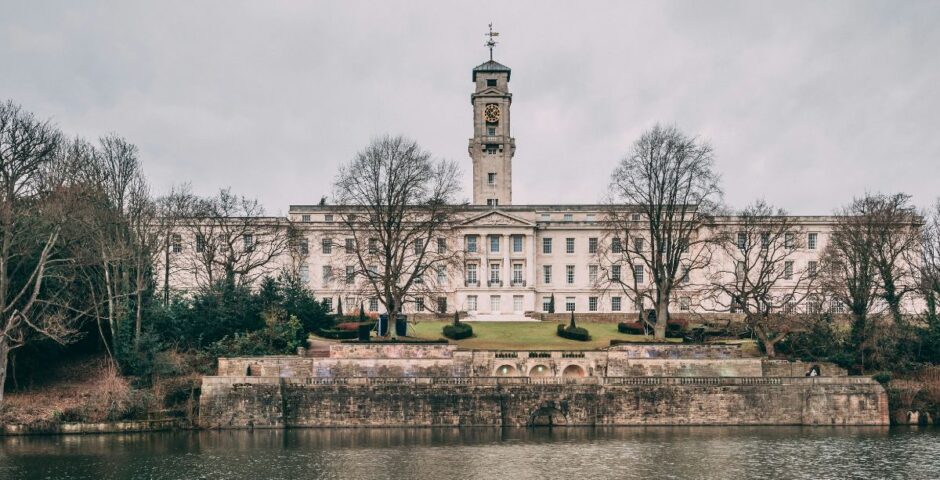
Revealed: The eight Russell Group unis hit by cyber attacks since 2020 – Nottingham the most recent
Passport numbers and financial information were among details exposed in Nottingham’s 2026 attack – whilst Warwick kept data breach secret from its own students

The University of Nottingham is the latest Russell Group university to be hit by a cyber attack, with around 455,000 records exposed including national insurance numbers, postal addresses and financial details.
However, Nottingham isn’t the only Russell Group to have been targeted by cyber attackers: Seven other Russell Group universities have also received direct attacks since 2020, while others have fallen victim to software hacking.
Here are all the direct cyber attacks on Russell Group universities since 2020
University of Nottingham, 2026
Nottingham is the latest university to be targeted by criminal hackers, with students’ personal and financial information compromised, potentially including national insurance numbers and postal addresses among other sensitive data. The total number of students affected is said to be large, with the breach obtaining 455,000 email addresses. All students affected have been contacted, and the university is working to establish further details.
University of Oxford, 2026
Students’ contact information was obtained by hackers, who retrieved personal student details. Names and email addresses of students were accessed via the frequently used CareerConnect site. Hackers were even able to obtain the encrypted passwords of some students, sparking university-wide cyber security concerns. The platform was secured soon afterward.
University of Cambridge, 2024
In February 2024, Cambridge’s IT services were disrupted by a DDoS attack claimed by Anonymous Sudan, a hacktivist group citing the UK government’s foreign policy as motivation. Student services including CamSIS and Moodle were temporarily affected. No data was stolen.
University of Manchester, 2024
Manchester was targeted in the same February 2024 DDoS attack as Cambridge, with off-campus IT services disrupted for several days. The university confirmed connectivity issues had stabilised within 48 hours. No data was stolen.
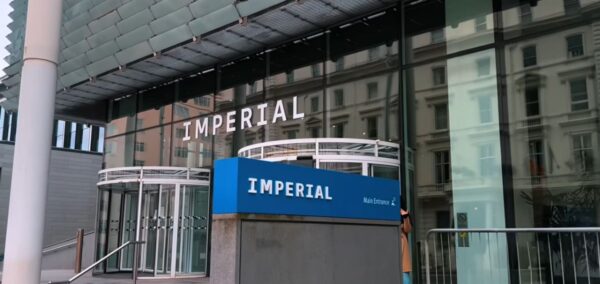
Imperial College London, 2023
Students were the victim of cybercriminals who hacked into Imperial’s services. Criminals were able to access sensitive information such as names and how much money students owed to the university, though bank details were not accessed. The situation was quickly resolved and the network was secured.
Newcastle University, 2020
In September 2020, criminal hackers blackmailed Newcastle University at ransom. They threatened to release the personal data of students and staff if they did not receive payment. The university didn’t pay the ransom, and as a result students’ stolen data was published on the dark web.
University of Edinburgh, 2020


The university’s ARCHER supercomputer was taken offline after crypto-mining malware was detected across multiple European research supercomputers simultaneously. Some user accounts were compromised and the system remained offline whilst security was restored.
University of Warwick, pre 2020
In 2019 a data breach affected students’ personal information. It was revealed by Sky News that in 2020, staff and students had been kept unaware for over six months, and that Warwick’s security systems made it impossible to establish exactly what information had been compromised.
The Blackbaud cyber attacks, 2020
Though other Russell Group universities have managed to escape recent cyber attacks, not all of them have come out unscathed: several have had their administration software targeted. The most prominent instance of this was in 2020, involving an attack on the system Blackbaud.
Blackbaud is a fundraising and alumni management software used by universities to manage donor relationships and alumni data.
Here are all the universities affected by the attack on Blackbaud
- University of Birmingham
- University of Exeter
- University of Glasgow
- University of Leeds
- University of Liverpool
- University of Reading
- University of Strathclyde
- University of York
A University of Oxford spokesperson said the university’s own passwords were not compromised through the incident: “Oxford students access CareerConnect using University Single Sign-on (SSO) accounts. No University of Oxford passwords were compromised through this incident.”
If you are a University of Nottingham student or alumni who believes they have been impacted by the attack, please call the university’s support line on 0115 7486500.
Featured image via Unsplash
Latest

Looking for a cheap night out in Manchester – here are the best spots the city has to offer

Happy hour spots for when your bank balance is low but a night out is much needed

Bella Ramsey on Celebrity Traitors made me nervous as a queer person, but then came Ross Kemp

They’re already shaping up to be a weapon at the roundtable

Lancaster city centre record store and coffee shop announces its closure

The business owners are ‘passionate about the local music scene’

The Celebrity Traitors rich list: The most loaded celebs to appear on the show, across both series

Some of them probs live in castles already

Yes Celebrity Traitor Richard E Grant is kooky, but the range of his roles already proved that
Turns out I’ve been watching Richard for years and didn’t realise it

The chunky net worths of the Celebrity Traitors’ actors, ranked from not bad to obscenely rich
I will happily accept their appearance fees

Richard E Grant doesn’t drink on Celebrity Traitors, because his body can’t process alcohol

It’s such a rogue fact

A psychologist breaks down how celebrity Traitors could win by exploiting ‘cognitive biases’

Traitors could use confirmation bias to their advantage

We gave Liverpool uni accommodations dating profiles and they’re painfully accurate

Ride the 699 for me?

Infamous Secret Traitor Fiona warns of how the Celebrity Traitors may take each other down
Fiona believes Maya Jama ‘needs to be careful’

Chris Watts’ parents share letter he wrote to his wife and kids that he wants read at their graves
‘There’s so much I wish I could say, and make up for what I did to our family’

Goodbye tan lines, hello deadlines: why the next few months feel so overwhelming

From a very happy (but very stressed) third year
Lancaster and Lancashire universities briefed weapons manufacturer on student protests

An investigation headed by Liberty Investigates and Al Jazeera has uncovered ‘troubling patterns’ of correspondence between BAE systems and 13 UK universities

11 arrests made as student pro-Palestine march clashes with counter-protestors near UCL

The Met had urged the activists to move their march to another date
The ultimate Newcastle burnout guide: 10 spots to find absolute peace

A night out in Bigg Market is probably not the solution

James Blunt confirms odd Celebrity Traitors plan is the reason he said Hannah was a Traitor
Some have argued his confirmation breaks the rules
University of Worcester student who murdered 24-year-old ‘tried to blame’ her for her death
Benjamin William Day then pled guilty to killing her in an Airbnb
£800k appeal launched to save historic Lancaster Cathedral spire from collapse
The Save Our Spire campaign has been launched after serious deterioration has been identified in the 240 ft spire