


KCL study finds most students report AI errors, but only half actually check the content
The study surveyed 4,000 people overall

A King’s College London (KCL) study has found most students report AI errors, but only half actually check the content.
The study, published in May 2026, has revealed nine out of 10 students who use AI for their studies encounter problems with it.
The most common problems were factual inaccuracies and fabricated sources. Despite this, less than half of students verify the final output before using it.
What’s more, 77 per cent of students use AI frequently compared to just 46 per cent of the general population with varying agreements on its usage.
A third of university students agree that AI will eliminate jobs at a rate that will lead to civil unrest, which falls to just one fifth of the general population.
The study also found a gender gap between AI attitudes exists, with women being more sceptical of the efficacy of AI.
Male university students are more likely to agree that AI is improving their ability to think for themselves, whereas female students are more inclined to agree that AI is worsening their ability to think for themselves.

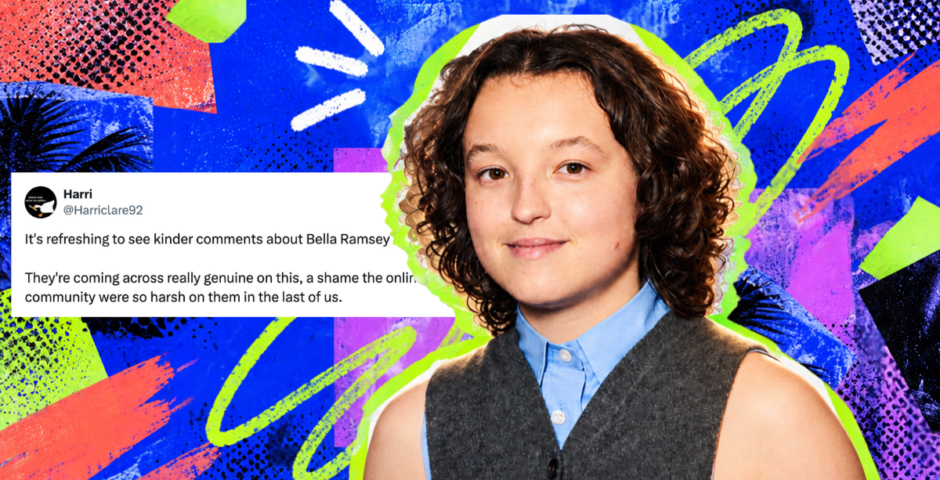
Furthermore, the majority of male students believe AI is having a positive impact on the UK, whereas just one third of women agree.
However, there is some good news, as over half of university students in the UK agree that new job opportunities will arise as a result of AI. Additionally, the majority of the public are not worried about AI replacing their jobs.
The study also showed students are more positive about AI’s use in society, but they are less positive about its impact on the economy.
The majority of university students are worried about the economic impact of AI, with 12 per cent of students going one step further and saying that they would not attend university at all. A further 60 per cent believe that AI will make the job market more difficult for them post-graduation.
Bobby Duffy, director of the Policy Institute at King’s, said: “It is still early days, and our baseline study shows that many don’t yet have firm views or much direct experience of AI’s impact, but that’s likely to change quickly, and we’ll need to outline clear plans on how we will adapt and support people in the transition.”
For more of the latest news, guides, gossip, and memes, follow The King’s Tab on Instagram, TikTok, and Facebook.



Latest

35,000 Partake in the Great Scottish Run through Glasgow

Recreational runners joined elite athletes to partake in the busiest Great Scottish Run to date
Beyond the payslip: The reality of working alongside university

From exhausting shifts to unforgettable experiences, student jobs are anything but predictable

Closures expected at Leeds Bradford Airport due to staff strikes

Those striking include air traffic control personnel and security staff

Dumped for Mr Bean to marriage of ‘trauma’: A nosy look at The Celebrity Traitors’ love lives

Joanne McNally is having a gay baby
The strict rules on Celebrity Traitors lead to rumours escalating, as per Richard E Grant

‘You’re kind of infantilised’

Assigning each Durham college a dream holiday destination

From beaches to big cities: This guide has you covered

We went charity shopping in Manchester – these are our top picks

For when your wardrobe needs a refresh but your bank balance says otherwise

You’re obvs not a celeb, but the most common jobs on The Traitors show a clear trend
Quitting my job right now, I WILL be on season five

Maya Jama explains her ‘stupid’ choice to recruit James and Hannah on The Celebrity Traitors
‘It was too late at that point’

Cambridge and Newcastle among universities to change deals with Turnitin over concerns on AI
Students feared their work being used to train AI models
Come to our open meeting: The Cambridge Tab is looking for new writers and video journalists

Come to our open meeting on Friday 16th October, 5pm at The Maypole

Celebrity Traitors cast ‘at each other’s throats’ as insiders spill on tense unaired moments
The cameras stopped rolling, and the drama went into full throttle

House-hunting already? The fresher’s guide to the student neighbourhoods in Leeds

A pub near your house? What’s not to like?

Smallville’s Tom Welling drops hilarious response after his reflection exposed… a bit too much
Not quite the Superman reveal people were expecting

Shop adds context to whether the model bird Kelly Clarkson tried to buy was really for sale
Viral photos show a $15,000 price tag next to Molly the mechanical bird
The Edinburgh Tab wants you as a Social Editor: Terminally online people, assemble

Applications close on October 16th at 11.59pm

Yorkshire zoo confirms fate of Altai the tiger after he killed a man who climbed into enclosure
Witnesses claim he wanted to ‘play’ with the predator
Spend smart, party hard: Your ultimate guide to surviving first year on a student budget

The broke freshers’ guide to a brilliant year

From Soho to Shoreditch: Here’s the ultimate guide to student nightlife in London
All the treasures London has to offer