I’ve never even noticed it before, but here’s why the bishop always has a slit in chess
You need a history lesson
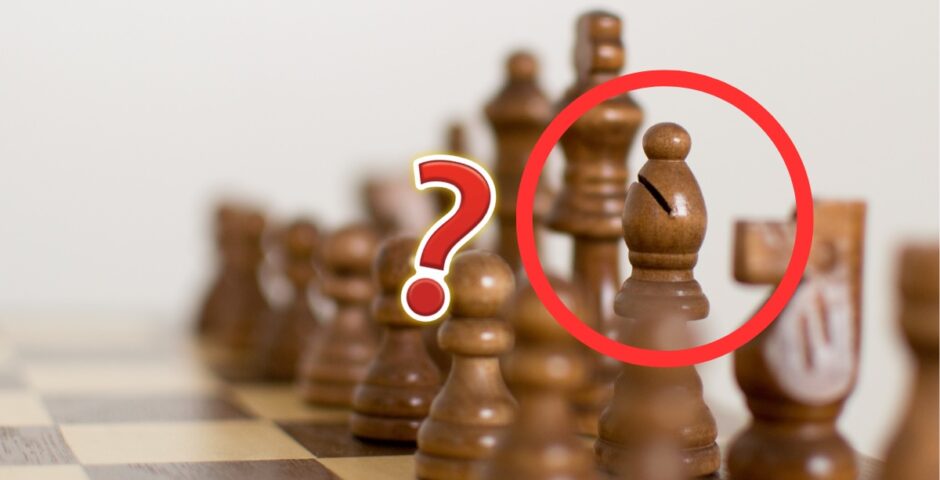
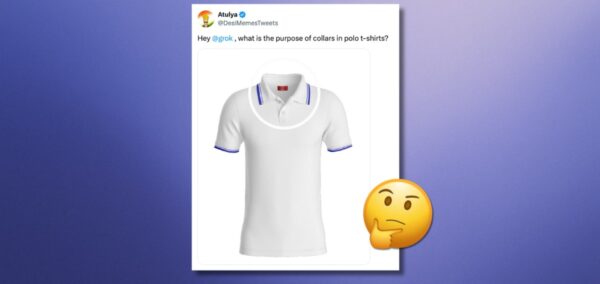
Every day, a brainrot post goes viral on Twitter that leaves me wondering what the purpose of a random thing is. This week, it’s that slit in the bishop on a chessboard. Everyone’s wondering what it’s there for after a tweet went viral this week, which has the top of the bishop circled and says: “Hey @grok, what is this cut even for?”
You’ve probably never noticed it before, but the bishop is the only chess piece that has a slit in the top of it. On every single chess set, it will always be the same, and none of the other pieces, like the pawn, queen or castle have it. So, what on earth is it for? Here’s a little chess history lesson for you.
Hey @grok, what is this cut even for 😭 pic.twitter.com/ZqGbvazgjk
— 𝑷𝒐𝒐𝒌𝒊𝒊𝒆𝒆 (🍹) (@pookie_770) May 11, 2026
The slit is there to represent the mitre, the ceremonial, two-pointed hat that Christian bishops and popes wear. The tall headdress has two peaks and a gap in the middle, so the slit is the best way to represent this in a solid chess piece. It also distinguishes the bishop from the pawn on a chessboard, because both pieces look quite similar.

These “Staunton” chess pieces we used today were designed in 1849 by a man called Nathaniel Cook and manufactured by the games company John Jaques of London. The set is named after Howard Staunton, who was the most famous chess player of the era, and we have continued to use them ever since.
Before 1849, chess did exist, but sets varied wildly by country and region, making it really tricky to play internationally. They were also very expensive, which meant playing chess was only really for the elite. The Staunton design made a set of universally recognisable pieces inspired by Victorian architecture, and the world never looked back.
For more like this, like The Tab on Facebook.
Featured image credit: Twitter
Latest
Lizzie Borden’s doctor’s full court testimony, where he recalled finding Andrew and Abby dead

‘His face was hardly to be recognised by one who knew him’

A weapon in the Lizzie Borden case was never found, and it might not have even been an axe

Many different theories were investigated

Lizzie Borden wasn’t right for Monster, and the ‘female rage’ reason they chose her makes it worse
There was so much wrong with it

The full Celebrity Traitors 2026 episode schedule as day change is confirmed
Don’t get caught out when it returns this week

Ryan Murphy picks his favourite American Horror Story season, and it’s a controversial choice

It’s Sarah Paulson’s least favourite

Why the Love Island 2026 Islanders are suddenly posting ‘tart’ on all of Lorenzo’s posts
People think it’s a divide

Former Newcastle student raped in Freshers’ Week speaks out on potential dangers

“I didn’t know what had happened to me… I came home and was very confused”


The 20 easiest UK universities to get into, based on accepted students’ grades

University of Roehampton students have a D and two Cs on average

Here’s what joining these Cardiff Uni societies says about you

Things you need to know before joining a new society
A favourite from the Love Island 2026 cast is getting an All Stars return
A second chance is well deserved

Right, it’s time to lock in: Here are 10 things every Cardiff Uni final year needs to know

It’s never too late to make this year the best one yet

Charli XCX’s viral VMAs reaction wasn’t about Taylor Swift, so here’s what actually happened
They’ve been surrounded by rumours for years

University sued over alleged fraternity gang sexual assault and punishing accused with essays
The members discussed the attack over Snapchat

Here’s what TV show your Cardiff Uni accommodation would feature in

Everyone’s favourite show is finally back for another season

The major celebs who skipped the VMAs 2026 and why, despite having multiple nominations
Ariana Grande was nominated eight times but didn’t attend

All the advice freshers need to survive first year: Love, Cardiff Uni students who survived

From YOLO to locking in, here’s all you need