

York’s quiet spaces show how universities can better support neurodivergent students
The University of York is expanding sensory friendly spaces to improve accessibility across campus

Quiet spaces are being expanded across University of York campus to support neurodivergent students.
The initiative focuses on creating calm, low stimulation environments and the university says more locations could be introduced in the future.
The University of York is continuing to expand its network of quiet spaces across campus, as part of wider efforts to improve accessibility for neurodivergent students and those with sensory needs.
With Neurodiversity Celebration Week underway, the spaces offer an example of how universities are adapting campus environments to better support a wider range of student experiences. As awareness grows around neurodiversity in higher education, there is increasing focus on creating spaces that allow students to feel comfortable, regulated and able to engage with university life in ways that work for them.
Quiet spaces are designed to provide students with a calm, low stimulation environment. They can be used to take a break between lectures, manage sensory input, or find a quieter place to study away from busy and often overwhelming campus settings.
What are quiet spaces?

Image via YouTube
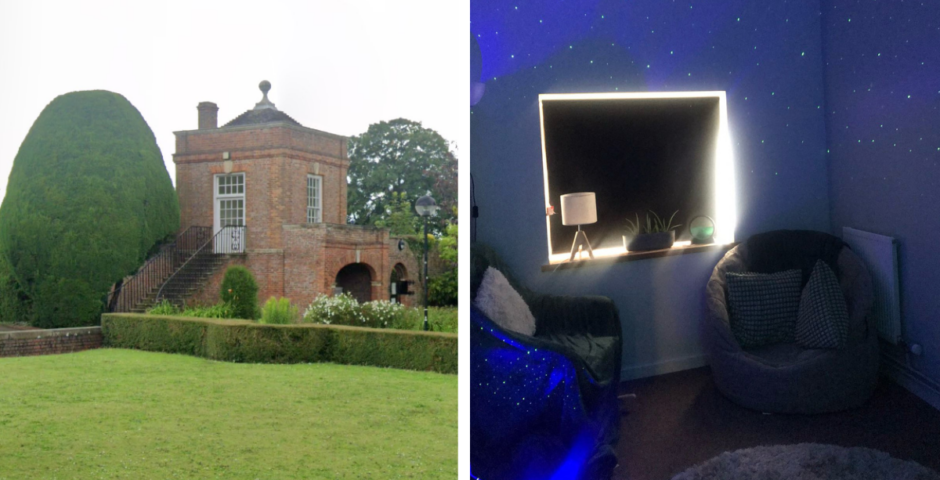
Quiet spaces are designated areas across campus that aim to reduce sensory overload and provide a more controlled environment. These include sensory retreat rooms, study spaces, wellbeing rooms, recreational and outside spaces.
Many of the spaces feature adjustable lighting, softer furnishing and reduced noise levels, helping to create a more comfortable environment for students who may find typical study or social spaces overwhelming.
While open to all students, they are particularly valuable for those who are neurodivergent or have sensory sensitivities.
Developed with students in mind
The university said the spaces have been developed through collaboration with both staff and students, with a particular focus on reflecting real experiences and needs across campus.
This approach has aimed to ensure that the spaces are not just available, but genuinely useful – taking into account factors such as location, layout and the types of environments students feel most comfortable in
A spokesperson said: “We’ve worked with both staff and students to develop a network of quiet spaces and sensory rooms, specifically designed to provide a safe and controllable environment.



“Open to all, we know they can be particularly important for anyone with sensory needs or neurodivergence.”
Making spaces easier to access
Alongside expanding the number of spaces available, the university has also taken steps to make them easier for students to find and use.
Information about each location’s facilities, features and accessibility details are now available through both the university website and the MyUOY app. This allows students to quickly identify a space that suits their needs.
Making this information more visible is intended to remove some of the uncertainty around accessing support on campus, particularly for students who may need a Quiet space at short notice.
“By having these on the app, it will be easier to find a space to study or relax,” the spokesperson said.
“We’d encourage all students to download MyUOY as it’s there to help make your campus life as effortless as possible.”
‘There is more to do’
The university has said the current provision of quiet spaces is not the end of the project, with further expansion already being considered.
“There is more to do, and a dedicated group of students is helping us identify other locations for quiet spaces across campus.” the spokesperson added.
The involvement of students in shaping the spaces is intended to ensure they remain relevant and accessible.
As conversations around neurodiversity continue, there is increasing attention on how university spaces can better support different needs.
Busy lecture halls, crowded libraries and noisy social environments can present challenges for some students, making access to quieter, more controlled spaces an important part of campus life.
Quiet spaces are one example of how this is being addressed at York, giving students more flexibility in how they study, socialise and manage their wellbeing.
Latest

Spend smart, party hard: Your ultimate guide to surviving first year on a student budget

The broke freshers’ guide to a brilliant year

From Soho to Shoreditch: Here’s the ultimate guide to student nightlife in London
All the treasures London has to offer


The 7 ways I’m planning to lock in for my final year

Disclaimer: This article contains no mentions of grad programmes

It’s time for week three, so here is the full episode schedule for The Celebrity Traitors this week

‘Heads will roll’ during these episodes

Our official ranking of every Dusk cocktail

We’ve saved you from having to try all sixteen of them x

Student loan running dry? Here’s 7 budgeting ways to survive the rest of October!

Because unfortunately, your student loan will run out, fast!

Final year students, here is the ultimate Uni of York bucket list

Why wouldn’t you want to make the most out of your uni city

Calls for help to Exeter’s CCTV centre double during Freshers’ Week

Dennis said most incidents involve antisocial behaviour caused by excess drinking

A fresher’s guide to Exeter city centre

As the good weather is scheduled to continue, and summative deadlines hide in the distance, it’s time to explore your new city


University of Bristol plans new security doors at Beacon House

New security gates are to be put up in Beacon House study centre

People are torn about American Horror Story replacing Papa Legba’s actor, despite the tragedy

The new actor has spoken out

Professor Hannah Fry’s pink jumpers from The Celebrity Traitors are almost affordable

Two of her knitwear pieces are from the same shop

Fancy celebrating Oktoberfest? Here are the five best spots in Manchester

The good news is you don’t need to travel all the way to Munich get stuck in with the festivities

Meet Alexandra, founder of LEX. – Newcastle’s answer to Mayfair after dark

Girls just want to have fun (club edition)

New report from University of York exposes hidden poverty in city

The University of York’s Cost of Living Research Group uncovers modern-day deprivation and inequality in the city

I interviewed Christa Pike 20 years ago, and meeting her will stick with me forever
‘She knows she wasted her life’

Far-right commentator driven off campus after clash with protesters

Students protested the presence of Montgomery Toms outside a University of Bristol study centre

We were barely born when Madeleine McCann went missing, so why can’t Gen-Z stop thinking about her?
‘Someone the same age as you never got to enjoy life as you have’