

The great Ticketmaster war of Bristol clubbing
What happens when clubbing stops being escapism and starts resembling something we should escape from?
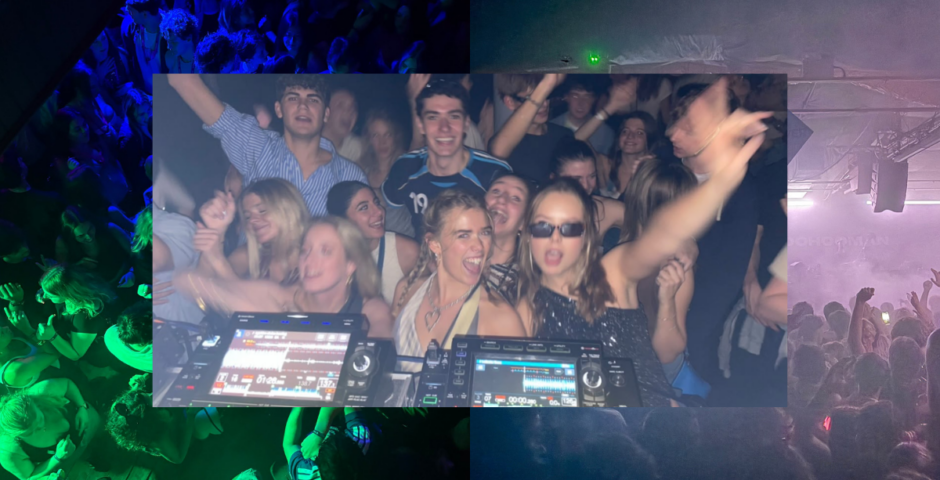
I still remember the faded nostalgia of an OMG Friday. Rocking up at 12 am, getting in straightaway, paying £5 to secure yourself a night of guaranteed fun and chaos. This time it was steadily getting busier but not yet rammed – an early forewarning of OMG’s revolution into a jam-packed Friday night free-for-all. We didn’t know how good we had it, and why should we have? The insane scramble of getting into any popular student club right now feels caricatured, and if £8 remains the new baseline for entry, I may just burst into a puff of smoke.

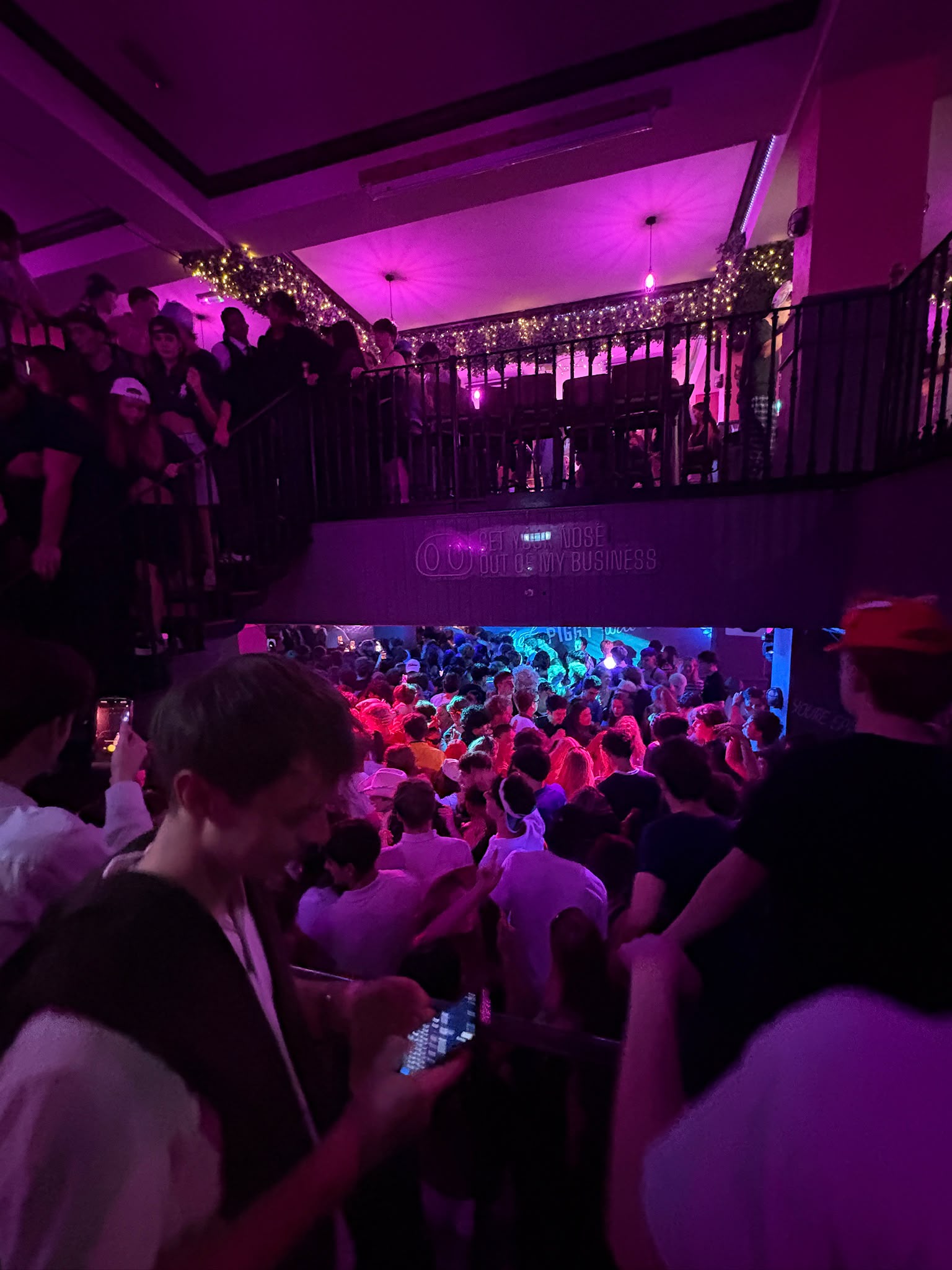
I don’t know if it’s just me, but the fabric of clubbing feels different this year. Fun is still had, but that fun has become too dependent on planning, strategy, and simply being in the right place at the right time. If you want to go to OMG, you have to be trekking down Park Street before you’ve even hit Spoons to secure a wristband, which has become something of a safety net. Without it, you must stealthily weave through the hour-long queue only to be met with an even denser abyss of bodies when you finally get in.
You enter the main dance floor with trepidation, the alcohol somehow intensifying the sobering fear that someone will end up in free fall. When you go clubbing, you want to let everything go, to release every cumbersome daytime thought and enjoy the mindless hedonism it’s supposed to provide. So why are we forced to jolt our inebriated brains back into action? Why have clubs facilitated conditions which don’t prioritise health and safety for the demographic that needs it most?
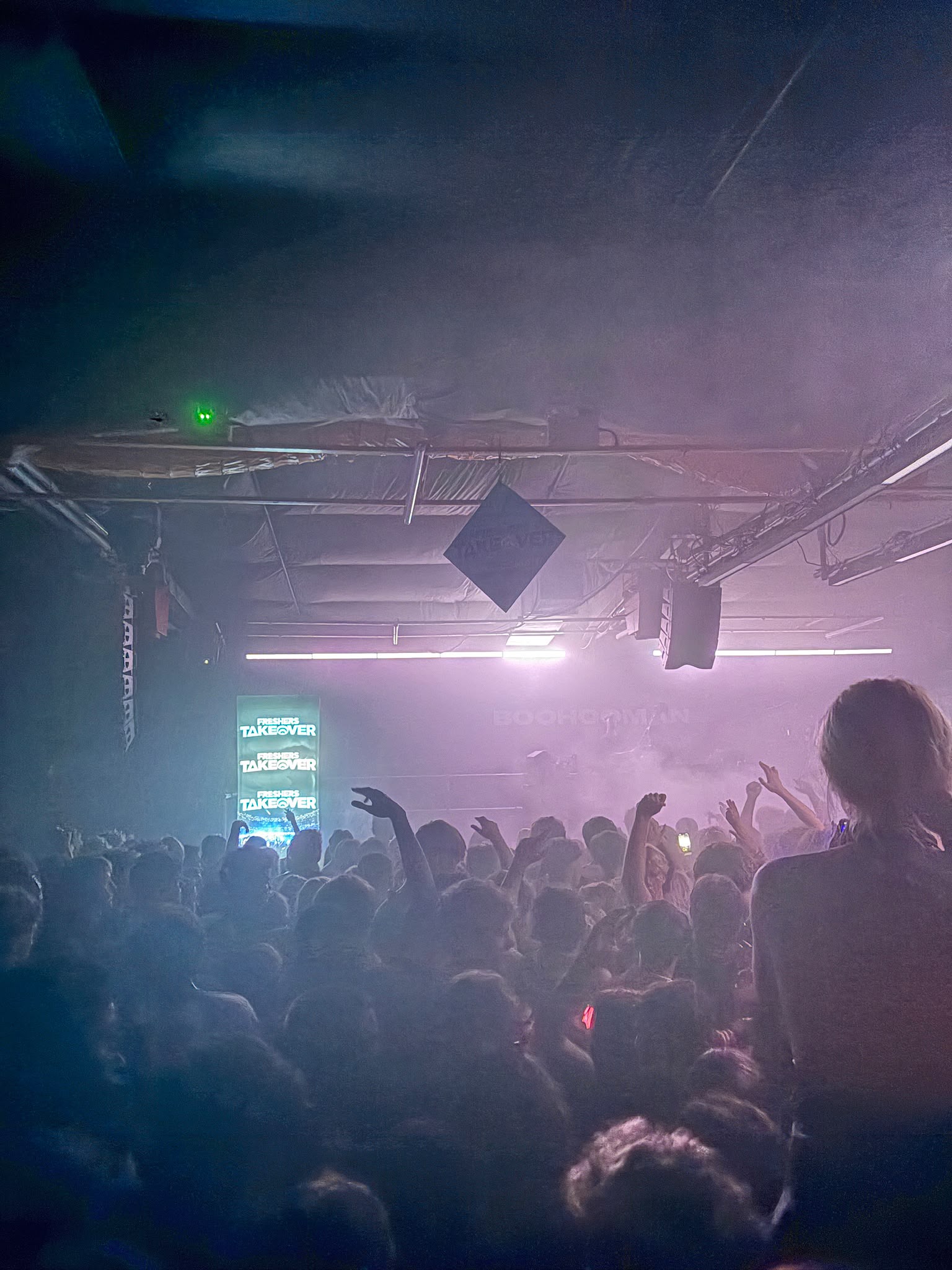
On a Wednesday night, the Triangle shares the same fate. If you and your friends want to go to a Fishies event, best believe you’ll be texting everyone and their dad to try and get the male tennis discount code, because it’s 10 am on a Wednesday and that’s the only tier of tickets left. That leads me to a bigger concern. Frantic queuing and price inflation are things we would expect in a Ticketmaster war to see our favourite, world-famous artist, but when they become prerequisites for a regular night out, one must wonder if there’s something bigger fuelling the shift.


With the new academic season in full swing, the University of Bristol’s student population is back and bigger than ever. Whilst the new Temple Meads campus accommodates an additional 4,600 students and purpose-built accommodations (PBSAs) are in constant proliferation, student enrolment has been rapidly rising for years. The long-term result is that recreational spaces that used to accommodate around 18,500 UoB students back in 2010 are now confronted with a student cohort of over 30,000 from the University of Bristol alone. 16 years after OMG opened in 2010, demand has risen staggeringly whilst supply stays relatively stagnant. Although clubs cannot be held responsible for taming the burgeoning student population, it is their duty to adjust their services to safely manage the numbers: something which they have seemingly failed to do.
Night clubs are supposed to be a haven for people to seek solace in and be momentarily cushioned from the problems of the world. Recently, though, they feel more like a microcosm of the city’s most topical economic issues: a steepening cost-of-living crisis and a lack of adequate housing. Though clubs cannot be entry price-hikes and massive OMG queues undoubtedly pale in comparison to these problems, they are nonetheless signposts of the city’s socioeconomic direction.
Students are not to blame. To expect young people to simply disperse from their go-to places and redistribute themselves is both unrealistic and insensitive to our primal need for familiarity and connection. In other words, we’re sheep, and most of us will continue to be steered where we think is most ‘active’, undeterred by the financial or mental cost (a perfect formula for clubs that want to make money). Profits would surely still flourish, however, if these establishments were simply realistic about the number of people they can take on, instead of letting queues spiral out of control whilst assuring those at the front that they’re the last to go in.
https://www.pressreader.com/uk/western-daily-press/20260901/281560887657087


Latest
Yachts? Wall Street? Distilleries? Blake Carver lived a thousand lives before Love Is Blind

He moved from Boston years ago

Cheap student recipes to try this winter

Here are three delicious and cheap meal ideas that you can make without breaking the bank
The great Ticketmaster war of Bristol clubbing

What happens when clubbing stops being escapism and starts resembling something we should escape from?
The Celebrity Traitors’ heights, as James Blunt looks demure and dainty next to Michael Sheen

Why did I think Maya Jama was basically an Amazon warrior?
The Traitors rules don’t stop when they leave the castle, with strict hotel policy in place

The producers actually think of everything
‘Monsters are real’: Types of Newcastle men as horror movie characters

Which is scarier – bedroom DJs or nightlife promoters?
The best last minute Halloween costumes to throw together at the witching hour

For anyone who left their costume a little too late…

This psychologist’s quiz uses science to reveal whether you’d be a Faithful or a Traitor
This quiz made me sound like a sociopath
Love Is Blind’s Wilson recalls ‘intense’ chat with Wilnie’s family about ‘household chores’
‘It seemed like I wasn’t willing to support my partner’
Sheffield City Council set to accept £1.44m to help rough sleepers

Charities warn that long-term support is needed to prevent people from becoming homeless again
Early breakfast to hotels at 3am: The daily routine for celebs filming in The Celebrity Traitors castle

Psychological checks take place every day
Try not to laugh, but Freddy Krueger is being cancelled after people learned his backstory
Shockingly, the man with finger knives is not a good dude
Leigh-Anne reveals who she was closest to on Celebrity Traitors, explaining the castle dynamic
She had a solid group in there


Love Is Blind’s Erika fell for Blake in the first place because of unaired DMCs from the pods
Erika cited the ‘invisible string theory’
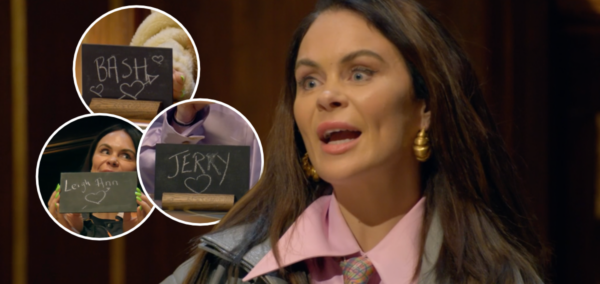
Joanne McNally’s motivation behind chaotic Traitors voting is either genius or pure delusion
‘I stand by my strategy’

The strict amount of contact the Celebrity Traitors cast are allowed with the outside world
The rule is very specific