
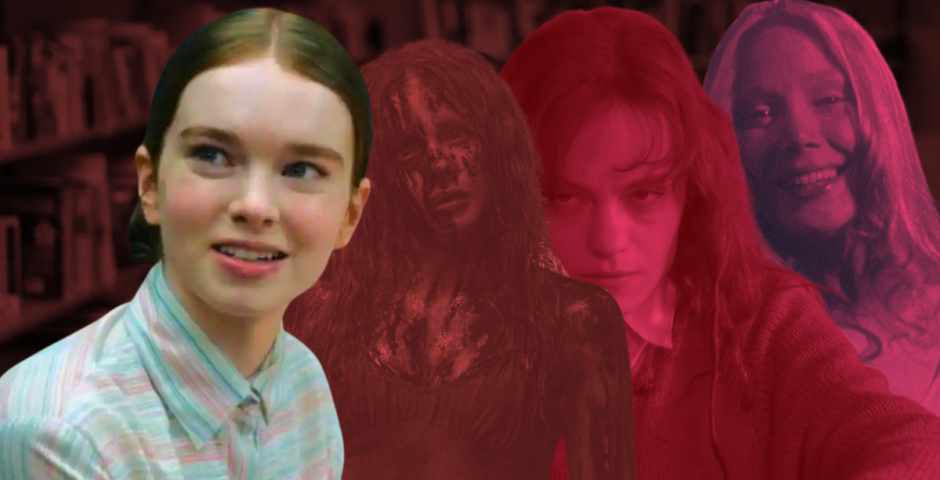
The Carrie White problem: Hollywood can’t imagine a fat girl deserving our sympathy
Mike Flanagan’s new Carrie show continues this long and infuriating tradition
Everyone loves an underdog until they’re fat. Then the jokes and cruelty suddenly become fair game. Just ask Carrie White.
April 5, 1974, Stephen King published his very first book, Carrie. Despite being relatively short, ranging from 199 to 272 pages, the book packed a punch, and its titular character became one of his most iconic figures in horror. So iconic, in fact, that the book has been adapted six times in various formats.
But across those adaptations, from TV shows to films, one theme remains more horrifyingly familiar over several decades: One of horror’s most tragic stories needs a conventionally beautiful focal point.
The way Carrie is described in the book is so different
Credit: Vertical Entertainment
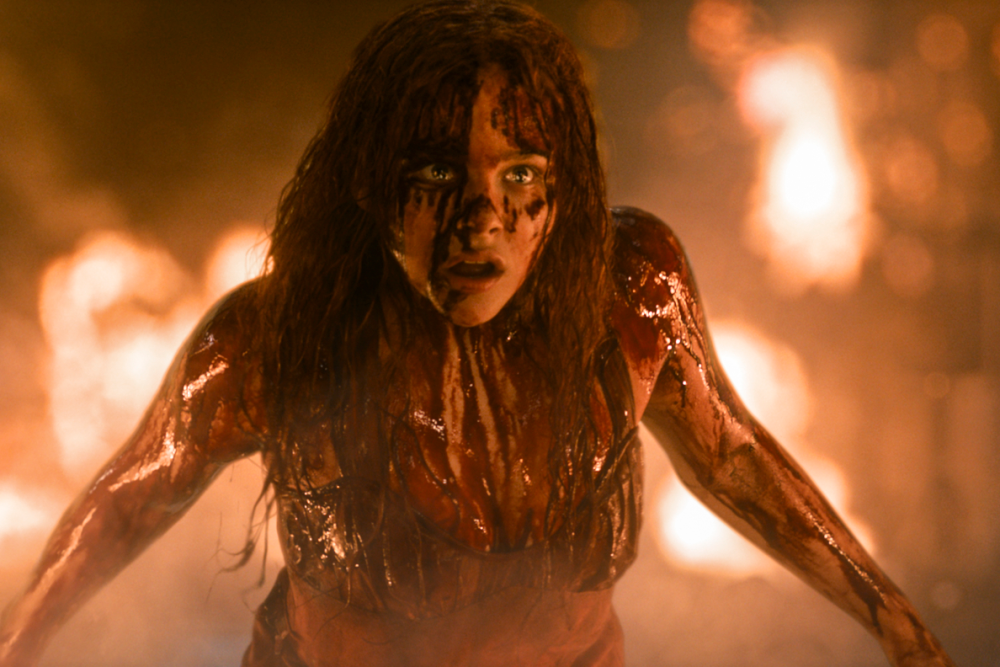
I wasn’t around for the book’s release, nor the numerous adaptations that came after it. My first interaction with Carrie was, admittedly, the 2013 adaptation starring Chloë Grace Moretz, Julianne Moore, and Ansel Elgort.
And I was obsessed. Part of it was the graphic violence and unbridled rage that teenagers are naturally drawn to. But part of it was seeing a bully victim finally get her own back. Here was someone who’d been humiliated, tormented and pushed to her breaking point, and now the people who’d made her life hell were getting what was coming to them. (Pardon my teenage naivety. I understand now that King’s story is about so much more than revenge.)
Book Carrie and Chloë Grace Moretz’s Carrie barely resembled each other. Book Carrie was described as “chunky” and heavy-set, with pale skin, greasy hair, spotty skin, and a tendency to fill her sadness with eating. Meanwhile, Chloë recieved Hollywood’s “ugly girl treatment” that the other Carries got, which was essentially unbrushed hair, a pale complexion, and slouching.
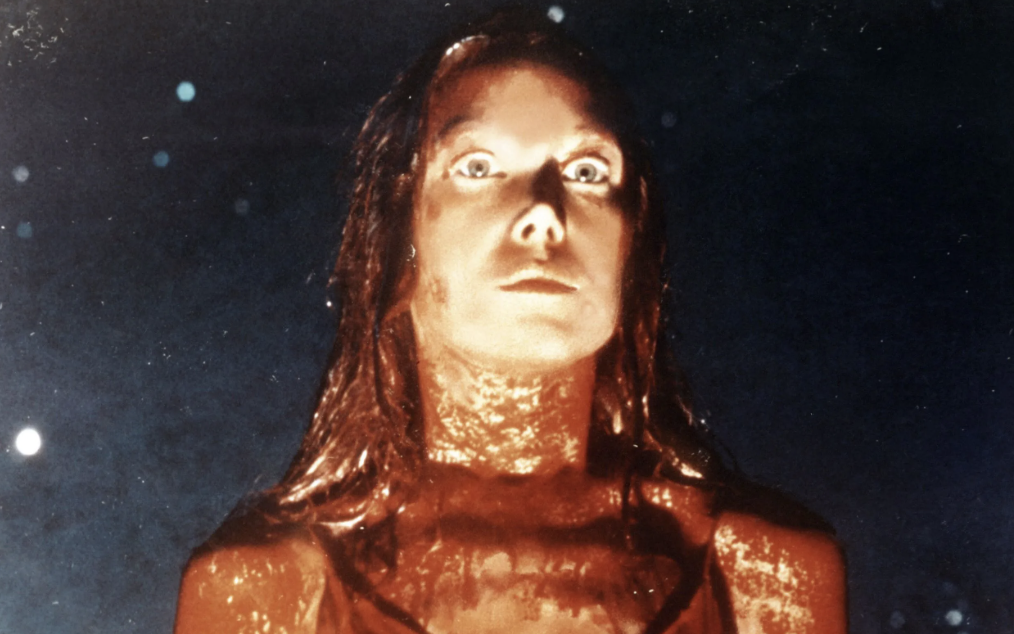
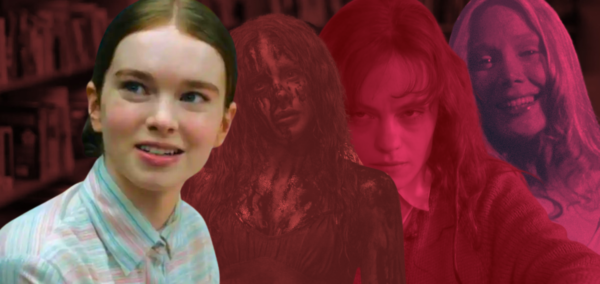
And that, to me and many others, is the problem. Across every adaptation, from the original 1976 film onwards, Carrie has been played by a young woman who fits what society sees as traditionally attractive. A story about everyday cruelty ending in the extreme has repeatedly cast someone who fits society’s beauty standards. The girl we’re supposed to pity has to be pretty enough to deserve our sympathy, it seems.
Credit: Amazon MGM Studios
Mike Flanagan’s 2026 show followed suit, and that’s what makes this so frustrating. This isn’t about whether these actresses are talented, or whether their portrayals are worth watching, or even that slender people can’t be cruelly bullied. They can.
It’s about the fact that, decade after decade, we keep telling a story about a girl punished for how she looks without ever letting her look the way society punishes girls for looking. But why?
Body image expert Christine Ruberti-Bruning shared a theory in an interview with The Tab.
“Carrie is written to be a complex character and does some horrific things. Yet we still sympathise with her as an audience,” she said. “I honestly believe that the writers fear that viewers will struggle to sympathise with Carrie if she were in a larger body.”
Why isn’t Carrie allowed to be fat?
Following the release of 2026’s Carrie adaptation, which recieved 85 per cent on Rotten Tomatoes, people are once again talking about the rarity of a book-accurate Carrie White.
“Isn’t Carrie supposed to be fat and have really bad acne..? Why does every movie depict her as skinny and conventionally attractive with perfect skin??” one person said on Twitter.
Another wrote: “Carrie is fat in the book and no film adaptation has had the balls to actually follow through on the wanton cruelty of youth.”
They just refuse to ever cast a fat actress for this roll for some reason.
Like genuinely I know anyone can be bullied but Carrie being fat was a HUGE reason she was targeted!
The pigs blood is completely random if they don’t call her a pig https://t.co/Rwe8iKCWY6— S0rrysorry (RealFEObsessive) (@SMcloughli24864) September 9, 2026
It sparked some interesting questions for therapist and eating disorder specialist Alli Spotts-De Lazzer.
“So, when a character originally described as chunky and perceived as unattractive (but with the potential to be seen as attractive) is repeatedly portrayed by a conventionally attractive actress, what might that tell us about whose suffering audiences are expected to empathise with?” she questioned with The Tab.
Alli noted that, historically, Hollywood as an institution embraces “icons of beauty”. But even with the rise of social media and a hunger for “real life” portrayals, she can’t speak to “how much has changed” since the first Carrie adaptation in the ’70s.
“The question it leaves me with is this: Do movies show us who audiences are capable of empathising with, or who Hollywood believes audiences will empathise with?” she told us.
The issue with Carrie White speaks to a larger problem at play
It’s hard to ignore the connection between the lack of a book-accurate Carrie and the pervasiveness of fatphobia in 2026. We’ve come a long way, but not far enough.
“Fat phobia is a system we are born into, and it involves an intentional process of unlearning those beliefs. It can feel daunting to push back against weight stigma when it is so normalised,” Christine argued.
Specifically, she referenced the “rise of GLP-1s and Skinny-Tok”, the prevalence of looksmaxxing and the decades-long traditions of fatphobia, from healthcare settings to schools.
Alli agreed, referencing a study in Fiji that documented an increase in eating disorder behaviours following the introduction of television.
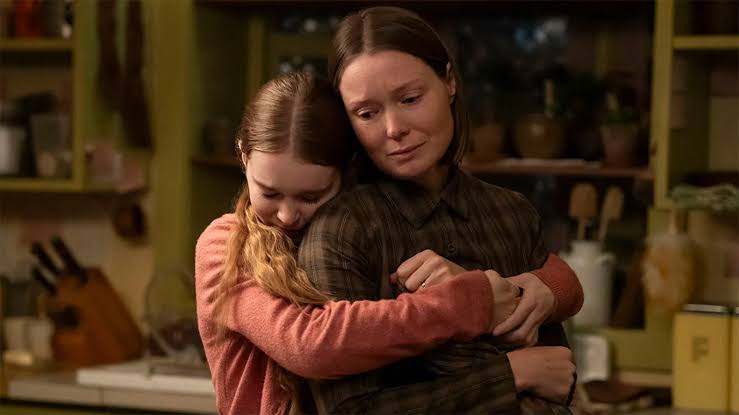
Credit: Prime Video
But what came first: The chicken or the egg?
It raises the old age-old question: Does media mirror real life, or the other way around? Do we humans naturally empathise more with thin people, and media exposes that, or do we simply copy what we see on TV?
The most frightening thing about Carrie isn’t what happens in that school gym. It’s how ordinary the cruelty is before the bloodshed begins. The humiliation. The bullying. The collective decision that one girl is different enough to deserve it.
We can watch that story unfold and recognise the horror of what was done to Carrie. But outside the cinema, we still live in a world where fat people are mocked for their bodies and expected to accept it. Where their pain is dismissed, their humiliation is entertainment, and their suffering comes with an unspoken question: What did you expect?
And if we can’t find it in ourselves to sympathise with the people we mock, perhaps we’re not so different from Carrie’s tormentors after all.
There’s only one way to find out: Give us a book-accurate Carrie. If we can’t sympathise with her, then perhaps the problem was never the casting.
For more, like The Tab on Facebook.
Featured image credit: Prime Video/Vertical Entertainment/ Amazon MGM Studios/NBC
Latest
The Carrie White problem: Hollywood can’t imagine a fat girl deserving our sympathy

Mike Flanagan’s new Carrie show continues this long and infuriating tradition

‘People just don’t like you’: Romesh’s take amidst claims of a Celebrity Traitors feud is spot on
It has been claimed that James Acaster was made to feel uncomfortable
Timeline of Samie and Tyrique’s relationship explained, as she shares statement about baby news

She’s four months pregnant

West Midlands mayor responds after thousands oppose plans threatening Birmingham music venues

The response comes after a protest party on Sunday 11th October hosted by vulnerable music hubs


An investigation into how boujie Michaella’s life actually is beyond Love Is Blind

Well, she did announce she was high maintenance
Love Is Blind’s Wilson and Wilnie explain the circumstances of Malaine’s ‘difficult’ exit
‘We could have had that conversation’

Newcastle University student left in tears after robbery

The student was described as ‘crying and emotional’ on the ground after the attack
The worst day ever: University of Birmingham student edition

Welcome to the one day that every UoB student prays not to encounter, but will inevitably experience in one way or another
If you apply Hannah Fry’s Celebrity Traitors formula to the show, it’s so clear she would’ve won
Maya and James saved their skins by recruiting her
The 20 cheapest UK universities for a night out in 2026, revealed
Liverpool is one of the best places for skint students to go out

Celebrity Traitors star who had an early exit launches members’ club, and one tier is £999
For £299 a year you can get a meet-and-greet… via video
Pitbull themed charity 5k returns to Manchester for a second time

Bald caps, sunglasses and Mr Worldwide’s greatest hits will once again take over the streets
Sarah reveals parts of political conversations she had with John that got cut from Love Is Blind
‘I wish everyone could have seen the full conversation’
Zoella and Alfie have been spotted in New York, after months away from social media

They’ve been out of the spotlight
Bus confused? A Durham student’s guide to the bus
Your guide to the cheapest and easiest way to get around Durham

Stepdad accused of murdering Lancashire student declines to give evidence during trial

Nathan Owens, 34, allegedly attacked and killed his step-daughter at her accommodation in Preston
New to Exeter? Here are eight things to add to your uni bucket list

From EGB and Varsity to beach days in Exmouth, here are things you must tick off before you leave
Guarding the Queen to freestyle rapper: The odd jobs The Celebrity Traitors cast had before fame
Sharon Rooney used to teach kids about water safety
The Traitors has three identical diary rooms so several players can film at the same time
There are also six cloaks