

TV psychologist breaks down all the tests Love Island hopefuls take during application stages
Wannabe Islanders are assessed on a number of things
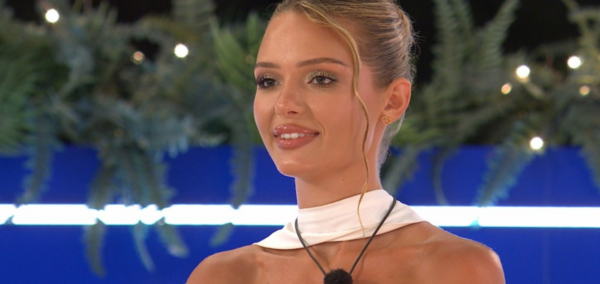
A reality TV psychologist has broken down all the different tests and stages hopefuls will go through when completing the application for shows such as Love Island. Let’s just say, it’s a lot.
The Love Island application is long, and contracts are then given to successful Islanders in the weeks prior to flying out to the villa. After the application, there are multiple auditions and phone and Zoom calls with the producers. As well as this, hopefuls will be given both phsyical and mental health evaluations, and warned of what can come from appearing on such huge, and scrutinised, shows.
Steven Stein, a psychologist who during his career has consulted on shows such as Big Brother and Bachelor in Paradise, has shared his knowledge of these processes, and what they actually involve. He said the wannabe cast members will be put through psychological testing, and multiple screenings before being allowed to go on the show.

via ITV
Speaking to UNILAD, Steven said: “Mental health support during and after the show has been found to be very important. When I started working in this area over 20 years ago, support was rarely provided postproduction. I work on many shows now where I provide weekly support, debriefing upon exit, and follow-up when the show actually airs.”
As well as follow up support, a lot of the big tests come way before a show has even started. “The pre-show psychological screening usually includes a battery of psychological tests, demographic profile, and an interview with a psychologist,” Steven explained.
Most Read
Pre-casting tests also include: A mental health screening, substance use and abuse tests, stress tolerance assessments, and an assessment of emotional intelligence. “For example, we may assess anger expression, cognitive intelligence, stress coping strategies, etc,” he added.
He noted it’s important to find out why someone wants to be on the show they have applied for, as fame and new work opportunities isn’t guaranteed, and can dry up.
“As part of the selection process, I always ask candidates why they are motivated to be on the show,” Steven said. This may give a contestant the chance to open up on about any fears they have regarding life after the show, and Steven said a main fear is often “being defined by something they say or do in anger.”
He added: “It’s not easy to be fully in control of everything you say or do while under surveillance 24-hours a day with pressure as part of the game. More and more candidates try to prepare for this.
“Those who care about whether they are perceived negatively spend time focussing on how they can prevent this. It’s not easy to be fully in control of everything you say or do while under surveillance 24-hours a day with pressure as part of the game.”
For all the latest Love Island news and gossip, like The Holy Church of Love Island on Facebook.

Latest
Oasis is returning to Manchester: here’s everything you need to know

Get your bucket hats at the ready for another Ticketmaster war

The Lost Paintings: A Prelude to Return at Bristol Museum and Art Gallery

19 June – 27 September 2026
The Lost Paintings: A Prelude to Return, running until 27 September, brings together 53 Palestinian artists from Palestine and the diaspora. Each artist was invited to respond to one of Tomb’s lost painting titles.
The mother of missing Jack O’Sullivan blames police for ‘total failure’ to find him

The most recent update in the Jack O’Sullivan case
New Sloane Robinson Building opens: Temple Quarter

First step towards the new Temple Quarter Enterprise Campus

Missing 13-year-old found in Manchester city centre after eight day search

Police have confirmed the teenager is safe and well
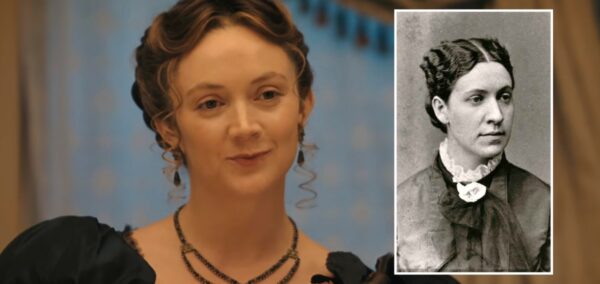
Who Lizzie Borden’s sister Emma was and if they were close, because Monster gets it all wrong

She never got married for a start
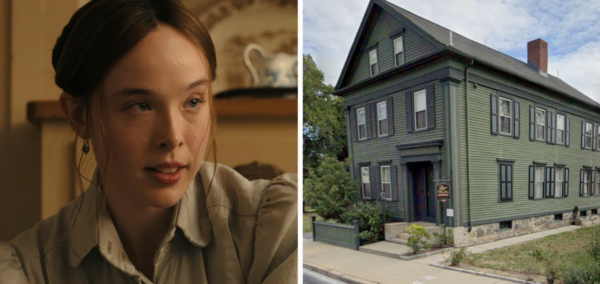
The real life Lizzie Borden house is still standing today, so here’s what it’s used for

It’s one of the most visited true crime landmarks
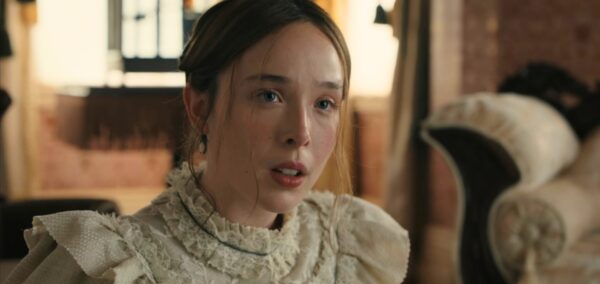
What Lizzie Borden was actually like in real life, according to the people who knew her
Monster keeps describing her as ‘plain’
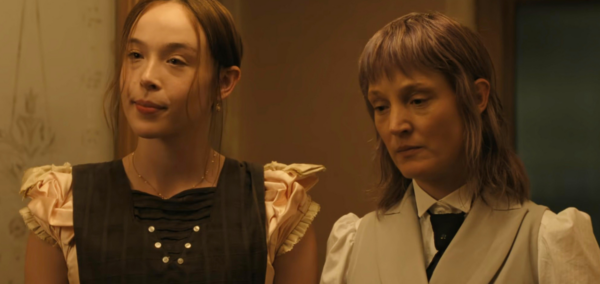
Was Lizzie Borden in love with her maid Bridget? The real life theory around her sexuality
People dug up notes and have tried to prove the theory for decades
Calling all aspiring journalists! How to join The Bristol Tab

Come to our open meeting on the 28th of September at 8pm at The Beckford (In Senate House)

Stop what you’re doing: The King’s Tab is looking for new writers AND content creators

Come to our open meeting on Thursday 1st October, 5pm at The Vault!

Channelling your broke uni student lifestyle

Not everything needs to be accompanied by a £5 iced latte, here’s how to be more mindful
The York Tab is recruiting new writers and we want YOU!

Open meeting Monday 28th September, 6pm in SLB/004!
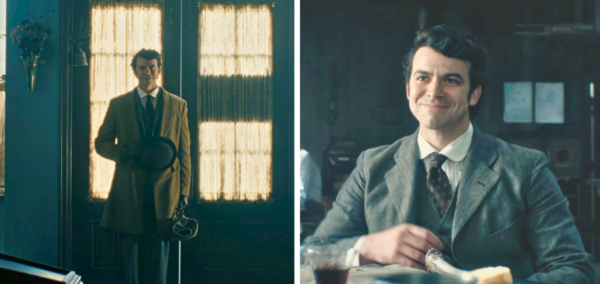
Here’s who the uncle in Monster: The Lizzie Borden Story was, and what Netflix makes up

John Morse really did stay in the Bordens’ house
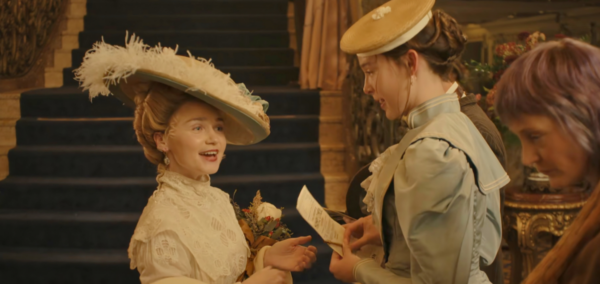
Er, Lizzie Borden’s meeting with the actor Nance O’Neil was nothing like Netflix’s Monster
Their paths didn’t actually cross for another 14 years
With 600 alleged killings, this minor character in Lizzie Borden should have been the Monster

HUGE missed opportunity
Did Andrew Borden have a stutter? Charlie Hunnam breaks down accent and voice in Netflix show
The actor has fully explained it
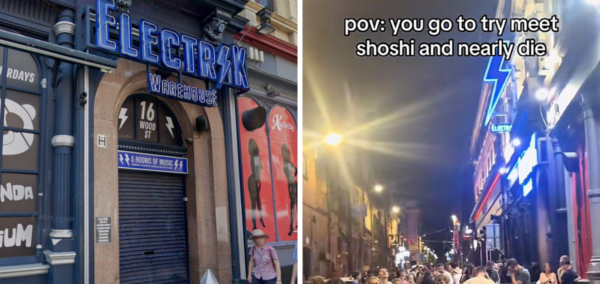
Elektrik Warehouse responds to alleged ‘crowd crush’ concerns at Shoshi event

‘It was just lucky nothing insanely bad happened’
Uni of Edinburgh confirms 25 days of strike action over five weeks, affecting Welcome Week

Am email sent to Edinburgh University students read ‘staff are not obliged to tell us if they plan to take part, which means we cannot tell you who is or is not’

There’s a really smart way to hack your Spotify Wrapped results for 2026 – before it’s too late
The cut-off for data tracking is very soon!