
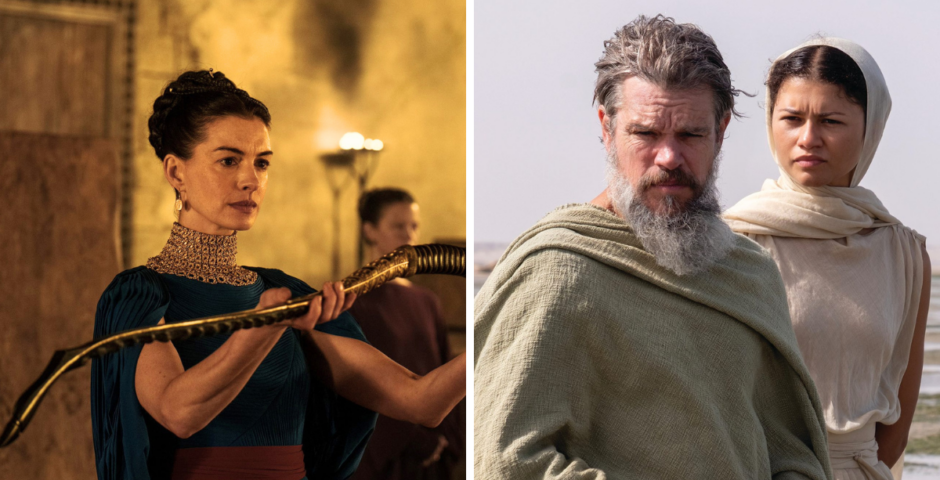
Nine major scenes Christopher Nolan’s The Odyssey left out that completely changed the story
Can’t believe the bag of winds storyline was cut

Christopher Nolan’s The Odyssey has been praised for staying surprisingly faithful to Homer’s 3,000-year-old epic, but there was never any way the director could fit every single part of the poem into one film.
The original story spans 24 books and roughly 12,000 lines, so loads of moments had to be shortened, changed or cut altogether. Some of the missing scenes completely change how certain characters are introduced, while others remove entire adventures from Odysseus’ journey home.
So, here are nine huge things Christopher Nolan left out of The Odyssey.
Most of the Greek gods never actually appear
via Universal Studios
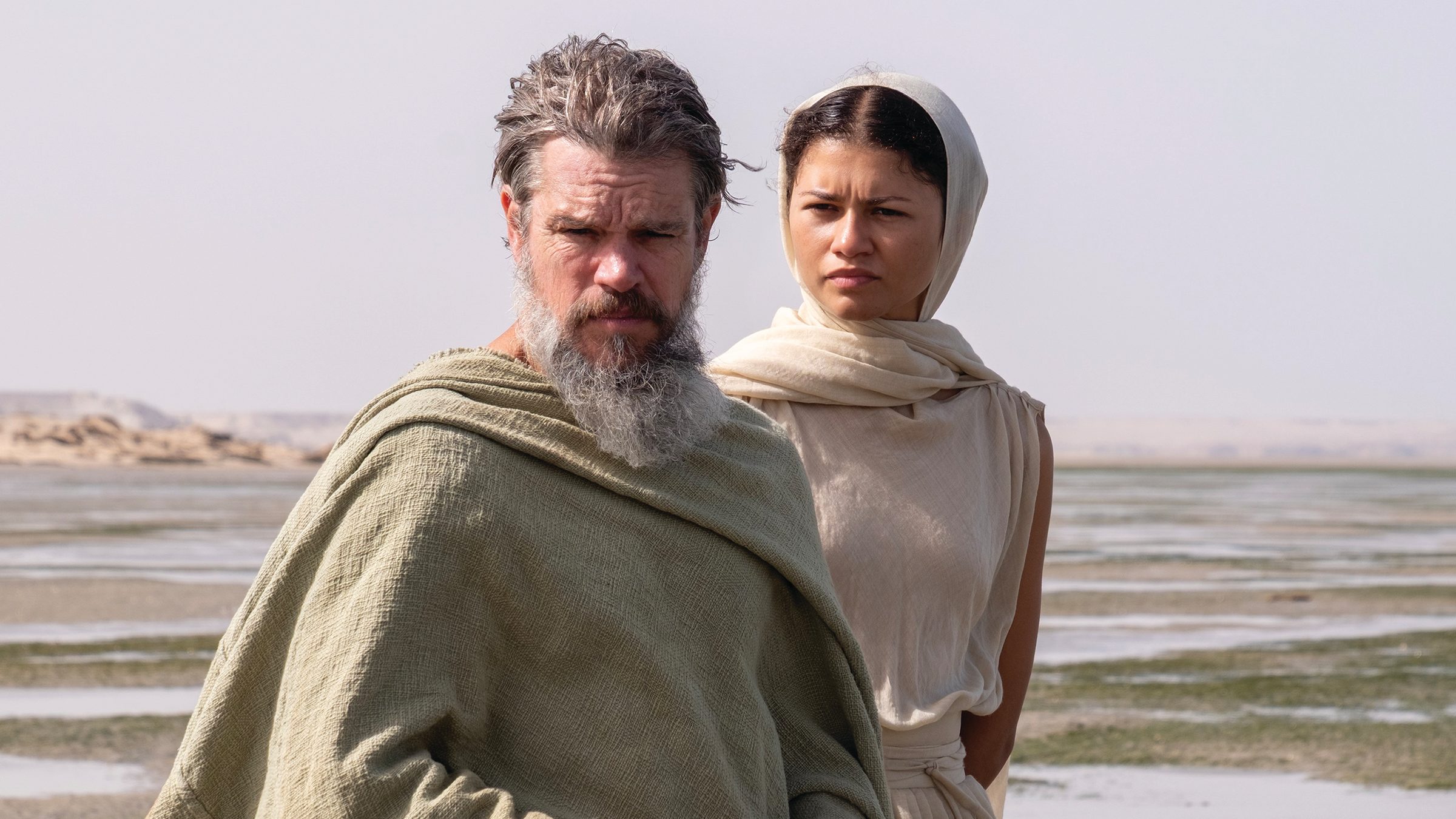
One of the biggest changes is just how few gods appear in the film. According to Homer’s poem, Odysseus’ journey is constantly shaped by the gods. Zeus, Poseidon, Hermes, Helios, Persephone and even Hades all either appear or directly influence what happens. Poseidon spends years trying to stop Odysseus getting home after his son, the Cyclops Polyphemus, is blinded, while Hermes repeatedly steps in to help him.
In Nolan’s adaptation, however, Athena is basically the only god audiences physically see. Zeus and Poseidon are mentioned throughout the story, and their influence is often suggested through storms and changing weather, but they never actually appear on screen.
Speaking to Vulture, Nolan explained, “For me, having these remote gods with chess pieces or whatever, all the things you’ve seen in the past, felt alienating.”
He continued, “It’s not so much about trying to be realistic. It’s just trying to see the gods the way these characters would have seen them.”
Odysseus’ clever ‘Nobody’ trick is completely missing
The battle with the Cyclops Polyphemus is still one of the biggest action scenes in Nolan’s film, but one of the most famous moments from Homer’s poem never happens. In the original story, before revealing his real identity, Odysseus tells the Cyclops that his name is “Nobody”. Later, after Odysseus blinds him, Polyphemus screams for help.
Because he shouts, “Nobody’s tricked me! Nobody’s ruined me!”, the other Cyclopes assume nothing is wrong and leave him alone. Only after escaping does Odysseus proudly reveal his real name, allowing Polyphemus to pray to his father, Poseidon, who then spends years making Odysseus’ journey home even harder.
Speaking during an appearance on The Daily Show, Nolan admitted, “I understand. It’s a pun. Puns in translation are tough. I tried. It was not possible to work it in.”
The magical leather bag of wind disappears entirely
via Universal Studios
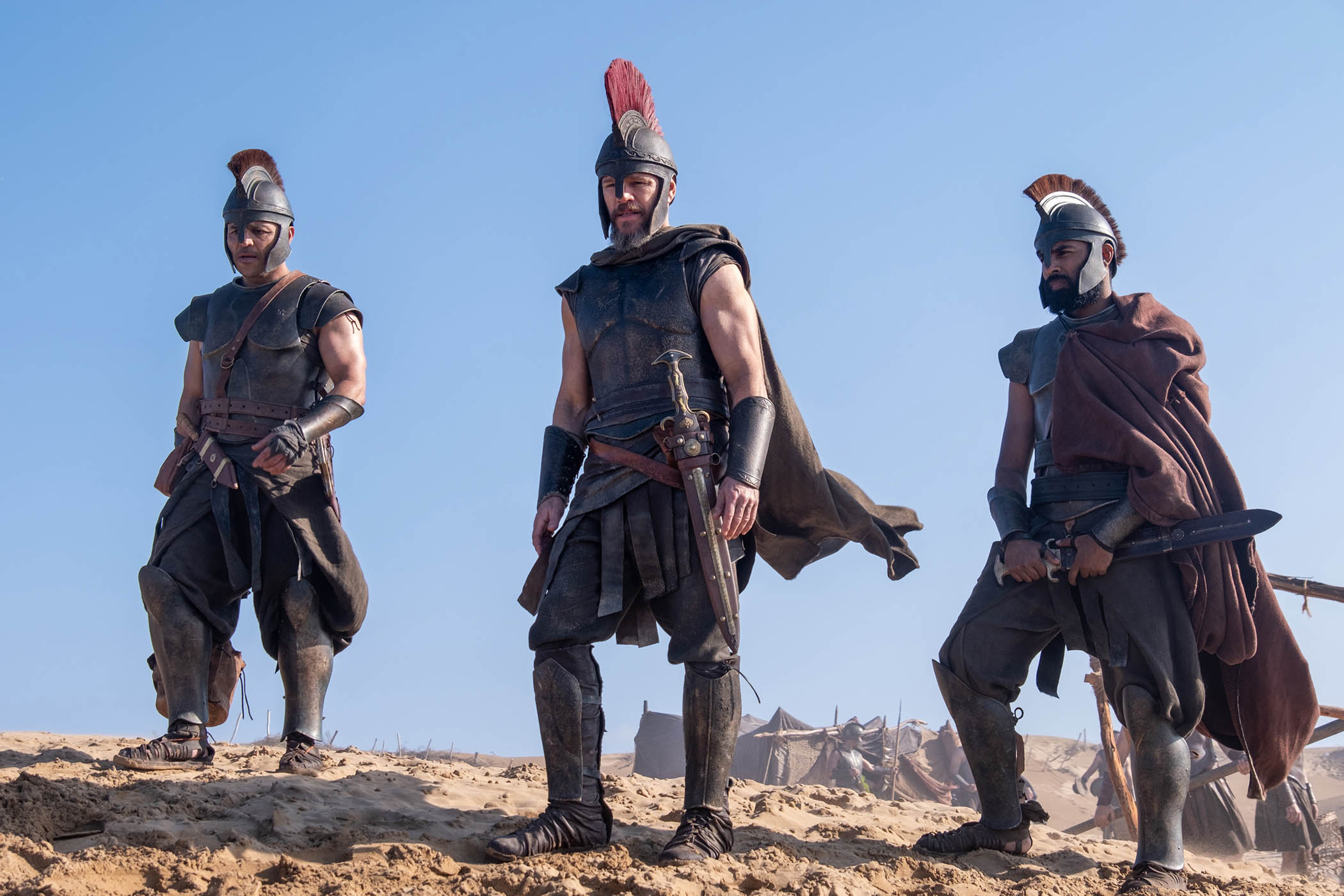
This is one of the major scenes that many viewers have said should have been included because it shows the growing distrust among Odysseus’ crew.
According to Homer’s poem, after escaping the Cyclops, Odysseus and his crew arrive on the floating island of Aeolia, where they meet Aeolus, the ruler of the winds. Aeolus welcomes them for an entire month before giving Odysseus a magical leather bag containing every dangerous wind that could stop them reaching Ithaca. The only breeze left outside the bag is one that gently pushes their ship home.
Just as Ithaca comes into sight, Odysseus falls asleep. His curious crew believe the bag contains treasure, so they open it while he’s resting. Instead, every storm bursts free, sending the ship all the way back across the sea to Aeolia. When they return, Aeolus refuses to help them again because he believes the gods have cursed them.
That entire storyline is skipped in Nolan’s adaptation.
Circe’s relationship with Odysseus is very different
Circe still plays an important role in the film, but what happens between her and Odysseus is actually very different from Homer’s version.
Both stories show the witch turning Odysseus’ crew into pigs after pretending to welcome them onto her island. But in the original poem, Hermes appears before Odysseus meets Circe and gives him a magical herb called moly, which protects him from her magic. When her spell fails, Odysseus forces Circe to turn his men back into humans.



They then become lovers, and Odysseus stays on her island for an entire year while Circe feeds and looks after his crew.
Calypso’s storyline changes almost completely
via Universal Studios
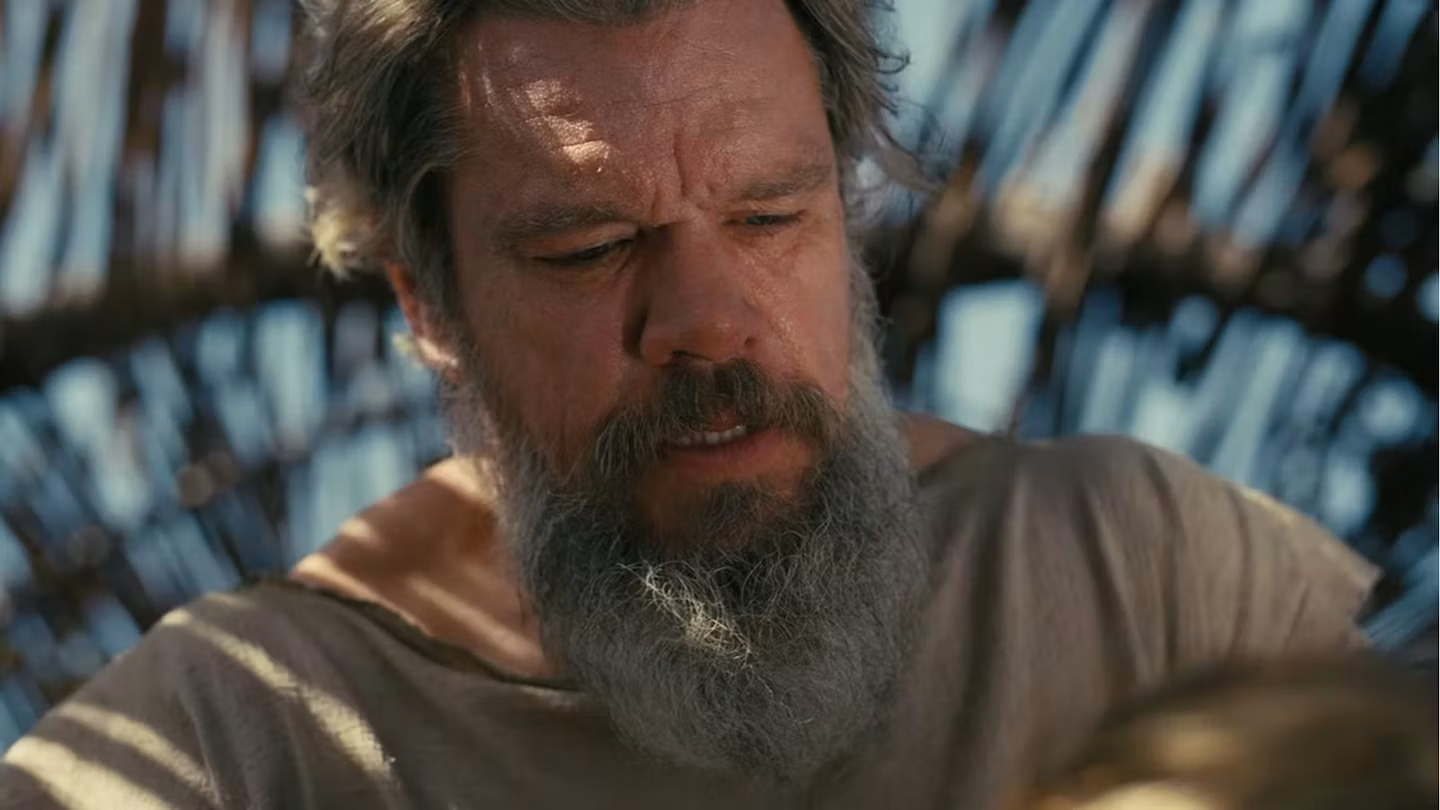
Calypso’s role is probably one of the biggest departures from Homer’s original poem. In Nolan’s adaptation, Odysseus slowly remembers his past through flashbacks while trapped on Calypso’s island. She’s also shown giving him lotus flowers that keep him confused and unable to fully remember his life in Ithaca.
But those two storylines are actually separate. The lotus flowers appear much earlier in the journey when Odysseus and his entire crew land on the Island of the Lotus-Eaters. After eating the flowers, they lose all desire to return home and have to be physically dragged back onto the ship.
Calypso, meanwhile, simply refuses to let Odysseus leave her island for seven years because she wants him to stay with her forever. Eventually, Hermes arrives with a message from Zeus ordering her to release him.
Odysseus makes one final stop before getting home
The film sees Odysseus sail home directly after leaving Calypso. But in Homer’s poem, he still has one final adventure left. Poseidon destroys the raft Odysseus builds after leaving Ogygia, leaving him stranded in the sea. He eventually reaches the island of Scheria, home of the Phaeacians.
Princess Nausicaa discovers him washed up on the shore and brings him to her parents, King Alcinous and Queen Arete. During a royal banquet, Odysseus tells the full story of everything that has happened since the Trojan War. Moved by everything he has endured, the royal family provides him with a new ship and crew. The crew finally escort him safely back to Ithaca.
None of this appears in Nolan’s film.
The fate of the handmaidens is much darker
via Universal Studios
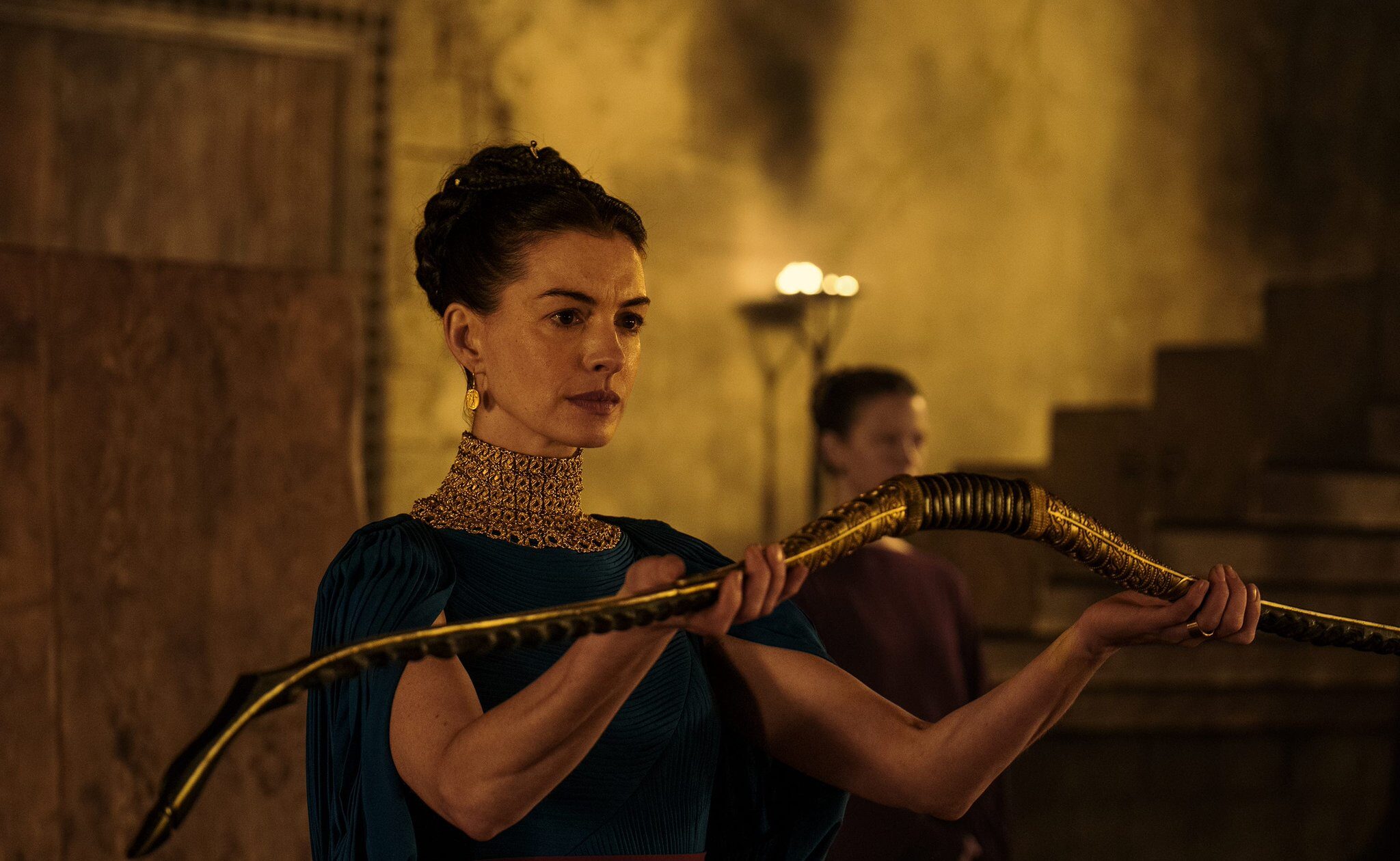
The ending of the film also softens one particularly brutal moment. Both versions reveal that Melantho betrays Penelope by helping the suitors and secretly sleeping with Antinous.
But Nolan leaves her fate unresolved. According to Homer’s poem, Telemachus orders Melantho and 11 other handmaidens who sided with the suitors to clean up the bloody aftermath of the battle before executing all of them by hanging. It’s one of the darkest moments in the entire epic.
Athena prevents another bloody battle
You might think the story ends once the suitors are defeated, but that’s actually not the case in Homer’s poem. After Odysseus kills every man who tried to marry Penelope, the families of the dead suitors gather together and prepare to take revenge.
Another battle is about to begin when Athena suddenly appears and orders both sides to stop fighting. She tells them to make peace instead, bringing the cycle of violence to an end.
Odysseus reclaims his throne
via Universal Studios
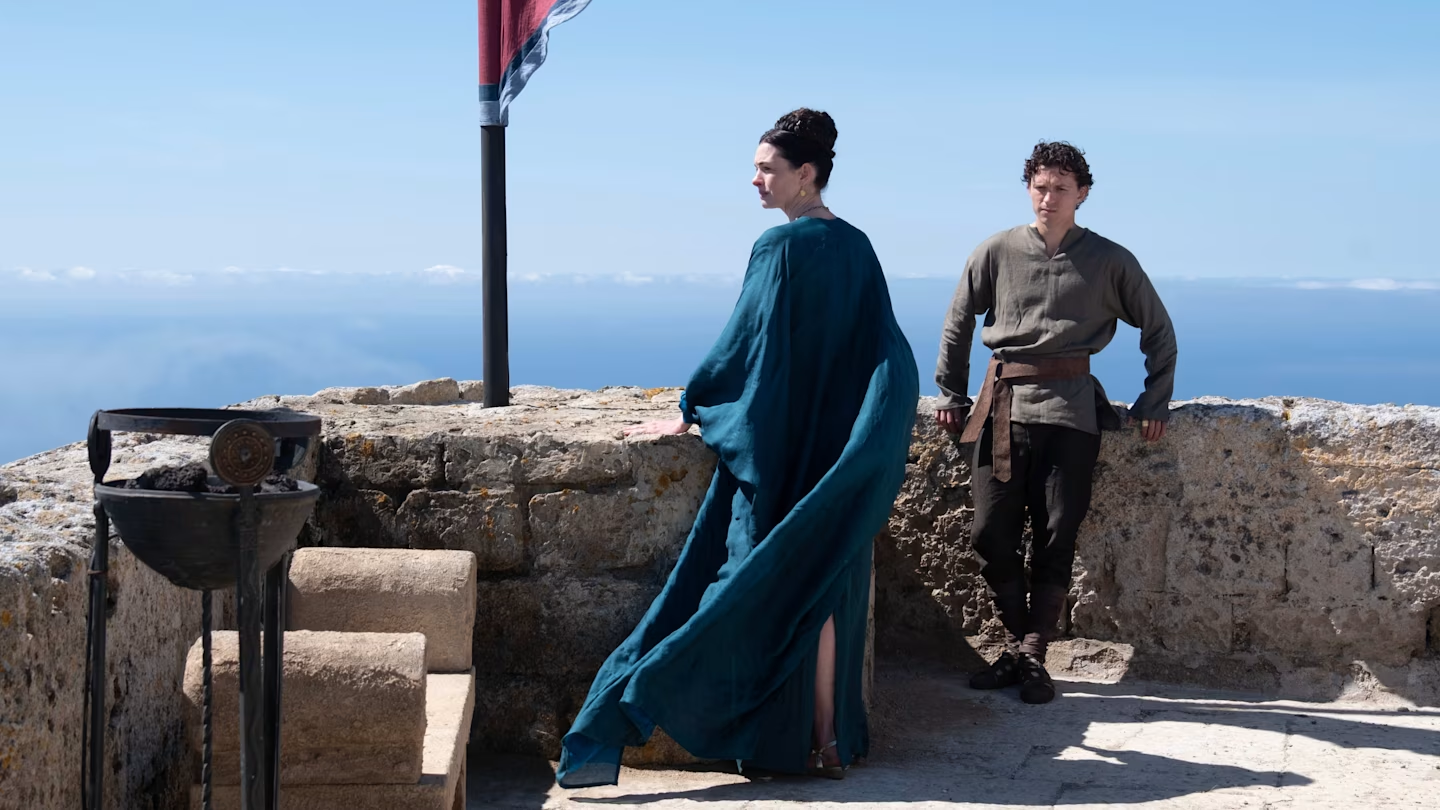
In Nolan’s adaptation, Odysseus and Penelope choose to leave Ithaca behind as an act of redemption after everything they’ve experienced during and after the Trojan War. They leave the kingdom in Telemachus’ hands, making him the new king.
That’s a major change from Homer’s ending. In the epic poem, once Athena restores peace between Odysseus and the families of the suitors, Odysseus remains King of Ithaca. He fully reclaims his throne, finally completing the journey he had spent 10 years trying to finish.
For more, like The Tab on Facebook.


Latest

Love Is Blind’s Cam didn’t ‘do great’ when Aneha critiqued his looks at their engagement

He thought, ‘Wow, does she hate me?’
Lots of the Love Is Blind S11 cast aren’t from Boston – here’s how far apart the couples live
Blake and Erika live in different states
Miranda Hart’s painful reality with illness as Celebrity Traitors marks her iconic return to TV

For years, she was told it was just stress

Interview: Alexander Newman, outgoing Editor-in-Chief

From an unpublished study of Italian seduction to the top of the masthead in record time: the outgoing Editor-in-Chief on manifestation, media barons and why first years should be kept well away from microphones

The flatmate red flags Leeds students need to watch out for (and how to avoid them)

Don’t trust your flatmate? Here’s how to fix that

Newcastle food hot spots worth spending your maintenance loan on

If you’re going to splurge, splurge at these spots x

Top tips for securing the perfect student house in Birmingham

It’s like Escape to the Country, except we’re in Selly and there’s not a blade of grass in sight x

‘Everyone needs to fart’: Bristol bus driver loses tribunal claim after ‘significant flatulence’ incident

A Bristol bus driver has lost her tribunal claim after being dismissed on probation, with the judge ruling there was no discrimination or harassment

Traitor Maya Jama outed herself at breakfast, and we (and the Faithfuls) didn’t catch it
Gotta love a classic Freudian slip

Bristol road closed off after bomb squad called to neutralise suspicious item

Bomb experts have been called to Park Street after a suspicious package was left unattended
Stew’s workplace shares hilarious videos poking fun at his time on Love Is Blind

Posted on the actual work account

Here are all the famous people you didn’t know went to university in Leeds

All five major Leeds universities have some pretty famous alumni

Want to live your Strictly dreams? Here are the best places to dance in Cardiff

Cardiff, its time to get your dancing shoes on and cha-cha-cha your way into the night

Ed Gamble has defended Celebrity Traitors’ James Acaster, after he ‘sabotaged’ challenge

‘He just wants everyone to be okay’

What Does Your Favourite Pres Game Say About You?

Your go-to pres game is basically a personality test…
H3 Podcast crew shares statement as Ethan Klein’s wife publicly accuses him of ‘nightmare’ affair
His own crew has cut ties with him

James Acaster is being called out for his bizarre behaviour during Celebrity Traitors mission
He’s taking the phrase ‘playing it safe’ too literally

Christa Pike’s team say IV site might have ‘blown’ during failed lethal injection in detailed update
They have finally explained exactly what happened
Second clip of comedian’s rape ‘joke’ resurfaces from five months before his apology
‘There are some clips coming out from that that could be a problem’