
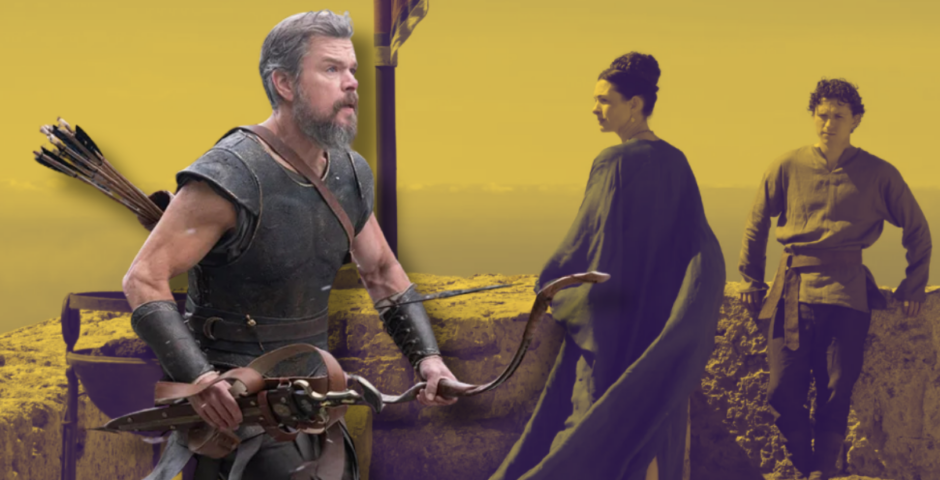
Cast to costumes: Every drama and controversy that’s overshadowed Christopher Nolan’s The Odyssey
The backlash is almost as big as the film

It’s probably one of the biggest films of the year, but there have already been a lot of dramas and controversies surrounding Christopher Nolan’s The Odyssey before it even reached cinemas.
The adaptation of Homer’s ancient Greek epic has had everyone talking, and not always for the right reasons. From casting rows to historical accuracy debates, the film has found itself caught up in loads of controversy before audiences have even had the chance to see it.
So, here are all the biggest dramas surrounding The Odyssey right now.
The casting drama kicked off almost immediately
via Universal Studios
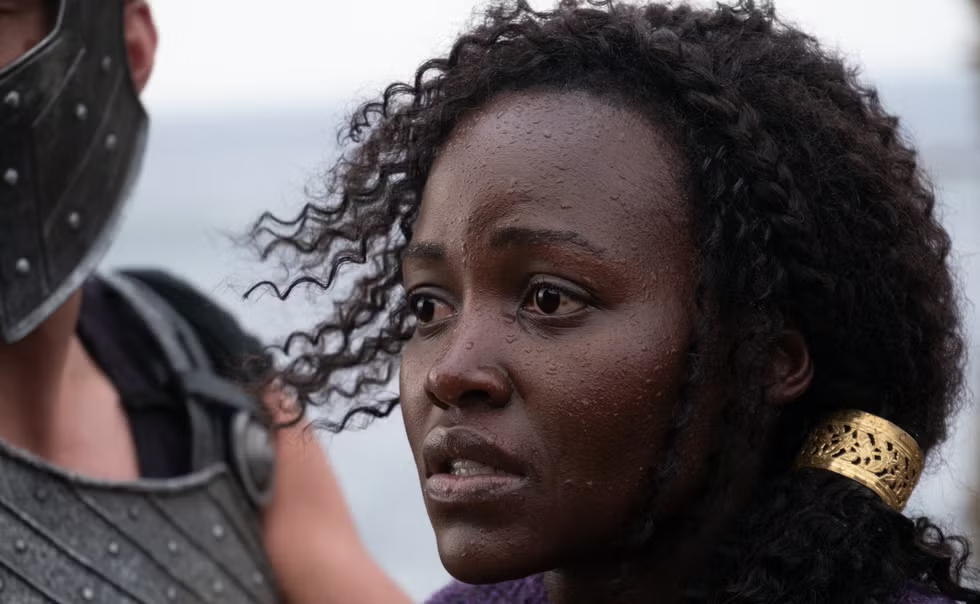
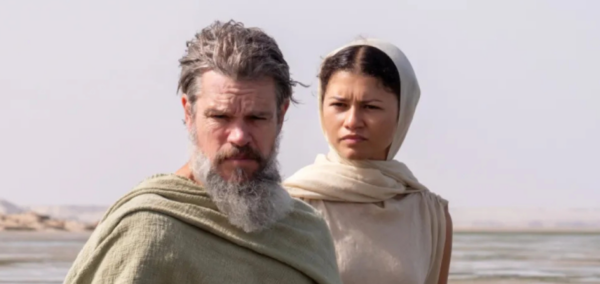
Probably the biggest controversy has been the cast. While loads of people were excited to see stars including Matt Damon, Anne Hathaway, Tom Holland, Zendaya, Robert Pattinson, Charlize Theron and Lupita Nyong’o, others weren’t so convinced.
The biggest debate centred around Nyong’o playing Helen of Troy. Some pointed out that Homer describes Helen as “white-armed”, arguing the casting wasn’t true to the original poem.
People also questioned Nolan’s decision to cast Elliot Page as the Greek warrior Sinon and rapper Travis Scott as the bard Demodocus. Others said it was disappointing that there weren’t more actors of Greek or Mediterranean heritage in such an iconic Greek story.
Nyong’o, however, wasn’t interested in getting dragged into the debate. Speaking to Elle, she said, “This is a mythological story. Our cast is representative of the world.”
She also added, “I’m very supportive of Chris’ intention with it and with the version of this story that he is telling. I’m not spending my time thinking of a defence. The criticism will exist whether I engage with it or not.”
Meanwhile, Nolan also explained to Time magazine that he cast Travis Scott because “the idea that this story has been handed down as oral poetry, which is analogous to rap.”
Speaking to Rolling Stone, he also praised Elliot Page, saying, “It was really thrilling to work with Elliot again. I felt with his character in The Odyssey, he brings something really special to it. Because, in a way, you’re looking to put a face on certain elements of what Odysseus has done, what that means for the world as a whole. You’re looking to put a face on the tragedy of war. And I think he did an incredible job.”
The costumes and ships caused a whole other debate
via Universal Studios
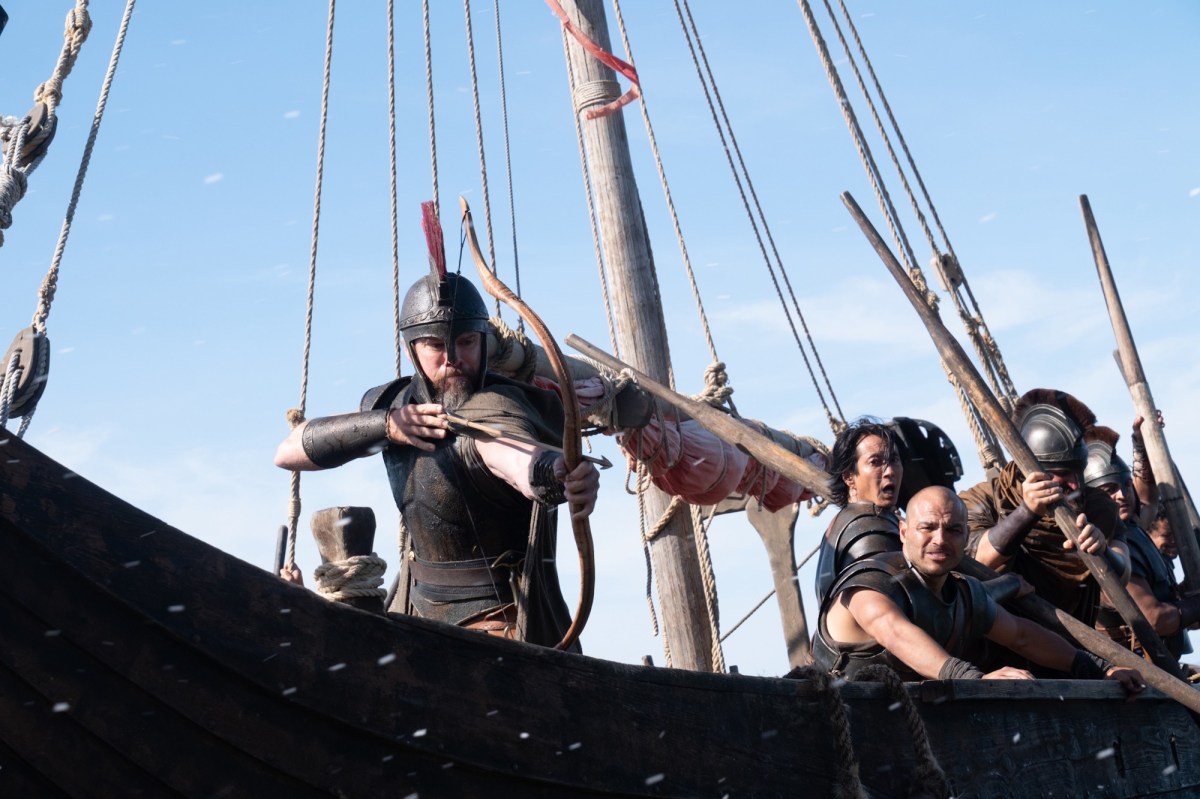
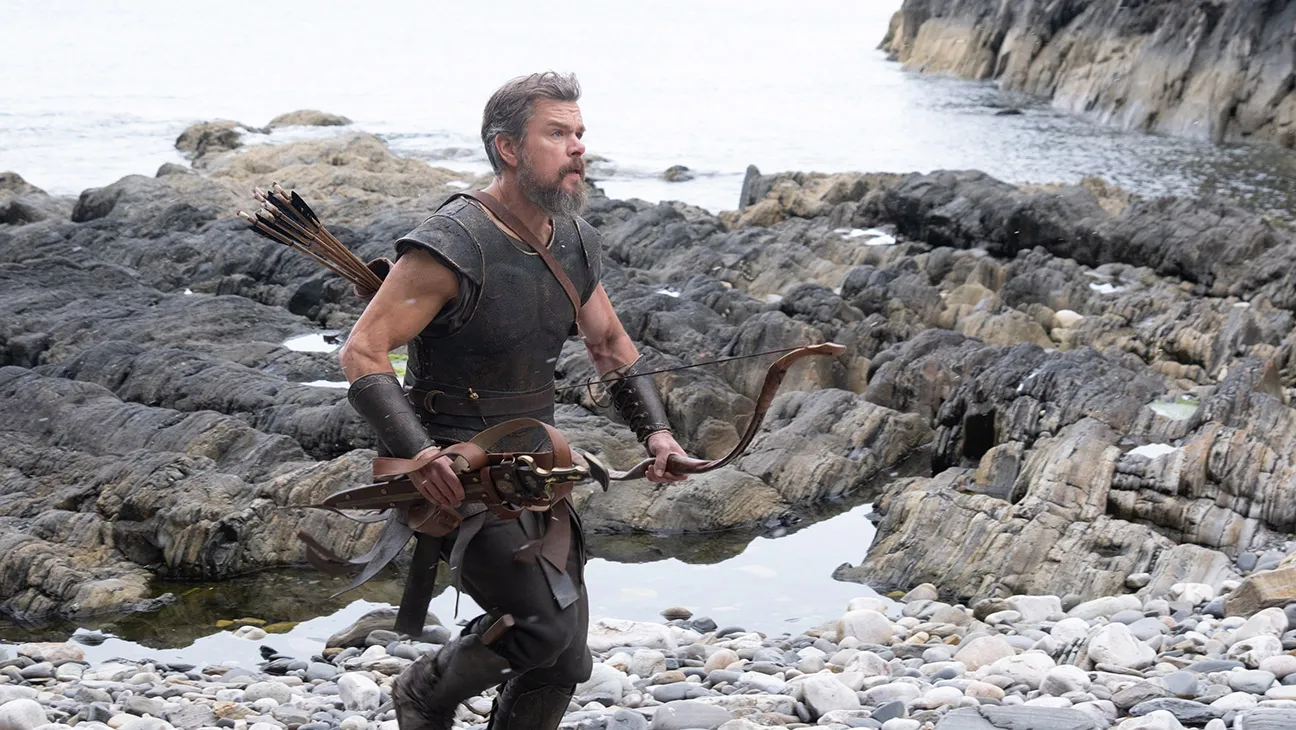
After the first footage was released, historians, archaeologists and viewers questioned whether the armour, costumes and ships actually looked like they belonged in Mycenaean Greece.
Some argued the armour looked medieval instead of Bronze Age, while others said the ships looked more Viking than Greek. There were also complaints that some of the costumes and weapons didn’t match archaeological evidence from the period.
Nolan has defended those choices, though. Speaking to the Los Angeles Times, he said, “The archaeological record of Mycenaean times is very fragmentary. A lot of what people think of as historical knowledge of that era is informed and intelligent speculation, but it is speculation.”
He continued, “When you create a movie you have to create an entire and consistent world. You’re engaged in your own version of this speculation, your own commitment to the world-building.”
Nolan also explained why the production used the Norwegian Viking ship Draken during filming. He said, “We needed something wooden-hulled, built with ancient technology that could be out there in open ocean water, in giant swells, and the Draken has crossed the Atlantic.”
People started dragging the dialogue too
via Universal Studios
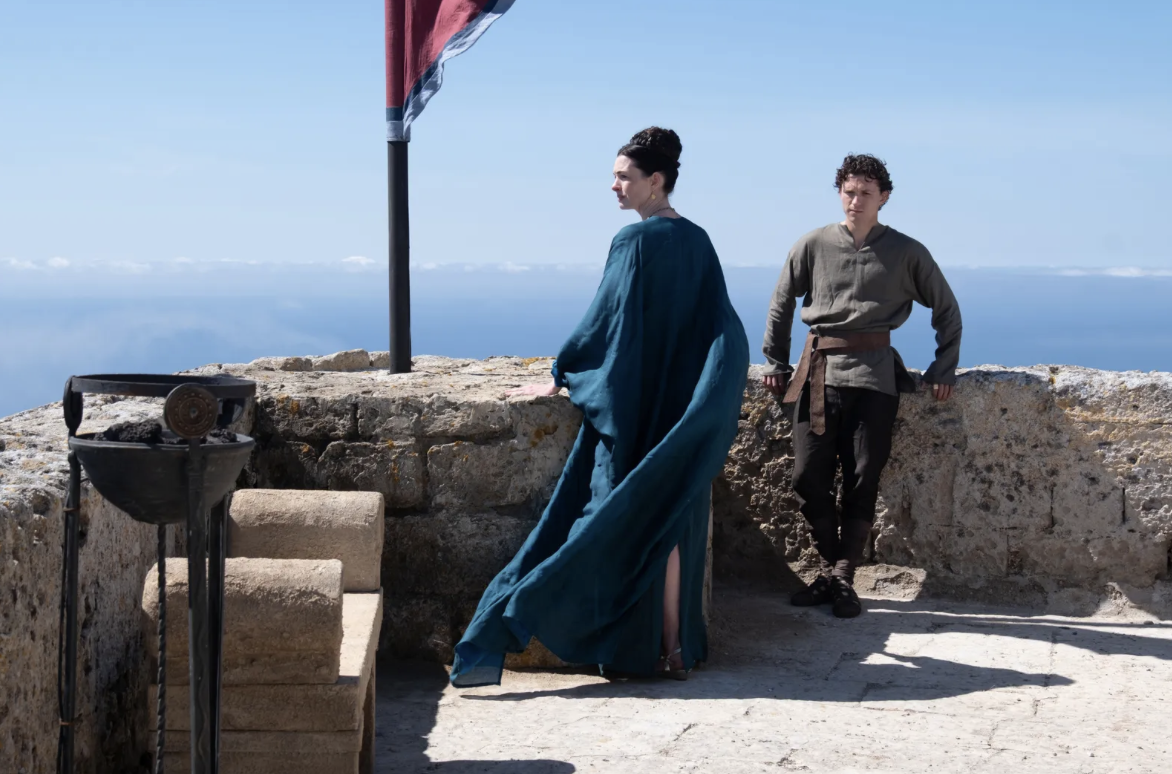
Believe it or not, people even had opinions about the way everyone spoke. When trailers dropped, viewers noticed characters using modern phrases like “Dad”, while actors such as Matt Damon and Tom Holland kept their American accents instead of using the British accents many people expect in historical epics.
Some loved the fresh approach. Others said it completely pulled them out of the story.
But Nolan said that was exactly what he wanted. “I wanted an earthy narrative.” He added that his goal was finding “language that has emotional not intellectual meaning to people.”
He also said, “I was maybe being naive, it might bite me on the a**, but I wanted an earthy narrative. To me it was a no-brainer.”
Meanwhile, Professor Susan Deacy, author of The Greek Gods and Their Worlds, told the BBC, “I wonder whether we have become inclined to treat mythological material as though it were historical material.”
She also pointed out that British accents only feel “correct” because audiences are used to hearing them in historical dramas, not because they’re historically accurate.
Then Nolan made things even worse
via Universal Studios
Just when the conversation started slowing down, Nolan added even more fuel to the fire. Speaking to The Telegraph, he dismissed pre-release criticism, saying, “These conversations that happen before people see the film, they’re always irrelevant, because no one having them knows what the film actually is yet.”
A lot of people felt he came across as dismissive. But Nolan compared the reaction to what happened when he made his Batman trilogy. He said, “What I learned over my time on that trilogy is you can’t worry about any of that at all.”
He added, “What you have to do is honour the original text by interpreting it in the strongest way you personally can.”
For more like this, like The Tab on Facebook.
Latest
An investigation into how boujie Michaella’s life actually is beyond Love Is Blind

Well, she did announce she was high maintenance
Love Is Blind’s Wilson and Wilnie explain the circumstances of Malaine’s ‘difficult’ exit
‘We could have had that conversation’
Newcastle University student left in tears after robbery

The student was described as ‘crying and emotional’ on the ground after the attack

The worst day ever (UOB student edition)

Welcome to the one day that every UoB student prays not to encounter, but will inevitably experience in one way or another
If you apply Hannah Fry’s Celebrity Traitors formula to the show, it’s so clear she would’ve won

Maya and James saved their skins by recruiting her
The 20 cheapest UK universities for a night out in 2026, revealed
Liverpool is one of the best places for skint students to go out

Celebrity Traitors star who had an early exit launches members’ club, and one tier is £999
For £299 a year you can get a meet-and-greet… via video
Pitbull themed charity 5k returns to Manchester for a second time

Bald caps, sunglasses and Mr Worldwide’s greatest hits will once again take over the streets
Sarah reveals parts of political conversations she had with John that got cut from Love Is Blind

‘I wish everyone could have seen the full conversation’
Zoella and Alfie have been spotted in New York, after months away from social media

They’ve been out of the spotlight
Bus confused? A Durham student’s guide to the bus
Your guide to the cheapest and easiest way to get around Durham

Stepdad accused of murdering Lancashire student declines to give evidence during trial

Nathan Owens, 34, allegedly attacked and killed his step-daughter at her accommodation in Preston
New to Exeter? Here are eight things to add to your uni bucket list

From EGB and Varsity to beach days in Exmouth, here are things you must tick off before you leave
Guarding the Queen to freestyle rapper: The odd jobs The Celebrity Traitors cast had before fame
Sharon Rooney used to teach kids about water safety
The Traitors has three identical diary rooms so several players can film at the same time
There are also six cloaks
Love Island’s Lucinda shares honest update on what her relationship with Sean is really like
She admitted they argued a lot at the start of their relationship
I knew about Sebastian, but I didn’t realise that four of The Celebrity Traitors cast are queer
It’s basically a big gay party and I’m here for it
After everything Ross Kemp has survived, it’s Celebrity Traitors that finally broke him
He’s done all this but Bella Ramsey broke him with simply a hat
As they prepare to be parents, here’s a look at the net worths of Love Island’s Tyrique and Samie
One is considerably richer than the other