

Tits Up!: New North East film raises awareness breast cancer affects young people too
From uni students to the elderly, breast cancer doesn’t distinguish between the ages
Eighteen or nineteen years old, living alone with a friend, alongside an awkward relationship with your mam… sound familiar? This is the background to Rosie Bradshaw, a character in the upcoming North East film Tits Up! Her circumstances seemingly echo those of many eager, bright-eyed students entering their first year at university, until you realise she also regularly attends the oncology ward, to discover whether she has breast cancer.
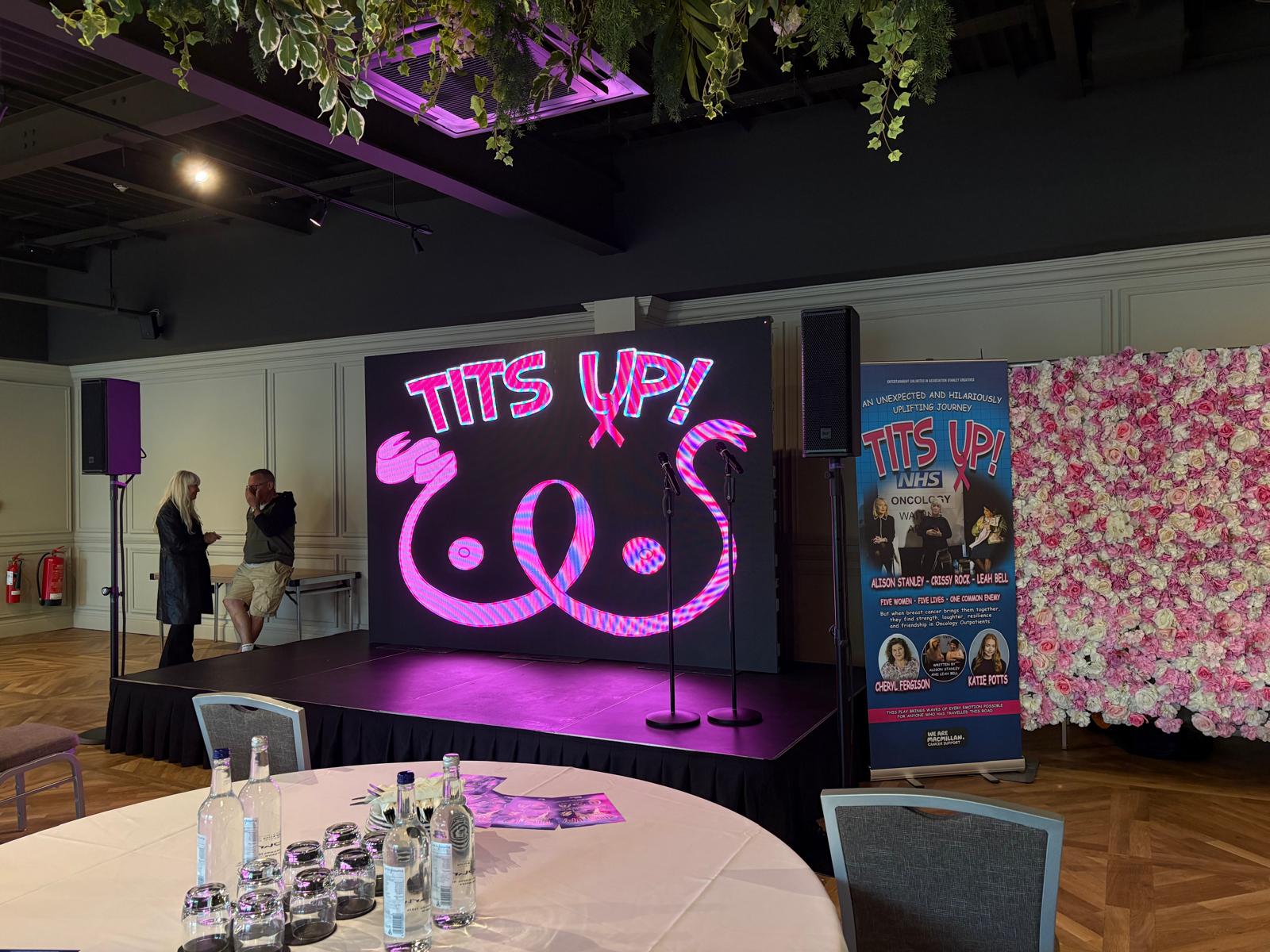
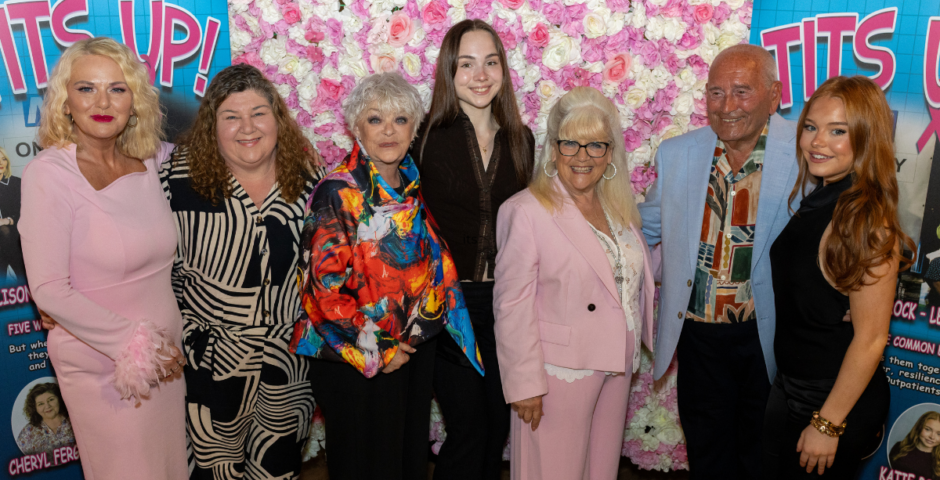
Rosie, played by Katie Potts, is joined in the oncology ward by three other women: Rachel, played by Alison Stanley; Tina, played by Leah Bell; and Brenda, played by Crissy Rock (who you might have seen previously whilst binging Benidorm on Netflix). Originally performed as a comedy play at Laurels in Whitley Bay, the film hopes to tackle how breast cancer affects different women in various ways.
Although struggling with the same diagnosis, writer Alison commented that she and co-writer Leah Bell “wanted to not just talk about breast cancer,” with the illness really just being “the background story”; instead, they wanted to show four women coming together to form strong bonds between them, and show “how each character is different.” The biggest difference between Rosie and Rachel, Tina, and Brenda is her youth.

Katie Potts commented that she “think[s] it’s really important for a young woman [her] age to be in a play like this because breast cancer can affect young women of any age, and that is overlooked.” Writer Alison also conveyed a similar sentiment, commenting that the portrayal of a young woman in the play is important because “it’s something young women deal with too.”
Alison mentioned the story of Isla Sneddon, from Scotland, who died in March 2025, aged seventeen, six months after she was diagnosed with cancer. Her parents say that because of her age, doctors downgraded her referral for biopsies to a routine one. Her cancer went undetected, resulting in her death. The stereotype that breast cancer is an older woman’s issue is a systemic one, and has fatal consequences.

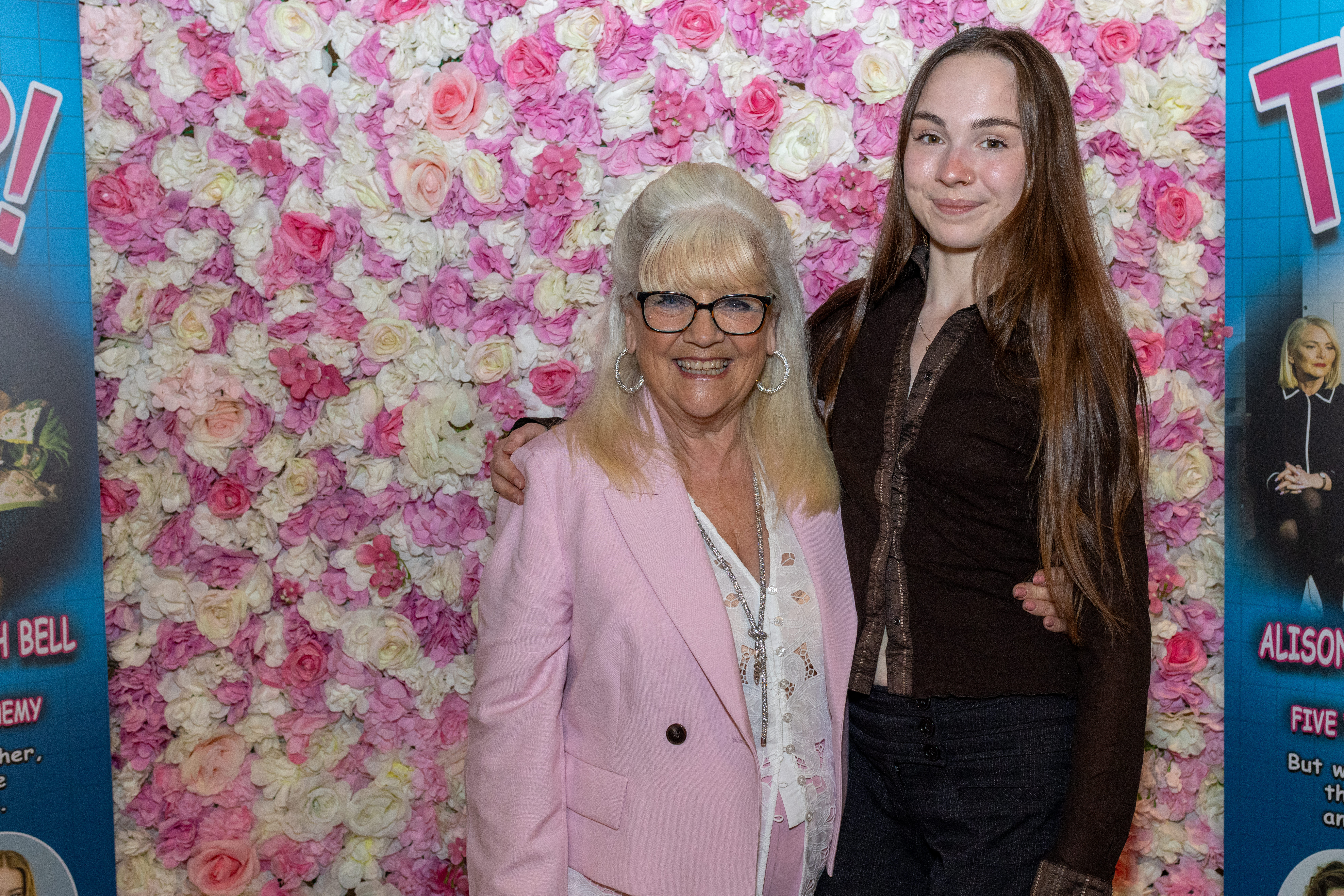
Rosie’s plot echoes Isla’s reality and signifies how the production raises awareness that breast cancer can directly affect people of all ages, interrogating and tackling the damaging stereotype that it only affects older women.
Considering herself a “socio-economic playwright,” Alison reiterates her intent to deal with hard-hitting topics in theatre precisely because they’re difficult. She believes it’s important to write about and portray these vital subjects because they are the ones people want to avoid. She commented how the play has already stimulated these much-needed conversations about the universality of breast cancer.
Director of the film, Craig Conway, initiated conversations about the project with Alison and Leah after seeing the play’s potential as a screenplay. Both he and Alison commented on the film’s ability to reach audiences in a more immediate way, connecting them with the story and its subject, whilst recognising the ability to widen the awareness raised by the play even further.
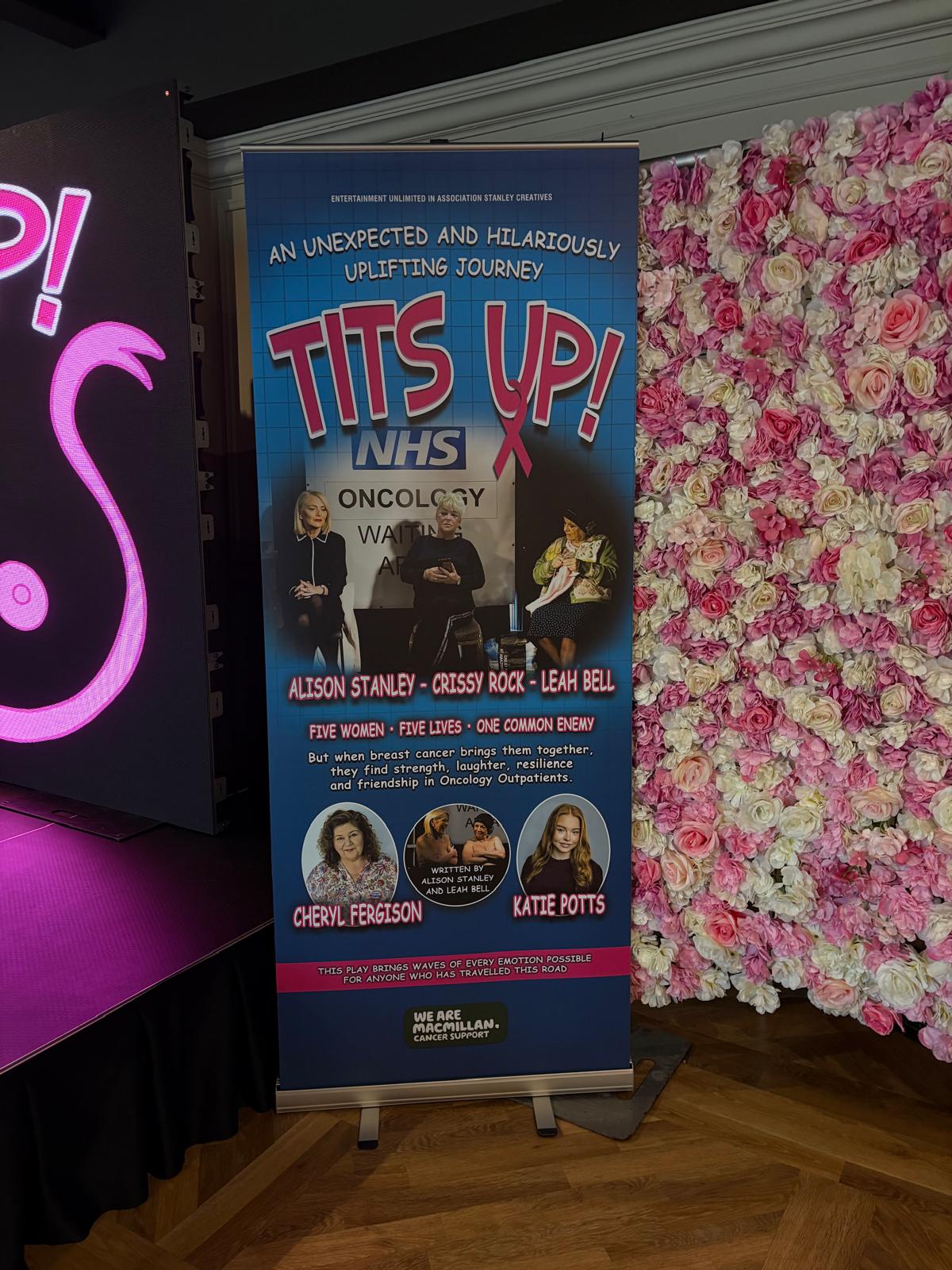
Katie Potts continued that she “think[s] as a young woman trying to manage your own life, relationships with friends, family, adulting, having breast cancer on top of that is just so difficult [and] to have a character in a play like this to show that women from any age can go through lots of different scenarios is so important to highlight.”
Cancer can affect us all, whether personally or through the experiences of relatives or friends. However, breast cancer isn’t something that we as students necessarily think could impact us. Like Rosie Bradshaw, though, we, too, are trying to manage relationships with friends and family while coping with our own lives and adulting. Her character situates breast cancer in close contact with the lives of students and young people, highlighting how breast cancer could possibly affect us as well.

Latest
Tits Up!: New North East film raises awareness breast cancer affects young people too

From uni students to the elderly, breast cancer doesn’t distinguish between the ages

The ultimate student budget guide to Leeds: From Hyde Park picnics to spoons desserts

Girls just want to have fun, not drain their bank accounts

The sickening amount of followers Mackenzie Shirilla has been gaining on Instagram since The Crash

Her account is being kept active by her ‘support team’
From police investigation to trial verdict, here’s the full timeline of Michael Jackson’s case

It spanned more than a decade

Lancaster University announces sponsorship of local Pride events
The university says it is ‘proud to support the Lancaster and Morecambe annual Pride celebrations for 2026’

Lancaster University places in top 10 in Complete University Guide’s 2027 rankings
The university has also retained its top spot amongst universities in north-west England

Diddy’s gross s*x tapes are going viral, but the one with Beyoncé and Jay-Z is not what it seems

It comes after a model spoke out about her video
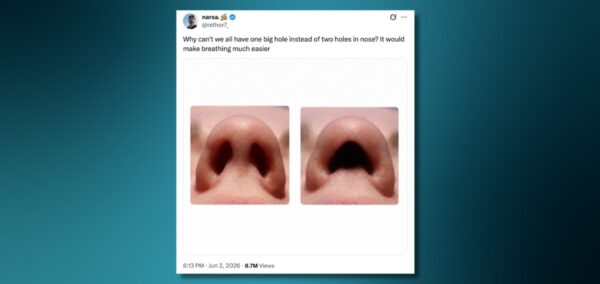
People are wondering why we don’t just have one big nostril, so here’s the answer

The photo makes me uncomfortable

Love Island boy questioned over s*xual assault and stalking has been re-arrested
Police have released a statement

Euphoria star reveals the exact moment Bishop decided to betray Alamo in the finale and why
‘It was the final straw’

How I Met Your Mother star jailed for 32 years after horrifying crimes against his girlfriend
He stabbed her over 20 times

Ranked: The Russell Group universities where students are least satisfied in 2027

Sheffield ranks only 13th overall among Russell Group universities, but its students rate it the most positively of any of the 24, according to new rankings
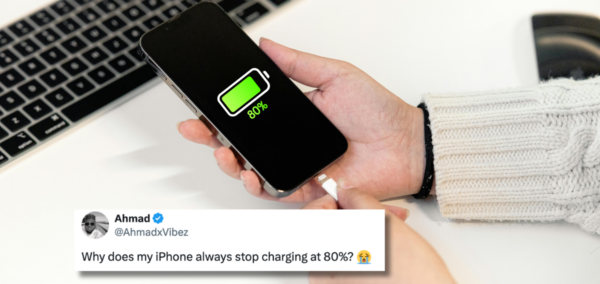
If your iPhone charging keeps stopping at 80 per cent, here’s what’s causing it and how to fix it
There are two major reasons


‘She just ruined her career’: Toni slated for ‘rude’ and ‘nasty’ comments on Love Island podcast
People are calling for it to be cancelled already
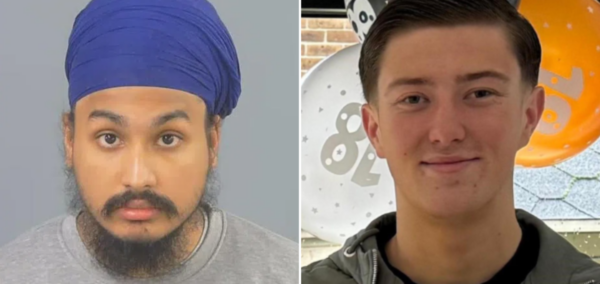
Police took almost three minutes to begin CPR on murdered Southampton student, footage shows

Officers placed the 18-year-old victim in handcuffs for over a minute as he repeatedly said ‘I can’t breathe’
Florida headteacher unfairly suspended after ‘inappropriate’ rap lyric appears in yearbook
Everyone’s saying the line is ‘harmless’
Resurfaced Zendaya interview makes Sam Levinson’s Euphoria ending even more disgusting
Justice for Rue, and justice for Zendaya

Leeds Trinity University seeks legal action over course classification dispute

Four other universities are also pursuing legal action against the classification of weekend courses as distance learning