

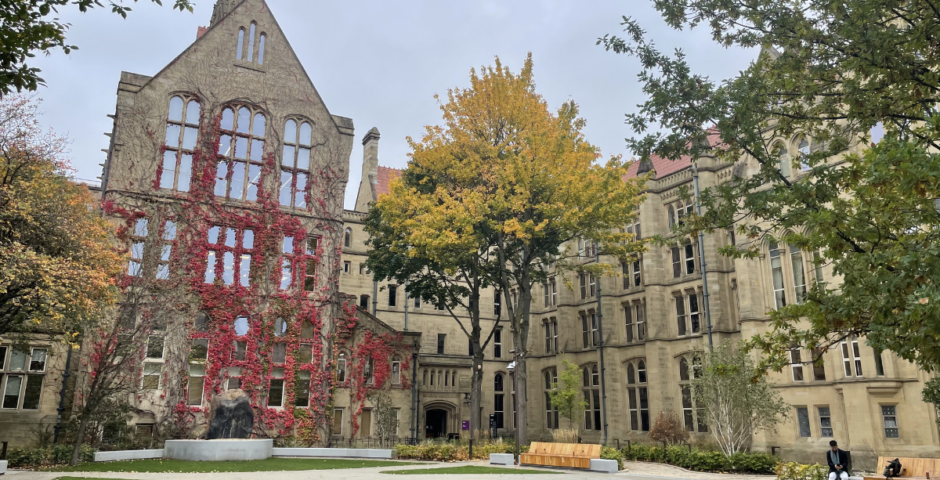
Memorial for blood scandal victims permanently homed at University of Manchester
Powerful reminder of the biggest treatment disaster in the history of the NHS

A tribute to the victims of the UK infected blood scandal is now permanently housed at the University of Manchester.
The Infected Blood Inquiry Memorial will now reside the Old Quadrangle, on the ground floor of the Whitworth Building and is currently open to the public.
The infected blood scandal was a 1970s to 1990s UK health disaster where over 30,000 NHS patients were infected with HIV, hepatitis and Creutzfeldt-Jakob Disease (CJD) through contaminated blood products and transfusions.
In total, it is thought to be linked to around 2,900 deaths.
The Infected Blood Inquiry published its final report into the scandal in May 2024, concluding it “could largely have been avoided” and there was a “pervasive” cover-up to hide the truth. A compensation scheme was subsequently announced.
Since then, a government spokesperson said “the victims of the scandal have suffered unspeakable wrongs,” adding that while over £3.4 billion has been paid in compensation since then, they recognise “no amount of money will make up for the suffering endured by the infected blood community.”
“We hope that the rate of compensation paid, as well as recent consulted changes to the scheme, shows that we are committed to listening and working with the community to ensure justice, recognition and fair compensation are delivered,” the spokesperson said.

Now, a tribute to the victims of the infected blood scandal will be permanently housed at the University of Manchester, where it will remain as a place of remembrance, reflection, and learning for generations to come.
The memorial is located in the Old Quadrangle, on the ground floor of the Whitworth Building and is open to the public.
It was designed by Art Lewry, and consists of a display case filled with blood vials, each containing messages from those affected by the case. It was originally created by people attending the commemoration at the start of Inquiry hearings in 2018, but has been redesigned to display every contribution.
Christine Burney, whose husband Peter died of liver cancer after he was was given hepatitis C through contaminated blood, said: “The inquiry memorial holds deep personal significance.”
“It serves as a vital, permanent reminder of this tragedy for the medical professionals of tomorrow.”
Vice-President for Social Responsibility at the University of Manchester, Professor Nalin Thakkar, said: “It is important to remember difficult histories with honesty, compassion and respect. The Memory Bank Memorial gives powerful voice to those affected.”

Latest
First week back at uni? Here’s everything you need to pack in your bag

Mary Poppins is quaking in her boots…
London university releases statement after professor sentenced for a child sexual offence

Barry Langford was a Professor of Film Studies at Royal Holloway

Young father-of-two died on day he was due to start at University of Glasgow

Young father tragically passes away at 24 years old after suffering a brain aneurysm
Bella Ramsey’s specific acting career gives them ‘an edge’ on Celebrity Traitors (they hope)
Their past roles have prepped them for Missions

12 of The Celebrity Traitors season two cast asked to be Traitors, and six to be Faithfuls
Three celebs couldn’t make up their minds

Maya Jama’s game plan for Celebrity Traitors is to avoid trying ‘too hard’ or ‘overthinking’
This is really devious tbh
Newcastle University buildings evacuated after ‘suspicious item’ found on campus

Police, fire crews, and fire engines arrived at the scene

12 things every Fresher gets wrong in their first few weeks at uni

From wearing your lanyard everywhere to leaving your washing-up until it grows its own ecosystem
Our Celebrity Traitors predictions include Maya Jama turning on her fellow Traitors

Here’s what we think will happen
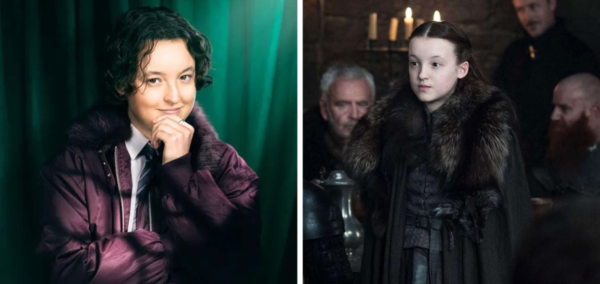
I’ve just realised that three cast members from Celebrity Traitors were in Game of Thrones

Having flashbacks to Bella Ramsey being crushed by a giant


23 to 70: The ages of the Celebrity Traitors 2026 cast, from youngest to oldest

There’s a huge age range this year

James Blunt was a British Army captain before becoming a singer and joining Celebrity Traitors
He mentioned it on the show

Monster director finally admits why they forced Aileen Wuornos in a show about Lizzie Borden
Despite the name, Lizzie Borden is not the focus of the story
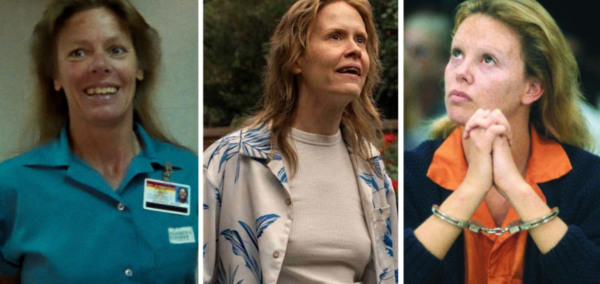
Shows and films you can watch about Aileen Wuornos, where she isn’t thrown into another story

Others tell her entire case, unlike Monster on Netflix

This viral tool lets you customise your Apple Pay cards, and here’s how to do it
You can personalise the entire design

James Acaster could be the Celebrity Traitors’ recruit, as filming reportedly paused for him
It’s not much of a cliffhanger

The ridiculous fortunes of The Celebrity Traitors: Their net worths, from £500K to £50 million
One of them could legit buy the castle three times over