Exclusive: Hidden RAAC concrete found in Manchester Metropolitan library prior to demolition
Manchester Metropolitan previously told the press there was no RAAC on campus

Manchester Metropolitan University’s All Saints Library contained dangerous RAAC concrete prior to its demolition, The Manchester Tab can reveal.
In email correspondences provided to The Manchester Tab’s Environmental Information Request, it was shown that “RAAC panels were observed” within the first floor roofing during a secondary inspection of the building in April 2024.
This comes despite the university previously informing the Manchester Evening News there were no traces of RAAC on its campus, saying in 2023 “ that the majority of its estate has been built in the last five to 10 years”.
There is no evidence that Manchester Metropolitan was aware of the RAAC at the time of publication in September 2023. Statements given to the MEN do not mention plans to conduct surveys on the older portions of the estate, dated little over a month after the article was published.

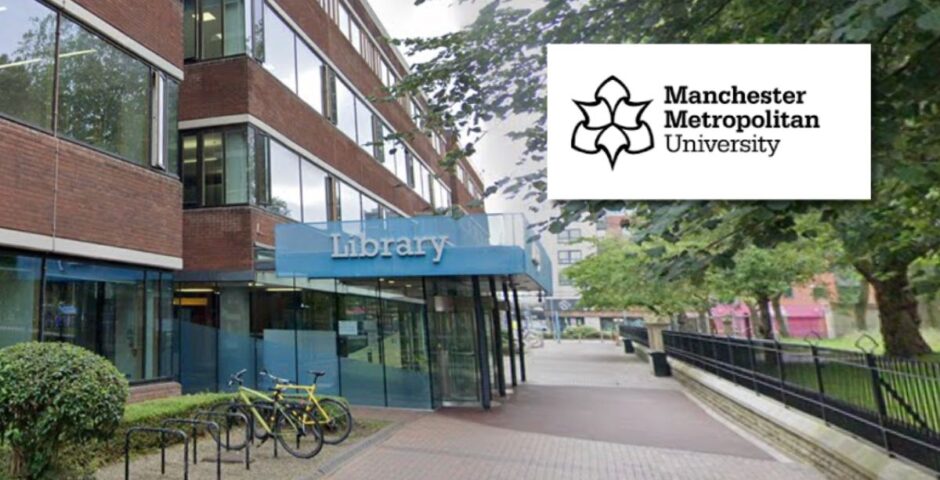
via Google Maps
Reinforced Autoclaved Aerated Concrete is a type of building material used primarily between 1950-90, known to be less durable and more susceptible to structural failure. In 2023, the Health and Safety Executive confirmed RAAC is now far beyond its lifespan and may “collapse with little or no notice”.
It is known that public sector buildings are most likely to contain this concrete, with a government issued list identifying 231 education buildings found to be at risk. This enquiry did not extend to higher education buildings.
Official documents dated from October 2023 show surveys were conducted for 10 buildings on the Manchester Metropolitan estate, including the All Saints Library building and now demolished Cambridge Halls.
Despite initially finding no instances of the material on the campus, an email sent in April 2024 expressed concern about the discovery of RAAC panels in the first floor roofing.
It went on to explain that, in order to fully confirm the full extent of RAAC throughout, the ceiling would have to be removed.
The first survey report did note limited access to the ceiling panels, though it was assessed.

via Google Maps
All Saints Library closed in September 2024, despite original planning proposals suggesting the building would remain open throughout the refurbishment of the site. Documents refer to the site as “occupied and operational, and it is intended that part of the site will remain in operation throughout the four year phased programme of refurbishment and construction.”
The university has since insisted that “the plan was always to demolish the existing All Saints Building to make way for a modern design that serves the needs of our students.”
However, a member of university staff claimed to The Manchester Tab they believe discoveries of “concrete cancer” (a form of structural degradation) prompted the closure of the All Saints site, following flooding in late 2022.



Previous information accessed by The Manchester Tab revealed the extent of asbestos throughout the library building, including in key structural components of the building.
Early statements given by the university cite “significant cost escalations” as reasoning for the delay to work. Further applications submitted to Manchester Council show evidence of a need for extensive asbestos removal prior to commencement of demolishment or building works.
Manchester Metropolitan said that the costing of asbestos removal was not included in these escalations, as it is costed outside of the projects budget.
The institution has not confirmed if decisions to demolish the site were influenced by the extent of asbestos removal needed, or the discovery of RAAC on the first floor.
Following the closure of the All Saints building in August 2024, library operations were temporarily moved to the John Dalton building on Oxford Road. Plans to demolish the All Saints Library were confirmed in November 2025, with the western area of the building being retained to form a new Campus Hub.
Physical materials have not been moved to the site, meaning students access reading via the online library or submit requests for books on a “Click and Collect” service.
A faculty member alleged to The Manchester Tab that books were not moved to the John Dalton site amidst concerns that the building lacked structural capacity for both physical materials and students. The university denies this claim, citing student need for study spaces as the primary reason behind spacial decisions.
A Freedom of Information Request revealed that at the time of the closure of All Saints, 273,497 books were held at the site. The same request showed that only 204,594 are now being held in an off-site storage facility, accessible via the click and collect system.
Manchester Metropolitan denied the presence of RAAC in the temporary library site, but said it does not hold records of surveys or reports assessing this. The John Dalton building was not included in surveys seen from October 2023. A spokesperson said that “further surveys will take place to ensure the building continues to meet the needs of our students.”
The university has previously said completion of the development is to be expected in 2030, seven years after the project was announced. It has not suggested a return of physical materials to the library facilities during the construction.
Refreshed visions for the new All Saints Library have been released by Manchester Metropolitan, though planning applications submitted to Manchester Council have not yet been approved.
A Manchester Metropolitan University spokesperson said: “The ongoing development of our campus reflects our commitment to outstanding education, world-class research, and a more connected, vibrant campus experience for all.
“During the preparations to demolish our existing library building a small amount of RAAC was found. This was in an inaccessible ceiling area and at no point posed a risk to the safety of the building or those within it. This has since been safely removed as the demolition of the building continues.
“We remain committed to developing a safe, accessible, and connected civic campus, which includes our exciting new library building as well as improved public realm, green spaces and the provision of affordable, high-quality student housing to meet the needs of our diverse community.”
Featured image via Google Maps

Latest

Lizzie Borden’s doctor’s full court testimony, where he recalled finding Andrew and Abby dead

‘His face was hardly to be recognised by one who knew him’

A weapon in the Lizzie Borden case was never found, and it might not have even been an axe

Many different theories were investigated

Lizzie Borden wasn’t right for Monster, and the ‘female rage’ reason they chose her makes it worse
There was so much wrong with it

The full Celebrity Traitors 2026 episode schedule as day change is confirmed
Don’t get caught out when it returns this week


Ryan Murphy picks his favourite American Horror Story season, and it’s a controversial choice

It’s Sarah Paulson’s least favourite

Why the Love Island 2026 Islanders are suddenly posting ‘tart’ on all of Lorenzo’s posts
People think it’s a divide
Former Newcastle student raped in Freshers’ Week speaks out on potential dangers

“I didn’t know what had happened to me… I came home and was very confused”

The 20 easiest UK universities to get into, based on accepted students’ grades

University of Roehampton students have a D and two Cs on average

Here’s what joining these Cardiff Uni societies says about you

Things you need to know before joining a new society

A favourite from the Love Island 2026 cast is getting an All Stars return
A second chance is well deserved

Right, it’s time to lock in: Here are 10 things every Cardiff Uni final year needs to know

It’s never too late to make this year the best one yet

Charli XCX’s viral VMAs reaction wasn’t about Taylor Swift, so here’s what actually happened
They’ve been surrounded by rumours for years
University sued over alleged fraternity gang sexual assault and punishing accused with essays
The members discussed the attack over Snapchat
Here’s what TV show your Cardiff Uni accommodation would feature in

Everyone’s favourite show is finally back for another season

The major celebs who skipped the VMAs 2026 and why, despite having multiple nominations
Ariana Grande was nominated eight times but didn’t attend

All the advice freshers need to survive first year: Love, Cardiff Uni students who survived

From YOLO to locking in, here’s all you need