


Durham students, this is what you need to know about the Meningitis outbreak in Kent
While the risk to the public is low, the Kent outbreak shows how quickly meningococcal disease can escalate

A total of 15 cases of meningitis have now been notified to the UK Health Security Agency amid an outbreak in Kent, which has left a university student and a sixth-form pupil dead.
The number of meningitis cases has climbed to 15 during an “unusual” and “rapidly escalating” outbreak in Kent that has tragically resulted in two deaths. This follows reports of a possible meningitis case in London, although health officials maintain that the outbreak remains confined to Kent.
Juliette, an 18-year-old Year 13 student at Queen Elizabeth’s Grammar School in Faversham, has been identified as one of the victims. A 21-year-old student from the University of Kent has also died. The “devastating” outbreak is believed to be linked to a recent social event, with most of those hospitalised thought to be students.
The outbreak has also spread to France after a student travelled abroad. The student is said to be from the University of Kent
While there are no reported cases of meningitis in the Durham area, we would like to remind students what symptoms to look out for and what they can do now.
What to look out for:
Although the risk to the general public remains low, the meningitis outbreak in Kent has underscored how rapidly meningococcal disease can develop. Prompt treatment is essential, making it important to recognise the signs and symptoms and understand how to reduce your risk.
Durham students should have received an email from their College, giving advice on how to stay safe and look for signs.
Meningococcal disease (meningitis and septicaemia) is an uncommon but serious disease caused by meningococcal bacteria.
Symptoms can include:
- fever and or vomiting
- a stiff neck
- severe headache
- avoiding bright lights
- feeling sleepy, vacant or difficult to wake
- feeling confused or delirious
- and/ or a blotchy rash which can be anywhere on the body and doesn’t fade when a glass is rolled over it
Symptoms can appear in any order and some may not appear at all.
Do not wait for a rash. If the symptoms are getting worse, get medical help immediately.

Remember:
Seek medical advice if you become concerned about your own or someone else’s health and do this as early as possible.
Call 111 for advice over the phone or go online to NHS111 to check symptoms. In a medical emergency, dial 999.
What to do now
- Familiarise yourself with the signs and symptoms above.
- Register with a local GP if you haven’t already.
- Make sure your vaccinations are up to date. The MenACWY vaccine* is available free to any student who has not already had the vaccine, up until your 25th birthday. This includes international students.
- Stay in touch with your neighbours and look out for each other.


*The MenACWY vaccine gives good protection against MenA, MenC, MenW, and MenY. It is routinely offered to teenagers in school Years 9 and 10. However, this vaccine does not protect against all forms of meningitis.
Other strains such as MenB can circulate in young adults, which is why it’s important to know how to spot the symptoms of meningitis and septicaemia as early detection and treatment can save lives.
Where to find out more:
For more details, visit nhs.uk/conditions/meningitis
You can also find more information about:
- infectious diseases, including meningitis
- vaccinations
- how to register with a local GP
- Health & Wellbeing Hub.
Featured image via BBC News on Instagram
For more of the latest news, guides, gossip, and memes, follow The Durham Tab on Instagram, TikTok, and Facebook.
Latest
First week back at uni? Here’s everything you need to pack in your bag

Mary Poppins is quaking in her boots…

London university releases statement after professor sentenced for a child sexual offence

Barry Langford was a Professor of Film Studies at Royal Holloway



Young father-of-two died on day he was due to start at University of Glasgow

Young father tragically passes away at 24 years old after suffering a brain aneurysm
Bella Ramsey’s specific acting career gives them ‘an edge’ on Celebrity Traitors (they hope)
Their past roles have prepped them for Missions

12 of The Celebrity Traitors season two cast asked to be Traitors, and six to be Faithfuls
Three celebs couldn’t make up their minds

Maya Jama’s game plan for Celebrity Traitors is to avoid trying ‘too hard’ or ‘overthinking’
This is really devious tbh
Newcastle University buildings evacuated after ‘suspicious item’ found on campus

Police, fire crews, and fire engines arrived at the scene

12 things every Fresher gets wrong in their first few weeks at uni

From wearing your lanyard everywhere to leaving your washing-up until it grows its own ecosystem

Our Celebrity Traitors predictions include Maya Jama turning on her fellow Traitors

Here’s what we think will happen

I’ve just realised that three cast members from Celebrity Traitors were in Game of Thrones

Having flashbacks to Bella Ramsey being crushed by a giant




23 to 70: The ages of the Celebrity Traitors 2026 cast, from youngest to oldest

There’s a huge age range this year

James Blunt was a British Army captain before becoming a singer and joining Celebrity Traitors
He mentioned it on the show

Monster director finally admits why they forced Aileen Wuornos in a show about Lizzie Borden
Despite the name, Lizzie Borden is not the focus of the story

Shows and films you can watch about Aileen Wuornos, where she isn’t thrown into another story

Others tell her entire case, unlike Monster on Netflix
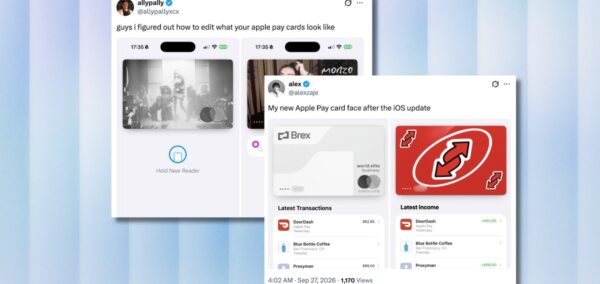
This viral tool lets you customise your Apple Pay cards, and here’s how to do it
You can personalise the entire design

James Acaster could be the Celebrity Traitors’ recruit, as filming reportedly paused for him
It’s not much of a cliffhanger

The ridiculous fortunes of The Celebrity Traitors: Their net worths, from £500K to £50 million
One of them could legit buy the castle three times over