
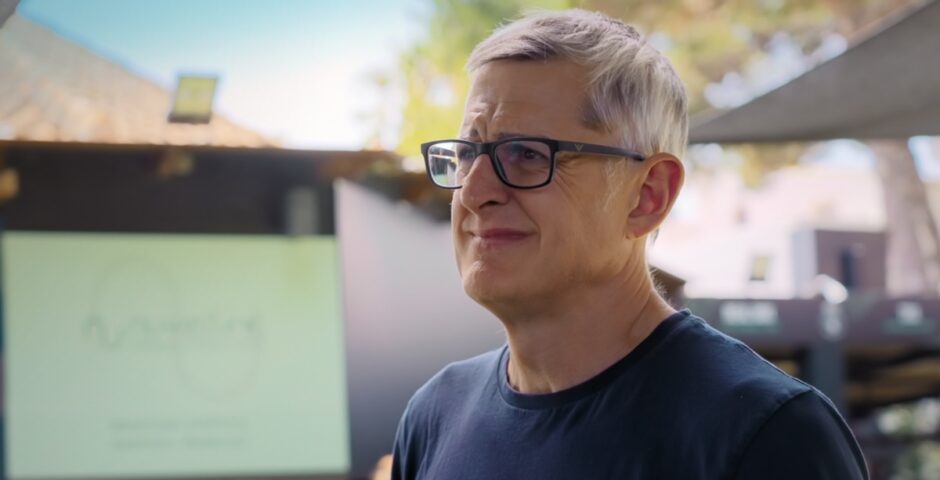
Six crucial details the Louis Theroux documentary missed out about the manosphere
It didn’t tell the full story
Louis Theroux’s shocking new Netflix documentary Inside The Manosphere has caught everyone’s attention, but it actually leaves out a lot about the extreme online influencers who are redefining modern masculinity.
The documentary maker speaks to content creators like HSTikkyTokky and Ed Matthews, but according to experts at the University of Birmingham, he doesn’t tell the full story of what’s really going on. So, here are six vital details the documentary left out.

Credit: Netflix
Young men aren’t choosing this life
The biggest problem with the documentary is that it makes out like young men are choosing to follow these extreme influencers and be part of the manosphere, but that really isn’t the case. In reality, men are being fed these videos online and subconsciously being influenced by them.
In an official report on behalf of the University of Birmingham, Emma Pountney and Dr Sophie King-Hill said this “risks creating a worrying impression that young men are deliberately seeking out extreme content and are inspired primarily by discriminatory messages and promises of financial success”.
It’s not all about money and status
Inside The Manosphere heavily focuses on the fact that these extreme influencers are offering advice on how to make money through things like trading, but that’s not what it’s all about. The manosphere consists of extreme content creators offering motivational and self-improvement lifestyle advice – not just ways to make cash quickly.
“There is seemingly a gradual escalation towards online material promoting highly polarised or misogynistic worldviews that focus on a one-dimensional perspective of what it means to be a man, in which algorithms connect honest guidance to harmful ideological content, a topic which receives considerably less attention in the documentary,” the experts said.
Nobody should be blaming them
The documentary paints men who are turning towards these extreme views in a bad light, but it’s not their fault, and they shouldn’t be blamed. Louis Theroux creates an “overly blame-focused approach towards young men and boys who find themselves in a cycle of algorithmic recommendations for this content”.

Credit: Netflix
Why are men turning to these views?
Inside The Manosphere completely misses out the reason men are turning to the manosphere in the first place. Theroux mentions that some of these influencers grew up with no male role models, but it runs a lot deeper than that. They feel abandoned and have no guidance in modern society.
“Young men are enticed by this content through humorous and supportive videos which do not display overt misogyny, instead encouraging self-mastery and clear-cut identity guidance, which resonates with many young men today,” the experts explained. “These influencers construct a sense of community and belonging through motivational messages and the endorsement of rigid masculine ideals, which they describe as declining in modern society and needing to be reinstated.”
Misogyny is a massive part of the manosphere
The documentary briefly touches on misogyny towards women with the idea of “one-sided monogamy” and mentions of female roles, but it leaves out just how much hatred there is towards women in the manosphere. The whole movement is based on sexism and the belief that men are superior.
It “does little to focus on how influencers build narratives of female cruelty and male victimisation” which seemingly “allows influencers to maintain their legitimacy by denying their misogyny and being able to reframe their ideas as mentorship and honesty, even whilst their broader messaging encourages resentment towards women”.
This isn’t all men and boys
And finally, it’s important to remember that this isn’t all men and boys. Extreme male views are a big problem in today’s society, but it’s still a minuscule portion of men that hold these opinions, and Inside The Manosphere does not paint a “uniform picture of all men and boys”.
“The behaviours and ideologies showcased here represent a small but highly visible subset of online actors. Most young men and boys do not hold these views, and many actively reject them. A growing number of boys feel caught between conflicting social expectations, and it is precisely this sense of uncertainty and vulnerability that makes them susceptible to these influencers in the first place.”
For all the latest Netflix news and drops, like The Holy Church of Netflix on Facebook.
Featured image by: Netflix

Latest

Bonnie Blue’s video birthday messages to ‘big boy’ 16-year-olds are the final nail in the coffin

‘Maybe one day, me, you, and your dad can take a trip’
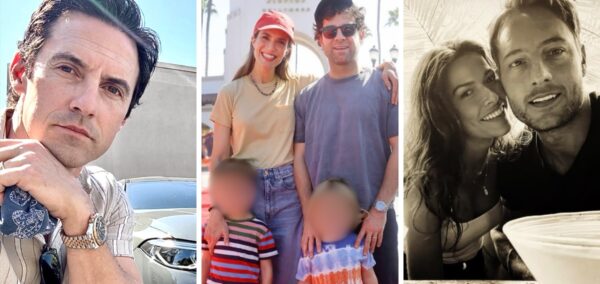
It’s been a whole 10 years since This Is Us started, so here’s where the cast are now

Justin Hartley re-married in the same year he divorced Chrishell Stause
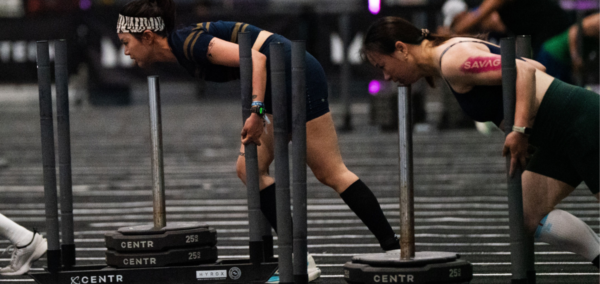
HYROX has actually just added new ‘faeces’ rule, so here’s what it means for athletes

Joanna Wietrzyk should consider herself lucky
Calling all aspiring journalists and content creators: Join The London Tab!

Come to our open meeting on Tuesday 29th September, 7pm at the Institute Bar
Billionaire who paid actress $4.5million to marry him wants cash back after she sacked him off
The crypto tycoon paid a ‘bride fee’

I’m a first-class Leeds grad, but it took me two years and 120 applications to find a job

Maddy was once told she wasn’t offered an interview because her application was ‘too far down the pile’
Kelly Osbourne reveals the moving thing father Ozzy told her three days before he died
He wanted her to know this

Lancaster University student wins national award for flooding research project
According to research, the flood risk in Grasmere may be substantially greater than anticipated
Angry HYROX athlete details silly reason he was disqualified after pooing woman wins
He finished the whole race, but was slapped with the disqualification after
All the celebrities publicly calling out Ed Sheeran after Macklemore is dropped from tour
Loads of actors and musicians are speaking out against him

Ed Sheeran branded ‘coward’ as treasure trove of receipts resurfaces after response to Macklemore
Mr ‘I’m not political’ turns out to be very political
HBO casts three more actors in the Harry Potter TV show – here’s what they had to say about it

Moaning Myrtle’s actor understands ‘the significance and responsibilities’
People are just finding out what HYROX really stands for and the backstory is giving them the ick
I don’t know what’s worse, the poop story or this

Love Island couple confirm split as she moves out of home they shared after the villa
This is all so quick!

‘Pull up!’: Video inside NBC helicopter captures final moments and last words of those killed
The helicopter was covering a bus accident when it went down on Tuesday

This Love Island 2026 couple are finally official and the other Islanders are freaking out
Their reactions are brilliant
All three opening acts and Ed Sheeran’s own band quit tour after Macklemore was dropped
‘Artists must not be silenced’

Macklemore’s full ‘Free Palestine’ speech that got him removed from Ed Sheeran’s tour
It was on 4th September

Exclusive: Nee Naw! TikTok icon Nicole Mura is hosting Cardiff Freshers’ Week at Circuit

Hold onto your husbands x