

Human remains removed from Glasgow museums due to controversial ‘consent’ issues
Both the Kelvingrove Art Gallery and the Hunterian Museum have removed parts of their Egyptian display due to lacking ‘consent’ from the deceased.
Kelvingrove Gallery has removed the mummified corpse of the priest Nekht from display, whilst the Hunterian Museum has covered the body of Lady Shep-En-Hor in a special textile to conceal it.
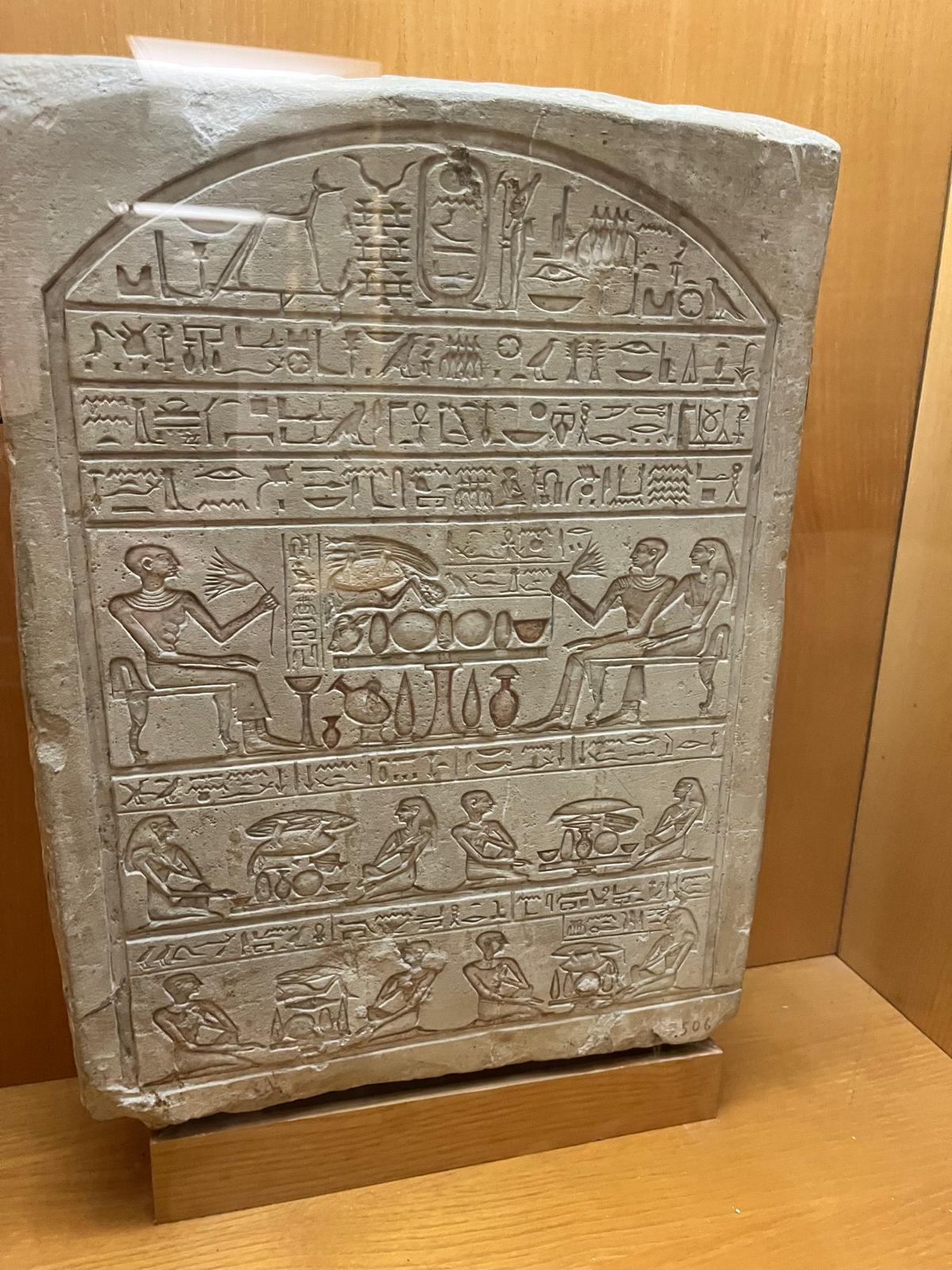
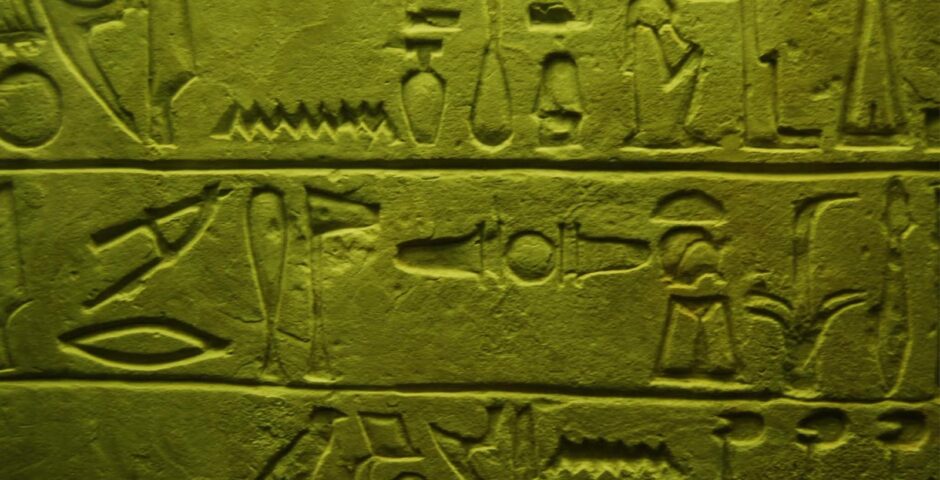
Egyptian hieroglyphics wishing the deceased well in their journey into the afterlife
As well as the remains of Nekht, a mummified right hand recovered from the Valley of the Kings in Luxor, Egypt, and a male head and right foot have also been removed from the Kelvingrove Gallery.
Glasgow life, who manage Kelvingrove, says it will soon begin work on a coffin and mummified human remains shown at St Mungo Museum.
The Hunterian Museum has not fully removed its Egyptian human remains. The ornate sarcophagus of Lady Shep-En-Hor has been on display almost continuously since 1820, and will remain so as it is considered a “fine work of late period ancient Egyptian funerary art”. Her corpse, however, has been covered from view.
These changes follow a revision of the International Council Of Museums’s code of ethics in June 2026, where it was advised that museums should “uphold the inherent dignity of human remains and promote respect for their significance.” ICOM’s own announcement says this revision received 85.90% vote in favour.
Professor Scholten, a representative of the ICOM ethics committee, has emphasised that the code is only intended as guidance, and thus the decision to remove human remains from public display rests with each individual institution. Indeed, a spokesperson for National Museums Scotland has stated that NMS is not considering any changes to their display of human remains.
The ICOM guidelines now state that, “Decisions about these items and collections should be made in collaboration with descendants or communities from which they originate, if known… in all cases where human remains hold continuing cultural or spiritual importance, museums should consider restricted use or repatriation as appropriate.”
Many Egyptologists and classicists have come out in favour of this move.
For instance, Claire Gilmour is the chair of Egyptology Scotland, and both a tutor and graduate of the University of Glasgow (having received a distinction in her Egyptology DipHE, as well as many other qualifications). She has stated that this decision is “not without precedent” and the changes in legislation emphasise how “human remains should not be classed as objects”.
In an exclusive statement given to the Glasgow Tab, Dr Angela Mcdonald (a senior lecturer in Egyptology at Glasgow University) has stated that: “Mummified persons should be treated with respect, and it’s right that each museum should consider the way their displays manage this.”
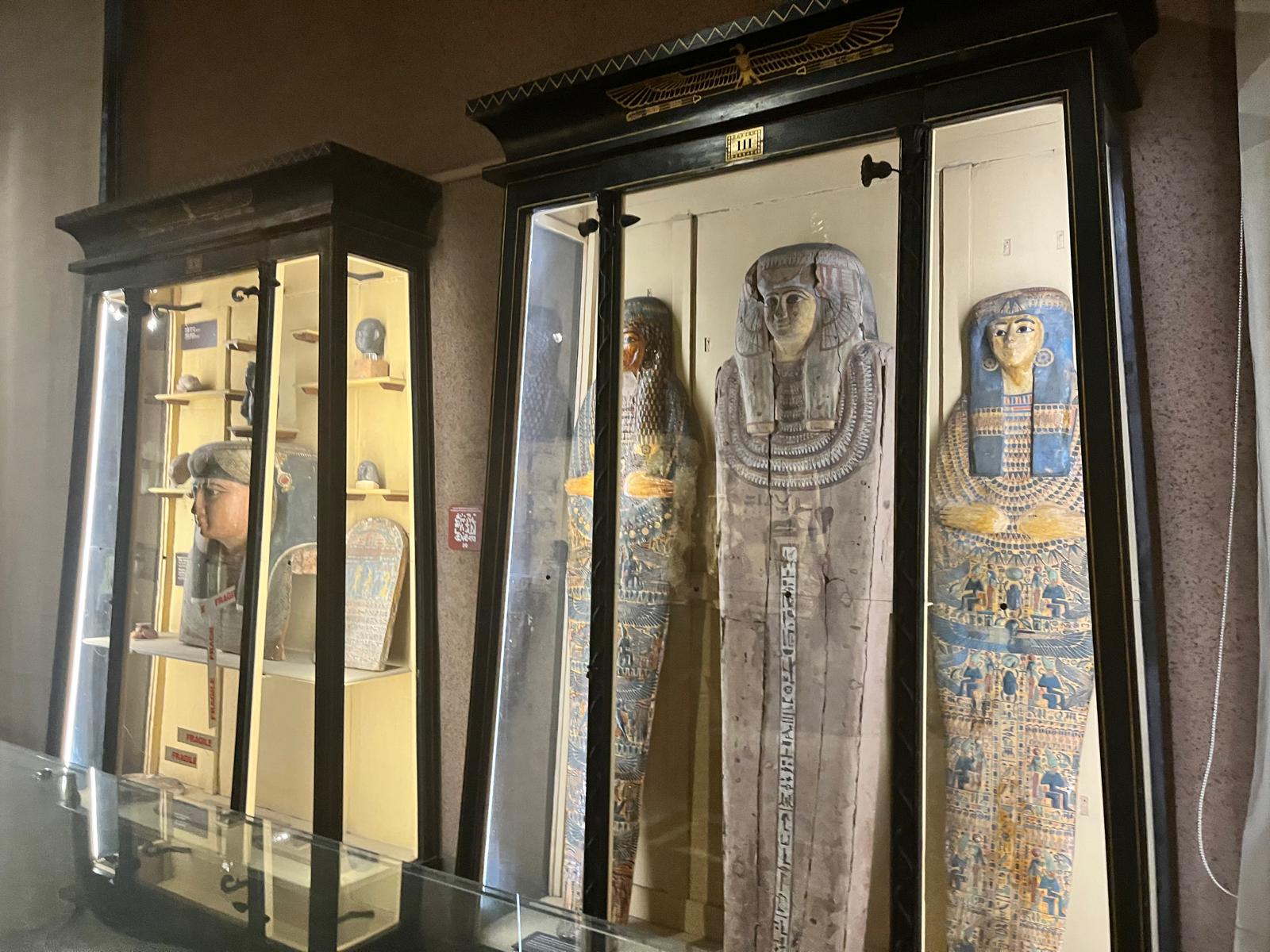
Museums all over the world display mummies and sarcophagi
Egyptian theology believed that burial tombs were permanent spiritual homes for the deceased, and that after death, the ‘soul’ needed an intact physical body to return to. A person’s spirit was split into parts such as the ka (the life force), ba (the personality), and akh (the transformed spirit) – if the mummified body was destroyed or desecrated, these parts of the human spirit would be destroyed.
The Egyptians took immense care to conceal mummies from view – burying them in hidden chambers within pyramid complexes, that were then protected by intricate traps to ward off tomb robbers.
Many Egyptologists therefore argue that to display mummified remains is to deeply disrespect the wishes of ancient Egyptians.
However, there has also been a significant conservative backlash – with Scottish Conservative Murdo Fraser branding this decision as “woke madness.” He has stated that, “even Egyptian mummies are now being cancelled by a society so obsessed with modern sensibilities that it has lost all sense of perspective… Glasgow’s museums should be showcasing our history, not quietly removing it to appease the latest trend in political correctness.”
When asked her response to this backlash, Dr Mcdonald has told The Glasgow Tab that, “While it’s impossible to gain consent from those who are long dead, I think there is nevertheless a moral imperative for those who have guardianship of human remains in the present day to treat them with respect.”
Latest
This is exactly how you would win The Traitors, based on your Leeds degree

Now reveal yourself: are you a Traitor or Faithful?
The best Halloween costumes you can make with clothes you already have

Let’s beat the last-minute panic together
Human remains removed from Glasgow museums due to controversial ‘consent’ issues
Both the Kelvingrove Art Gallery and the Hunterian Museum have removed parts of their Egyptian display due to lacking ‘consent’ from the deceased.
Here’s which type of player each Lancaster college would be on The Traitors

At Lancaster, anyone could be a traitor
The Love Is Blind UK S3 couple who didn’t get married on the show just split via text message

Sammy says she was about to move in with Jonathan
Two obstacles stand in the way of a second execution attempt on Christa Pike

What will happen next remains unclear
Sharon Rooney’s latest Celebrity Traitors decisions could make her an easy target for the Traitors

She’s made some questionable moves
Here’s the spookiest places in Newcastle you should visit

A 9am lecture after a night out is scary enough, but what if you’re looking for more?
Roundtable moment exposed who the Traitors are to the whole group and nobody clocked
Somebody needs to remember this
Joanne explains why she snapped at Miranda during that awkward Celebrity Traitors roundtable
‘Gaslighting’ got to her
Your childhood bedroom is now a storage cupboard- returning home for reading week

Reflections on returning to civilisation
The deeper meaning behind Michael Sheen’s message on Celebrity Traitors and why it may cause chaos
‘This is a good move tbh’
Council leader brands Edinburgh child poverty levels “unacceptable”

One in five children in Edinburgh live in poverty, with 80,000 people living in poverty across the region
Halloween is close, what costume would Cardiff clubs be wearing this Saturday?

That’s if YOLO could even get a ticket
How to make the most of who you meet at uni

From friends to flatmates to course friends, you’re destined to meet some good people
Calling all Cardiff Uni social secs: Here are the social themes you must include this year

Another Wednesday, another fancy-dress theme to think of
The Sheffield Tab’s ultimate guide to Halloweek as a student in the city

We’ve found all of the spookiest events happening across Sheffield, so get ready for a week of terror and chaos
It’s Breast Cancer Awareness Month: Here’s a KCL student’s guide to checking their chest

Because everyone should learn how to check their chest