
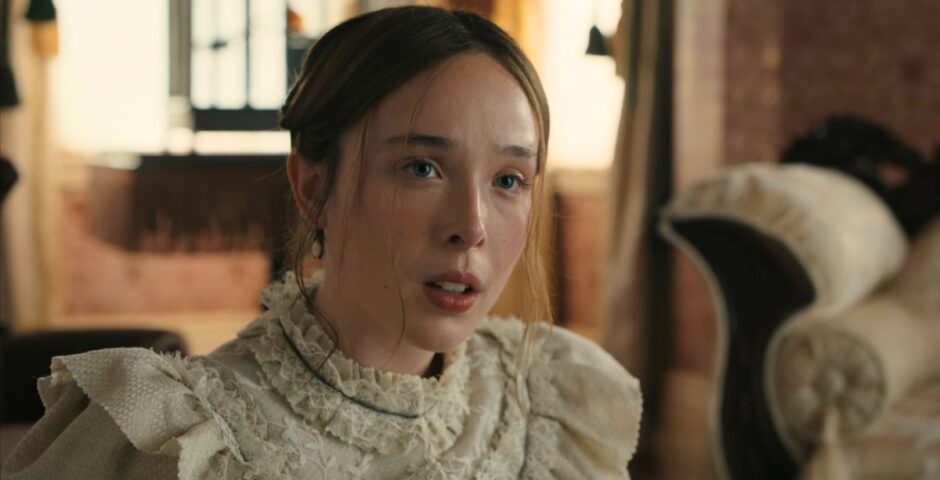
What Lizzie Borden was actually like in real life, according to the people who knew her
Monster keeps describing her as ‘plain’
Monster: The Lizzie Borden Story makes Lizzie out to be a strange woman and often describes her as “plain,” but what was she like in real life? Here’s what the historical records say.
The new Monster series arrived on Netflix on Thursday and follows the real-life story of the American woman who was accused of killing her father and stepmother in Fall River, Massachusetts, in August 1892.
It’s based on a true story, but some parts have been made up for the series. And while Lizzie was described as being quiet in real life, this has been exaggerated for the show.
According to records, Lizzie was reserved, introverted and didn’t show emotion, but always polite and proper. She was an upper-middle-class Victorian churchwoman who was highly involved in her community, not a complete recluse as Monster makes out.
However, she was 32 when she was accused of the murders and a spinster, which is likely why she was viewed negatively. During that time, any woman who wasn’t married was regarded as inferior and had a big stigma.
The best records of what Borden was like in real life come from the people who knew or met her. A childhood neighbour described her appearance as “tall, stocky, jowly, dressy, and unremarkable”.
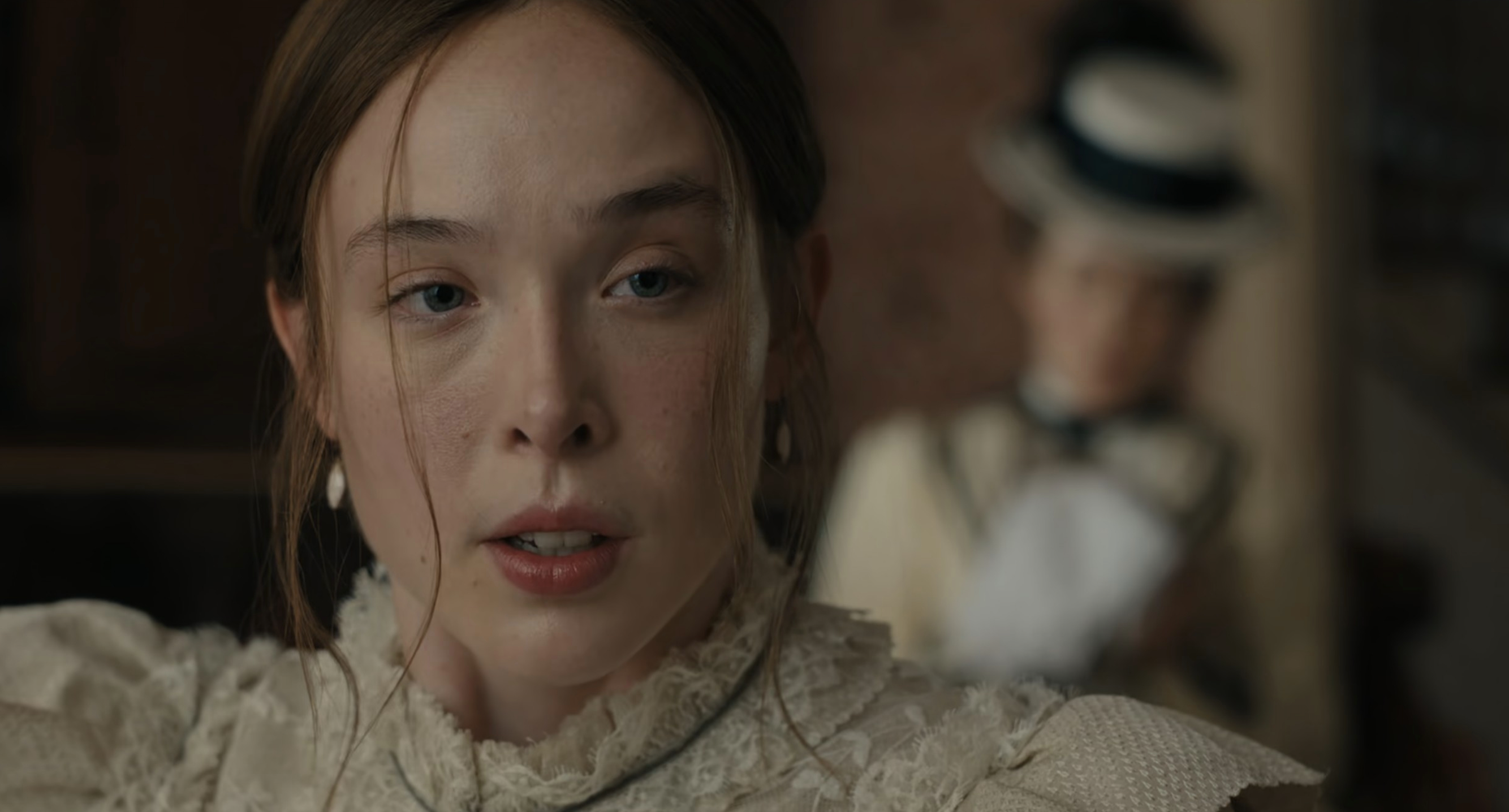
Credit: Netflix



During the trial, District Attorney Hosea Knowlton, who was the prosecutor, said she had a “calm and quiet demeanour” and was “stoic,” meaning she got on with things without showing emotion, the court records reveal.
New York Times articles from the time similarly described her as having an “impassive countenance,” which is a facial expression that shows no emotion. Press coverage from The Smithsonian said she was “quiet, modest and well-bred”.
The maid, Bridget Sullivan, said Lizzie always spoke to her stepmother “civilly” and admitted she “liked the place” when asked if she enjoyed working at the Borden home. However, behind the quiet exterior, Lizzie had a fiery side too, which is widely reported on.
Hiram Harrington, Andrew Borden’s brother-in-law, said she was “haughty and domineering with the stubborn will of her father” and had a “repellent disposition,” meaning she tended to turn people away
He also claimed she would “become sulky” and refuse to speak to her father “for days at a time”. But he positively described her as a “brilliant conversationalist”.
In spring 1892, a dressmaker called Hannah Gifford accidentally referred to Abby as Lizzie’s mother, and she was furious. She instantly snapped and corrected her, saying: “Don’t say that to me, for she is a mean, good-for-nothing.”
For all the latest Netflix news and drops, like The Holy Church of Netflix on Facebook. Featured image credit: Netflix

Latest
What Lizzie Borden was actually like in real life, according to the people who knew her

Monster keeps describing her as ‘plain’

Calling all aspiring journalists! How to join The Bristol Tab

Come to our open meeting on the 28th of September at 8pm at The Beckford (In Senate House)
Stop what you’re doing: The King’s Tab is looking for new writers AND content creators

Come to our open meeting on Thursday 1st October, 5pm at The Vault!

Channelling your broke uni student lifestyle

Not everything needs to be accompanied by a £5 iced latte, here’s how to be more mindful
The York Tab is recruiting new writers and we want YOU!

Open meeting Monday 28th September, 6pm in SLB/004!

Here’s who the uncle in Monster: The Lizzie Borden Story was, and what Netflix makes up

John Morse really did stay in the Bordens’ house
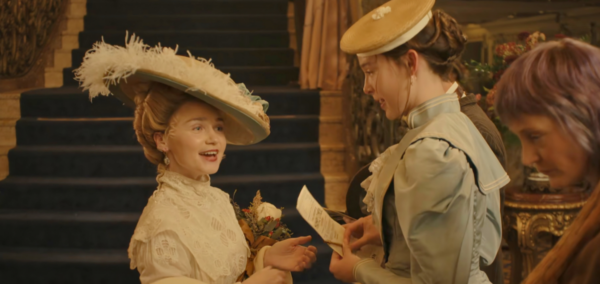
Er, Lizzie Borden’s meeting with the actor Nance O’Neil was nothing like Netflix’s Monster
Their paths didn’t actually cross for another 14 years
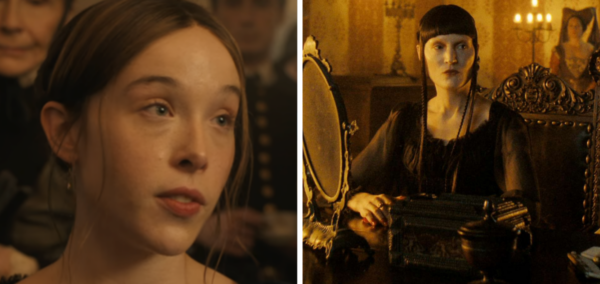
With 600 alleged killings, this minor character in Lizzie Borden should have been the Monster

HUGE missed opportunity

Did Andrew Borden have a stutter? Charlie Hunnam breaks down accent and voice in Netflix show

The actor has fully explained it

Elektrik Warehouse responds to alleged ‘crowd crush’ concerns at Shoshi event

‘It was just lucky nothing insanely bad happened’
Uni of Edinburgh confirms 25 days of strike action over five weeks, affecting Welcome Week

Am email sent to Edinburgh University students read ‘staff are not obliged to tell us if they plan to take part, which means we cannot tell you who is or is not’

There’s a really smart way to hack your Spotify Wrapped results for 2026 – before it’s too late
The cut-off for data tracking is very soon!

Meet OnlyFans’ gay ‘golden boy’ Ashton, and the thirsty clip that’s earned him 33 MILLION views
The clip is seconds long, but it leaves an impression
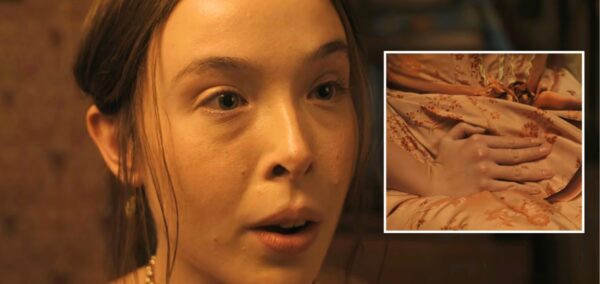
Real-life significance of Lizzie Borden’s period and if she suffered from menstrual problems
It’s a big part of Monster: The Lizzie Borden Story

My straight boyfriend does gay OnlyFans, but I’m scared he’ll leave over one thing he keeps saying
He replied, ‘It’s always been my rule since day one: If the cameras are on, it’s not gay’
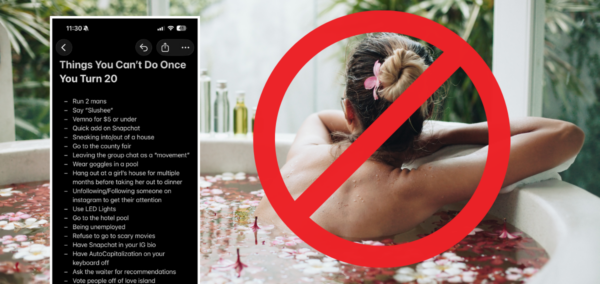
This viral list ‘years in the making’ claims these 21 things are FORBIDDEN once you turn 20
If you do any of these you should reevaluate your life, apparently

Woman whose Love Is Blind partner tried to kill her says he still contacts her from prison
He was sentenced to 15 years

Why Ed Sheeran is ‘furious’ as details emerge about the 40-minute call that got Macklemore fired
‘He’s been thrown under a bus’

Miley Cyrus reveals her emotional final conversation with Dolly Parton before she died
‘That’s what made us so perfect’