
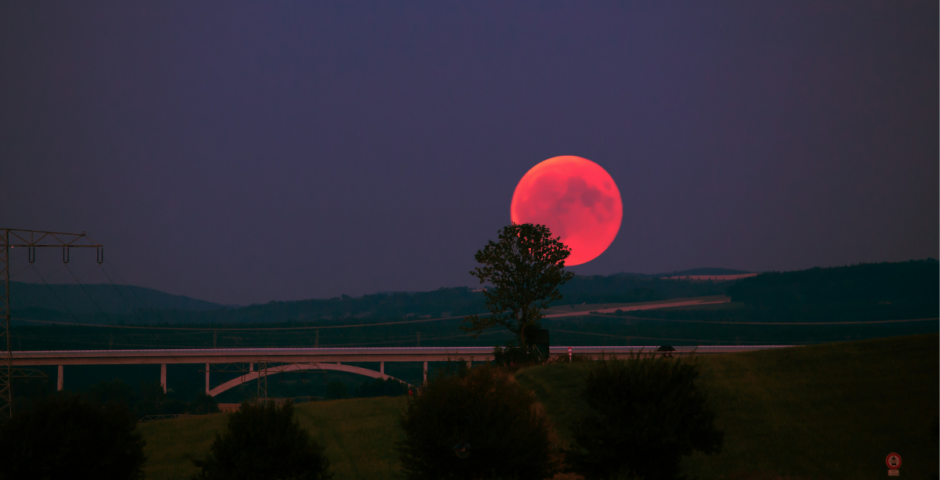
Everything to know about tonight’s blood moon eclipse, and how you can actually watch it
You won’t need your colander for this one

We’ve only just stopped hearing about the “once-in-a-lifetime” solar eclipse that took place a few weeks ago, and there’s already another eclipse happening.
This time, you can expect a rare blood moon eclipse, during which the moon will glow red.
The partial lunar eclipse is set to start in the early hours of Friday morning, starting at 2.23am, and reaching its maximum at 5.12am.
But don’t set your alarm just yet, because cloud and rain may obscure the view from some areas.
What will the blood moon lunar eclipse actually look like?
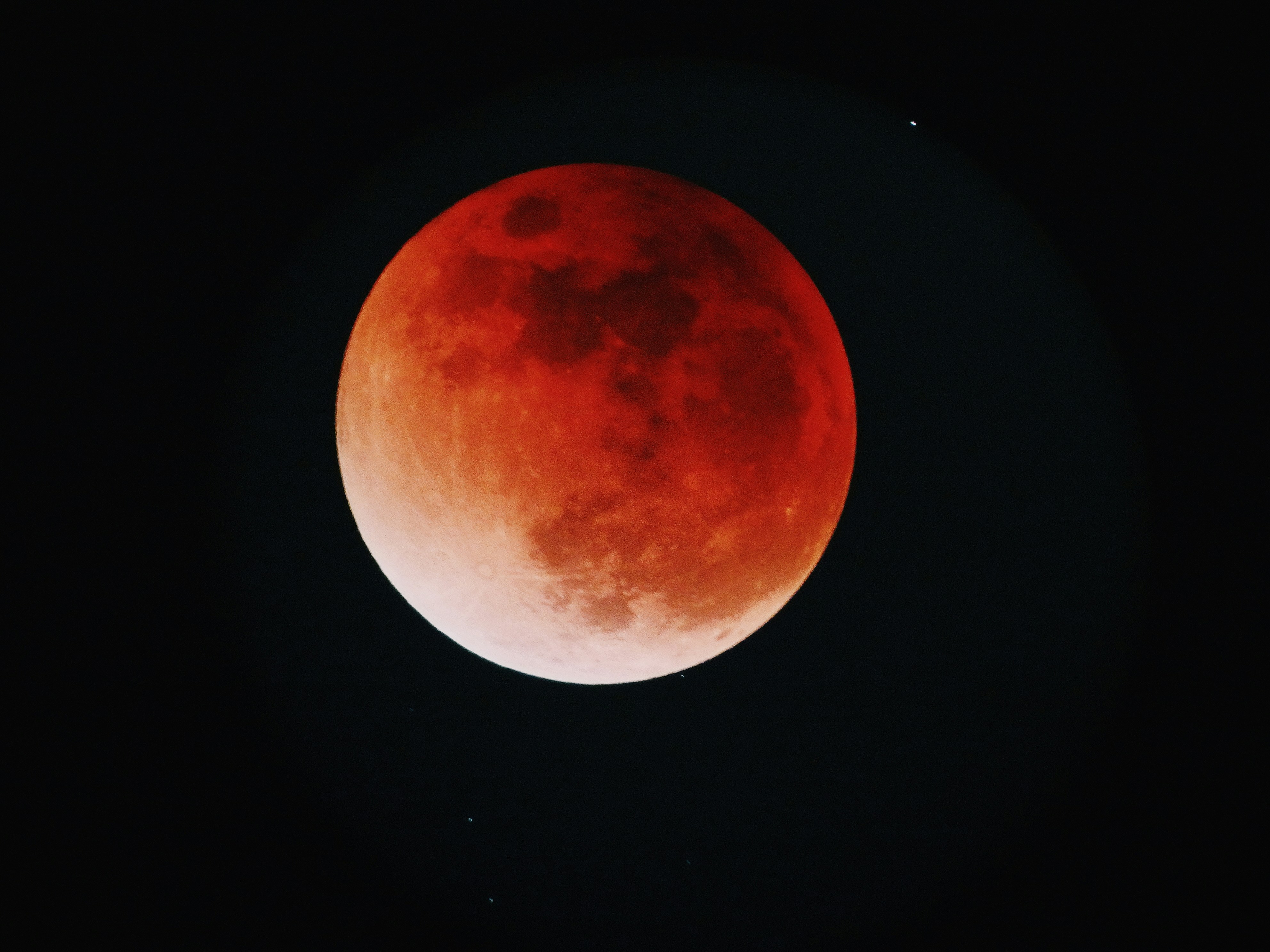
via Unsplash
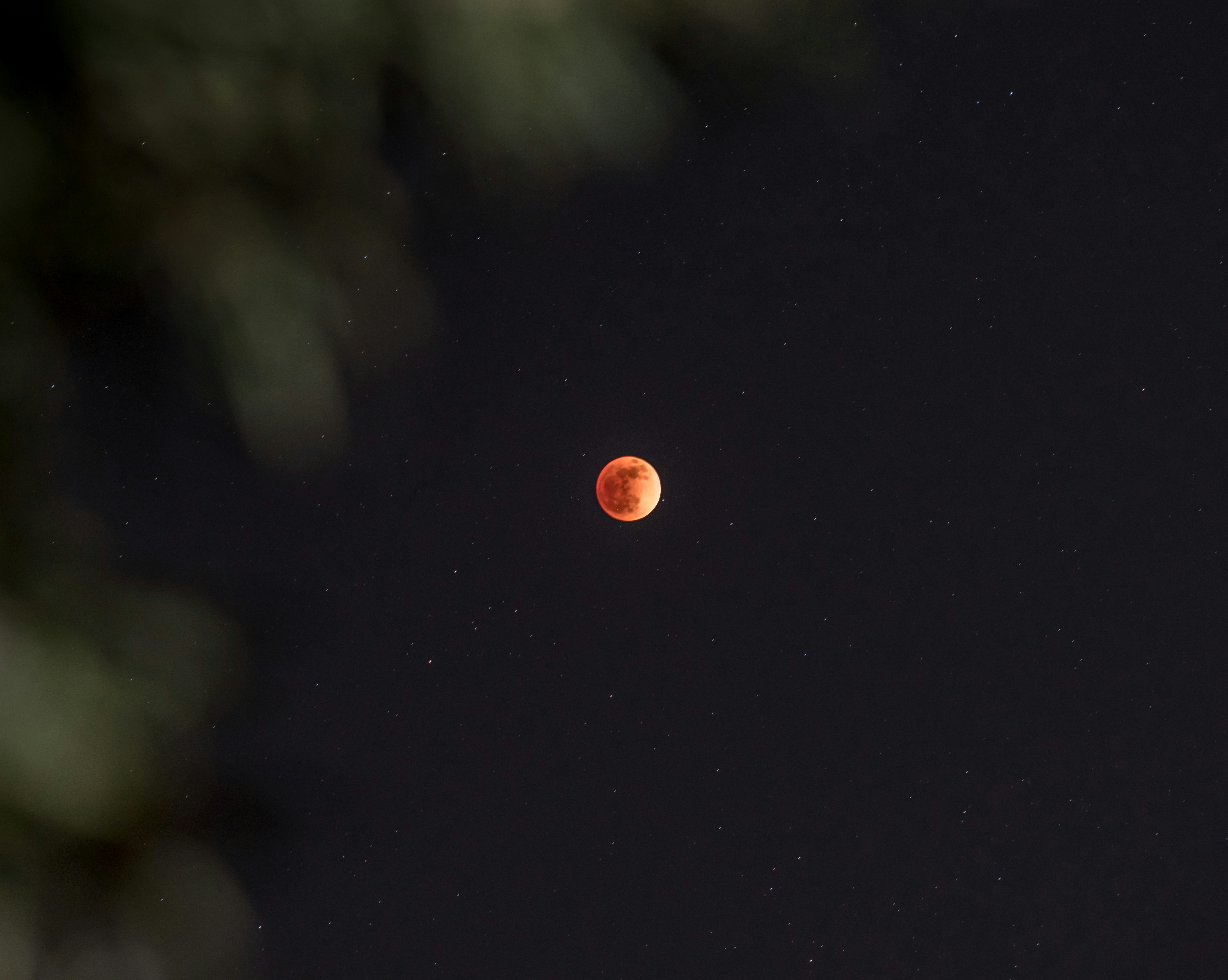
During the eclipse, the full moon will glow red, very eerie, but why does this happen? The red glow is caused by the sun, earth and moon all lining up in the night sky.
The eclipse will occur shortly before moonset, so it will be low on the horizon. Due to a phenomenon called the “moon illusion,” the moon will appear more dramatic and bigger than usual.
With the weekends dark and drizzly weather predictions, rain and cloud are likely to obscure the view for some. The spots likely to get the best view are the south and east of England, parts of Northern Ireland and western Scotland.

How can you watch the lunar eclipse and do you need glasses?
via Unsplash
Unlike the recent solar eclipse, you will not need special glasses to watch the blood moon lunar eclipse. However, if you’re planning to watch it, you will need to stay up pretty late.
At 2.23am, the moon will move into faint, outer section of the moons shadow, called the penumbra. You can expect the moon to look slightly dimmer than usual, but this stage won’t be noticeable to most people.
At 3.33am, the moon will enter the main partial phase of the eclipse, with the moon heading into the earths shadow, the umbra.
At 5.12am, 93 per cent of the moon will be in the darkest shadow, with the eclipse reaching its maximum.
The partial eclipse will end at 6.51am. However, by this point, the moon will have set beyond the horizon so this stage will not be visible in the UK. Exact moonset times will vary across the UK.
For more, like The Tab on Facebook.
Featured image via Unsplash
Latest
After *that* ending that wasn’t in the book, Mike Flanagan reveals plans for Carrie season two

Stephen King is involved!

Bake Off’s Nigella Lawson says her voice sounds the way it does due to a ‘slur’, not drinking

People keep commenting on it

Four big celebrities rejected roles as judges or presenters on The Great British Bake Off

Gordon Ramsay said no to being a judge

The Great British Bake Off’s Molly Chauhan outlines how the tent was made more accessible
Her workbench has a space for her wheelchair
Celebrity Traitors could have SEVEN Traitors, as BBC mural hints at a series of betrayals
A former Traitor reckons it’s about to get seriously messy
Settling in: Here are five ways you can get ahead on your course

Freshers is out, academic comeback is IN
The frantic 911 calls placed during and after Christa Pike’s failed execution have been released
It took first responders 30 minutes to get in there
William Chapman named as man who entered tiger enclosure at Yorkshire Wildlife Park
The council has released a new statement
The ultimate match day guide: Where to go when the big game rolls around

Have a cheeky pint at one of these spots for the next football game

University of York alumni compete in European Para Fencing Championships

The 2026 Para Fencing European Championships take place over 6-11 October

Cardiff clash: Two matches, two wins for Cardiff University

Cardiff University dominates at Cardiff Arms Park, securing two victories against Cardiff Met men’s and women’s rugby
Jury hears UWE student made pizza and played online games after allegedly killing housemate

Prosecutors say Zack Coughlan allegedly stabbed his housemate 30 times and waited eight hours to call 999
Popworld York is closing down

Popworld York is closing this October, its successor Replay will open on October 29th

The absolute best day you could have as a Bristol Uni student

The type of 24 hours to make you re-evaluate your belief in the second-year curse.
Seven things I wish I knew before coming to York
Want to be in-the-know about everything York? Here’s your go-to guide to make the most of living and studying in York.
10 costume ideas to start prepping for Halloween in Exeter before everything sells out
Avoid the last-minute scramble for a Halloween costume with these ideas
Celebrity Traitors’ Myha’la responds as some claim she was banished because she’s Black
She spoke to the ‘unconscious racial and cultural bias’ that ‘exists in this game’
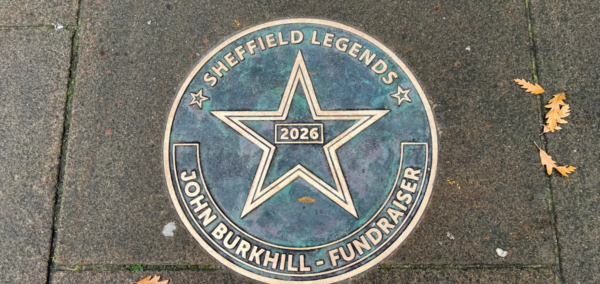
Sheffield’s ‘Man with the Pram’ honoured with Sheffield legends star outside City Hall

John Burkhill has received a star for years of dedication to fundraising