Man who got permanent eye damage from last solar eclipse shares exactly what happened
‘It’s not worth it’

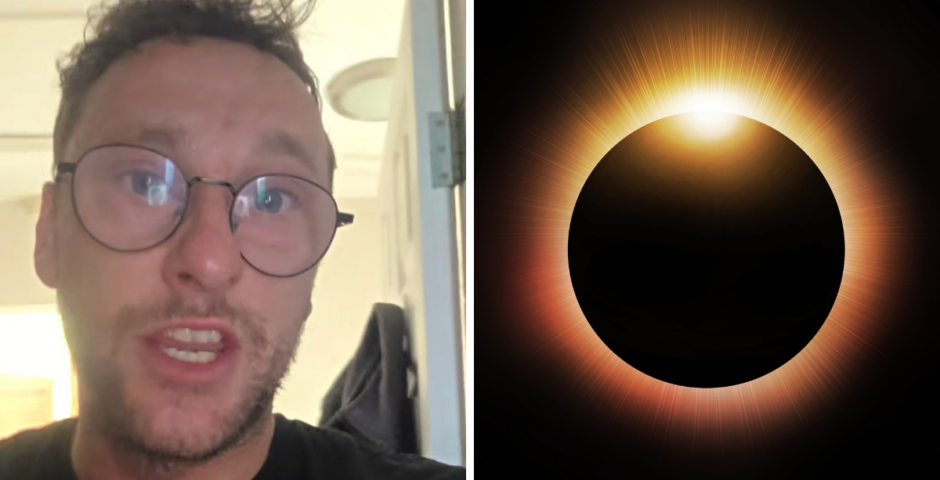
A man who looked at the sun during the last visible solar eclipse in the UK has shared his experience and the permanent eye damage he received.
On the 11th of August, the first fully visible solar eclipse in the past 27 years happened in England. Millions of people took part in viewing the spectacle, queuing up for hours for solar eclipse glasses and gathering at local parks.
@thetab_ How long would you queue for some solar eclipse glasses?! 🤓 👓 🌒 #london #solareclipse #eclipseglasses #eclipse #partialeclipse
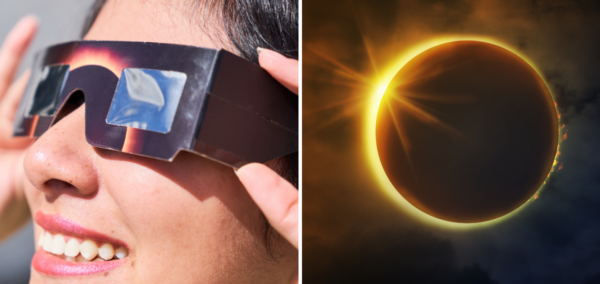
An important part of the celebration was emphasising the need to use the right eye protection to safely view the eclipse. Whether that’s a homemade projection box or special cameras, there are loads of ways to safely view an eclipse.
A man on TikTok who goes by J shared his experience of viewing an eclipse without the proper protective gear.
“To all the people who are saying you can look at a solar eclipse, and it doesn’t affect your eye… I lost 84% in my left eye in 1999 looking directly at a solar eclipse. Do not do it. Even with these sunglasses, it’s not worth it,” he said.

The last eclipse in 1999 had at least 70 people suffering permanent eye damage in the UK.
“I, for myself, will not be looking up at all, I don’t even care. 1999, and I ruined my eyesight. Don’t be that guy,” J continued.
He clarified in the comment section that he was six years old during the last eclipse, and had been staring at the sun for around five minutes.
“Don’t be that guy… in 1999 I caused permanent damage to my eye looking into a solar eclipse… It’s not worth it. Trust me,” he emphasised in the TikTok caption.
Worried you might have looked directly into the solar eclipse? Check our warning signs of eye damage article here, and call 111 for any non-emergency health advice from NHS professionals.
For more like this, like The Tab on Facebook.
Featured image via @jstikkytoky on TikTok and Canva

Latest
First week back at uni? Here’s everything you need to pack in your bag

Mary Poppins is quaking in her boots…
London university releases statement after professor sentenced for a child sexual offence

Barry Langford was a Professor of Film Studies at Royal Holloway

Young father-of-two died on day he was due to start at University of Glasgow

Young father tragically passes away at 24 years old after suffering a brain aneurysm
Bella Ramsey’s specific acting career gives them ‘an edge’ on Celebrity Traitors (they hope)
Their past roles have prepped them for Missions
12 of The Celebrity Traitors season two cast asked to be Traitors, and six to be Faithfuls
Three celebs couldn’t make up their minds
Maya Jama’s game plan for Celebrity Traitors is to avoid trying ‘too hard’ or ‘overthinking’
This is really devious tbh
Newcastle University buildings evacuated after ‘suspicious item’ found on campus

Police, fire crews, and fire engines arrived at the scene
12 things every Fresher gets wrong in their first few weeks at uni

From wearing your lanyard everywhere to leaving your washing-up until it grows its own ecosystem
Our Celebrity Traitors predictions include Maya Jama turning on her fellow Traitors

Here’s what we think will happen
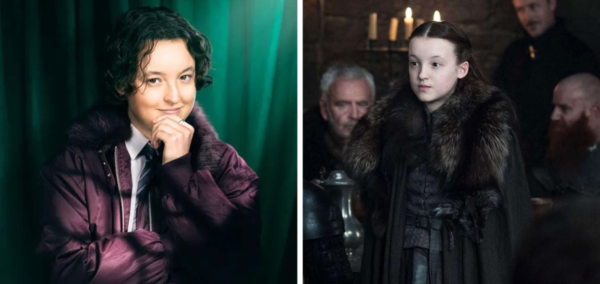
I’ve just realised that three cast members from Celebrity Traitors were in Game of Thrones

Having flashbacks to Bella Ramsey being crushed by a giant

23 to 70: The ages of the Celebrity Traitors 2026 cast, from youngest to oldest

There’s a huge age range this year

James Blunt was a British Army captain before becoming a singer and joining Celebrity Traitors
He mentioned it on the show
Monster director finally admits why they forced Aileen Wuornos in a show about Lizzie Borden
Despite the name, Lizzie Borden is not the focus of the story
Shows and films you can watch about Aileen Wuornos, where she isn’t thrown into another story

Others tell her entire case, unlike Monster on Netflix
This viral tool lets you customise your Apple Pay cards, and here’s how to do it
You can personalise the entire design
James Acaster could be the Celebrity Traitors’ recruit, as filming reportedly paused for him
It’s not much of a cliffhanger
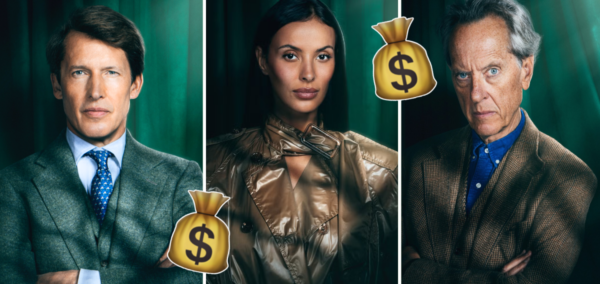
The ridiculous fortunes of The Celebrity Traitors: Their net worths, from £500K to £50 million
One of them could legit buy the castle three times over