

Beyond the degree: why Manchester students should embrace being multi-passionate
From paediatrics to poetry, Pinky May proves you can be more than your job title
There’s a strange pressure that comes with university: choose what you’re good at, get a degree in it, graduate, land a job and then, supposedly, stick to it.
We’re constantly told to ‘find our passion’, as though we only get one. And once we’ve chosen a career, anything else we enjoy can start to feel like a distraction from the main event.
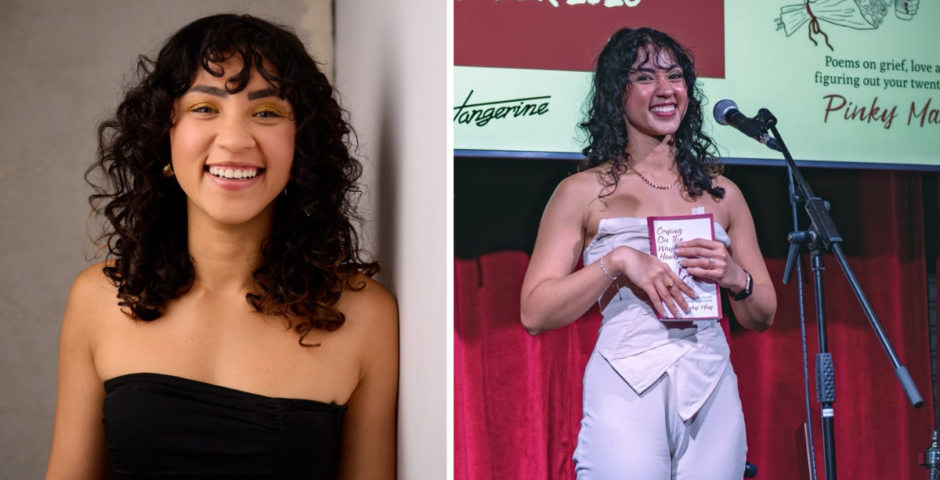
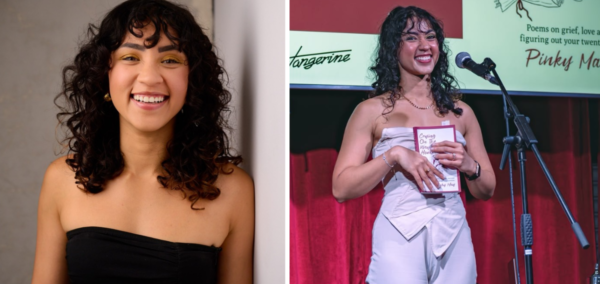
The Manchester Tab sat down with 29-year-old Pinky May, whose life trajectory makes a pretty convincing argument against that.
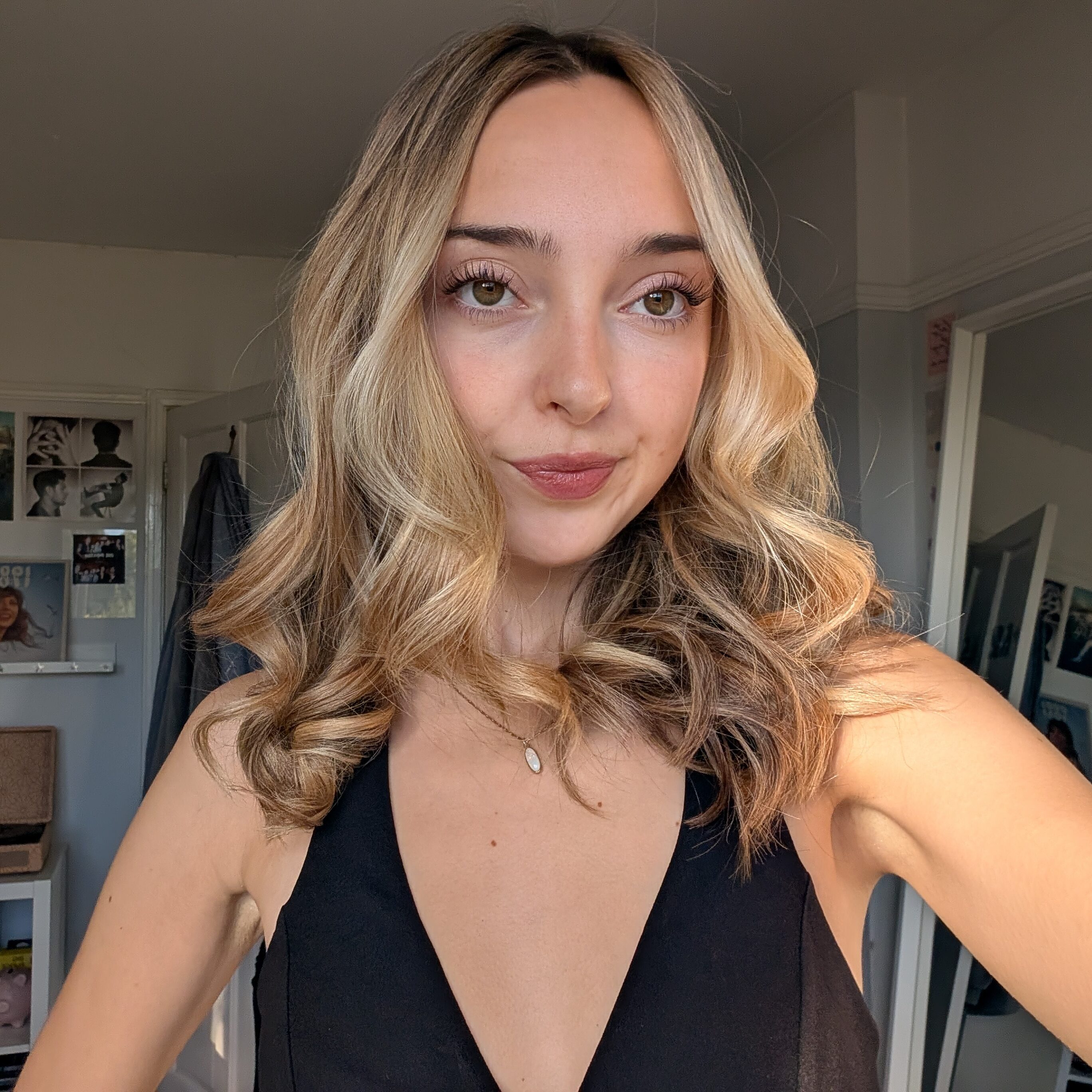
At 29, she is a paediatric doctor, published poet, weightlifter, calisthenics enthusiast and recently engaged.
Growing up in Burma, she moved to the UK at 17 to study A-levels in Brighton, before attending medical school at the University of Plymouth. She eventually moved to Manchester for her first job in 2021.
“I think people think I have it all figured out,” she says. “But I’m figuring it out as I go.”
Pinky always knew she wanted to study medicine. Her dad had diabetes, and as a child she was fascinated by watching him inject insulin. Medicine also offered something she liked: certainty.
“It is quite a laid out path,” she says. “After you finish your degree, there’s a job waiting for you.”
At university, Pinky joined a dance society, despite admitting she “wasn’t very good at it”, and got involved in medical outreach, visiting primary schools to run teddy bear workshops.
The sessions aimed to make children less afraid of doctors by teaching them basic medical skills and letting them patch up their own teddy bears.
This led her to specialise in paediatrics, drawn to the variety of working with patients from newborns to teenagers. Yet even as she committed to medicine, she continued making space for things outside it.
She discovered poetry during Covid, initially turning her journal entries into poems.
After moving to Manchester, following a period of personal loss, writing letters to her late dad became a way of processing her grief. Eventually, she found the confidence to share her work at an open mic.
“I was shaking that first performance,” she says. “I was so scared, but then it felt so nice afterwards, like I released it.”
That sense of release is important because Pinky is particularly wary of turning every interest into another achievement.
“Especially these days with social media, every hobby becomes a side hustle,” she says.
She admits she had considered setting up an account and posting every day to make money from her poetry. But, as she explains, “the reason I started doing [poetry] was because I wanted a release.”
There is something slightly depressing about the fact that even our hobbies now seem to need a business plan. We have become so accustomed to measuring our time by what it produces that doing something simply for enjoyment can feel almost irresponsible.
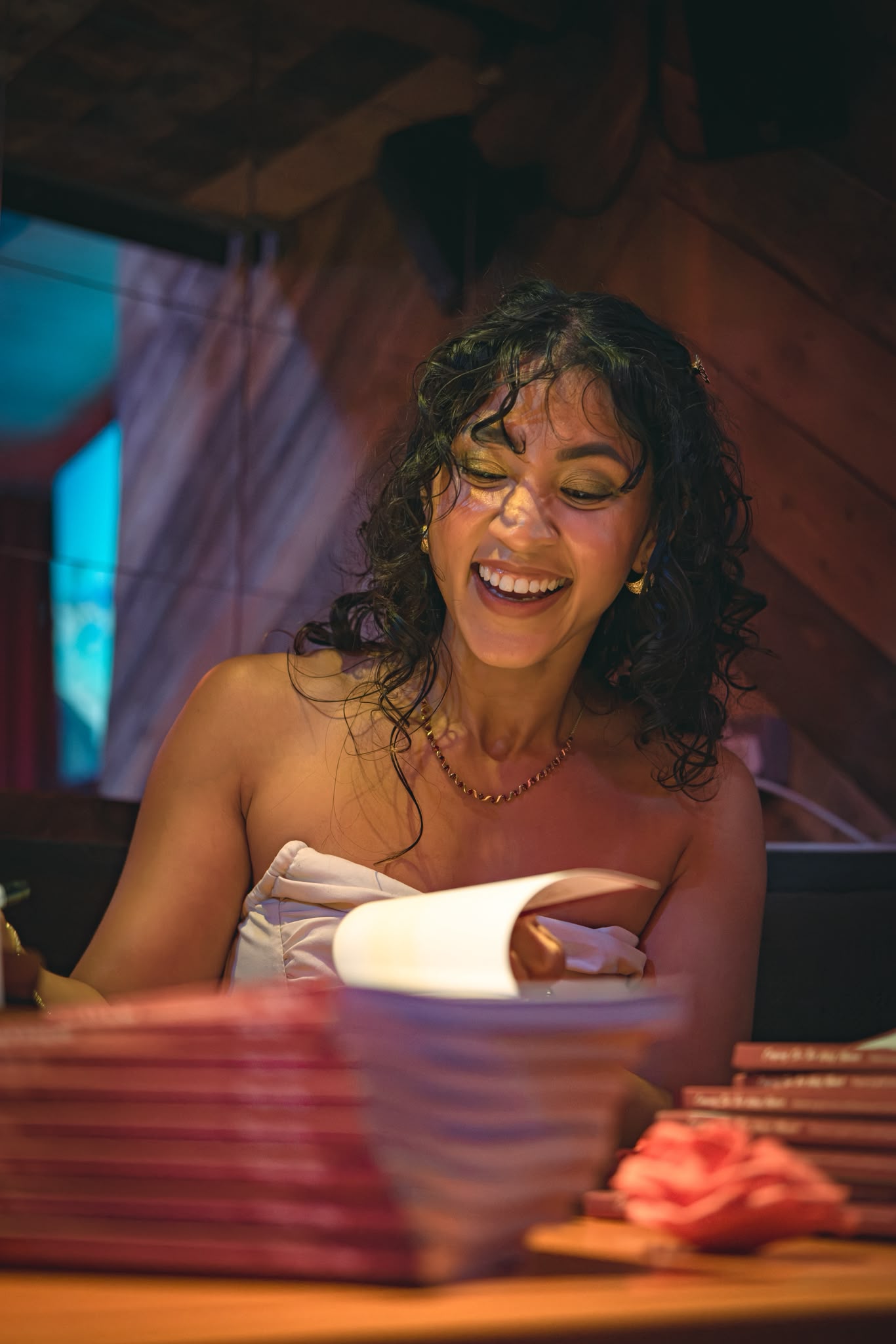
Pinky published her own poetry collection late last month which explores the messy reality of navigating your twenties.
Through poems about love, heartbreak, grief, and self-worth, she captures the uncertainty of growing up and the struggle to work out who you are along the way. Rather than offering easy answers, her writing gives readers a sense that they aren’t alone in this journey.
Yet even something that began as an escape has acquired its own expectations: promoting the book, attending events and writing more.
At the same time, she is progressing through her medical career and considering specialising further in paediatric endocrinology – a branch of medicine that treats hormonal and growth-related conditions in children and teenagers. This means building a research portfolio alongside her day-to-day work.


With both careers demanding her attention, it would be easy to feel that she has to give everything her all, all the time. Yet Pinky has come to a different conclusion.
“It just has to come in seasons,” she says.
Not everything has to be pursued at 100 per cent, all at once. Sometimes medicine gets the focus, sometimes poetry does. Sometimes a busy week means going to the gym twice instead of four times.
“I’ve learnt not to be so rigid with it,” she says.
It’s a refreshing alternative to the idea that we should always be doing more. University culture often encourages us to collect achievements: get the degree, join the society, secure the internship and build the CV. Before long, even the things we enjoy can become another way of proving ourselves.
Pinky’s poem Momentum touches on exactly this feeling. She reflects on the pressure to constantly pursue another version of herself, questioning who she would be “without the striving”.
It is an uncomfortable question because ambition is usually presented as an entirely positive thing. We are told to want more, work harder and never become complacent.
There will always be another promotion, qualification or achievement to chase. Yet, if success is measured solely by what we accomplish next, when do we actually get to feel satisfied?
For Pinky, this relationship with achievement goes back to childhood. She describes feeling conscious of the financial sacrifices her parents made for her education, and believes she may have learnt to associate achievement with worth.
“I probably learnt to equate love with achievement,” she says. “Which is really difficult because it never really ends.”
It is something she is still unlearning. And perhaps learning to make room for interests outside medicine is part of that process.
Pinky notes having different outlets makes her “more grounded”. But more importantly, she believes they make her better at her job.
“If you’re not stressing, you can listen to people more,” she says. “You’re not rushing through things, it makes you a better doctor and you’re less likely to make mistakes.”
If your entire life revolves around work, it becomes much harder to bring patience and attention to the people who need it.
Having something to look forward to outside the hospital can make it easier to switch off, recharge and return with a clearer head.
Perhaps that is the part of the conversation we miss when we talk about hobbies as distractions from our careers. They might actually be what allows us to show up better for them.
Looking back at university, she wishes she hadn’t put so much pressure on herself.
“I wish I just let myself enjoy time with friends, especially during uni, because it didn’t have to be that rigid,” she says. “I would have liked to let go a little bit.”
Her advice to her 20-year-old self is simple: let go of the timeline.
Maybe we need to stop asking what our hobbies are for. Not everything needs to be monetised, mastered or turned into something impressive. There is value in doing something simply because it makes you happy.
Pinky’s story is a reminder that we don’t have to abandon the parts of ourselves that don’t fit neatly into our professional identities.
A degree shouldn’t be a blueprint for the rest of our lives, and ambition shouldn’t mean sacrificing everything that makes life worth living.
Featured image via Pinky May

Latest

Gloves are off! Meet your Cardiff Fight Night 2026 fighters
Time to find out who’s pulling their punches
Beyond the degree: why Manchester students should embrace being multi-passionate
From paediatrics to poetry, Pinky May proves you can be more than your job title
Just two days in and there’s a big change to the I’m A Celeb 2026 episode schedule

I need routine, please
Chris Watts’ ‘wife’ speaks out after he calls off jail wedding and starts relationships with male inmates
‘There is so much more to it’
Think you’ve got what it takes to run The Manchester Tab? Apply now
Applications close November 25th at 23:59pm
Birmingham students are walking out in protest of university militarisation
Students are protesting on Friday 20th November against the militarisation of universities across Europe
Paul Hollywood reveals what Noel Fielding is really like away from Bake Off cameras
He questioned the team’s decision
University of York abortion discussion sparks backlash after Pro-Life Society ratification
The York Union hosted a conversation on abortion in the UK
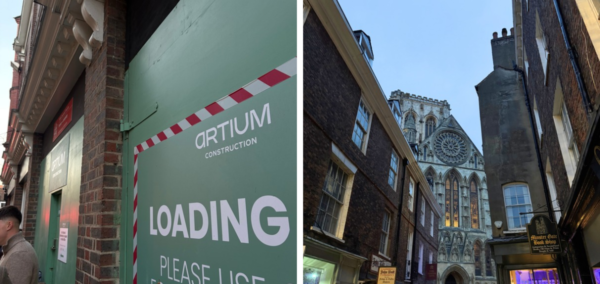
Plans for York city centre Aparthotel approved by council
Plans have been approved to transform a building on Parliament Street in York to an Aparthotel
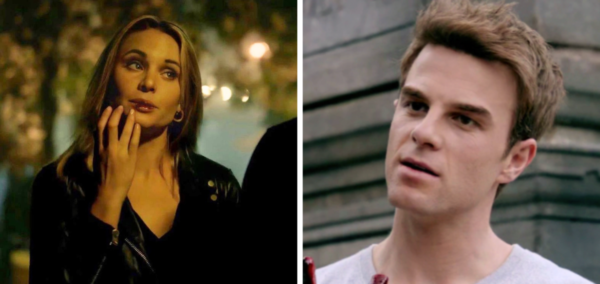
Vampire Diaries star’s sweary rant about Nathaniel Buzolic resurfaces amid his feud with co-stars

‘Sociopathic’ was the nicest thing she said about him
Yorkshire councils and NHS hit hard after Microsoft outage nightmare
Major global Microsoft outages sparked chaos within York councils, police forces, and hospitals.

Everything you can get in new McDonald’s Home Alone meal, including socks and pizza pies

It’s available in the UK and the USA
I’m A Celebrity’s Ade opens up about his sister’s life now after their childhood separation
She eventually joined him in London
Musophobia to scoleciphobia: The I’m A Celeb cast’s fears, and the five who claim no phobias
The concept of Wayne Rooney screaming at the sight of a fish is hilarious
I’m a Bristol graduate who’s applied to hundreds of jobs – I haven’t heard back from any
21-year-old Evelyn said she never knew how important LinkedIn was until she graduated
Ant and Dec address whether AJ Odudu’s fake I’m A Celeb elimination was staged
People think she knew she wasn’t going home
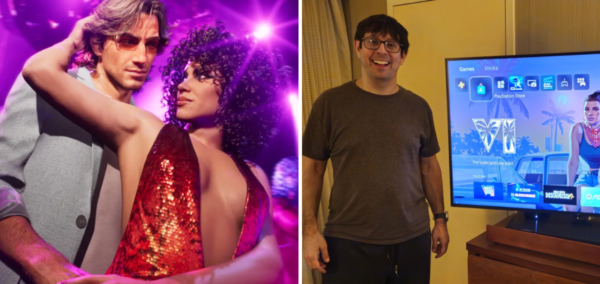
GTA players are doing some genuinely ridiculous things ahead of the game’s release
The internet is preparing to go all out
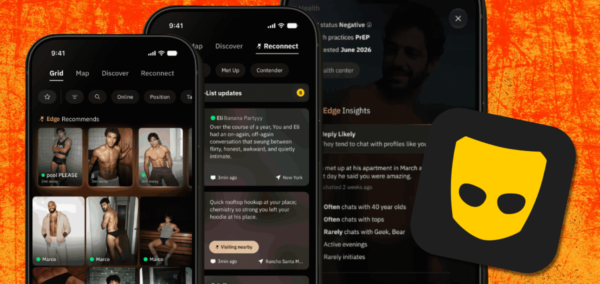
What gays actually get in Grindr’s $120 a MONTH tier, as CEO issues catty response to backlash
For that price, I better be able to custom build a man

The videos are hilarious, so here’s how to do the freestyle rap challenge trend that’s all over TikTok
I’ll see you at the Grammys
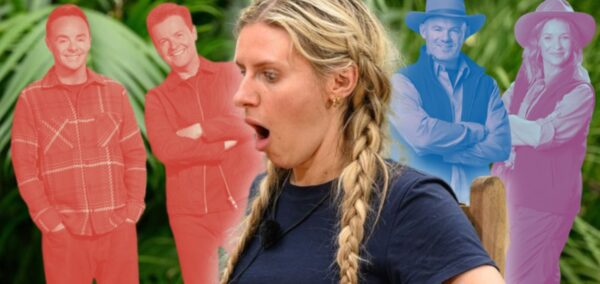
Defending I’m A Celeb 2026: The jungle is SO back, and I’m not hearing otherwise
Can everyone stop slating the first few episodes please