

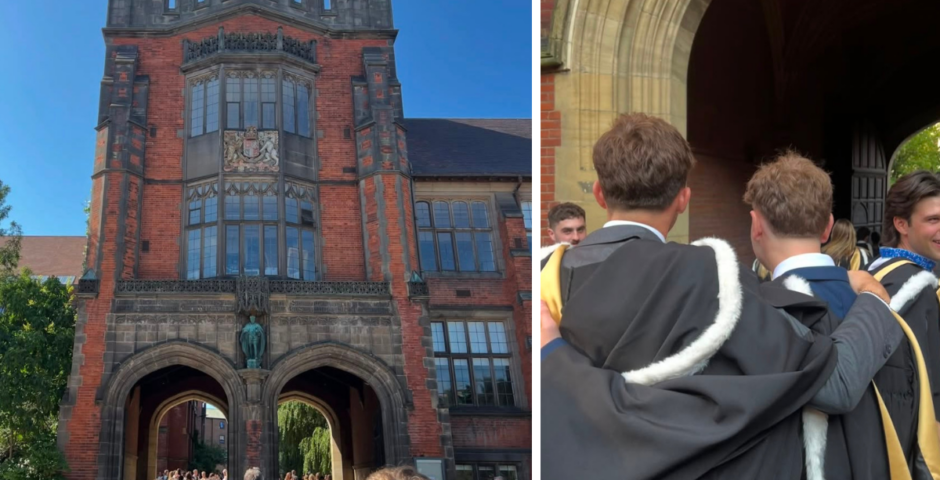
Is university economically worth it? Newcastle students share their opinions
55 per cent of students in England will not fully repay what they borrowed, including interest

Newcastle students have shared their views on whether going to university is still worth the financial cost, as concerns over student debt and graduate earnings continue to grow.
A third of people say that a university degree is “not worth it,” according to the BBC, with researchers saying the concern is the highest in over 20 years.
Under “making the tax system fairer and fit for the 21st century,” the 2025 Budget document stated that the government would freeze the salary level at which graduates have to start repaying their student loan for three years from 2027.
The debate around Plan 2 student loans has permeated mainstream media and social media feeds, and has sparked further debates around issues of social inequality and “loan sharking.”
Under Plan 2, a student who had to take out the maximum maintenance loans would have graduated with approximately double the amount of student debt than a fellow student who had parental support.
Government forecasts expect that 55 per cent of full-time undergraduate students in England, who begun their course in 2025/26, will pay back their student loans in full. This means that about 55 per cent will not fully repay what they borrowed, including interest.
2026/27 President of Newcastle University’s student union, Gina Tindall, explained she has a student loan debt of £90k after a four-year undergraduate degree in a video interview with the BBC.
Gina argues that much of the coverage citing degrees as poor value is misleading. Most graduates still benefit economically from going to university, she says, and remain more likely to be employed than those who did not attend.
In an Instagram poll, the Newcastle Tab asked followers: “Do you think university is economically worth it?”
From 380 responses of an audience that consisted of some past and current Newcastle and Northumbria University students, 52 per cent voted (NO) it is not economically worth it, and 48 per cent voted (YES) it is economically worth it.



Despite the results, Gina believes “if I did not go to university, I could not have escaped out of my working-class background,” commenting that the positive aspects outweigh the negative and that students want a better future.
Gina added the current system amounts to a “tax on ambition,” in which those forced to borrow the most, may be those who go on to earn the most, and therefore end up repaying the most interest on the largest debts.
“It feels a bit like a punishment,” she said.
An inquiry by MPs into the student loan system in England has started, and the National Union of Students (NUS) said the inquiry should look at the graduate earnings repayment threshold and interest rates.
Gina explained the inquiry should prioritise immediate, achievable changes. She argued the terms of loans already signed should not be altered retrospectively, including any move to shift the repayment threshold away from the inflation-linked increases students were promised.
She also called for the interest rate charged on loans, currently pegged to RPI rather than CPI, to be reviewed, arguing it results in graduates paying more than they would on comparable loans.
According to the National Centre for Social Research, there has been a decline in those who believe going to university leaves graduates “a lot better off” in the long run, down from 50 per cent in 2005 to 36 per cent in 2025.
A spokesperson for the Department for Education said: “It is important that students get real value from their investment into higher education,” adding that “we inherited the current system and have taken steps to make it fairer including raising the repayment threshold for the first time since 2021 and capping maximum interest rates to protect graduates from rising costs.”
An inquiry by the Treasury Committee into student loans and taxation of graduates began earlier this year, with oral evidence presented in June.
Latest
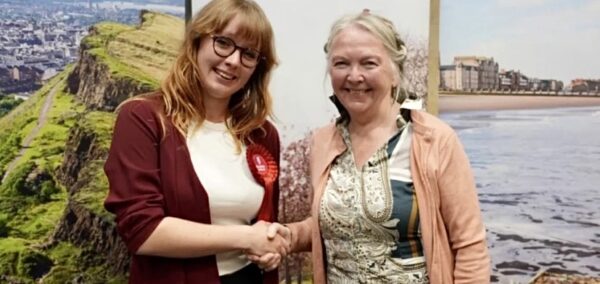
From University of Edinburgh Student to Edinburgh Councillor, Ruth Elliot Reflects on her Journey into Politics

In a conversation with The Edinburgh Tab, Ruth Elliot discusses student life, her role as Vice President Community, and her goals as councillor
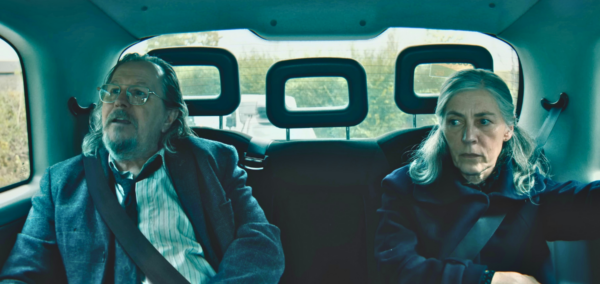
Slow Horses season six isn’t the same, so here’s why the show’s creator Will Smith quit

‘I sadly couldn’t keep going’

Bonnie Blue’s video birthday messages to 16-year-olds are the final nail in the coffin

‘Maybe one day, me, you, and your dad can take a trip’

It’s been a whole 10 years since This Is Us started, so here’s where the cast are now

Justin Hartley re-married in the same year he divorced Chrishell Stause
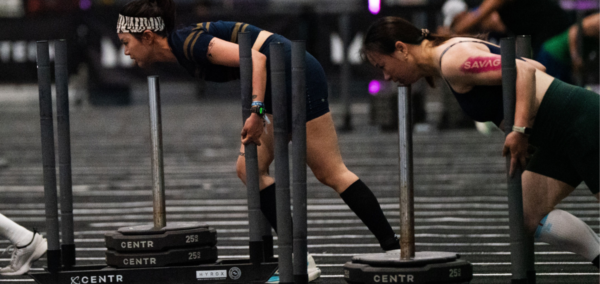
HYROX has actually just added new ‘faeces’ rule, so here’s what it means for athletes

Joanna Wietrzyk should consider herself lucky
Calling all aspiring journalists and content creators: Join The London Tab!

Come to our open meeting on Tuesday 29th September, 7pm at the Institute Bar

Billionaire who paid actress $4.5million to marry him wants cash back after she sacked him off
The crypto tycoon paid a ‘bride fee’
I’m a first-class Leeds grad, but it took me two years and 120 applications to find a job

Maddy was once told she wasn’t offered an interview because her application was ‘too far down the pile’

Kelly Osbourne reveals the moving thing father Ozzy told her three days before he died
He wanted her to know this
Lancaster University student wins national award for flooding research project

According to research, the flood risk in Grasmere may be substantially greater than anticipated
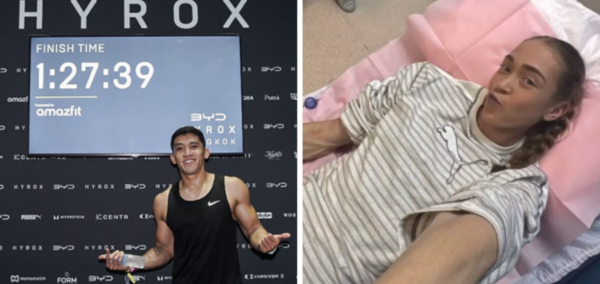
Angry HYROX athlete details silly reason he was disqualified after pooing woman wins
He finished the whole race, but was slapped with the disqualification after
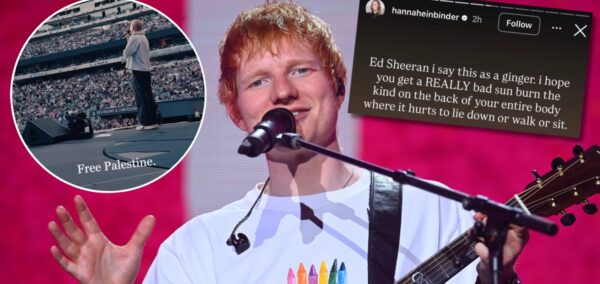
All the celebrities publicly calling out Ed Sheeran after Macklemore is dropped from tour
Loads of actors and musicians are speaking out against him

Ed Sheeran branded ‘coward’ as treasure trove of receipts resurfaces after response to Macklemore
Mr ‘I’m not political’ turns out to be very political
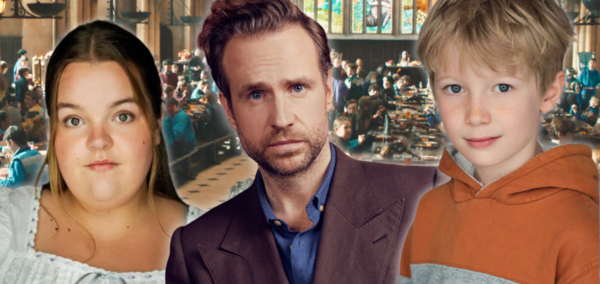
HBO casts three more actors in the Harry Potter TV show – here’s what they had to say about it
Moaning Myrtle’s actor understands ‘the significance and responsibilities’
People are just finding out what HYROX really stands for and the backstory is giving them the ick
I don’t know what’s worse, the poop story or this
Love Island couple confirm split as she moves out of home they shared after the villa
This is all so quick!

‘Pull up!’: Video inside NBC helicopter captures final moments and last words of those killed
The helicopter was covering a bus accident when it went down on Tuesday

This Love Island 2026 couple are finally official and the other Islanders are freaking out
Their reactions are brilliant
All three opening acts and Ed Sheeran’s own band quit tour after Macklemore was dropped
‘Artists must not be silenced’