
Six huge details The Murder of Rachel Nickell left out show just how many lives were affected
Colin Stagg was later involved in an axe incident

Netflix’s The Murder of Rachel Nickell explores one of Britain’s most shocking murder cases, from the killing itself to the disastrous investigation that followed, but there were a few details that didn’t make the final cut. Some were about the police investigation, whilst others focused on what happened to the people caught up in the case afterwards.
So, here are six major details the documentary didn’t really cover.
via Netflix
Robert Napper was reported to police multiple times before Rachel’s murder
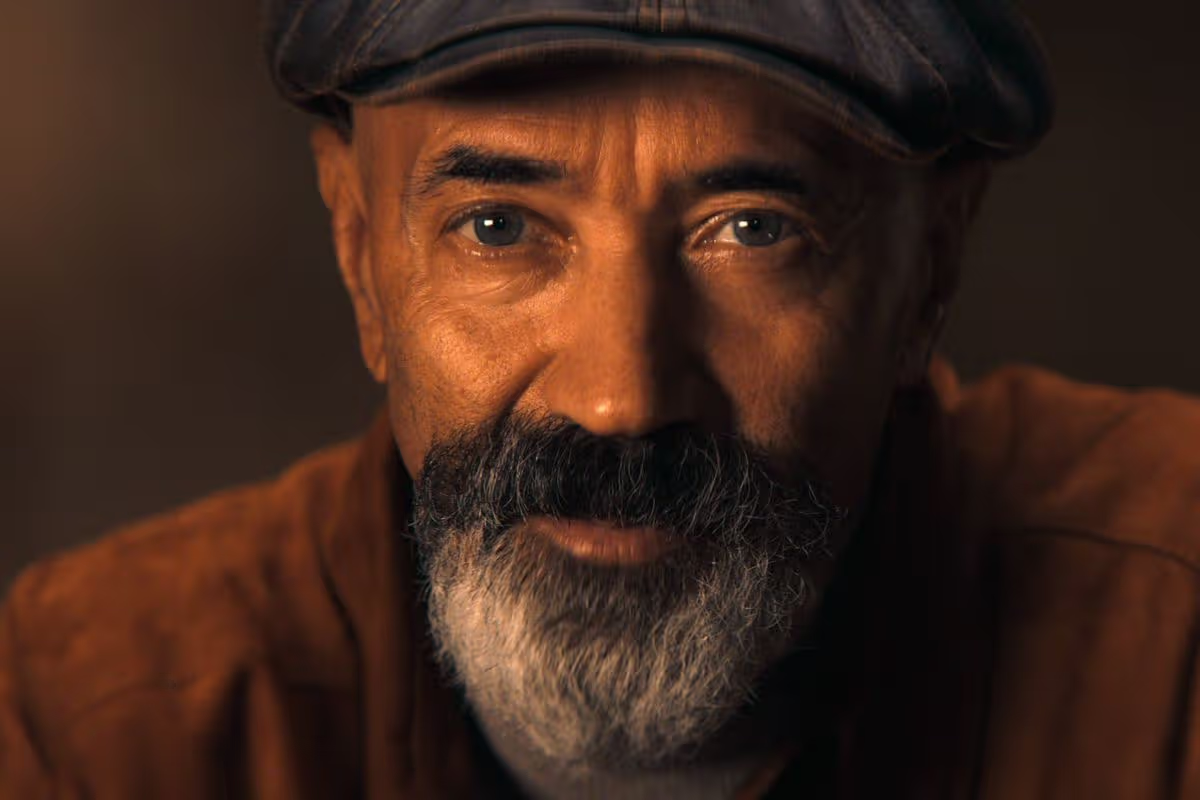
One of the biggest details left out is just how many opportunities there were to identify Robert Napper before Rachel Nickell was killed. As reported by The Guardian, Napper had come to police attention at least seven times before Rachel’s murder in July 1992. His mother even contacted police after he allegedly admitted raping a woman, but officers said they had no record of such an attack.
Police later investigated a series of assaults linked to what became known as the Green Chain Rapist. Several tip-offs reportedly pointed towards Napper, but he was eventually ruled out after one victim described her attacker as being around 5ft 7in tall, whilst Napper was actually 6ft 2in.
Police later searched Napper’s flat and found firearms, ammunition, knives, maps and diaries. Despite this, he was not identified as Rachel’s killer until DNA advances years later linked him to the murder.
Robert Napper apologised to Colin Stagg after admitting responsibility
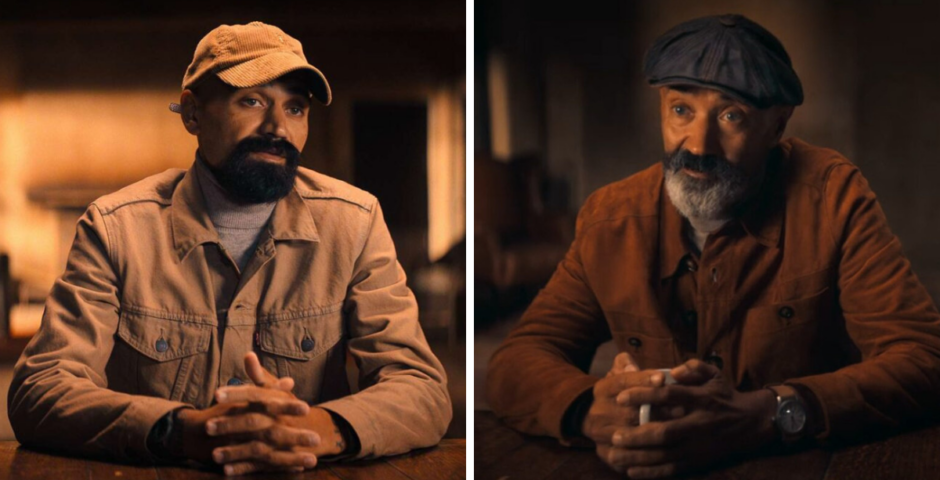
The documentary focuses heavily on Colin Stagg being wrongly accused. But it doesn’t spend much time on what happened after Napper was finally identified. According to The Independent, after pleading guilty to Rachel’s manslaughter on the grounds of diminished responsibility in 2008, Napper asked his QC, David Fisher, to apologise to Stagg on his behalf.
By that point, Stagg had spent more than a decade living under suspicion. This was despite there being no forensic evidence linking him to Rachel’s murder.
Paul Britton later distanced himself from Operation Edzell
The documentary examines psychologist Paul Britton’s role in the investigation and the controversial undercover operation targeting Colin Stagg. However, Britton later denied writing any of the Operation Edzell letters sent to Stagg by undercover officer “Lizzie James”.
“Not only did I not write them but I did not see them until they had been sent,” he told The Independent in 2004.
Britton also claimed he questioned the legality of the operation. He said police told him not to concern himself with legal matters. The operation was ultimately condemned by the trial judge. He described the police tactics as “deceptive conduct of the grossest kind”.

Colin Stagg later received compensation, but his life remained difficult
via Netflix
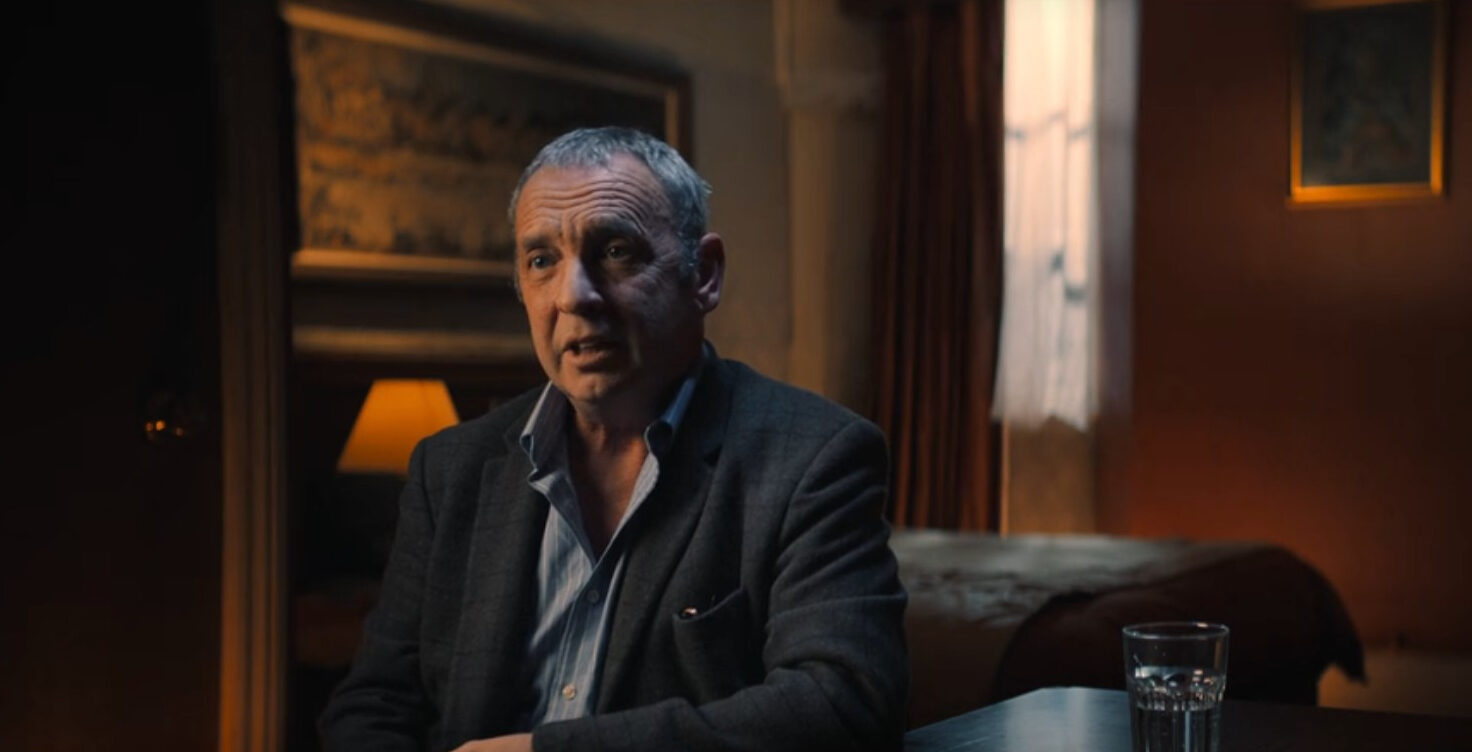
After Robert Napper was identified as Rachel’s killer, Colin Stagg received a formal apology. He also received £706,000 in compensation. According to ITV News, Assistant Commissioner John Yates apologised for the mistakes made during the investigation. He also acknowledged the lasting impact they had on Stagg’s life.
Stagg later rebuilt parts of his life. In 2021, it was reported that he found work in retail. He also revealed plans to marry long-term partner Terri Marchant.
However, he later revealed he had become homeless after the breakdown of that relationship. He also had to spent time living in emergency accommodation.
Colin Stagg was later involved in an axe incident
One of the most surprising details omitted from the documentary happened shortly after Stagg’s murder case collapsed. According to The Independent, Stagg was arrested in January 1995 after threatening a man with an axe during an argument on Wimbledon Common.
His lawyers argued that the years of suspicion, media attention and public hostility had left him struggling psychologically. He later pleaded guilty to threatening behaviour and possessing an offensive weapon and was given 12 months’ probation.
André and Alex Hanscombe both wrote memoirs about what happened
via Netflix
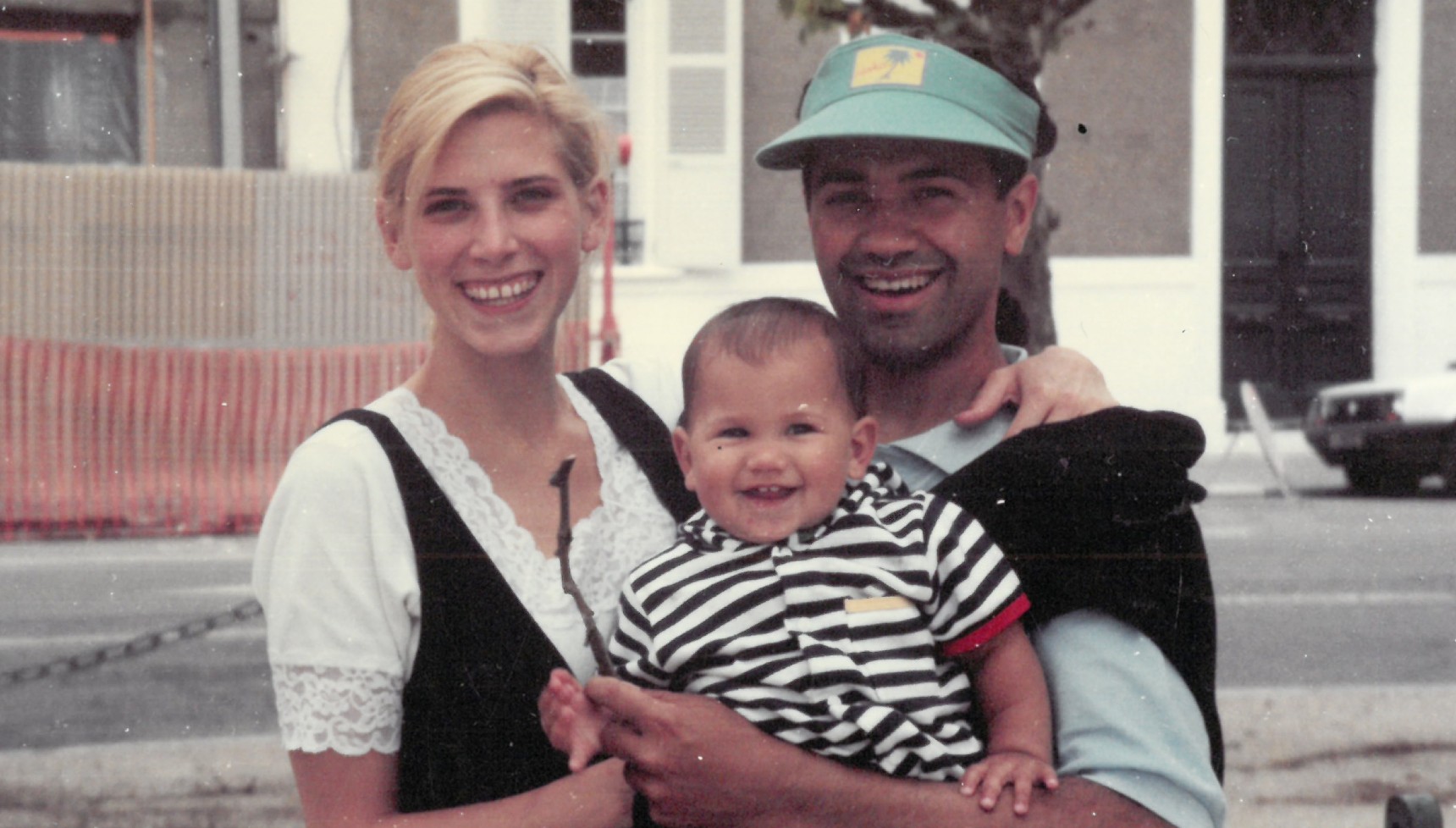
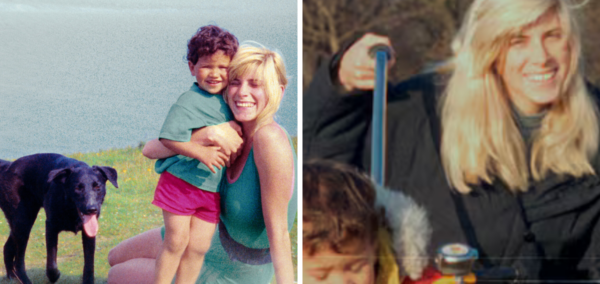
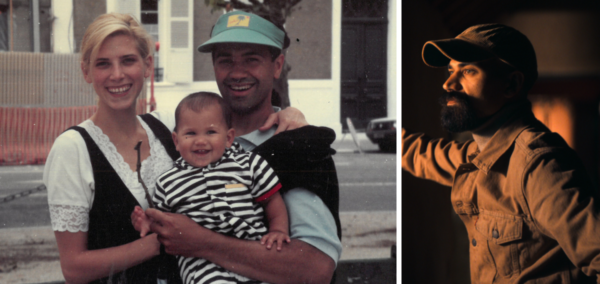
Rachel’s partner André Hanscombe and son Alex both appear throughout the documentary. But viewers may not realise that they have each written books about their experiences. André published The Last Thursday in July in 1996, which detailed Rachel’s murder, the aftermath and his frustrations with the police investigation.
More than 20 years later, Alex published Letting Go: A True Story of Murder, Loss and Survival in 2017. The memoir explores witnessing his mother’s murder as a toddler, growing up in the shadow of the case and eventually finding peace after years of trauma.
The Murder of Rachel Nickell is available on Netflix now. For all the latest Netflix news and drops, like The Holy Church of Netflix on Facebook.
Latest
The most expensive and the most surprisingly cheap items in the Emmys 2026 gift bags

Celebs get a cryptocurrency storage device… and a Bananagrams game?
‘Get him OUT’: Harry from Big Brother’s husband backlash gets worse as shocking post resurfaces

It’s been what, 24 hours?
The cast of Netflix’s Crew Girl share their takes on whether Teagan should date Cam or Josh
Cam and Josh should just date each other tbh
A rundown of which Beauty in Black characters die or survive in the season three finale
A few characters’ fates are left unclear, I’m afraid

Six things genuinely worth leaving the house for this London autumn: A detailed guide

A cruise on the Thames? It’s what Lizzy would have wanted
HYROX apologises and changes rules after athlete wins despite soiling herself during competition

‘We did not handle the situation like we should have’

TikTok’s freaking out about this guy kayaking down the Congo Basin, so here’s why he’s doing it

The kayak is inflatable
The Tab is hiring a Social Video Producer to join our team
We’re looking for someone who lives on TikTok and is full of ideas to make daily videos for our rapidly growing channels
Wait, it’s just been brought to my attention that this part of a laptop charger is actually useful?!
I kinda just thought it was… there
HYROX athlete posts (then deletes) witty response after choosing to poo herself rather than quit
A bathroom break mid-competition was out of the question… and she did win tbf
University shares statement as x-rated Bonnie Blue 1,000 men in a day videos appear on its site
‘Full footage for your eyes only!’
Your official guide to Freshers’ Week nightlife in Liverpool

From £1 shots to sweaty tech-house basements, Liverpool’s nightlife scene hits differently.
Everything you need to know about UoL’s and LJMU’s official Welcome Week events
Whether you’re heading to UoL or LJMU, both student unions have pulled out all the stops for Welcome Week
‘Crossed a line’: Pregnant adult content creator calls out Bonnie Blue’s ‘weird’ baby content
Here’s her take as someone in the same industry
These 11 UK universities fell down more than 20 places in the Guardian’s rankings for 2027
One university was ranked 65 places lower than last year

Lily Phillips drops videos from ‘most intense shoot yet’, and here’s the married man at the centre
He was responsible for making Lily look like she’s been ‘swimming in chlorine with no goggles’

Lancaster Litfest set to return to city with ‘packed programme’ this autumn
The festival will run throughout October and November across various Lancaster venues
Non-believer who died for 50 minutes vividly describes what her encounter with God was like
‘I got to sit in his lap, I got to go with him to work’
Influencer writes to MP about Bonnie Blue’s ‘troubling’ baby videos, and urges everyone else to
‘This has disgusted and deeply concerned me’