

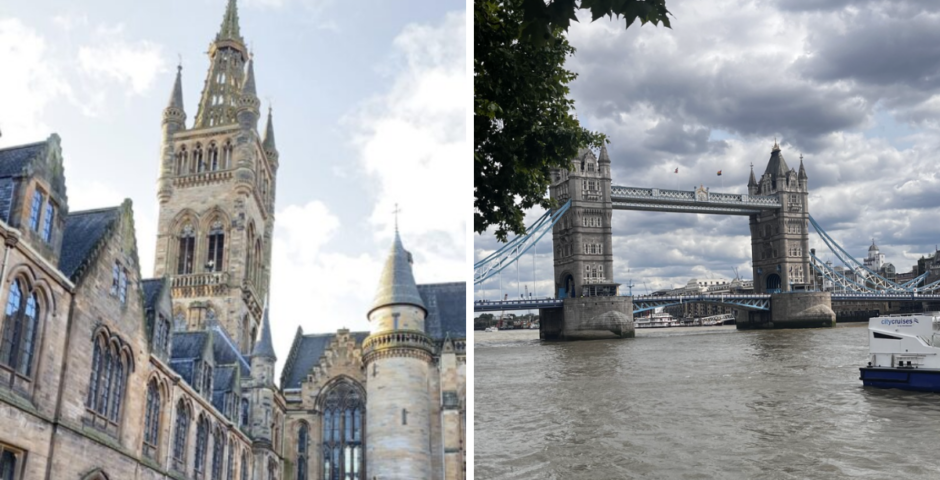
‘The weather can be a lot’: Glasgow graduate compares living in Scotland to England
‘It’s hard to consider moving to somewhere where I couldn’t get an Empire biscuit’

Migration patterns within the UK are shifting in a noticeable way. Recent figures from the Office for National Statistics show that more people are leaving England for other parts of the country than at any point in the last two decades.
Scotland and Wales, in particular, are seeing a steady inflow – 58,000 people relocated to Scotland last year, while 65,000 chose Wales. Combined, that marks a 66 per cent increase since 2005.
For some, the move isn’t temporary. Meredith Gallop, now 32, arrived in Glasgow in 2011 to study English literature and theatre. What began as a university decision gradually became a long-term commitment. After graduating in 2015, leaving simply didn’t feel necessary.
Glasgow appealed at first for its creative scene and the promise of something different from London. That initial impression held. Over time, the city’s pace, affordability, and social atmosphere made staying the obvious choice. Gallop notes that this isn’t unusual—many English students who come to Scotland for university eventually find their way back after attempting life elsewhere.
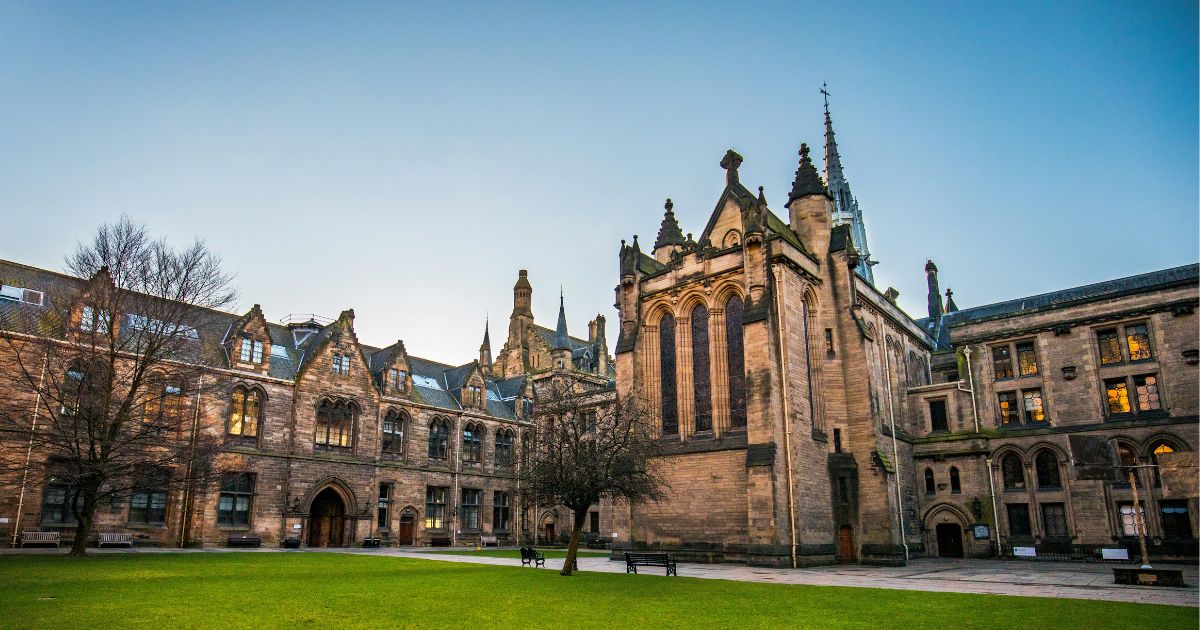
Career considerations played a role too. Returning to London after graduation would likely have meant moving back in with family, alongside entering a highly competitive job market. Glasgow, by contrast, offered room to experiment. The local start-up environment felt accessible, and there was less pressure to immediately lock into a rigid career path. A relationship at the time, with someone rooted in Scotland, reinforced the decision.
Since then, Gallop has retrained as a software developer. While salaries in Glasgow don’t match London levels, the difference in living costs shifts the equation. Lower income doesn’t necessarily translate to a lower standard of living. In fact, it often allows for more flexibility and comfort.
Housing is a clear example. With financial help from an inheritance, Gallop was able to purchase a one-bedroom flat in Glasgow’s southside. In London, the same budget would likely have stretched only to a shared ownership property in a less familiar area. In Glasgow, that investment translates into more space, proximity to work and friends, and even a dedicated workspace.
That said, the city isn’t without its issues. Seasonal differences are more pronounced, with colder temperatures and shorter days lingering into spring. The contrast can be frustrating, particularly when southern England is already enjoying milder weather—but it’s a trade-off that comes with the territory.



via Unsplash
Infrastructure presents its own frustrations. Bus services are expensive and inconsistent, complicated further by multiple private operators. Public transport lacks the cohesion seen in London, and connections to and from Glasgow Airport are notably limited.
Distance from family in England is an unavoidable downside, though not an insurmountable one. Travel between Glasgow and London is manageable when transport runs smoothly. Over time, family ties have even extended northward—Gallop’s parents have purchased a property in Glasgow as part of their retirement planning, turning visits into something more frequent and less logistical.
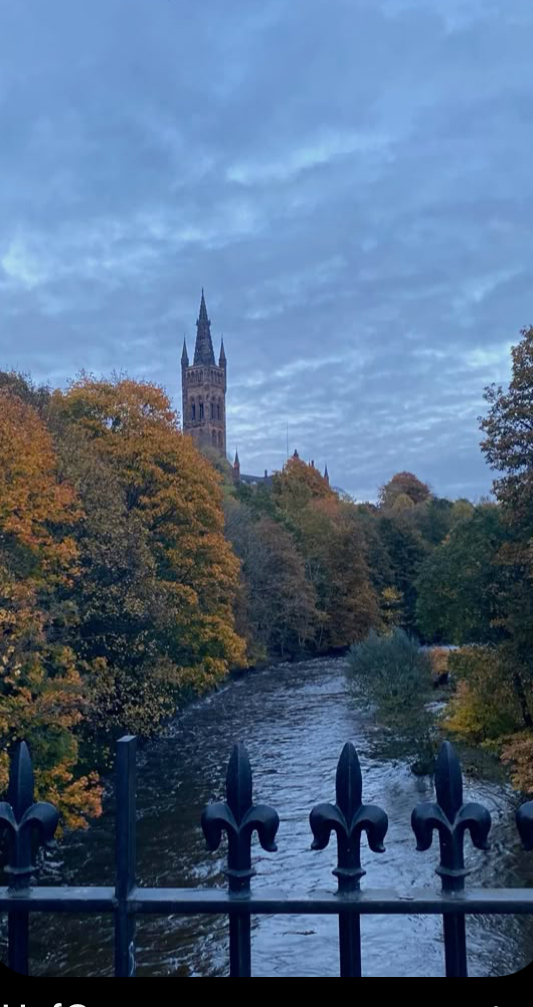
Despite these drawbacks, the social fabric of Glasgow – especially in the southside – stands out. The area is notably diverse, home to long-established residents alongside Pakistani, Romani, and LGBT communities. There’s a strong sense of local identity, reinforced by familiarity; it’s common to recognise faces and build casual connections over time.
Even when considering new opportunities, the pull of London or other English cities doesn’t quite outweigh what Glasgow offers. Cultural details, even small ones, like access to distinctly Scottish treats, carry surprising weight in that calculation.
There’s also an awareness that increased migration from England can shift local dynamics. While usually expressed through humour, there is some sensitivity about rising numbers. The general expectation is straightforward: Newcomers should contribute meaningfully to the community rather than simply take advantage of lower costs. In practice, most people can tell the difference.
For more of the latest news, guides, gossip and memes, follow The Glasgow Tab on Instagram, TikTok, and Facebook.



Latest

Lizzie Borden never married, despite speculation about her relationship with Nance O’Neil

Netflix explored her relationships with women



As Christa Pike’s execution fails, her accomplice boyfriend is living a totally different life

He gave an interview from prison in 2026

Christa Pike is one of eight people in US history to survive execution by lethal injection

She is being treated in hospital

When will Georgia Toffolo realise no matter how many times she pretends to be relatable… she’s not?

She’s posted yet another video about money

Meet Moyin Odeniran, the KCL student taking part in this year’s Great British Bake Off

Turns out all those hours in the library were worth it

Witnesses describe Christa Pike’s failed execution after she survives two rounds of lethal injection
‘I’ve witnessed, I believe, five executions in Tennessee. Nothing about today was normal’

A timeline of how Christa Pike’s failed lethal injection attempt unfolded, and where we are now
A lot has happened since 10am yesterday

How to add any physical loyalty card to your Apple Wallet with genius new iOS 27 feature
Finally something that’s actually useful

Prue Leith admitted being 86 was one reason she decided to leave The Great British Bake Off
She has been replaced with Nigella

Louis Theroux subject fined after cornering shop worker with comments about his ‘English wood’
She felt ‘trapped’ as five men surrounded her
11 UK universities rank among the top 100 in the world – but not Durham

The University of Oxford is still first in the world

Christa Pike’s failed execution is Tennessee’s second this year, after Tony Carruthers
He has been granted a one-year delay

Pete Davidson shares his opinion on the constant body image scrutiny ex Ariana Grande gets
‘I don’t like it at all’

‘She didn’t die’: Mum of Christa Pike’s victim speaks out after two failed lethal injections
She said Christa showed no remorse

Christa Pike’s lawyers share statement addressing why death row inmate’s execution failed
A comprehensive review will ‘determine exactly what occurred’

‘My arm is about to bust’: What death row inmate Christa Pike said during failed lethal injection
She is now in hospital being provided life-saving measures

Freshers, here are seven things you absolutely don’t need to worry about yet

Have a break, have a chill pill.

Eight damning pieces of evidence that suggest Lizzie Borden was guilty, despite her acquittal
Some things don’t add up

Monster: The Lizzie Borden Story star breaks down Bridget’s hidden motivations
‘She’s a woman who is struggling and surviving’