


Brighton Council to compensate people with £100 for ‘emotional distress’ caused by seagulls
The move has been described as part of a wider effort to address ongoing quality of life concerns.

Brighton and Hove City Council has announced plans to compensate residents with £100 payments for “emotional distress” caused by the city’s notorious seagulls.
The move has been described as part of a wider effort to address ongoing quality of life concerns.
The initiative, reportedly approved following months of complaints from residents and visitors, aims to acknowledge the psychological impact of persistent seagull interference, particularly during peak tourist season.
The scheme will apply to those who can demonstrate repeated disruption, including stolen food, loud early morning disturbances, and what the council has officially referred to as “aggressive aerial behaviour in public spaces.”
A council spokesperson said the decision reflects growing awareness of the impact local wildlife can have on everyday life.
“We recognise that seagulls are an iconic part of Brighton,” they said, “but we also understand that for many residents, the experience can be overwhelming at times. This compensation is intended as a small acknowledgment of that reality.”
Applicants will be required to submit evidence of distress, which may include written statements, photographic documentation of incidents, or corroborating witness accounts. In some cases, short video clips of seagull related incidents may also be accepted.
The council has clarified that not all applications will automatically qualify, with assessments carried out on a case by case basis. Claims deemed to involve “minor inconvenience rather than sustained distress” may be rejected.

Reaction from residents has been mixed. Some have welcomed the proposal as long overdue recognition of a long-standing issue, while others have questioned how enforceable or practical the scheme will be.
One Brighton resident said: “It’s not even about the money, it’s the principle. You can’t have your chips stolen in broad daylight and just move on like nothing happened.”
Another, Mike Take, added: “If anything, the seagulls should be the ones paying compensation at this point.”
The council has also suggested that the policy could coincide with increased investment in preventative measures, including improved waste management, public education campaigns, and “seagull awareness signage” across key areas of the city.
If successful, the scheme could be reviewed and potentially expanded, with other coastal councils reportedly monitoring the trial with interest.
Residents interested in applying are advised to check the council website for further details on eligibility and submission guidelines.
You should probably check the date, you April fools!
Latest

More than two tonnes of plastic pellets may remain in the Tyne, researchers warn

A collision in July released around 17 tonnes of nurdles

Jax speaks out after toe-curling Love Is Blind reveal, and shares why she *really* ghosted Stew

She claims it had nothing to do with his appearance

A full record of how The Celebrity Traitors S2 cast voted at each Round Table session

Yup, we’re keeping track of all the stats

The Celebrity Traitors comedians whose fortunes are no laughing matter, from £1m to £6.5m

The fact Miranda isn’t the highest is criminal

Celebrity Traitors’ King Kenny was arrested after filming a prank on his university campus

He has a wild backstory from his YouTube career
Is this the downfall of Turnitin? Here’s what you need to know

Turnitin’s system is changing and students’ data could be used to train tools which use Artificial Intelligence

Fewer apps, more life: My experience at the launch of the social SuperApp ZYMIX

Inside the launch of the SuperApp that wants to clear out your home screen
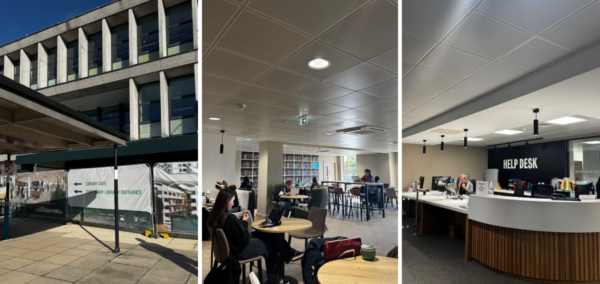
The question we’re all thinking about: What exactly is happening with the library?

Everything you need to know about the JB Morrell Library refurbishment
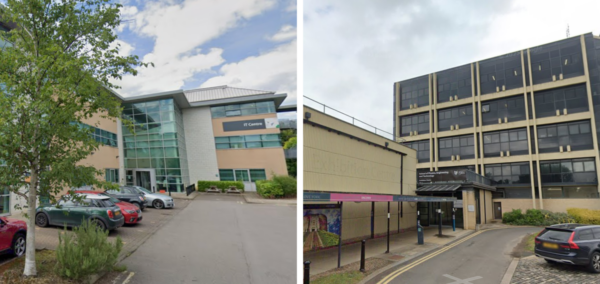
Plans submitted to council for new research facility at York University

University of York’s Campus West could see a new research building after plans submitted to York Council

Wait, why was Barack Obama in Manchester city centre?

The former US President was spotted outside a hotel before speaking at Co-op Live
The Celebrity Traitors producers are already eyeing up big names for season three’s cast
Stephen Lambert wants Tom Cruise and ‘a big sports star’
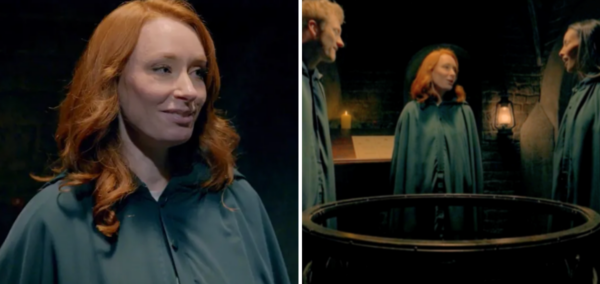
Hannah Fry has crunched the numbers, and spotted a suspicious Celebrity Traitors voting pattern
It could be bad news for the Traitors

Former Lancaster University professor John Whitehead dies aged 76

John was a lecturer of mathematics and statistics
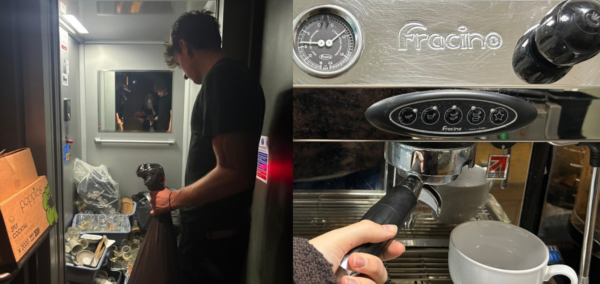
How to avoid the struggles that come with a part-time job at a Bristol university

After all, we do live in on of the most expensive cities in the UK.

All the public scandals The Celebrity Traitors cast have been in, from arrests to racist tweets
They’re not as wholesome as people think
Newcastle and Northumbria universities join forces for new Student Health Hub

Students of both unis can access the mental health service on Friday mornings

The net worths of the American Horror Story 13 cast prove who desperately needed that pay cheque
A $50 million net worth with two minutes of screentime? Nice
Three UK universities announced language course closures in 2026 – including Edinburgh
The University of Edinburgh is scrapping 90 programmes

‘She is phenomenal’: Traitor Hannah Fry has realised that she’s related to her co-star
‘I cannot tell you how much I admire her’
From Crawford to Turing: the stories behind UoM’s building names

You’ve walked past them loads, but how many names do you truly know?