
Student journalists accuse universities of ‘suppressing’ and ‘censoring’ critical articles
Writers at universities ‘often feel unable to address important issues’
Student journalists are claiming their universities and students’ unions “suppress” articles that criticise the university, or engage with sensitive topics.
Several student newspapers and magazines get funding through the university
The Student Publication Association surveyed its members about editorial independence. Out of the 85 student publications to respond, 61 said they were published by some sort of university body (such as a students’ union, a university society, the university itself, or a particular department of a university). 56 publications said they get some (or all) or their funding from their publisher.
Many editors of university papers and magazines have claimed their students’ union or university have influenced what they could or couldn’t publish. One student journalist said the students’ union was able to “take down or edit any content as they see fit” on the site. Another publication claimed their students’ union “oversee absolutely everything and make publishing anything about them or the university borderline impossible”. This publication said the students’ union often start “a continuous loop of questions and claim [an article] breaks media law”.
Birmingham student journalists ‘often feel unable to address important issues’
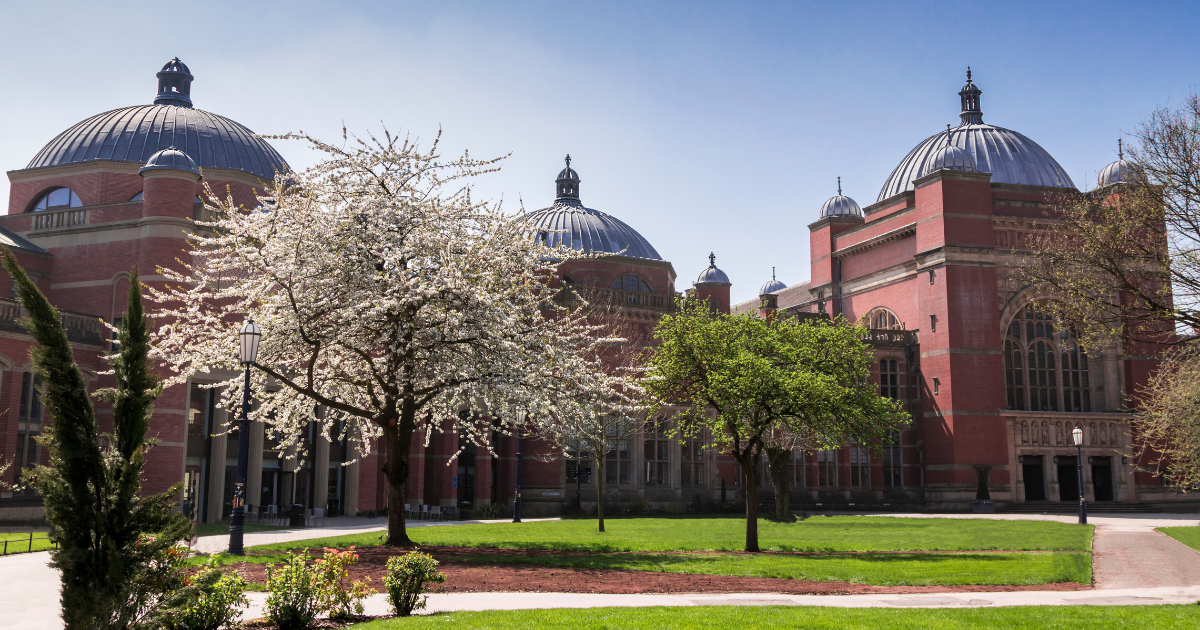
The University of Birmingham main campus
Redbrick, a student publication at the University of Birmingham, told the SPA that articles relating to the university, the Guild of Students, sexual assault and other sensitive topics were subject to approval. The editor-in-chief, Tamara Greatrix, said student reporters “often feel unable to address important issues, especially when the boundaries of what is considered publishable remain so unclear”.
She claimed: “Scrutiny for our retrospective print feature, ‘From the Gaza Heart to the Guild: Perspectives of Ethnic Minority Officers,’ persisted for nearly two years and involved two committees before its eventual publication in April 2026.”
The Guild of Students told the SPA it “has a duty to ensure” activities of student groups “are safely managed and legally complaint”. The spokesperson added: “The Guild values its relationship with Redbrick, and the current Guild Officers have a good working relationship with the chair and editors of the newspaper and are working well to secure a better future for Redbrick and to ensure its ongoing success.”
Cardiff University student reporters ‘faced several challenges’
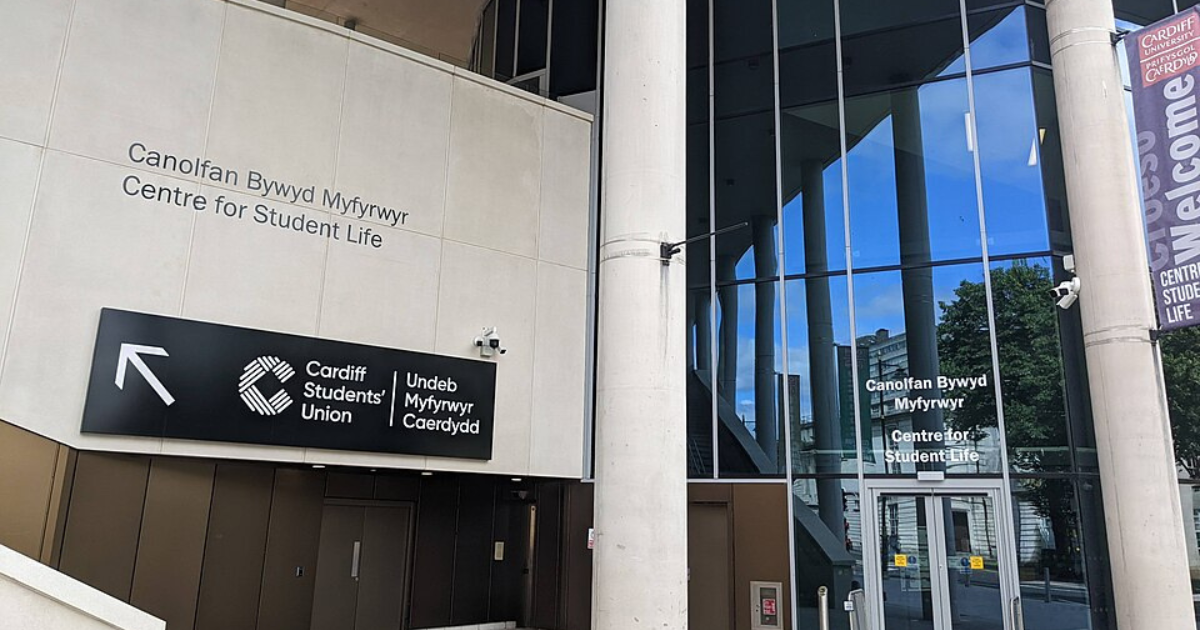
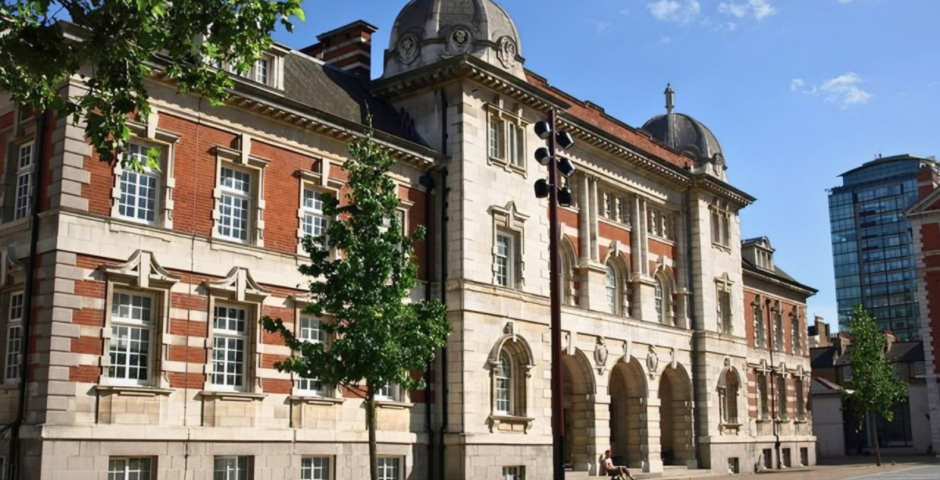
Cardiff Students’ Union
(Credit: Cwmcafit)
Gair Rhydd, a student paper at Cardiff University, receives funding from the Cardiff Students’ Union. The editor-in-chief Ruaidhrí Gillen Lynch told the SPA: “We have faced several challenges from the Students’ Union regarding our material, editorial decisions, and our critique of their work, sometimes from individuals without formal journalism training or experience.” In particular, student reporters claimed they encountered issues when trying to report on Cardiff University’s controversial restructuring plans over the last few years.
A spokesperson for the Cardiff Students’ Union said: “We are committed to protecting editorial independence. Gair Rhydd’s student editorial team makes its own decisions, and the Students’ Union does not approve editions before publication. An independent Student Media Board considers concerns when they arise within a set framework, rather than exercising day-to-day editorial oversight.”
A Cardiff University spokesperson said: “We respect Gair Rhydd’s editorial independence. Gair Rhydd has a long and successful tradition of independent journalism and is treated like any other media outlet by the University. We welcome scrutiny, especially from our student community. However, scrutiny works both ways. We make no apology for seeking to scrutinise, where necessary, to ensure accuracy, balance and to avoid potentially inaccurate and misleading stories.”
Nottingham students found it ‘incredibly frustrating’ to cover sensitive stories
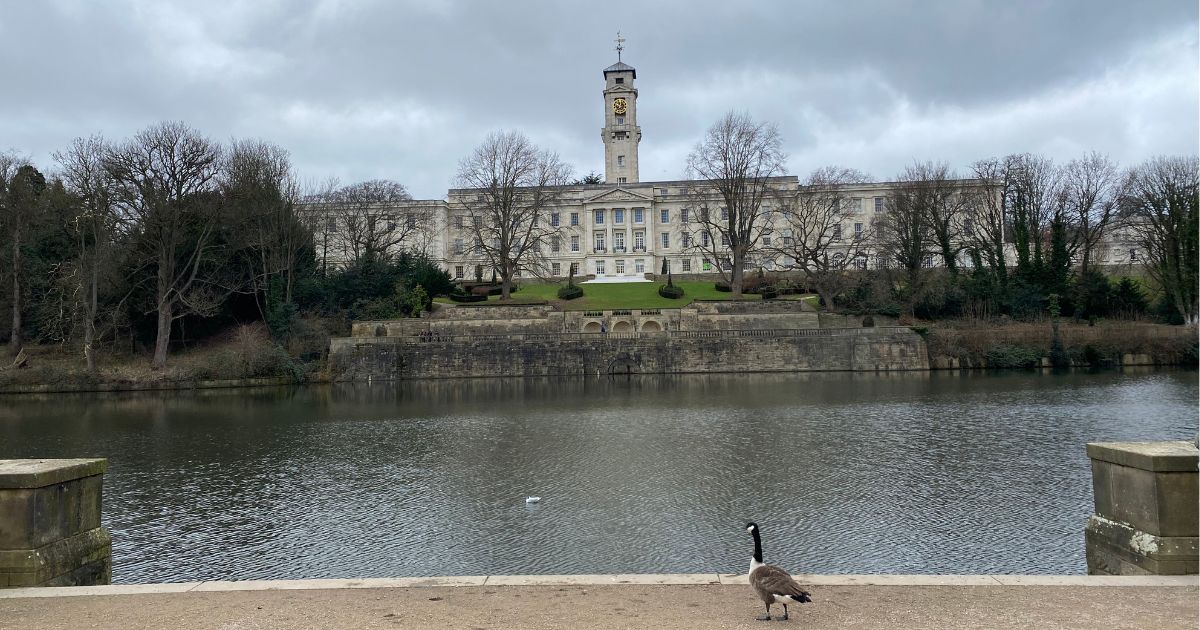
The University of Nottingham’s Trent Building
Robert, was an editor of Impact magazine, which is published by the University of Nottingham Students’ Union. He told The Tab: “I’m not sure how much this was down to a lack of communication or organisation, but it’s rather concerning how little came out from Nottingham’s main student publication last year when we had cyber-attacks, spying scandals, marking boycotts, serious financial mismanagement, as well as mass cuts to jobs and courses.”
Katie, another student journalist, found it difficult to publish a piece she “worked so hard on” about Palestine Action sit-ins. She felt the process was “incredibly frustrating”. She told The Tab: “Before this, I genuinely thought that the university magazines were free to publish what they thought, and to be a real voice of the students.”
The University of Nottingham Students’ Union and the University of Nottingham would not respond to requests for comment.
For more like this, follow The Tab on Instagram.



Latest
Student journalists accuse universities of ‘suppressing’ and ‘censoring’ critical articles

Writers at universities ‘often feel unable to address important issues’
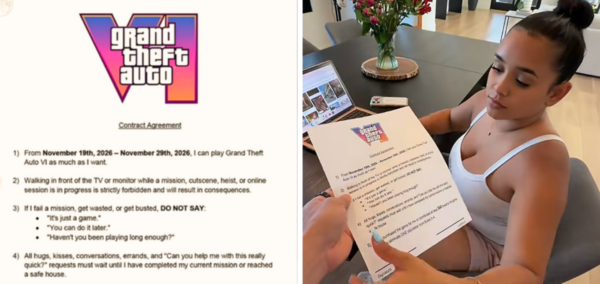
Men are making their partners sign this wild GTA VI contract before the release

May this love never find me
Claudia initially turned down The Traitors and told husband it would flop while filming for series one

She rang him to say she wasn’t convinced
James Acaster has a plan to rebuild his reputation after awkward Celebrity Traitors stint

He’s got a new project lined up

As ex-wife Katy Perry stays silent: The cutting words other celebs have said about Russell Brand
‘He is completely crazy and a bit of a vile predator’

Investigation didn’t ‘identify the source of the hearsay rumours’ about spiking at Bath Uni
Students were ‘terrified’ about spiking allegations during Freshers’ Week
Netflix reveals there was more to Rob and Michaella’s breakup in Love Is Blind deleted scene
Shock, it makes Rob look worse
I managed to buy a house by myself aged 25, and only needed a five per cent deposit

Cerys spent six months working ‘a lot of freelance jobs’ before she could afford a house deposit
Is AI killing critical thinking? Inside Adele Zeynep Walton’s Off the Shelf talk

Adele visited Sheffield to talk about her award-winning book

Celebrity Traitors’ Romesh shares big mistake Faithfuls made, and it happens every series

They need to come up with a better game plan
Abdul El-Sayed and wife Sarah Jukaku have been together since they were students in Michigan
‘JD, habibi, there is this delicious irony’

Maya Jama admits she broke strict Celebrity Traitors rule with co-star, but it wasn’t shown
Oh to be a fly on that wall

From students to the stage: The Notts Tab meets indie success Midnight Rodeo

The Nottingham Tab interviews Notts-based band Midnight Rodeo
‘I was stitched up’: MAFS UK bride who filmed series that’s been axed blows up at Channel 4
‘It’s disgusting. Where’s the respect? We’ve all put our lives on hold’
UCL lecturer and far-right influencer arrested following fight in front of university campus
The pair were both arrested on suspicion of affray after a brawl just outside of the Student Centre

‘I feel very misunderstood’: Aneha addresses backlash to her behaviour on Love Is Blind
‘When you cut it, it doesn’t look normal’
Why Joran van der Sloot hasn’t been convicted for Natalee Holloway’s murder, and might never be
He confessed to killing her in 2023

Love Is Blind’s Aneha details off-camera calls with her sister about her ‘concerns’ with Cam
‘I don’t think she saw a long-term marriage’
Ah, a cast engagement gets announced at the Love Is Blind season 11 reunion
Unfortunately it’s not Jax and Stew

An update on where Joran van der Sloot is in 2026, and his ‘cruel and degrading’ life in prison
Natalee Holloway’s mum is making sure the case is not over