


Review: 1984 Revolution of the Soul
Vivid adaptation of Orwell’s classic novel
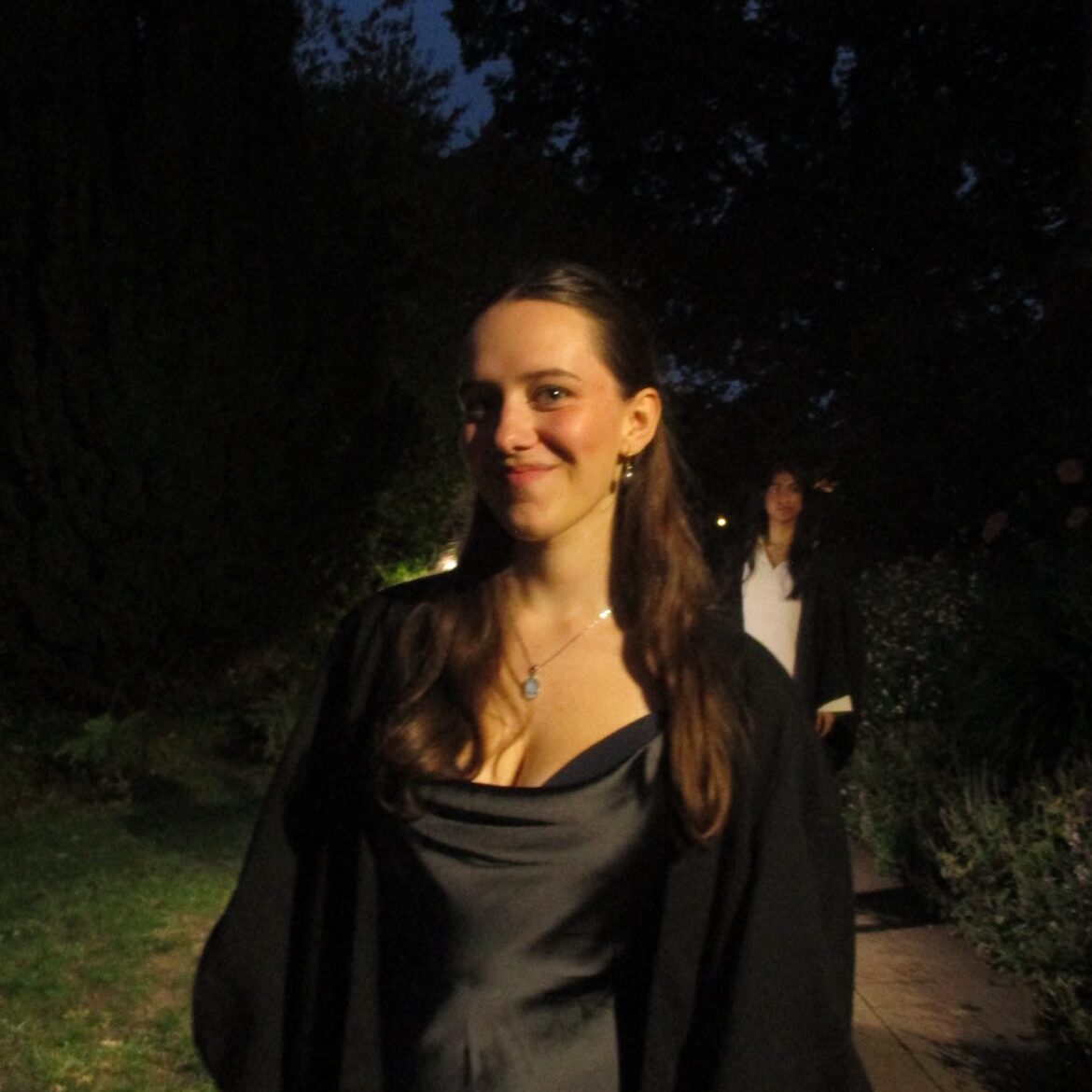
Written and produced by Junayd Islam, and directed by Angelo Alcazar and Pips Collins, 1984 Revolution of the Soul is a radical adaptation of George Orwell’s literary classic.
While true to the plot, with the first lines being the George Orwell’s iconic introductory lines, Junayd does not shy away from shocking or disturbing and uses the small square stage to explore the oppressive powers of an authoritarian government and the dangers of lost humanity.
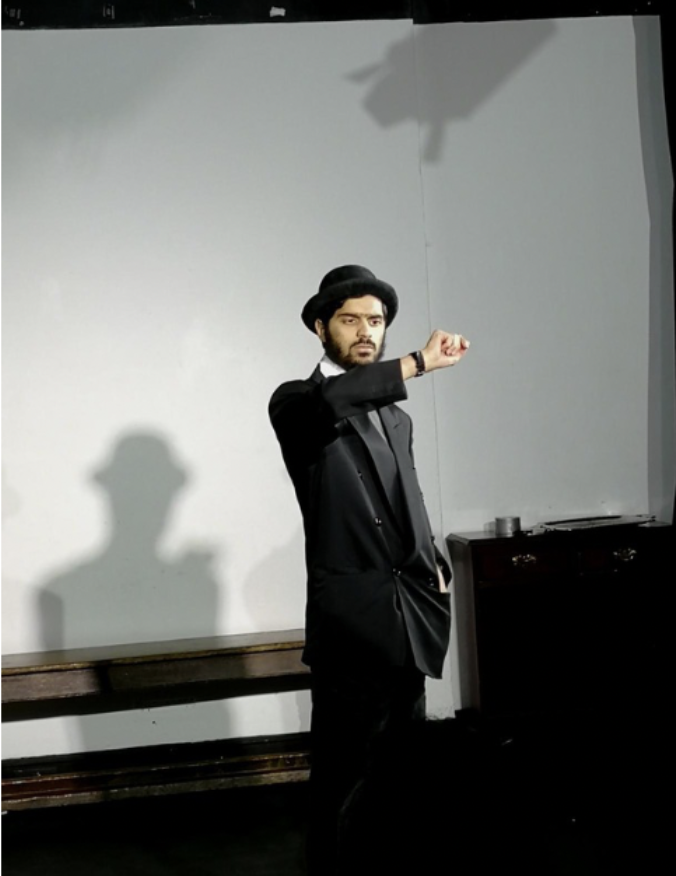
via Zareen Taj
Special mention is owed to Jake Hughes, lighting designer who used lighting to powerfully express violent or tender emotions. The stage was often suddenly cloaked in darkness, presenting small snippets of the horrific lives of those in this repressive society.
An example which comes to mind is a brief moment between a mother and daughter and the gut-wrenching, shrill grief which is presented by the shower of red lighting – the literal, visual darkness of the lighting often perfectly complementing the spectrum of emotions and scenarios presented.
The stage was transformed from a mundane office space, or a quaint home to terrifying institutional settings, where the audience is shown the oppression of creative expression, and forced conformity.
The power of lighting is used most memorably in the scene where Winston is tortured. It is extremely unsettling and poignant – with flashing lights accompanied by shrill noises creating a nightmarish scene; the audience is frightened and privy to the unspeakable actions of the government alongside Winston.
The lighting and sound made emotion and pain palpable. Props and lighting, though simple, are effective in creating different yet equally powerful and disturbing settings.
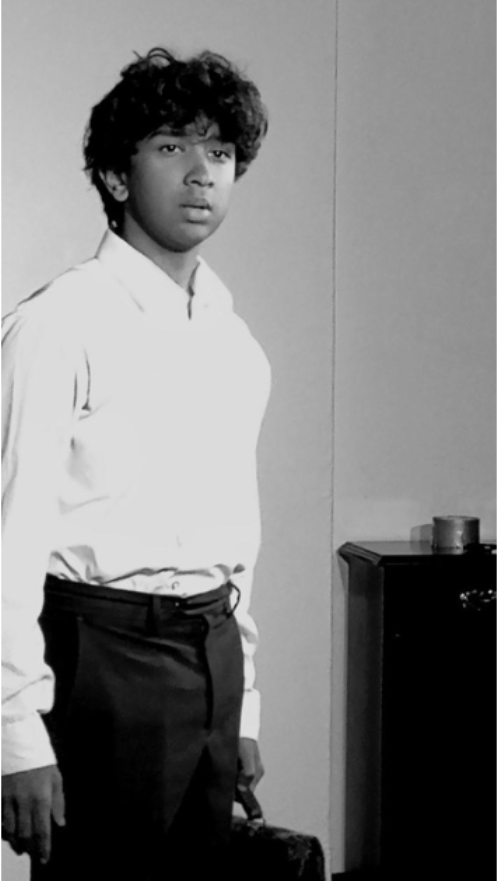
via Zareen Taj
Winston, our protagonist was played by Krish Misra who capably explored the relatable, human, thoughtful, conscious, and passionate aspects of his character. He made our everyman seem to be one of only characters awake and desensitized to the censorship and repression from the government in this dystopian world. He was emotionally strong and expressive. Playing opposite as Julia was Maddie Lock who was vivacious, determined and stubborn.


Maddie and Krish complemented each other and successfully conveyed the futility of young love and rebellion against the iron fist of Big Brother, and oppressive power as physically embodied by Felix Warren’s O’Brien.
Felix was chillingly inhumane with a robotic voice and a cruel, unforgiving implementation of authority which is presented in the form of torture and the forcible erasure of free thought and expression.
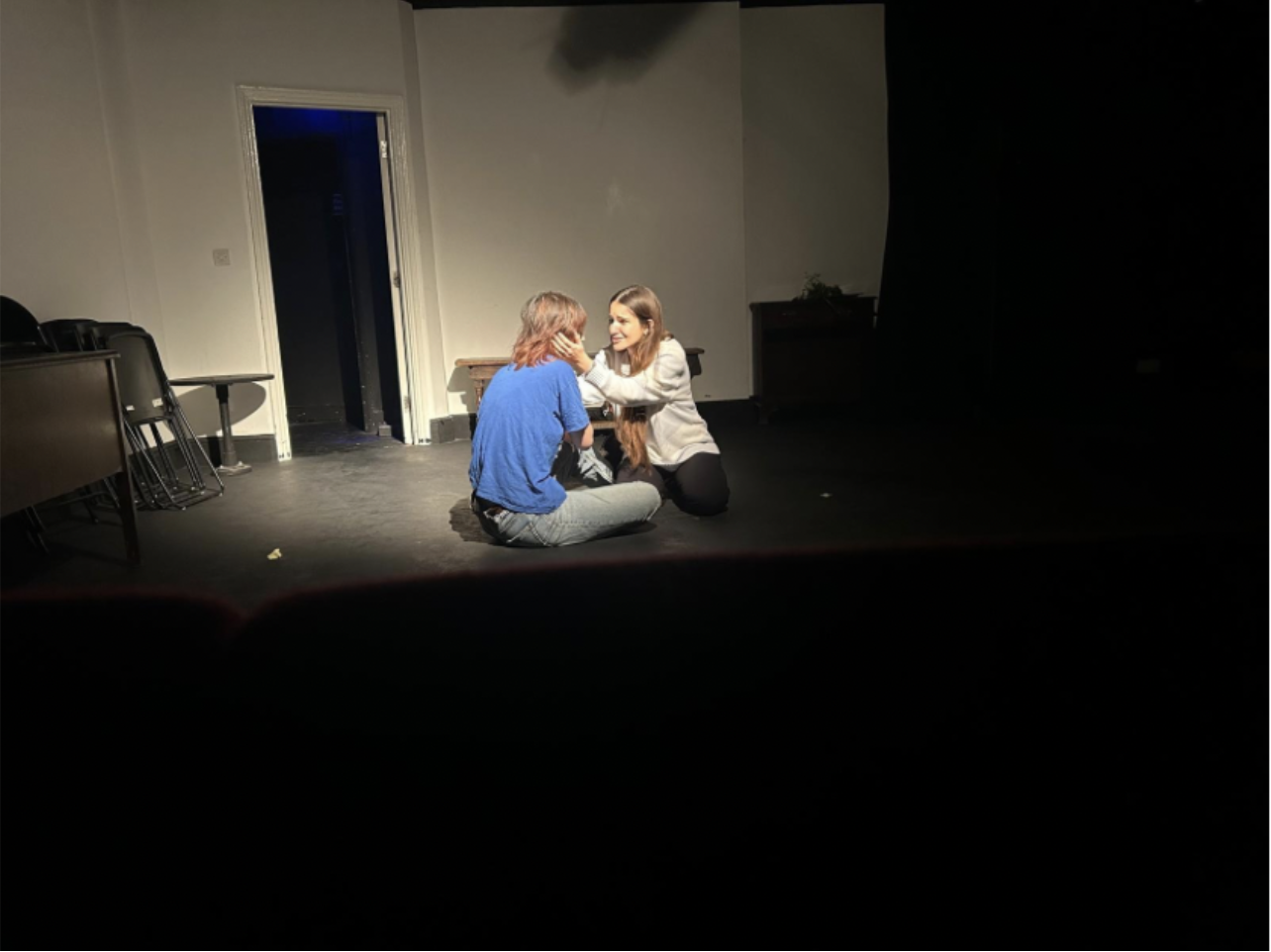
via Megan Myers-Finnegan
Junayd, as well as writing and producing, adopted the role of Goldstein and was an elusive, somehow all-knowing character. They who seemed to exist both within Winston’s mind, the dystopian society and within our society, as they frequently addressed the audience.
They infused certain isolated scenes with culture: They were the voice of literature, freedom humanity – sporadically singing and adding what remains an echo or dream of literature and creative expression such as Shakespeare’s sonnets to the increasingly digitized and censored world of 1984.
This cultural humanity seems to be going gradually extinct in our modern-day, digital age. The use of phones, modern technology forced us to confront the ways in which AI and social media are replacing creativity with a disconnected, unfeeling digital society.
The rigid, authoritarian state of Orwell’s design, where even thought and memory is controlled, is given life, breath and motion within 1984 Revolution of the Soul. While the use of dialogue was sometimes ineffective or unnecessary, it was ultimately a production that completely engulfed the audience and was engaging and provocative. Truly memorable.
Showing in the Corpus Playroom from Tuesday 27nd to Saturday 31st October.
For more of the latest news, guides, gossip and memes, follow The Cambridge Tab on Instagram, TikTok, and Facebook.

Latest
Every time Celebrity Traitors’ James Acaster has spoken out about his mental health battles

He has suffered from severe anxiety and depression
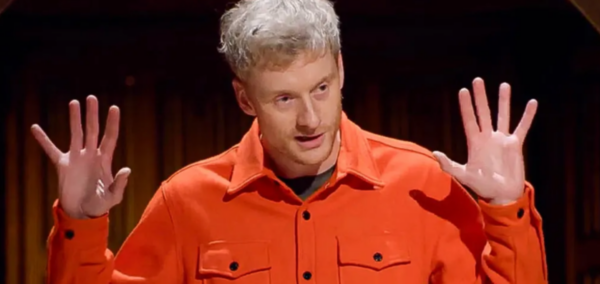
James Acaster’s confession exposed a confusing loophole in The Celebrity Traitors’ rules

He appeared to break the Traitors’ oath

Selling Sunset’s Chrishell ‘blindsided’ and ‘totally devastated’ as details of G Flip split emerge

‘The person she fell in love with was no longer the same person’
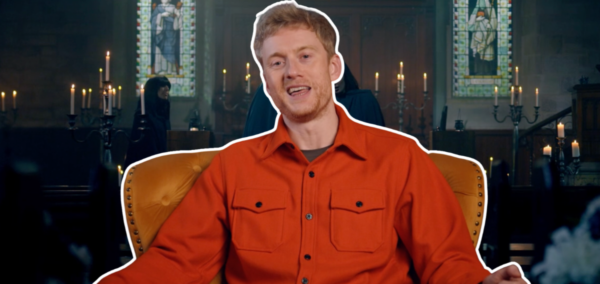
Amidst the debate about James Acaster’s Traitors exit, we’ve forgotten a moment from episode one

I was kinda team James until episode one came rushing back

Governor finally indicates at what’s next for Christa Pike after botched lethal injection
Her lawyers have been fighting against a second attempt

What happened when filming was stopped during James Acaster’s Celebrity Traitors breakdown
Lots was cut from the episode


Which horror icon you are based on your Cardiff Uni accommodation

Is your first-year accommodation as scary as you thought it was?

Yachts? Wall Street? Distilleries? Blake Carver lived a thousand lives before Love Is Blind

He moved from Boston years ago

Cheap student recipes to try this winter

Here are three delicious and cheap meal ideas that you can make without breaking the bank
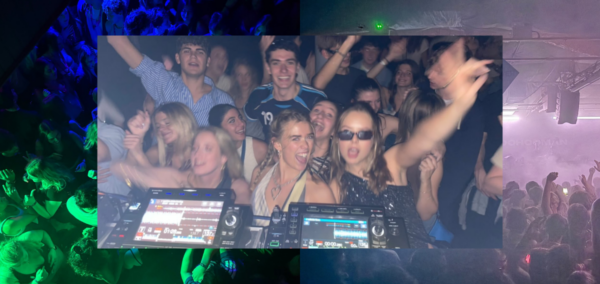
The great Ticketmaster war of Bristol clubbing

What happens when clubbing stops being escapism and starts resembling something we should escape from?
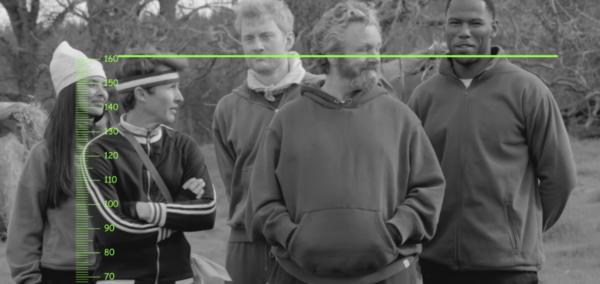
The Celebrity Traitors’ heights, as James Blunt looks demure and dainty next to Michael Sheen
Why did I think Maya Jama was basically an Amazon warrior?

The Traitors rules don’t stop when they leave the castle, with strict hotel policy in place
The producers actually think of everything
‘Monsters are real’: Types of Newcastle men as horror movie characters

Which is scarier – bedroom DJs or nightlife promoters?

The best last minute Halloween costumes to throw together at the witching hour

For anyone who left their costume a little too late…


This psychologist’s quiz uses science to reveal whether you’d be a Faithful or a Traitor
This quiz made me sound like a sociopath

Love Is Blind’s Wilson recalls ‘intense’ chat with Wilnie’s family about ‘household chores’
‘It seemed like I wasn’t willing to support my partner’