


The Dismissal of Women’s Health at University
“Ignorance is bliss”… but to whom?

“This is for every woman who has sat in a GP’s office, explained her symptoms, and been told it is ‘just hormones’.”
There is a particular kind of frustration that comes with knowing something is wrong with your body, only to be told it is normal. For many women, physical pain, emotional distress and unexplained symptoms are too readily blamed on hormones. It can seem as though being a woman is explanation enough.
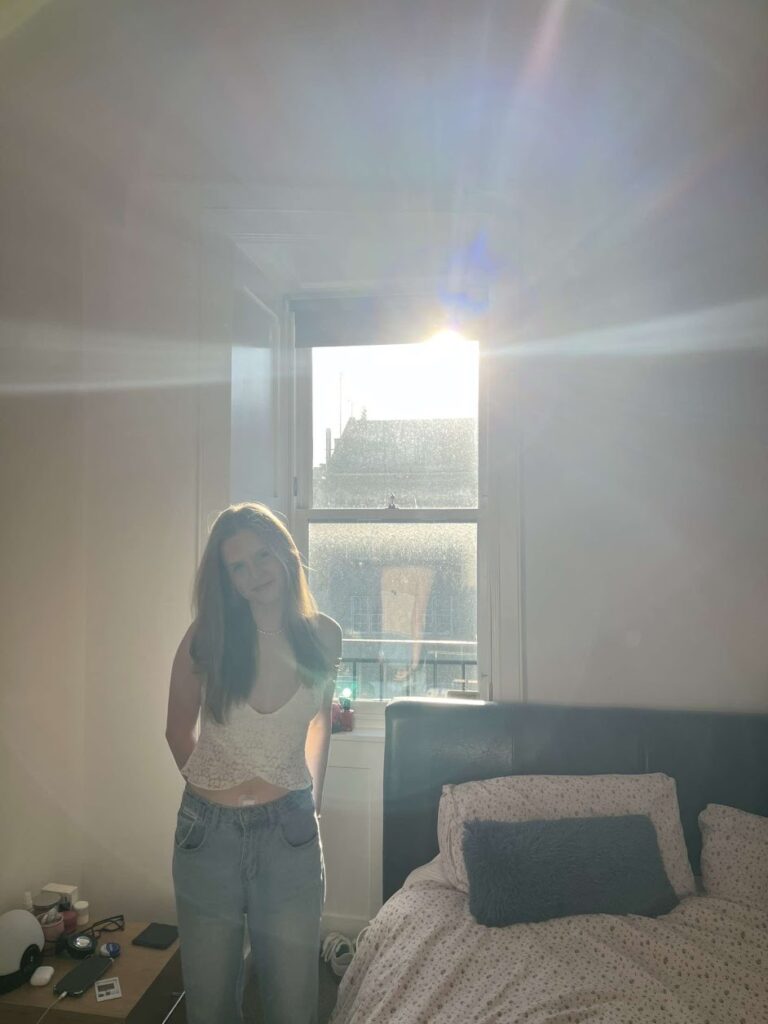
In December 2024, I attended my GP after experiencing a flare-up of pain. I knew something was wrong, and I made that clear, but my concerns were dismissed and the pain was attributed to period cramps.
When the pain returned in February, I refused to accept the same explanation. I went to A&E, where I discovered that what had initially been dismissed as menstrual pain was actually acute appendicitis, requiring emergency surgery.
I had known something was wrong from the beginning, yet it took a second episode and a trip to hospital before the severity of my concerns were recognised.
My experiences are not unique. For many women, physical pain, emotional distress and unexplained symptoms are too readily blamed on hormones. It can seem as though being a woman is explanation enough.
Debilitating pain becomes period cramps. Persistent anxiety becomes PMS. Depression, exhaustion and other ongoing health concerns become hormonal fluctuations, even when nobody has properly investigated their causes.
But at what point does normalising women’s experiences become an excuse for ignoring them?
“Ignorance is bliss” suggests that not knowing the truth can make life easier. When it comes to women’s health, however, ignorance can have serious, sometimes life-threatening consequences.
When everything becomes “just hormones”
Hormones influence the body in complex ways, affecting both physical and mental health. However, recognising their influence is very different from treating them as a universal explanation for women’s symptoms.
Endometriosis, adenomyosis and ovarian cysts can cause significant pain. Yet symptoms associated with these conditions may be dismissed as an ordinary part of menstruation. Similarly, depression, anxiety and persistent fatigue deserve proper assessment rather than automatic attribution to hormonal changes.
Even symptoms with no clear connection to the menstrual cycle can go overlooked when hormones become the default explanation.
This is not to suggest that hormones are irrelevant. Premenstrual dysphoric disorder (PMDD), for example, can cause severe psychological symptoms, while hormonal changes can affect mood and wellbeing.
The problem is not recognising the role hormones can play; it is allowing that possibility to overshadow other explanations before they have been properly considered.
My own experience showed me how dangerous these assumptions can be. What I was told were ordinary period cramps turned out to be acute appendicitis, requiring emergency surgery. Something potentially life-threatening had been mistaken for a familiar, less concerning problem, despite my concerns.
My experience highlights a broader issue: when symptoms are explained away too quickly, their underlying causes can be overlooked, sometimes with serious consequences.

The cost of dismissal
When women are repeatedly told their symptoms are normal, they may begin to question their own judgement, minimise their suffering and hesitate to seek help again. Dismissal leaves women carrying the burden of uncertainty, often without knowing whether their symptoms warrant further investigation.
I experienced this firsthand when seeking help for my mental health. It took multiple GP appointments before I finally felt heard and was offered support. During these appointments, I was repeatedly asked about my menstrual cycle, with attempts to link my persistent low mood to hormonal changes. While hormones can affect mental health, I felt that the focus on my cycle overshadowed the need to properly address what I was experiencing.
Having to explain my struggles over multiple appointments before receiving help made an already difficult experience more exhausting. No one should have to keep asking for support before their concerns are taken seriously.
This dismissal can have serious consequences. A woman struggling with persistent low mood, unexplained pain or overwhelming exhaustion should not have to convince someone that her symptoms deserve attention. Nor should suicidal thoughts be dismissed on the assumption that hormones explain them.
Not every symptom indicates a serious condition, and doctors cannot always identify the cause immediately. But that is precisely why proper assessment matters. Listening to patients does not mean assuming the worst; it means considering explanations beyond the first, most convenient answer.

So, who benefits?
When healthcare professionals attribute symptoms to hormones without investigating further, the conversation may end, but the underlying problem remains. Women are left managing their pain, distress and uncertainty, often wondering whether they are overreacting or whether they should seek help again.
Women should not have to reach breaking point before someone takes their concerns seriously. They deserve healthcare that distinguishes between what is common and what is acceptable, and recognises when symptoms require further investigation.
“Ignorance is bliss” may be a comforting phrase in other circumstances. In healthcare, ignorance can prolong suffering, delay treatment and, in some cases, put lives at risk.
The next time a woman says something is wrong, the question should not automatically be whether her hormones are to blame. Instead, healthcare professionals should ask whether they have properly heard, assessed and understood her symptoms.
Our pain is not an inconvenience, our mental health is not an afterthought, and being a woman should never mean having our symptoms explained away instead of investigated.
If this article has affected you or you are struggling with your mental health, please consider speaking to someone you trust or contacting a support service.
- Samaritans: Call 116 123 for free, 24 hours a day.
- Breathing Space (Scotland): Call 0800 83 85 87 for confidential support.
- Anxiety UK: Visit Anxiety UK for information about support with anxiety.
- NHS 24 (Scotland): Call 111 for urgent mental health support.
You do not have to wait until you reach crisis point to ask for help.


Latest
Things that annoy me as a student in York
From ridiculous prices to aggressive geese, there’s always something to complain about.
Calling all Lancs students: here’s seven essential life hacks for surviving uni life

Because when you’re a student, you need all the help you can get
John shares statement to ‘clarify a couple of things’ after controversial chats in Love Is Blind pods

‘We both found it to be a wonderful, productive conversation’


Every social sec needs this: What your Wednesday night route says about you

This one’s for the mob of minions, chickens, lobsters, pink wig wearers, and sweaty boys in chinos
Joe Lycett opens up about his sweet friendship with Miranda Hart after Celebrity Traitors

They both got emotional

Comfortably chic: How to perfect your autumn wardrobe this semester

Attempting a chic autumn wardrobe on a maintenance loan is an extreme sport

Everything Christa Pike has seemingly said since she woke up from botched lethal injection
She has been sending messages from prison

Here are the best nights out in Birmingham for a terrifyingly fun Halloween 2026

It’s never too early to lock in your Halloween plans
Celebrity Traitors’ Miranda Hart opens up about her recovery from ‘debilitating’ Lyme disease
She mentioned it on the show
Celebrity Traitors’ Sebastian Croft opens up about secret school boyfriend who outed him as queer

It led to a ‘really difficult’ few years of bullying

BBC speaks out over claims James was ‘uncomfortable’ on Celebrity Traitors set because of Rob and Romesh
James is said to have complained to producers about them

Here’s what your choice of Halloween costume says about what kind of student you are

Because it does kind of define your personality

Kylie Jenner’s $50 million Fantasy Bra has people dragging Victoria’s Secret’s influencer era
It features 4,410 natural diamonds
Gypsy Rose Blanchard involved in car crash just two weeks after death of partner
She was returning from getting her hair done ahead of Ken Urker’s funeral

Priest killed by falling crucifix moments after livestreamed sermon about spontaneity of death
‘One day, all of us here will also die’


Calling all creative writers: Morecambe bookshop launches writing competition
The winners will receive cash-value vouchers to spend in the bookshop

Selena Gomez finally reveals the reason her voice has changed so much is down to nicotine
People have questioned if her voice has changed for ages