

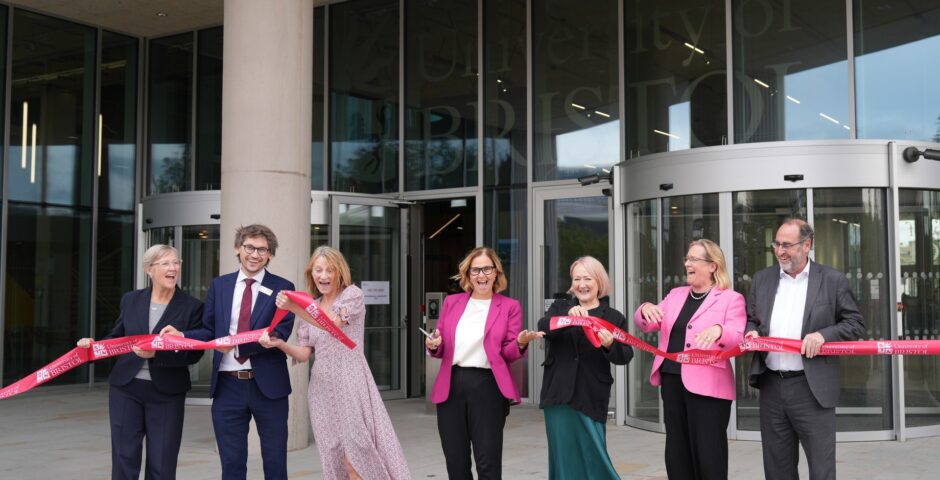
New Sloane Robinson Building opens on University of Bristol Temple Quarter campus
It has replaced the old Royal Mail sorting factory, which has stood derelict since 1997

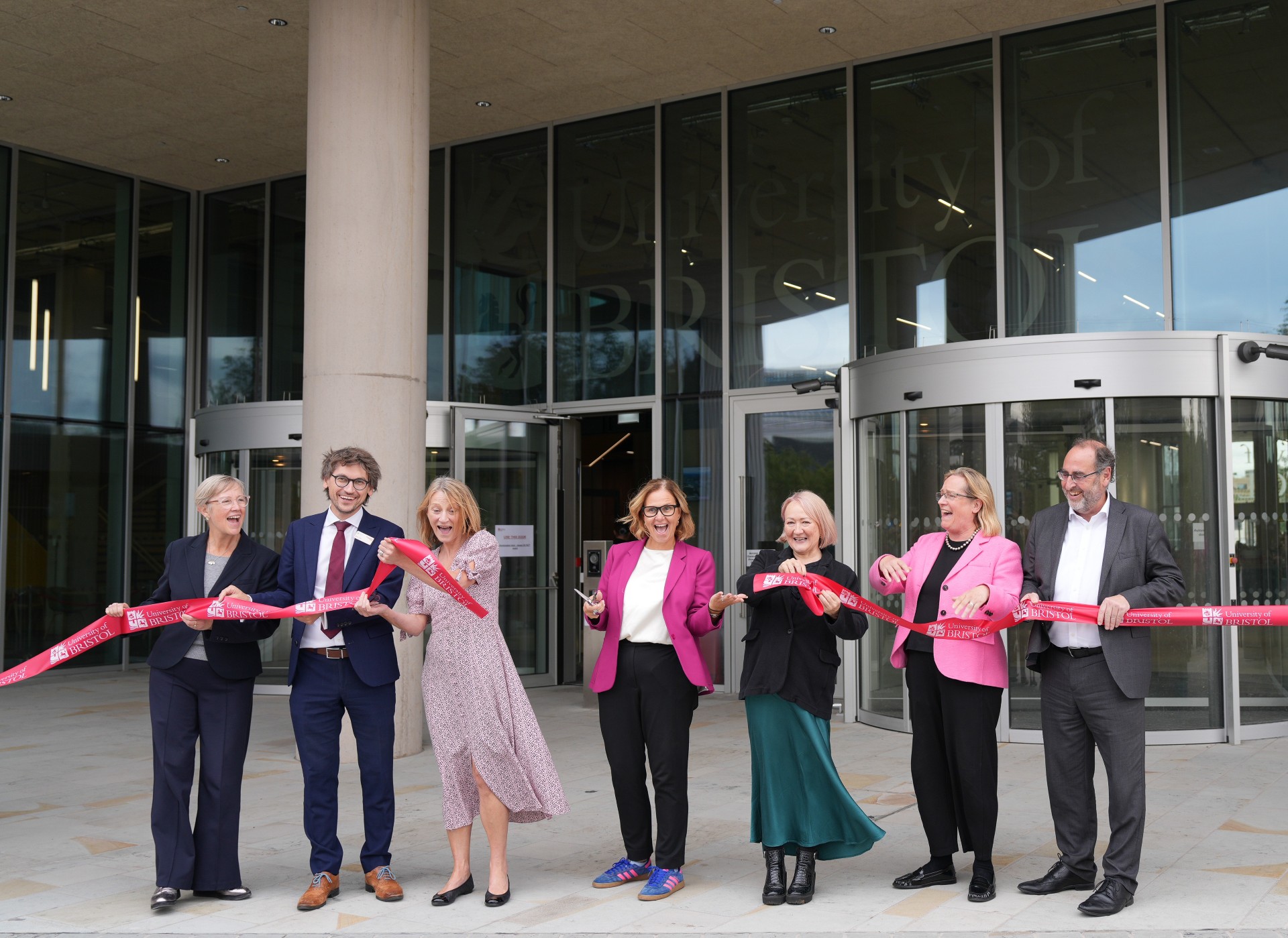
via University of Bristol


Latest

Hear him out: Traitors winner Sebastian Croft reckons he knows why Maya flew under the radar, and it’s genius

I need Maya to comment like now

James Blunt is still defending his Celebrity Traitors castmates in the most unexpected way

Someone give him some media training

MAFS UK has been axed, but the scandals that plagued the show have been going on for years

This decision should have come sooner




The Celebrity Traitors’ Kenny made plan with Maya to banish her at the final roundtable

She knew he was going to throw her under the bus

Ouch, Joanne McNally is in trouble with the BBC after ‘juicy’ Celebrity Traitors podcast episode
‘We’d be taken to the gallows’

Channel 4 confirms MAFS UK ‘will not return’ as external review concludes after assault claims
The show has been cancelled for good

How Christa Pike’s fate might now have been sealed by the US midterm elections
The new governor has strong opinions


The Love Is Blind US S11 cast already on Cameo, and how much they charge

Benita from the pods charges £499.93

Three huge bombshells that are set to come out at the Love Is Blind season 11 reunion
A lot has happened since filming ended

Love Is Blind’s Erika and Blake broke up after ‘direct conversations’ about ‘finances’
‘The math wasn’t really mathing’

Former cast member breaks down exactly how couples plan their weddings on Love Is Blind
She’s clarified exactly how much input they have

Things to do when you have a friend visiting York

Why not share the love of York and be the ultimate tour guide



Meet the students fighting for a plant-based Leeds University

‘We want to show that the university shouldn’t be afraid to make these changes because they do have student support’

Missing Stars Hollow? These Manchester spots are giving serious Gilmore Girls energy

Here’s where to go for your Luke’s Diner and Kim’s Antiques needs
Mourning being a fresher? Here’s our tips for second year at the University of Birmingham

Adjusting from the Vale to Smelly Oak can feel pretty rough, but our guide will help you settle right in
Are art students stuffed? The most employable university subjects, ranked by graduate data
Only 72 per cent of grads find full-time employment or education