

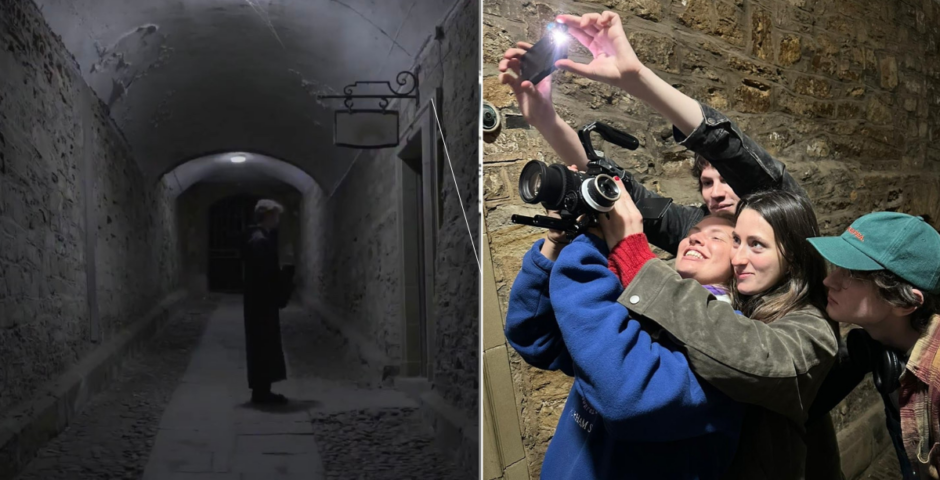
I made a Durham student film: Here’s how
A conversation with Joseph O’Keeffe, director of The Union – ‘a quintessentially Durham cult movie’

Today marks the Youtube premiere of The Union, a satirical short film about student journalism, secret societies, and corruption (that in my totally unbiased opinion is truly brilliant fun and definitely deserves a watch).
We spoke to the director, Joseph O’Keeffe, about his experience directing, writing, and producing this Durham short film – shown at the film festival on the 13th of June and, now, available HERE.
How did you first get interested in student film?
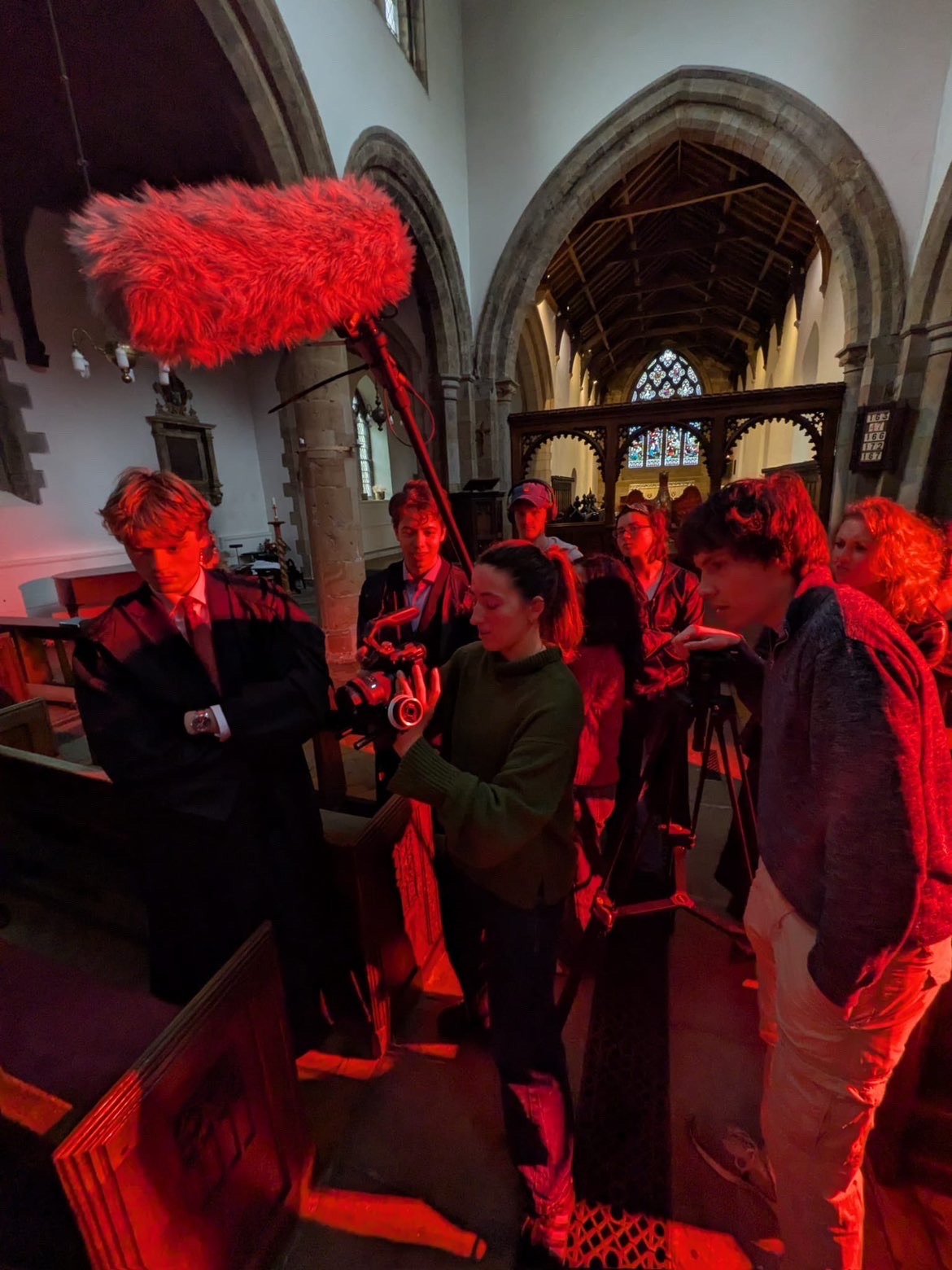
Growing up, Joseph always loved film, and made small short films with friends and family: “I’m sure many of us can also remember making iMovie trailers at a young age.”
Beginning to get into film as a more serious medium in recent years, he had a hankering to make something inspired by favourite films, both in script and style. However, finding a group of people willing to work long unpaid hours for people’s pet projects often proved difficult.
This is especially true as a first-time director: “I was worried about committing to a project when I was so inexperienced. Neither did I want to fully commit to a film degree, as I was set on History.
“At the same time, I wanted to meet other film lovers at uni, and found many of the other societies for it lacking socially.”
Enter DSF (and student filmmaking more generally). Joining the society, Joseph met many like-minded people (who loved cinema and wanted to get into filmmaking) who he could work with, and was encouraged to throw himself into filmmaking: “This is how I got into student film.”
Tell us about The Union!
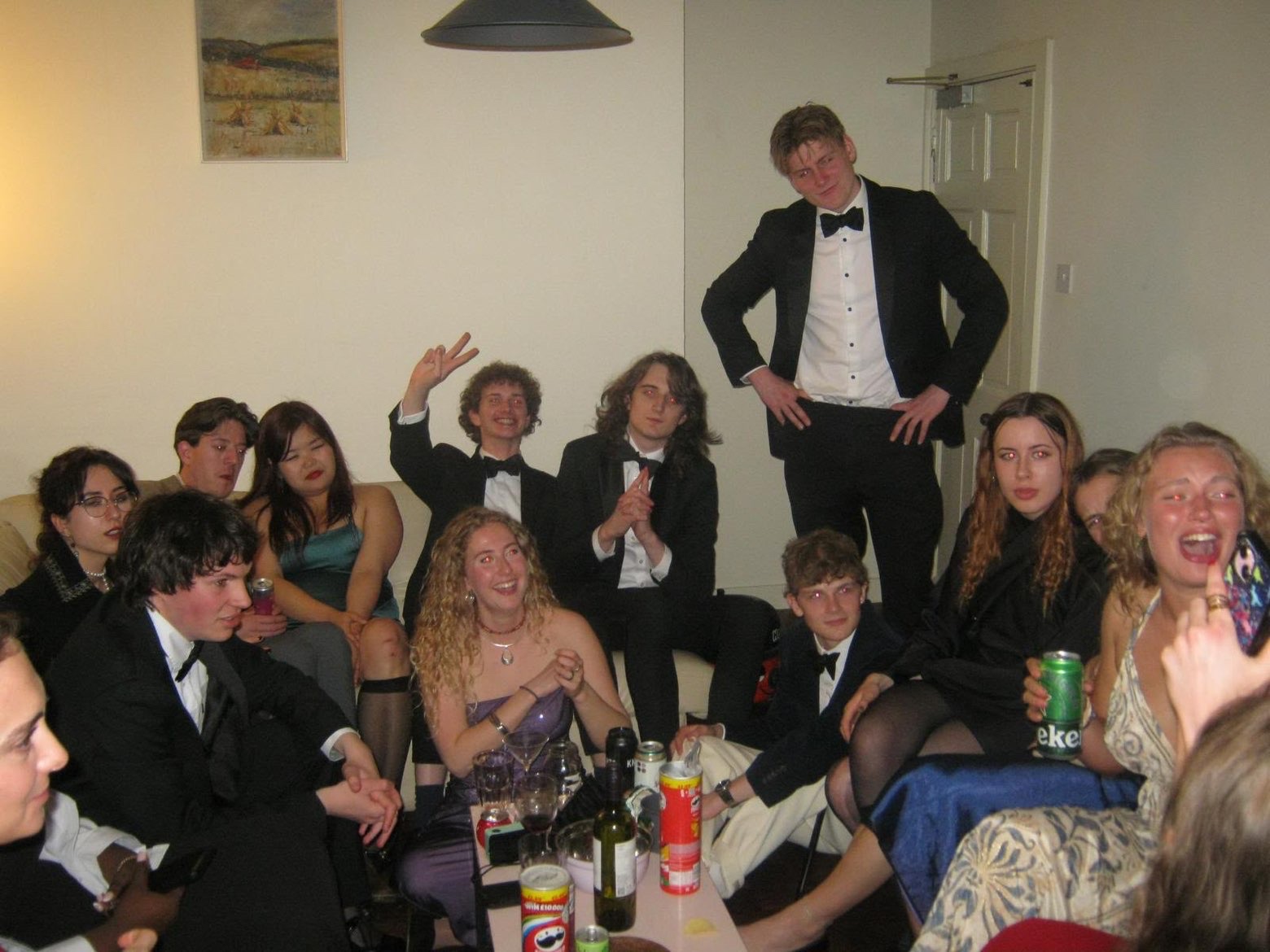
When asked specifically about this project, Joseph told us: “The Union is a dramatic parody of classic cult / investigative films like Eyes Wide Shut and The Conversation.
“For those who are not film lovers, it thus follows an inquisitive student who, writing for a student paper, stumbles onto a secretive society whose influence runs deep.
“Thematically, it takes parodic aim at the excessive ceremony and wealth of the poshest societal cliques associated with elite universities, as well as how they are tacitly condoned by the broader university administration.
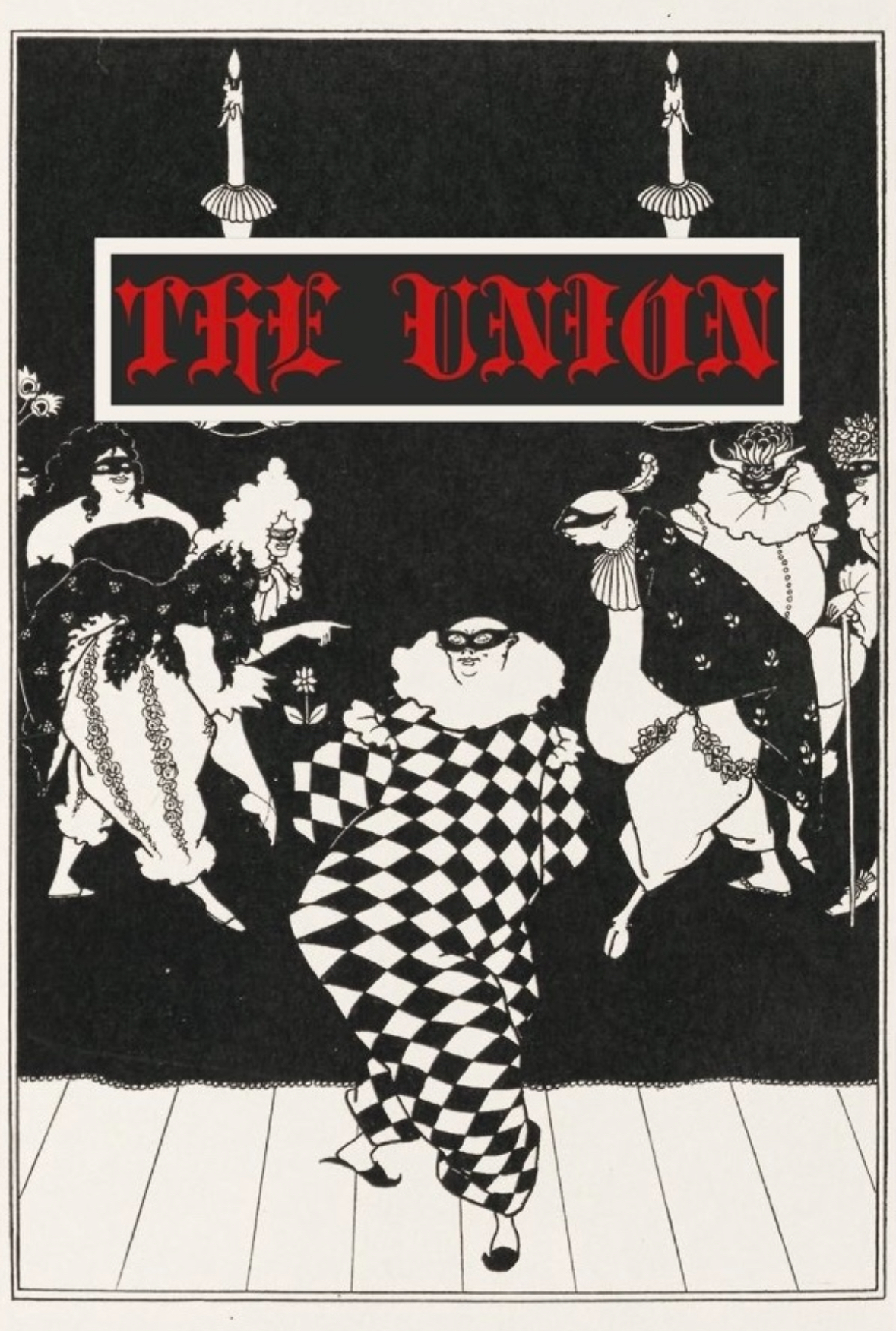
“This heightened critique of university underfunding is potent, but also does not detract, I hope, from the films broader gripping investigative narrative, as well as its moments of parodic humour.”
In a line, Joseph said of The Union: “It’s a quintessentially Durham cult movie.”
What was it like to get involved in creating it?
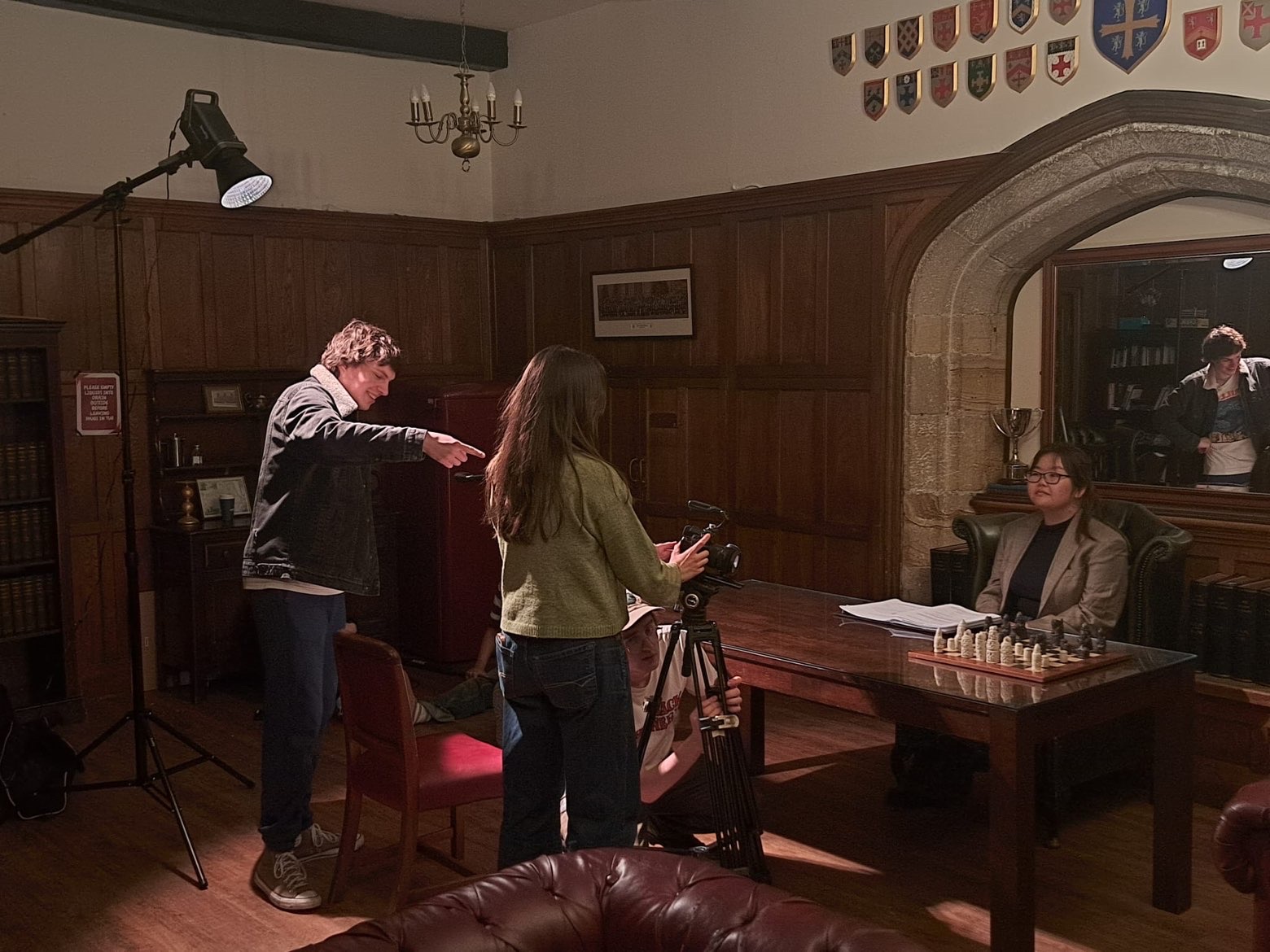
Joseph’s role in this film was multifaceted, acting as a writer, producer, and director. This meant he came up with the concept, writing the original drafts of the script, organising all aspects of the filming process, and then guiding filming every day on set: “All of this was new to me, and getting involved in this was therefore an immensely informative and fulfilling experience.”

He added: “However, it is important to emphasise that every step of this was a collaborative process with other DSF members.
“An amazing script editor helped me fully flesh out the potential of the original idea. Every aspect of pre-production – from storyboarding, to scheduling, to casting – was delegated or achieved alongside a brilliant specialist DSF member, as was filming itself.
“My overall guidance was crucial, but relying on the talent and ideas of crew members was essential to helping me realise the best possible version of the Union. As such, across this process I have made many great friends and collaborators from DSF who I am champing at the bit to work with again in any film capacity.”
Did you learn anything unexpected during this project?
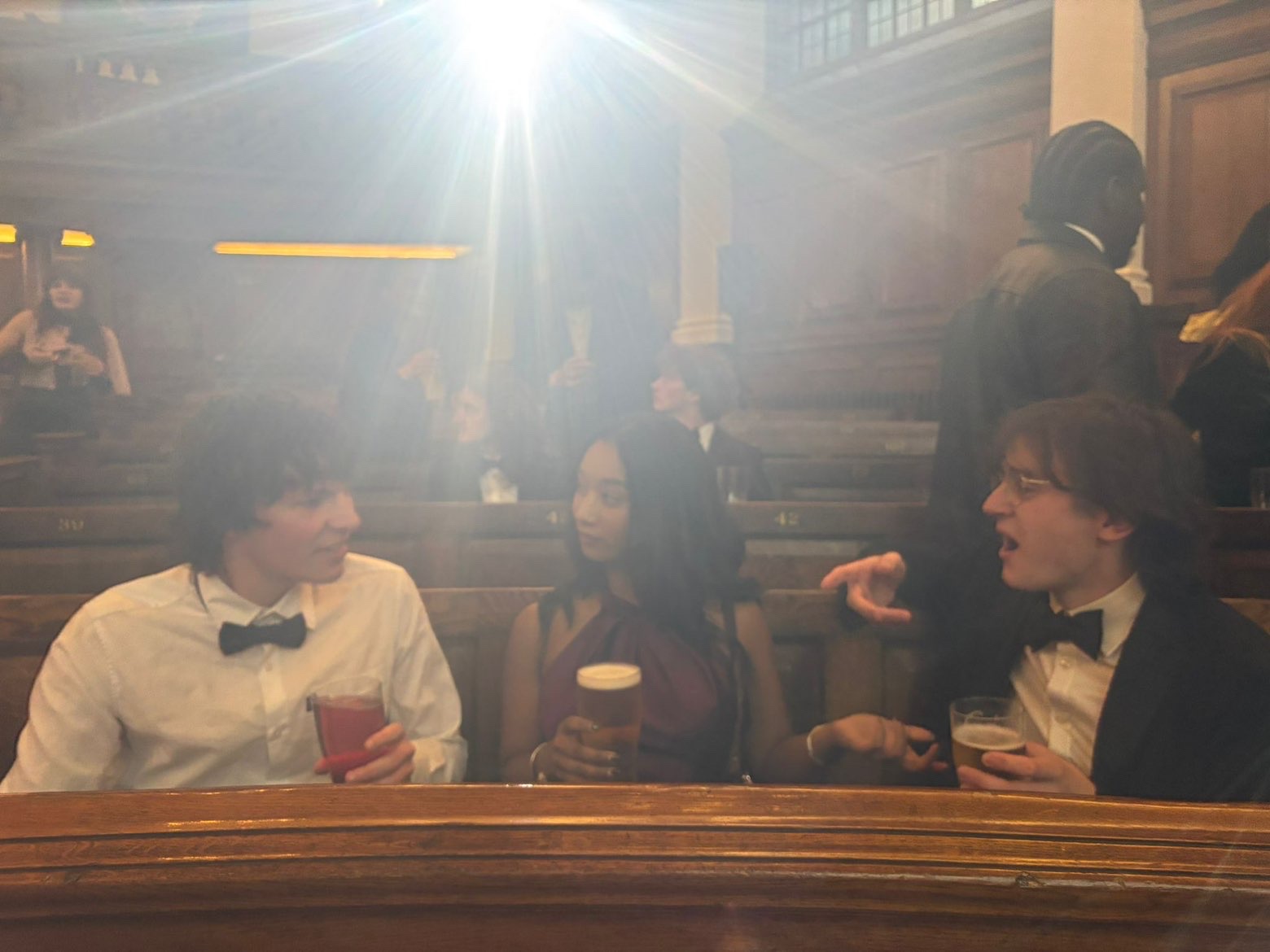
The Union, in general, taught Joseph much about the film making process that he admits he did not appreciate before: “Days on set were organised with schedules and storyboards, but as with any film set, things went wrong, overran, and had to be adapted on the fly.
“Once more, relying on the resilience and resourcefulness of my committed team paid off, despite some moments of stress.”
Joseph told us that days filming were long and sometimes hectic, but ultimately always a satisfying and powerfully bonding group exercise: “As such, even a student film project made me realise why people love (despite moments of hate) making film.“
What advice would you give to someone interested in student film?
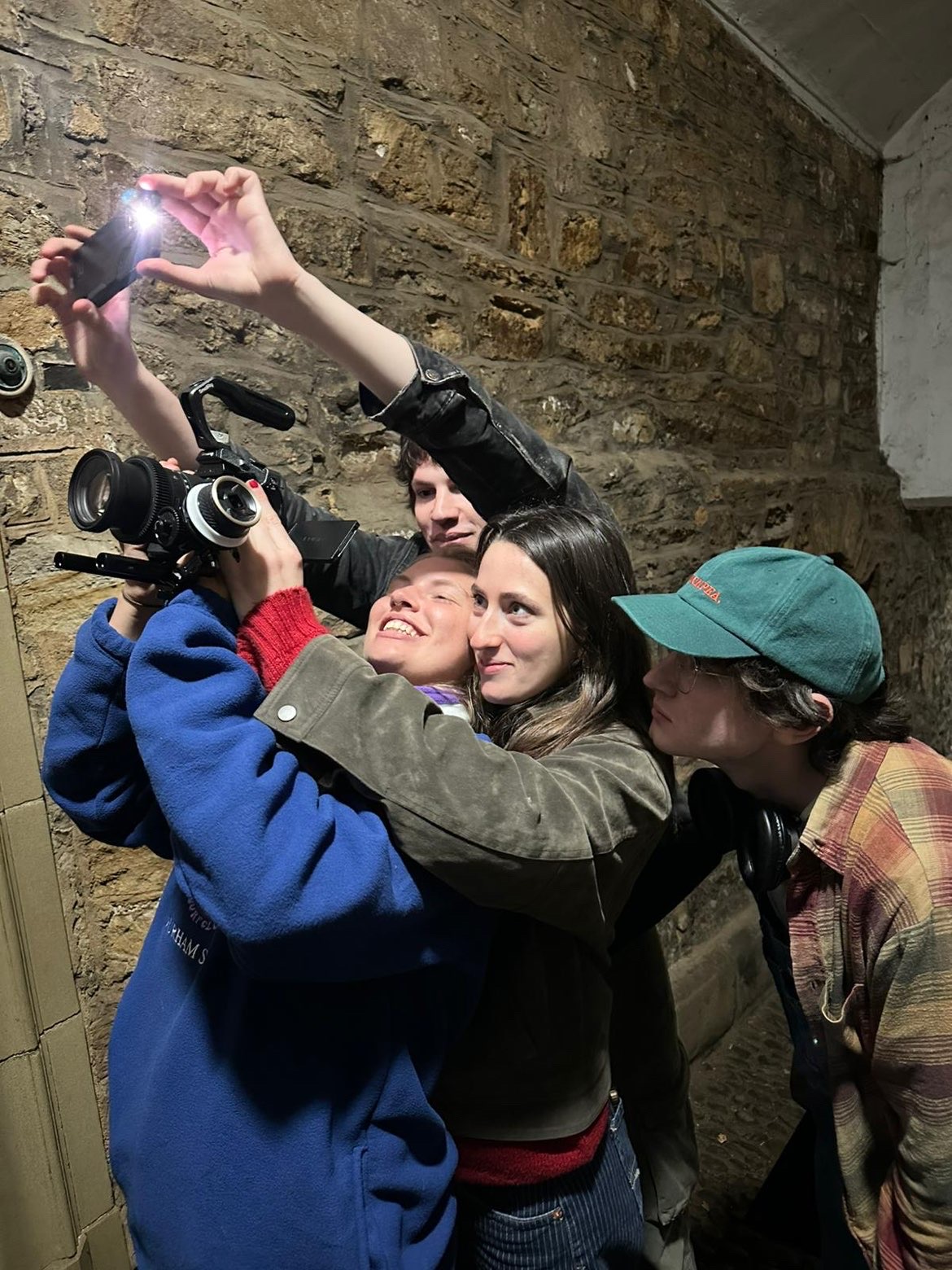
“As I said, if you’re interested in student film, you should leap at the opportunity!”
Joseph described it as a great chance to make other film loving friends, who the arduous filmmaking process in particular will bind you to: “Moreover, as I demonstrate, no experience is needed! If you have a genuine passion for film, you can learn on the fly, and the ability to direct your own pet project with those film friends is always an option.”
“More importantly, student filmmaking grows your skills in the medium immensely. Being able to direct a project with many other film lovers (both newcomers and those with more experience in film production), having society guidance but creative freedom, helped foster my interest in film directing greatly, and gave me new talents and knowledge in all aspects of this process.“
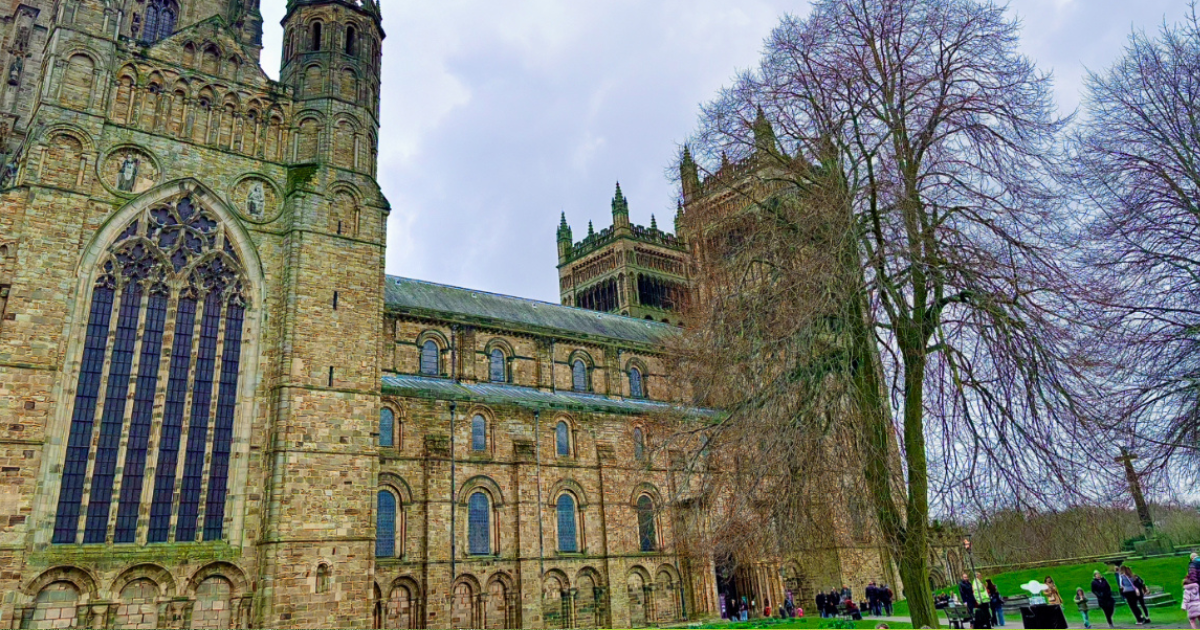
As well as highlighting the general positives of getting involved in student filmmaking, Joseph highlighted ways in which Durham, specifically, can accommodate such an interest: “At Durham, the best way to do this is to join Durham student film making! You can join various society projects in a number of roles with no experience needed, growing your skills, and can gather round some friends to make and direct a film all of your own.
“Personally, I’d recommend entering the script hust in December, as the winning script will get society support to be made – this is how I began the amazing process of making The Union.“
Joseph highlighted The Tab and Palatinate as useful media-oriented student groups for gaining experience in writing, and highlighted PalTV as a means of gaining skills in camera operation. He added: “Such media-based societies, alongside more general cinema societies, are a great place to meet like-minded creatives who you can make films such as the Union with, and joining them would also be very helpful for getting one into student film in the long run.”
Joseph summarised his best pieces of advice about getting involved: “Overall, as corny as it is, my biggest piece of wisdom on student film is that you miss all the shots you don’t take… join media and film societies, become a member of DSF, start writing, directing, or producing your ideal short film, no matter your experience. You will have fun, learn new film skills, make great friends, and maybe, one day, be part of a film *almost* as good as The Union.”
For more of the latest news, guides, gossip, and memes, follow The Durham Tab on Instagram, TikTok, and Facebook.
Latest

More than two tonnes of plastic pellets may remain in the Tyne, researchers warn

A collision in July released around 17 tonnes of nurdles

Jax speaks out after toe-curling Love Is Blind reveal, and shares why she *really* ghosted Stew

She claims it had nothing to do with his appearance

A full record of how The Celebrity Traitors S2 cast voted at each Round Table session

Yup, we’re keeping track of all the stats

The Celebrity Traitors comedians whose fortunes are no laughing matter, from £1m to £6.5m

The fact Miranda isn’t the highest is criminal
Celebrity Traitors’ King Kenny was arrested after filming a prank on his university campus

He has a wild backstory from his YouTube career
Is this the downfall of Turnitin? Here’s what you need to know

Turnitin’s system is changing and students’ data could be used to train tools which use Artificial Intelligence

Fewer apps, more life: My experience at the launch of the social SuperApp ZYMIX

Inside the launch of the SuperApp that wants to clear out your home screen

The question we’re all thinking about: What exactly is happening with the library?

Everything you need to know about the JB Morrell Library refurbishment

Plans submitted to council for new research facility at York University

University of York’s Campus West could see a new research building after plans submitted to York Council
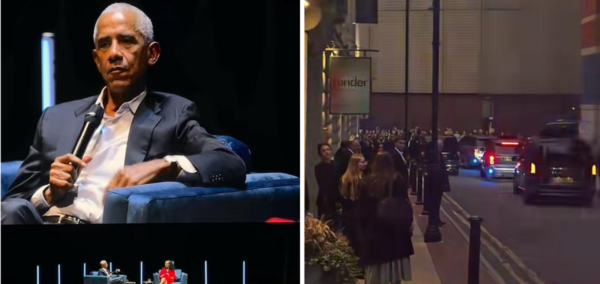
Wait, why was Barack Obama in Manchester city centre?

The former US President was spotted outside a hotel before speaking at Co-op Live

The Celebrity Traitors producers are already eyeing up big names for season three’s cast
Stephen Lambert wants Tom Cruise and ‘a big sports star’
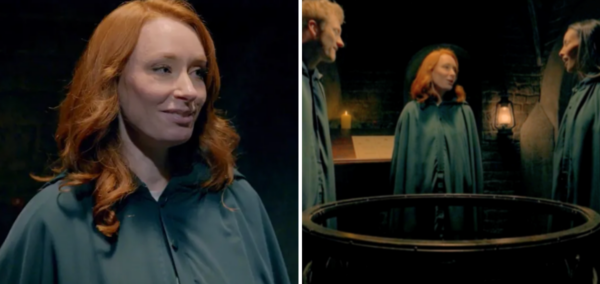
Hannah Fry has crunched the numbers, and spotted a suspicious Celebrity Traitors voting pattern
It could be bad news for the Traitors

Former Lancaster University professor John Whitehead dies aged 76

John was a lecturer of mathematics and statistics
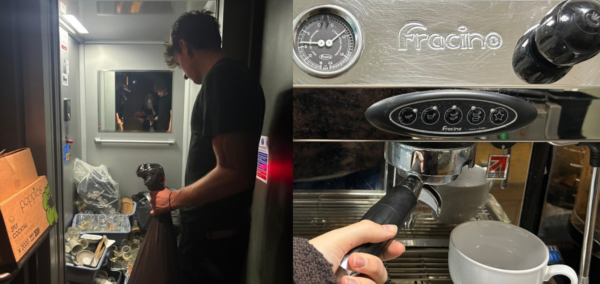
How to avoid the struggles that come with a part-time job at a Bristol university

After all, we do live in on of the most expensive cities in the UK.

All the public scandals The Celebrity Traitors cast have been in, from arrests to racist tweets
They’re not as wholesome as people think
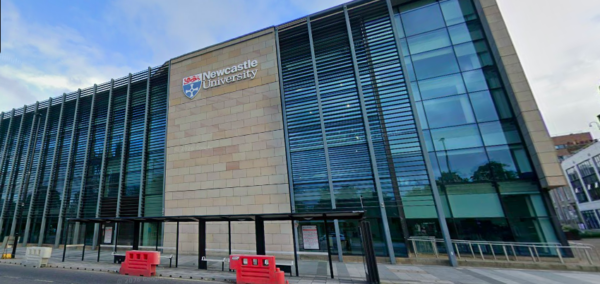
Newcastle and Northumbria universities join forces for new Student Health Hub

Students of both unis can access the mental health service on Friday mornings

The net worths of the American Horror Story 13 cast prove who desperately needed that pay cheque
A $50 million net worth with two minutes of screentime? Nice

Three UK universities announced language course closures in 2026 – including Edinburgh
The University of Edinburgh is scrapping 90 programmes
‘She is phenomenal’: Traitor Hannah Fry has realised that she’s related to her co-star
‘I cannot tell you how much I admire her’
From Crawford to Turing: the stories behind UoM’s building names

You’ve walked past them loads, but how many names do you truly know?