

University of Bristol to repatriate sacred Māori rocks to New Zealand
The volcanic rocks are currently held by the School of Earth Sciences

The University of Bristol is preparing to return a collection of sacred Māori rocks to New Zealand, recognising their cultural and spiritual significance beyond their scientific value.
The volcanic rocks, currently held by the School of Earth Sciences, will be repatriated to a mountain on New Zealand’s North Island.
More than a decade ago, geologist Geoff Kilgour collected the specimens as part of research into the 1886 eruption of Mount Tarawera, a disaster that claimed the lives of up to 150 people, the vast majority of whom were Māori. The rocks were intended to help improve scientific understanding of the eruption.
Before removing the rocks, Geoff received verbal consent from a Māori elder, who agreed to their use in research on the understanding that they would be returned once scientific analysis was completed.
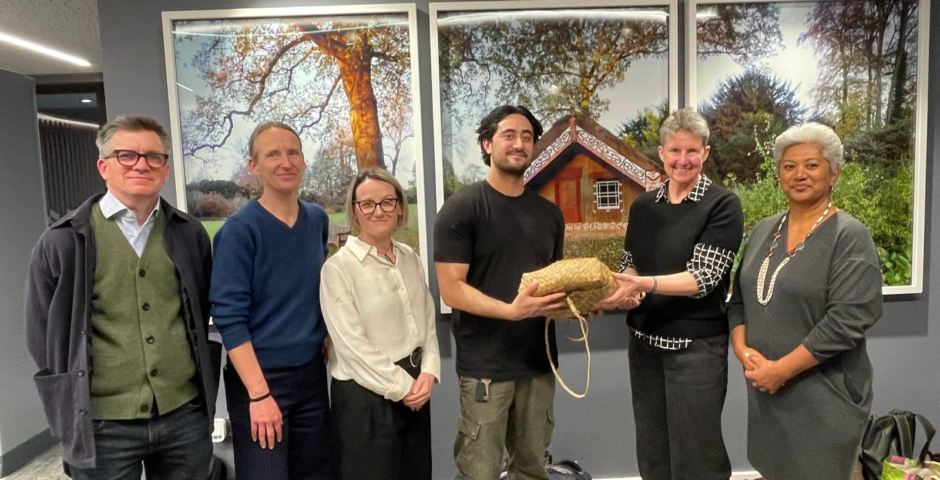
As part of the repatriation process, a traditional waerea ceremony was held at the London Māori community organisation, Ngāti Rānana. The ceremony was conducted to remove the tapu, or sacred status, from the rocks and to prepare them spiritually for their journey home.
The decision to return the rocks marks a significant acknowledgement by the University of Bristol’s School of Earth Sciences of the cultural and spiritual importance these objects hold for Māori communities.
Prior to their return, the rocks have become a focal point of the Migrating Rocks exhibition, currently on display in the Wills Memorial Building.



Created by artist Alyson Hallett, the exhibition combines visual art and written installations to explore the role natural objects can play in discussions around repatriation, as well as themes of reciprocity and responsibility.
Exhibition curator Claudia Hildebrandt explained: “Across the world, laws often treat land and natural resources as things that can be owned or sold, rather than recognising their deeper cultural and spiritual importance to communities.”
Across the world, laws often treat land and natural resources as things that can be owned or sold, rather than recognising their deeper cultural and spiritual importance to communities.
“Honouring the verbal agreement to reunite the rocks with the local community is a very important step towards normalising ethical collecting and collection management, including return.’’
The Migrating Rocks exhibition is open to visitors every Wednesday between 2pm and 5pm at the Wills Memorial Building and will run until August.
For more of the latest news, guides, gossip, and memes, follow The Bristol Tab on Instagram, TikTok, and Facebook.
Featured image via University of Bristol
Latest
Oasis is returning to Manchester: here’s everything you need to know

Get your bucket hats at the ready for another Ticketmaster war
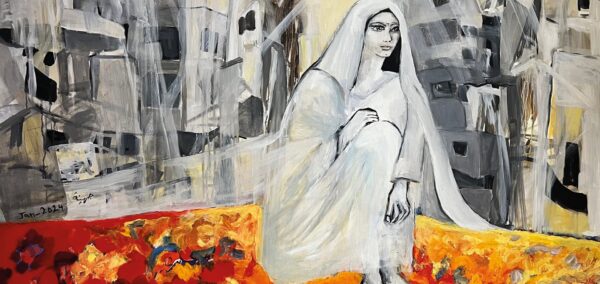
The Lost Paintings: A Prelude to Return at Bristol Museum and Art Gallery

19 June – 27 September 2026
The Lost Paintings: A Prelude to Return, running until 27 September, brings together 53 Palestinian artists from Palestine and the diaspora. Each artist was invited to respond to one of Tomb’s lost painting titles.
The mother of missing Jack O’Sullivan blames police for ‘total failure’ to find him

The most recent update in the Jack O’Sullivan case
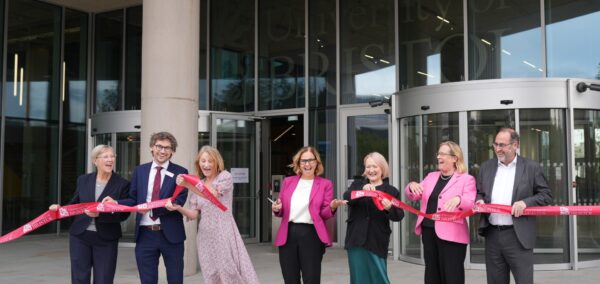
New Sloane Robinson Building opens: Temple Quarter

First step towards the new Temple Quarter Enterprise Campus

Missing 13-year-old found in Manchester city centre after eight day search

Police have confirmed the teenager is safe and well

Who Lizzie Borden’s sister Emma was and if they were close, because Monster gets it all wrong

She never got married for a start
The real life Lizzie Borden house is still standing today, so here’s what it’s used for

It’s one of the most visited true crime landmarks

What Lizzie Borden was actually like in real life, according to the people who knew her
Monster keeps describing her as ‘plain’

Was Lizzie Borden in love with her maid Bridget? The real life theory around her sexuality
People dug up notes and have tried to prove the theory for decades
Calling all aspiring journalists! How to join The Bristol Tab

Come to our open meeting on the 28th of September at 8pm at The Beckford (In Senate House)

Stop what you’re doing: The King’s Tab is looking for new writers AND content creators

Come to our open meeting on Thursday 1st October, 5pm at The Vault!

Channelling your broke uni student lifestyle

Not everything needs to be accompanied by a £5 iced latte, here’s how to be more mindful

The York Tab is recruiting new writers and we want YOU!

Open meeting Monday 28th September, 6pm in SLB/004!
Here’s who the uncle in Monster: The Lizzie Borden Story was, and what Netflix makes up

John Morse really did stay in the Bordens’ house
Er, Lizzie Borden’s meeting with the actor Nance O’Neil was nothing like Netflix’s Monster
Their paths didn’t actually cross for another 14 years
With 600 alleged killings, this minor character in Lizzie Borden should have been the Monster

HUGE missed opportunity
Did Andrew Borden have a stutter? Charlie Hunnam breaks down accent and voice in Netflix show
The actor has fully explained it
Elektrik Warehouse responds to alleged ‘crowd crush’ concerns at Shoshi event

‘It was just lucky nothing insanely bad happened’
Uni of Edinburgh confirms 25 days of strike action over five weeks, affecting Welcome Week

Am email sent to Edinburgh University students read ‘staff are not obliged to tell us if they plan to take part, which means we cannot tell you who is or is not’

There’s a really smart way to hack your Spotify Wrapped results for 2026 – before it’s too late
The cut-off for data tracking is very soon!