

A guide to surviving your third year dissertation at Cardiff Uni
Is diss what you needed?

For many Cardiff students, third year marks the end of university, or at least undergraduate life. While this final chapter brings new opportunities and challenges, it also comes wrapped with a fun little present. The dissertation – or other form of portfolio – is offered to most students in their last year. It gives them the chance to research a specific field of their studies.
As a more focused, longer-term project, it requires a different approach compared to your typical assignment. That may seem daunting; a big, empty document stretching out in front of you. This guide is here to help you ditch that dread and get the ball rolling!
1. Contact your supervisor
Before you start typing away, it is important to get in contact with whatever form of supervisor you have been given. Your supervisor will be a professional in the topic you are studying so make sure you ask them any questions you have about where to find your research and if there is anything extra you can do to boost your work. They are there to help you structure your time, answer your questions, and provide feedback on your work – so make the most of them!
2. Get some inspo
Struggling to know where to begin? Millions of people have been where you are. There are loads of useful resources online containing past dissertations and other theses, as well as guidance on how to structure your project. Have a look at Open Access definitely a good place to start.
3. Plan… and then plan again
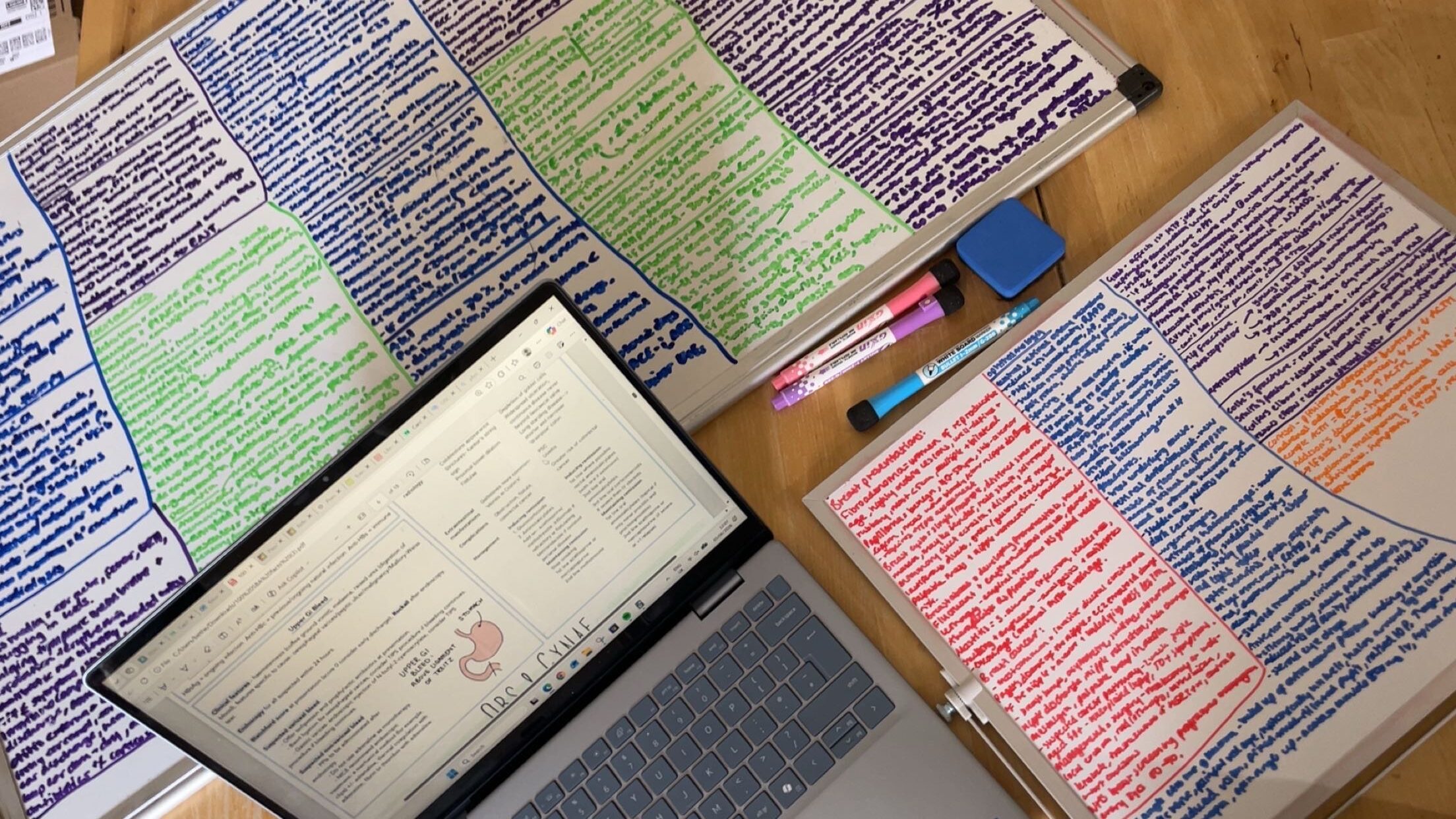
With something that for a lot of you is due after your end-of-year assignments, planning is key. Procastination will not be your friend when writing your dissertation and it is important to get ahead and plan what you will do when for a successful result. The sooner you know what it is you’re writing about, and how you want it to look, the sooner you can begin actually writing it. Which brings us on to the next issue: time.
4. Tick tock
There are two things to remember when managing your writing time: give yourself enough, but don’t give up too much. It is just as easy to spend too long working on your dissertation as it is to leave everything until the last minute. You’re getting credits from your other modules as well, so don’t play favourites.
If you portion out some dedicated time every week to work on things, the whole experience will be a lot less stressful, and maybe even enjoyable…


5. Do your research

Planning and knowing what you want to write is key, but so is learning about your field of interest. The saying “all the gear and no idea” goes both ways – if you have an idea but no relevant knowledge to back you up, things might get tricky.
The more you read around your project, the better. In this case, being a know-it-all is a good thing – even if that means you end up lecturing your friends in the pub for an hour. You may bore your friends, but at least you’ll have a big shiny dissertation to show for it!
6. What friends are actually for
The university has a whole host of academic tutors, workshops, and help desks. However, these resources may not always be accessible or flooded with students as exam season nears. In these situations, many of us overlook the value of peer-reviewing.
Whether your friends do the same degree as you, or something completely different, getting another pair of eyes on your work is always helpful – that is, if they’re still talking to you after the pub lectures.
7. Looks do matter
Often, the most gruelling part of any assessment is having to whip out the style guide and get into the nitty gritty of referencing and formatting. A dissertation is no different, with the specific referencing style, page formatting, and even font being different for every course at Cardiff.
Make sure you find the correct framework, asking your lecturer or tutor if you are unsure. At the end of the day you want your dissertation to be as amazing on the outside as it is on the inside!
For more of the latest news, guides, gossip, and memes, follow The Cardiff Tab on Instagram, TikTok, and Facebook.
Featured image via Canva



Latest

Air traffic control audio reveals what happened before private business jet crashed in Florida

The pilot grew increasingly panicked
Board games or drinking games? We should stop judging how other Cambridge students have fun

Here’s my take on the Cambridge ‘cliques’

The most successful versions of Love Is Blind, ranked by how many couples get married

Barely anyone from Love Is Blind: Netherlands made it
Michaella is ‘rewriting’ her ‘type’ and her approach to dating men after Love Is Blind
She questioned, ‘Is this never going to happen for me?’
Halloween from home: Your guide to a spooky night-in at Lancaster

For those of us who want a quieter, cosier evening

Underused Lancashire park and ride services could be scrapped
Current use of the park and ride sites is ‘well below capacity’, according to Lancashire County Council

Four times ‘detective’ Michael Sheen was totally spot on with his Celebrity Traitors theories
He secretly hunted the Traitors down one by one

Hear me out: All three Traitors could’ve won if Kenny used his double vote smartly

It would have stopped James outing himself, and got rid of Michael

James Acaster’s original reason for joining Celebrity Traitors is painfully ironic now

He was desperate to join

Revealed: The three richest cast members from Love Is Blind season 11 and their net worths

I’m really trying not to be jealous
10 niche Halloween costumes that’ll stand out in Concert Square

Left your costume until the very last minute? Same.
Our predictions for the trendiest Halloween costumes in Sheffield

Costumes we expect to see all over West Street this weekend from the fashionista, the film buff and the lovers of the classics

Two things James Acaster said in his ‘I’m a Traitor’ speech trashed Maya and Kenny’s chances
He might as well have pointed at them

Light Up Lancaster set to return to city with new after-dark activities
The popular light trail will take place on 5th-7th November around the city centre
Dear Love Is Blind: Your relentless casting of terrible men is making women the butt of the joke
I’m not angry anymore, just disappointed
‘My body hurts. My arms hurt’: Christa Pike breaks silence with lengthy statement after lethal injection
‘I hadn’t contemplated life beyond that night, I’m deeply hurt’

I know where it went wrong with American Horror Story, and it’s all about Ryan Murphy’s ‘type’
AHS season 13 is over (thank God)
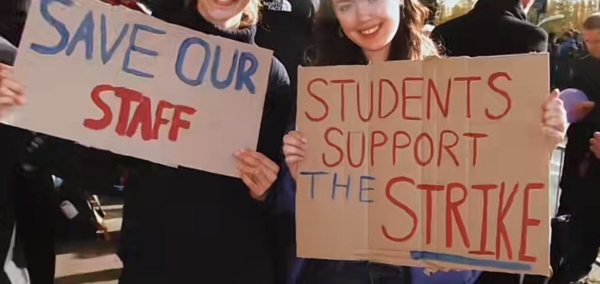
UoN staff continue strike action dressed in Halloween costumes amid restructuring approval

Staff are responding to the approval of the university’s plans for staff and department cuts
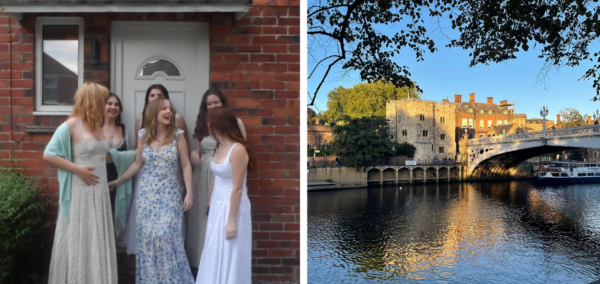
How are you supposed to get a house? Advice from a third year

After all it’s easier to get a first then get a uni house