

From the humanities students: Ten tips for your first term at Durham
Everything humanities students need to survive and thrive
We’re only a few weeks into various humanities courses at Durham, and there are already students with bubbling anxieties over the best way to do their notetaking in lectures, stressed complaints about the best approach to tackle the monstrous seminar reading lists and whispers about the approaching formative and summative assessments on the horizon…
Starting a humanities degree at Durham University is no mean feat, and sometimes it can be handy to read up on some useful pointers from a veteran of first year, not only to help ease your own academic worries but also to get into good working habits early on, saving yourself copious efforts later in the year. Here are the top 10 most useful tips from a second year humanities student for all new first years.
Experiment with your notetaking in Michaelmas term
Whilst it’s frustrating to consistently hear that everyone takes notes differently in lectures, it is often the case. So try not to panic if you’re doing things differently to other coursemates. Michaelmas is a good opportunity to experiment with different notetaking techniques if you find yourself feeling unsure about where to start. But it’s best to settle on just one method by the start of Epiphany term. Some good places to start would be Microsoft Word (the classic), Notion (good for romanticizing your degree, which we’ll cover a bit later…) or Microsoft OneNote (particularly if you’re a fan of organizing notes into folders). Of course, there’s always the more ancient form of pen and paper (for any classics students out there…?) but often students will unanimously agree that laptops/iPads are the way to go.
Take your seminars and tutorials seriously
Future you during Easter exam season will wholeheartedly thank you for doing this. Seminars and tutorials for most humanities students take place sparsely over the year, with most modules across level one often only offering up to seven per module across three terms of teaching. This means anything you cover in a seminar is likely to be an important topic, which might be reflected as a key topic later in your exam papers.
As tempting as it is to skip an inconveniently placed 9am tutorial on a rainy Monday morning, try your best to attend everything you are offered, and make the most of your time while you’re there by actually speaking up and offering suggestions. Unlike most STEM degrees, you’ll find that your seminars are mostly discussion based and tutors often much prefer it if you’re forthcoming with leading these conversations. Make notes on any useful ideas offered up by your peers and take the opportunity to ask your tutor any burning questions.
Resist drowning in your reading lists
Probably by now you’ve already been bombarded by an overwhelmingly lengthy list of primary, secondary, and further suggested reading to do. In most cases, the books or articles you absolutely must read will be emphasized more directly in advance of your seminars. These are the ones to prioritize. Reading for the sake of reading is generally pointless, and it’s generally worth taking a minute to ask yourself if you’ll ever be referencing the arguments or quotations from this material again.
Romanticize your studies
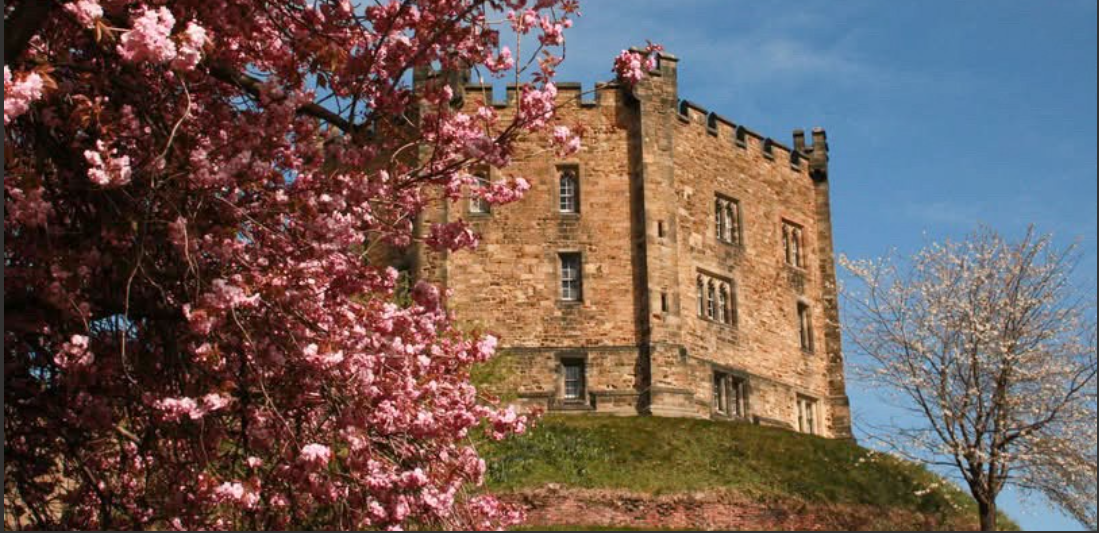
Last year Durham was crowned the most beautiful city in autumn, and that title is truly deserving. The stunning beauty of the River Wear, plenty of quaint coffee shops in town, and the historical splendour of Durham Cathedral and surrounding architecture in the city make your new University home the ideal place to romanticize your degree. When the days get inevitably shorter and colder this term, keep the excitement of coffee trips, cosy library study spots, scenic walks in nature, and visits to heritage spots alive. It might seem suspiciously self-indulgent, but arguably this is one of the best indirect ways to keep yourself feeling motivated through the first wave of exam season towards the end of first term.
Explore the available academic support
It’s true: Durham’s student support system can genuinely feel more overwhelming to comprehend than it does easy to access. Don’t be put off by the daunting network thrown at you in your first few weeks here. Instead, take your time to suss out your options.



Your first port of call for academic issues is often your academic advisor, who will reach out to you in first term. Other options include your tutors, normally for module-specific queries, module-convenors for broader questions, and the Teaching and Learning team. Each department has a faculty librarian (who you can search up on the website) who is also available to support you. Durham also has its own Academic Skills Centre (ASC). You’ll probably receive periodic emails over the year from them advertising optional support sessions on essay writing. Do take the time to check if your department offers student tutoring. Some do, and this is a great way to hear directly from second and third years who were once standing in your shoes.
Be bold when it comes to your office hours
Contact hours for anyone on a humanities course are minimal – often reaching maximums of seven to 10 hours a week. Compared to students on STEM courses, it can seem like there are more gaps then filled spaces on your timetable. However, these gaps make it all the easier for you to make the most of your tutors’ office hours. Prepare any questions about reading materials, essay plans, or specific questions you have after a lecture or seminar. Tutors are almost always more than happy to give advice and one-to-one feedback on your work. Especially in first year, when your grades don’t count towards your final degree, tutors are often more relaxed about giving out pointers when it comes to essay writing. Building the confidence to speak to tutors now will also help you out in third year once you get onto dissertation writing and supervisor meetings.
Time is of the essence
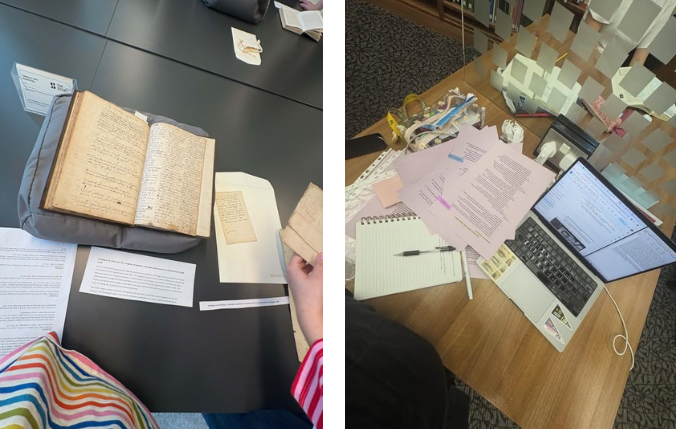
Humanities students are famous for getting significantly fewer contact hours than their STEM counterparts, who often find all their free time choked by long hours in back-to-back lectures, labs, and tutorials. Additionally, making the move from an intensive A-level or equivalent environment to a first year degree timetable can feel both counterproductive and liberating at the same time. However, it’s important not to treat these elusive gaps on your timetables as strictly recreational. Academic time management and independent study, by their very nature, are key to your humanities degree programmes. And this time is intentionally there for you to take the lead with your education. Try your best to treat your weekdays as a 9-3 day, even if you have no contact hours scheduled. Don’t be that person who gets midway through Epiphany term realising they haven’t spent any of their independent time doing the readings.
DO go to all your lectures
A classic piece of advice… for a reason! Once you skip one lecture, it can often become a slippery slope which is difficult to recover from. Some of your lectures might not seem appealing at 9am on a random Tuesday or particularly interesting to you in the moment. But lectures are genuinely the academic foundations to all your modules, and without them, it can be very challenging. Try to get excited about your lectures and view each one as an opportunity to take away something new. It can also be incentivising to remind yourself that through your tuition fees, you are effectively paying to attend all your lectures. So don’t bother not showing up to them!
Don’t overthink it…
You’ll hear this one a lot: First year doesn’t count! As long as you pass your modules (that’s normally a minimum mark of 40 for humanities subjects) at the end of the year, you can still continue to Year 2. And for most modules, summer resits are possible (although it’s unlikely you’ll need this option if you follow all the advice on this page). Allow yourself time and space to experiment with your first year and get comfortable with university life. This will probably be your least busy year, as second and third year content and workload will inevitably get harder.
Enjoy it
Your first year as a humanities student studying at Durham will be a one-time experience, so enjoy it! Cherish the time you have in Durham by appreciating the people around you and the things you learn on your degree programme.
For more of the latest news, guides, gossip, and memes, follow The Durham Tab on Instagram, TikTok, and Facebook.
Latest

Don’t fall back on fast fashion this Halloween

For all those Bristol students desperate for an excuse to get back into the charity shop x
From the humanities students: Ten tips for your first term at Durham

Everything humanities students need to survive and thrive

UYRUFC achieve a ground breaking Ladies Day

The club successfully raised over £5,000 for Pink Ribbon Foundation, breaking UYRUFC club records

Altra Yorkshire Marathon sees record number turnout

Thousands of runners gathered on 18 October to set off from University of York campus for the marathon

The Celebrity Traitors has ‘off days’, but rules dictate what the cast can do off-camera

Joe Lycett painted Rob Beckett
How to have the spookiest Halloween in Cardiff without breaking the bank

If your bank balance isn’t keeping you up all night, these Halloween plans might

Selena Gomez to Doja Cat: The celebrities who’ve opened up about their vaping habits

Many are trying to quit

Revs or MASH? Cambridge students have finally spoken

Here’s how students actually feel about Cindies’ MASH takeover

How to spend 24 hours in Manchester like you’re in a Gilmore Girls episode

From crunchy leaf walks to here’s your very own guide to romanticise this season

Cambridge on a plate: Unique independent food spots around the city
I visited a range of proudly independent Cambridge food spots to give you my verdict

James Acaster reveals Celebrity Traitors contestants hear The Hanging Tree over and over again

It’s left people ‘traumatised’

This is exactly how you would win The Traitors, based on your Leeds degree

Now reveal yourself: Aare you a Traitor or Faithful?

The best Halloween costumes you can make with clothes you already have

Let’s beat the last-minute panic together
Human remains removed from Glasgow museums due to controversial ‘consent’ issues

Both the Kelvingrove Art Gallery and the Hunterian Museum have removed parts of their Egyptian display due to lacking ‘consent’ from the deceased

Here’s which type of player each Lancaster college would be on The Traitors

At Lancaster, anyone could be a traitor

The Love Is Blind UK S3 couple who didn’t get married on the show just split via text message
Sammy says she was about to move in with Jonathan

Two obstacles stand in the way of a second execution attempt on Christa Pike
What will happen next remains unclear

Sharon Rooney’s latest Celebrity Traitors decisions could make her an easy target for the Traitors
She’s made some questionable moves
Here’s the spookiest places in Newcastle you should visit

A 9am lecture after a night out is scary enough, but what if you’re looking for more?

Roundtable moment exposed who the Traitors are to the whole group and nobody clocked
Somebody needs to remember this