

The Graduate: Joe Leather
From Jurisprudence to Jazz Hands
 An Admin
|
An Admin
|
On a rainy morning in September, I headed over to the Royal Academy of Music to catch up with Castle Law Graduate Joe Leather. Well known in Durham for his participation in all things theatre, he decided to swap litigation for leotards and pursue a career in performing arts. After being accepted onto RAM’s prestigious postgraduate Musical Theatre program, Joe talks to me about London life, Durham nostalgia and on-stage mishaps.
How did you first get involved in theatre?
I started quite late; I think I did my first show when I was about 15. I was part of a regional youth theatre, and played Mr Tumnus in a production of The Lion, The Witch and The Wardrobe. I did more singing than I did acting – I’ve grown up on a lot of karaoke holidays, which is where I got my singing experience: I was pretty untrained. I went to Durham and, on a whim, started auditioning for plays, and I got the bug. I think I did over 50 different performances while I was there.
So why did you choose to study Law?
I thought performing was for somebody who’d had their parents put them in dance classes at the age of three; I never thought it was an accessible world. I didn’t live in the south, so there weren’t the same opportunities – there were no dance classes for boys. It just never crossed my mind as an option, and I thought Law was a good degree to have.
What’s your best Durham theatre memory?
The head of the Heritage centre commissioned a group of us to write a play for him, called The Almost Complete History of Durham. We had weeks to do it, and then it came to the day before and we still hadn’t done it. So we stayed up all night writing this show and learning it, because the next day we were performing it to the Vice Chancellor and all the university officials. We did a run of it and it was crap, and then we did it the next day and somehow, with all the energy and nerves, they loved it. We ended up having to do an extended run, where we put it on for the next week, because it went down so well.
When did you start considering acting as a career?
It happened quite gradually. When I went to Edinburgh at the end of my first year, I began meeting people who were professional actors; they were all incredibly talented, but still just real people. I had about a year of thinking about it, and then in second year I did a dance show in London, which is when I started seriously considering going to drama school.
How does Durham compare with London life?
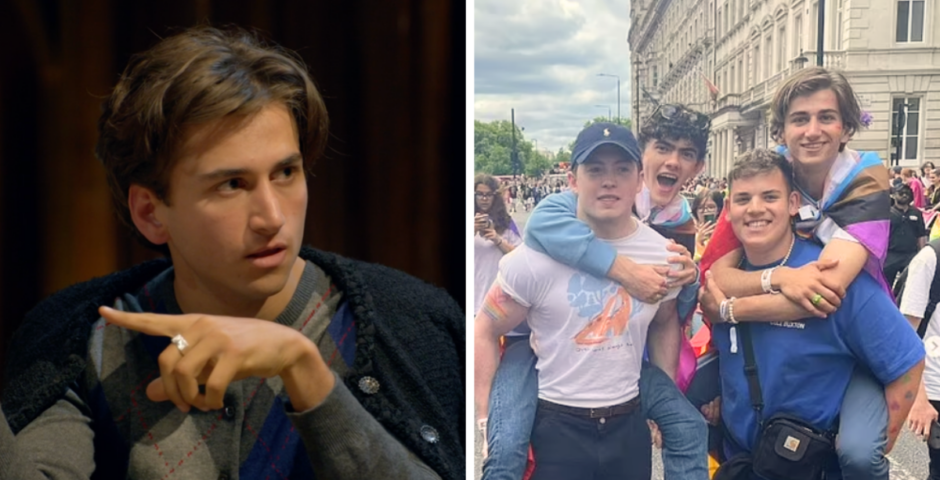

They’re very different. I was at Castle, so I could walk everywhere, and now I can’t walk anywhere. I have no idea how to use public transport and I spend all my time on the tube, or practicing, or sleeping.
Theatre is pretty competitive, how do you deal with not getting the roles you want?
Well I did go to Durham, so I know what rejection is.
What’s your performing goal?
West End: Jersey Boys would be amazing. I’d like to do Fringe musicals and I’d also like to do some TV.
What’s the most embarrassing thing that’s happened to you during a performance?
In The Wild Party (LaChiusa), I had to wear some very small pants because it was set in the 1920’s. In the dress run I had a rape scene where I was punched to the floor. When I looked down, my penis was out of my tighty whities and everybody could see it. Also in Bat Boy, I had to get pistol whipped at the start of the show, but I was accidentally hit in the face with a stage gun and ended up spending the rest of the show bleeding. You can still see the scar.
What advice would you give people who want to be on stage?
Learn your lines and never get disheartened. A note I’ve been getting a lot at the moment is, ‘Don’t act, just be.’ In theatre, there are so many factors you can’t control, so don’t get bitter or upset for too long. Think about the things that you can do that no one else can. I’ve done drag, rape, bat boy … that’s just the niche I fill. I guess that I can vaguely pull of being half bat, half boy in a way that some other people can’t. The other thing they keep saying here is, ‘Never say “I can’t do that,” say, “I can’t do that yet.”‘
An Admin
|
Latest

More than two tonnes of plastic pellets may remain in the Tyne, researchers warn

A collision in July released around 17 tonnes of nurdles
Jax speaks out after toe-curling Love Is Blind reveal, and shares why she *really* ghosted Stew

She claims it had nothing to do with his appearance

A full record of how The Celebrity Traitors S2 cast voted at each Round Table session

Yup, we’re keeping track of all the stats
The Celebrity Traitors comedians whose fortunes are no laughing matter, from £1m to £6.5m

The fact Miranda isn’t the highest is criminal
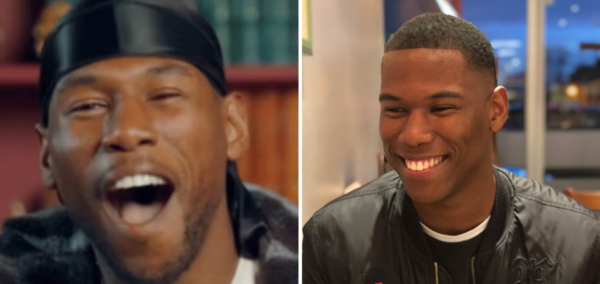
Celebrity Traitors’ King Kenny was arrested after filming a prank on his university campus

He has a wild backstory from his YouTube career
Is this the downfall of Turnitin? Here’s what you need to know

Turnitin’s system is changing and students’ data could be used to train tools which use Artificial Intelligence

Fewer apps, more life: My experience at the launch of the social SuperApp ZYMIX

Inside the launch of the SuperApp that wants to clear out your home screen

The question we’re all thinking about: What exactly is happening with the library?

Everything you need to know about the JB Morrell Library refurbishment

Plans submitted to council for new research facility at York University

University of York’s Campus West could see a new research building after plans submitted to York Council
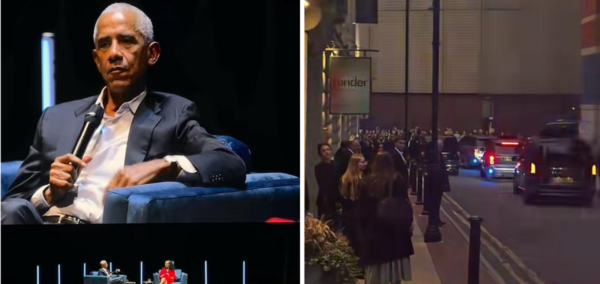
Wait, why was Barack Obama in Manchester city centre?

The former US President was spotted outside a hotel before speaking at Co-op Live
The Celebrity Traitors producers are already eyeing up big names for season three’s cast
Stephen Lambert wants Tom Cruise and ‘a big sports star’
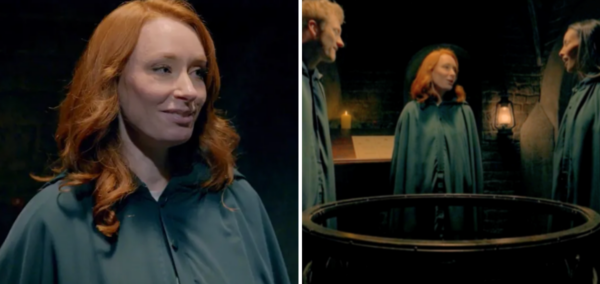
Hannah Fry has crunched the numbers, and spotted a suspicious Celebrity Traitors voting pattern
It could be bad news for the Traitors

Former Lancaster University professor John Whitehead dies aged 76

John was a lecturer of mathematics and statistics
How to avoid the struggles that come with a part-time job at a Bristol university

After all, we do live in on of the most expensive cities in the UK.
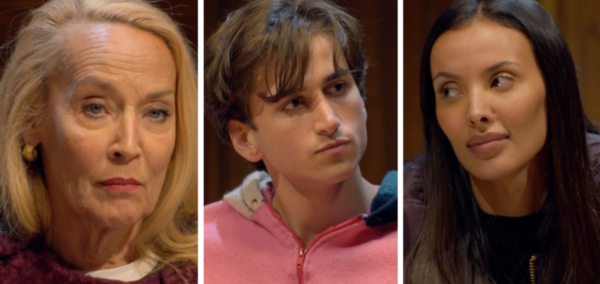
All the public scandals The Celebrity Traitors cast have been in, from arrests to racist tweets
They’re not as wholesome as people think
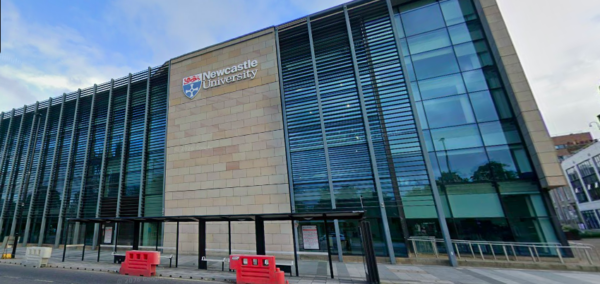
Newcastle and Northumbria universities join forces for new Student Health Hub

Students of both unis can access the mental health service on Friday mornings

The net worths of the American Horror Story 13 cast prove who desperately needed that pay cheque
A $50 million net worth with two minutes of screentime? Nice

Three UK universities announced language course closures in 2026 – including Edinburgh
The University of Edinburgh is scrapping 90 programmes
‘She is phenomenal’: Traitor Hannah Fry has realised that she’s related to her co-star
‘I cannot tell you how much I admire her’
From Crawford to Turing: the stories behind UoM’s building names

You’ve walked past them loads, but how many names do you truly know?